| OCR Text |
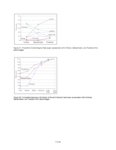
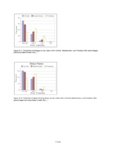
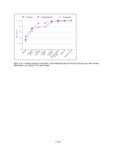
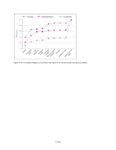
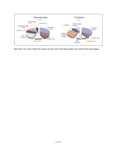
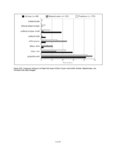
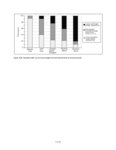
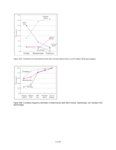
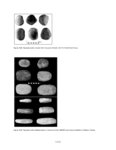
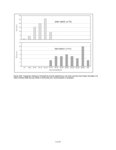
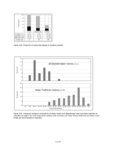
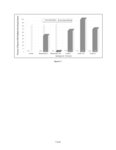
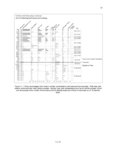
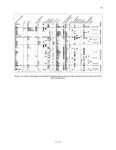
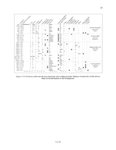
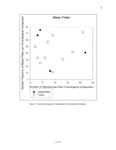
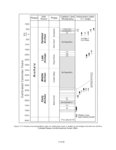
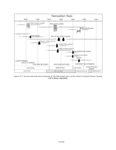
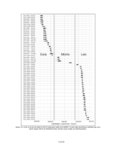
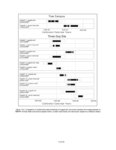
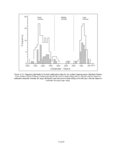
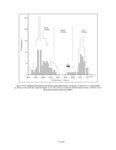
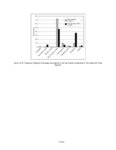
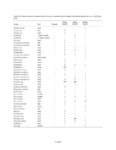
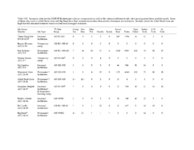
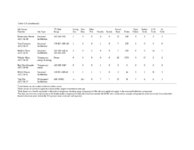
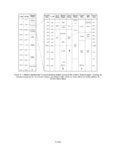
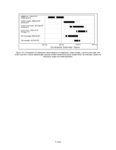
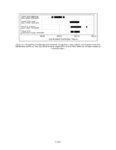
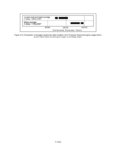
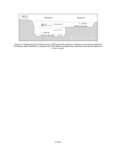
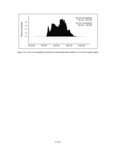
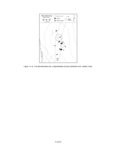
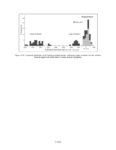
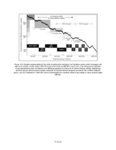
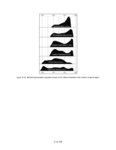
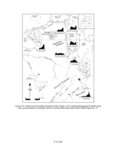
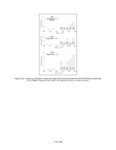
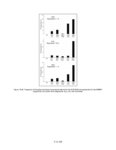
Show continuous development (Berry 1982; Berry and Berry 1986). Measures of settlement continuity include regional chronometric records provided by tree-ring or radiocarbon dates as well as regional composite histories of site use. Sample adequacy and bias loom large in arguments for lack of settlement continuity (see Geib 1996a:28; Meltzer 1999). Have we investigated enough of a given region? Have we systematically ignored a given class of evidence or type of site? Are the traces of some periods less obvious or less well preserved than those of other periods? Continuity in culture refers to a clearly linked temporal sequence of cultural traits. This is an inherently subjective endeavor no matter what quantitative techniques are used, for it involves judgments as to the degree of relatedness among objects from slices of time. Moreover, even when there appears to be unprecedented change in artifact style or production technology, it is difficult to be sure that we have not merely missed an intermediate stage, especially if the interval of morphological or technological change occurred during a very brief period preceded and followed by long intervals of little or no change. The basic question is whether there are Archaic prototypes for the impressive inventory of Basketmaker II material remains from the Kayenta region first described in detail by Guernsey and Kidder (1921; Guernsey 1931; Kidder and Guernsey 1919). Unfortunately, the open sites excavated by the NMRAP have not yielded the most distinctive portions of the Basketmaker II assemblages, which are the perishable artifacts. This problem can be partially offset because of the perishable artifacts recovered from caves in the northern Kayenta region and by examining certain classes of nonperishable artifacts that were recovered from the NMRAP sites as well as from the caves. Even with an abundance of perishables, temporal control for specific Basketmaker artifact types such as sandals and bags is an additional problem. Detailed chronologies are required to map out temporal sequences of change within artifact types. When making comparisons between Basketmaker and Archaic technology it will be important to know whether remains come from the late portion of the Basketmaker II period, the earliest part, or somewhere in between. Settlement Continuity and the Radiocarbon Record As reviewed earlier in this chapter and in Chapter 13, the current sample of radiocarbon dates for the Archaic and Basketmaker periods of the northern Kayenta region is quite substantial, due in large part to the recent NMRAP excavations but including additional dates from caves (Ambler 1996; Geib 1996b, 2004; Geib and Robins 2003; Lindsay et al. 1968). As of this report, there are 154 dates ranging from almost 8000 cal. BC up to 700 cal. AD with somewhat over half of these from the Basketmaker II period (n = 89). Given that most of the Basketmaker radiocarbon assays are on high-quality samples from all types of sites, both open and sheltered, this robust data set may accurately reflect the time of Basketmaker occupancy for the northern Kayenta region. The frequency distribution of all radiocarbon dates currently available for Archaic and Basketmaker sites in the study area (Figure 14.31) is hardly continuous, containing a major break between early and late Archaic and a possible short gap between late Archaic and Basketmaker (see also Figure 14.10). Though I doubt that foragers totally abandoned the region during the interval of the middle Archaic period date gap (see discussion in Chapter 13), even if they had it might be immaterial to the issue of Basketmaker origins. With domesticates now known to be present in the Southwest at around 4000 BP, the late Archaic spike in radiocarbon dates beginning at about this time may well result from an increase in the population of pure foragers and the initial appearance of farmer-foragers. The possible small gap on the tail end of the date distribution from ca. 800 to 400 cal. BC has relevance for examining the issue of settlement continuity for the Rainbow Plateau. This gap was discussed earlier in this chapter where I concluded that it may result from limited sample size and certainly the number of excavated sites at present is inadequate to effectively argue for complete forager abandonment of the Rainbow Plateau. The gap is provocative but I nonetheless believe that searching for a hiatus misses the important point about Basketmaker origins-namely that there may have been settlement continuity in a region accompanied by cultural discontinuity. Abandonment or not, the nature of the archaeological record in the northern Kayenta region after 400 cal. BC is markedly changed both adaptively and culturally and it is these discontinuities that are of import. Adaptive Continuity Regardless of what the radiocarbon record indicates about settlement continuity during the ArchaicFormative transition for the northern Kayenta region, to what extent is there adaptive continuity? Does the record produced by populations living in the region after the appearance of maize differ by slight degree from that produced by the foragers on this plateau prior to the appearance of maize or was there an immediate and radical change? The former scenario would seem to better accord with the idea of in V.14.42 |