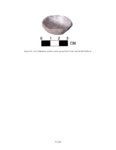
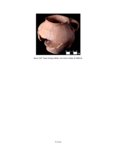
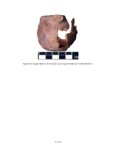
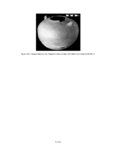
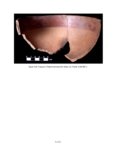
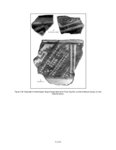
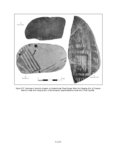
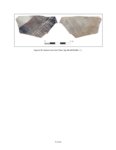
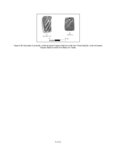
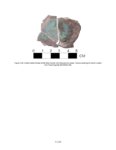
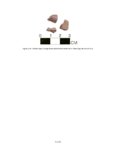
| OCR Text |
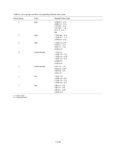
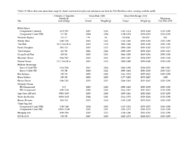
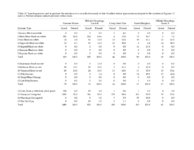
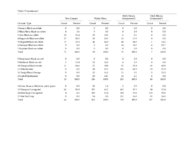
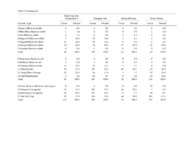
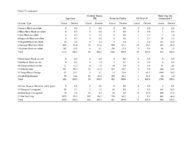
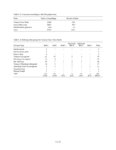
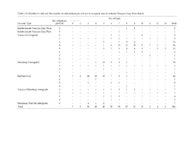
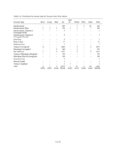
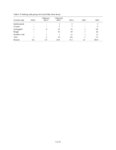
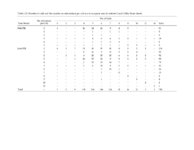
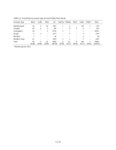
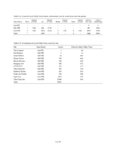
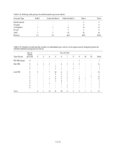
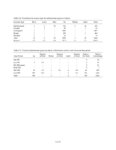
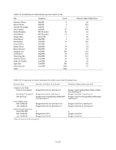
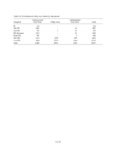
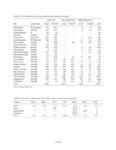
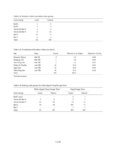
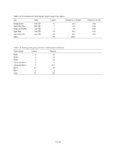
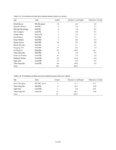
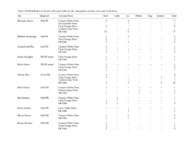
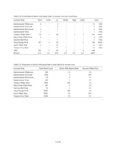
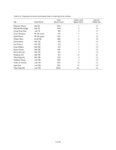
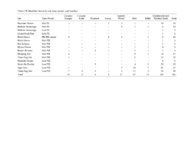
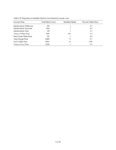
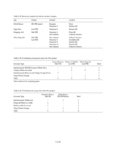
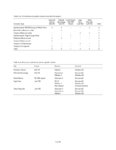
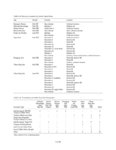
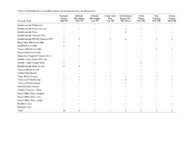
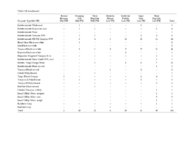
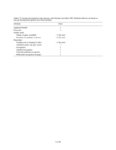
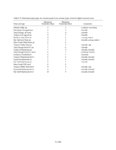
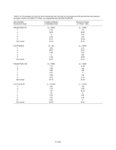
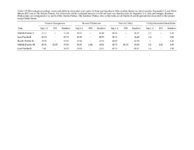
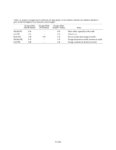
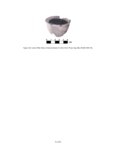
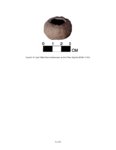
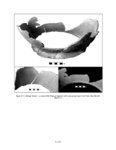
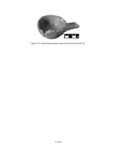
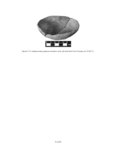
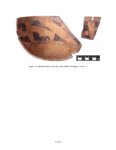
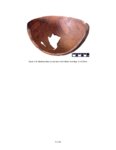
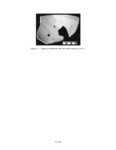
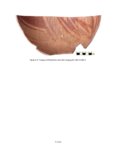
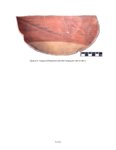
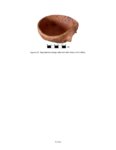
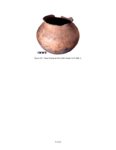
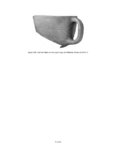
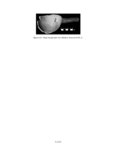
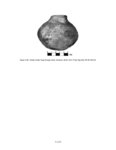
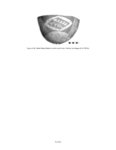
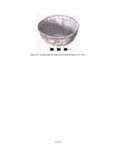
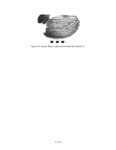
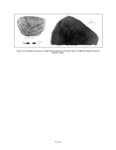
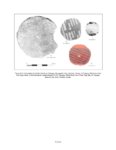
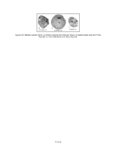
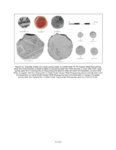
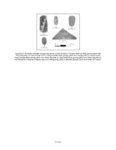
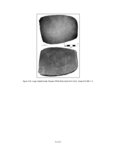
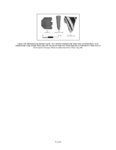
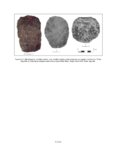
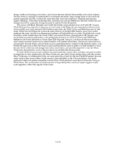
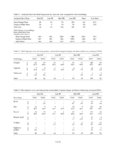
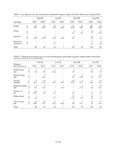
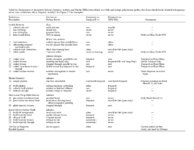
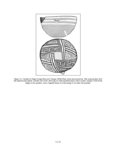
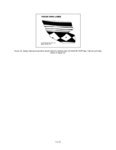
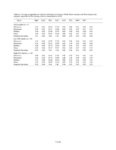
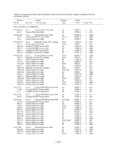
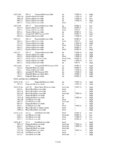
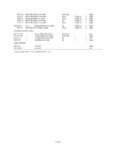
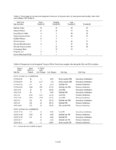
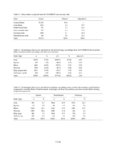
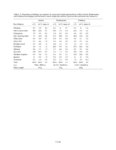
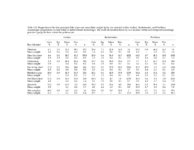
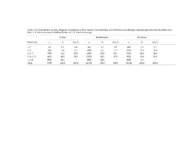
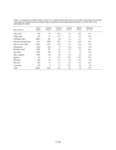
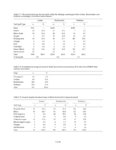
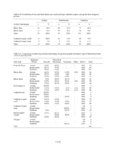
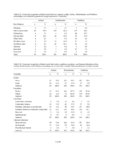
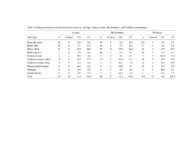
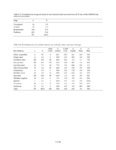
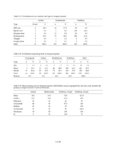
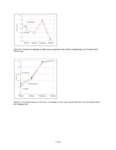
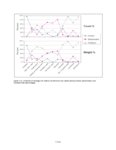
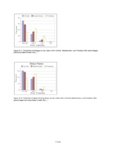
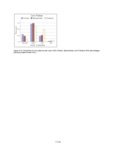
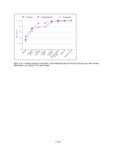
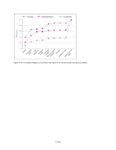
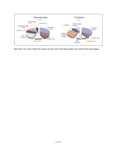
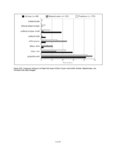
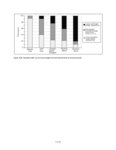
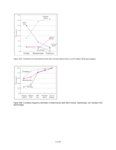
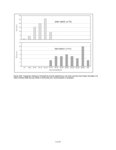
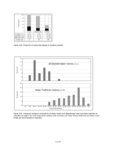
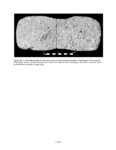
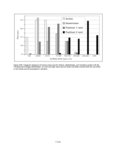
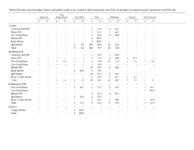
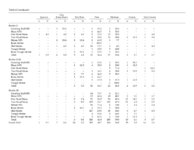
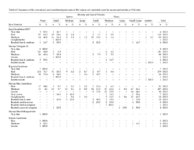
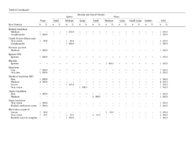
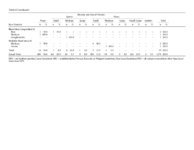
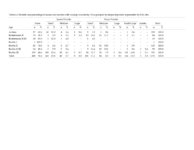
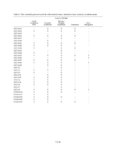
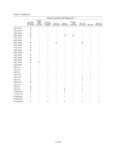
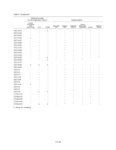
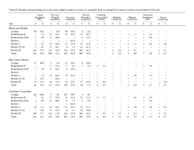
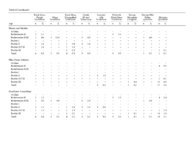
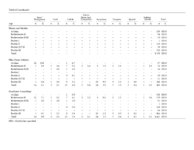
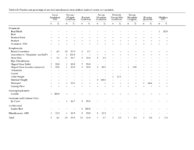
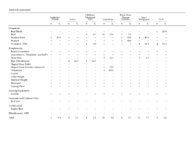
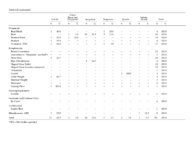
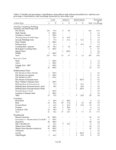
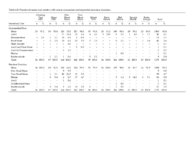
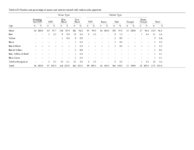
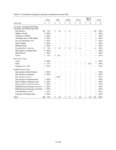
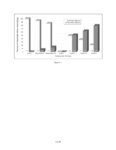
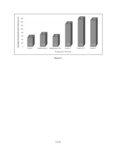
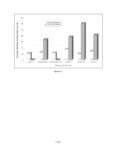
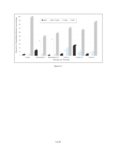
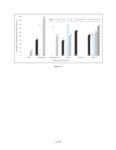
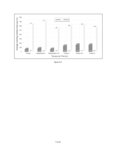
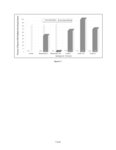
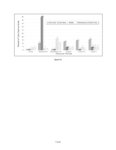
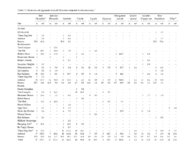
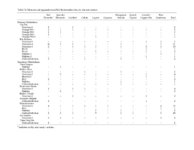
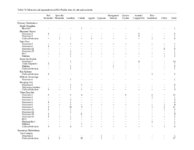
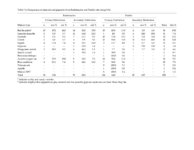
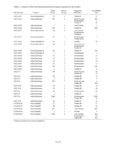
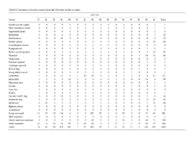
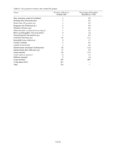
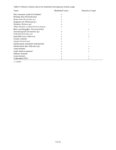
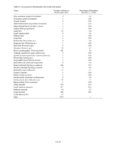
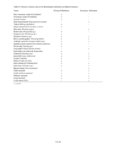
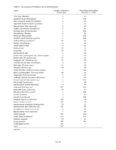
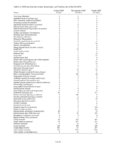
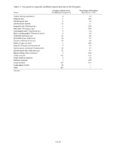
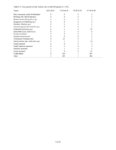
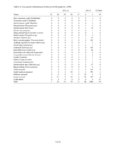
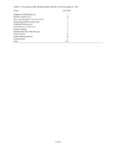
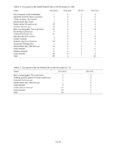
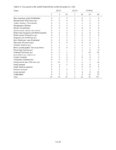
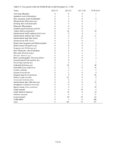
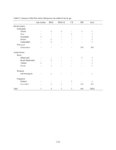
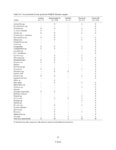
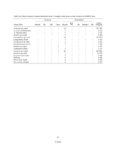
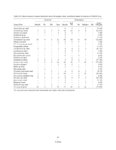
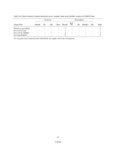
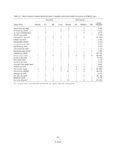
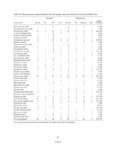
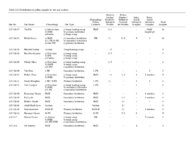
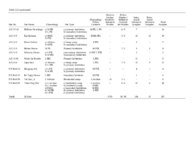
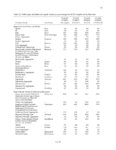
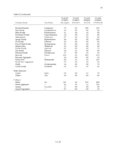
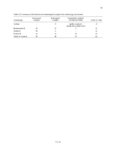
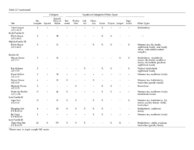
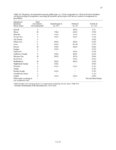
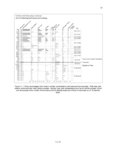
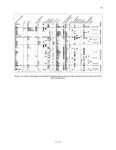
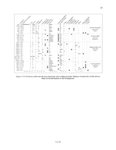
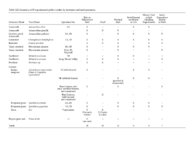
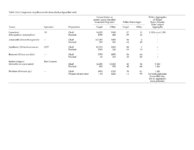
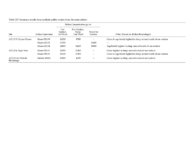
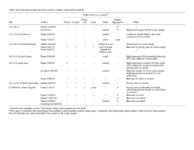
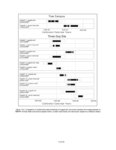
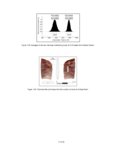
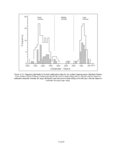
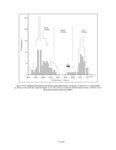
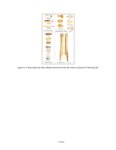
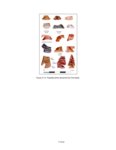
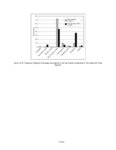
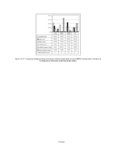
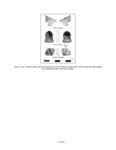
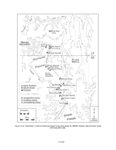
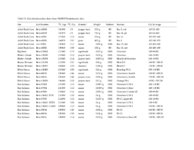
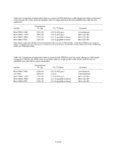
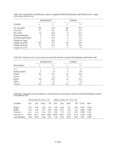
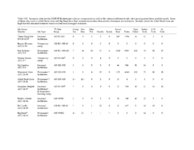
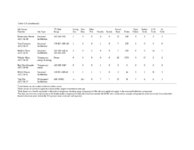
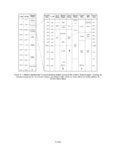
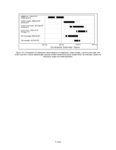
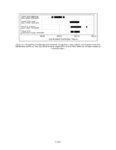
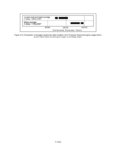
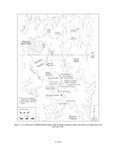
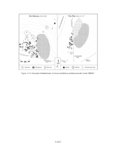
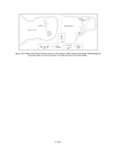
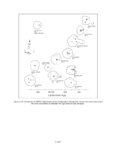
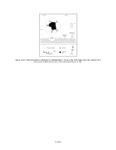
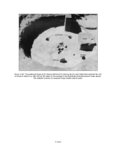
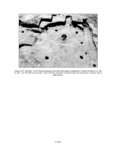
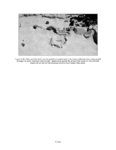
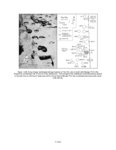
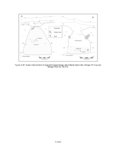
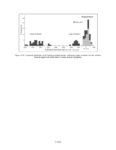
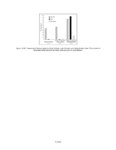
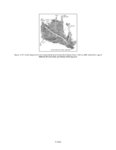
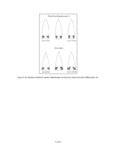
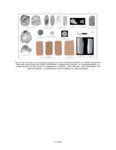
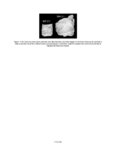
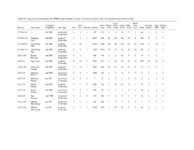
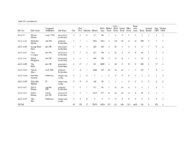
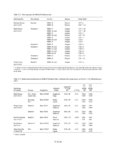
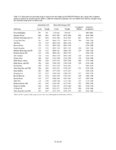
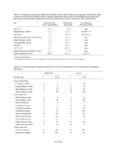
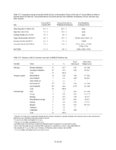
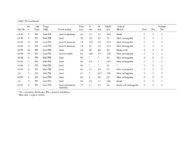
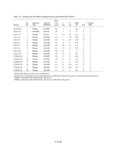
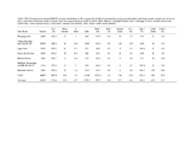
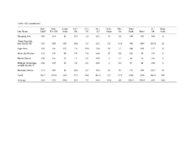
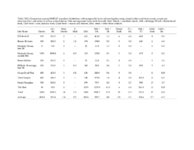
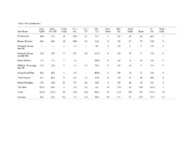
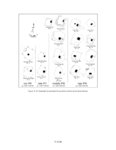
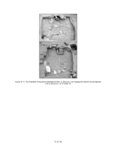
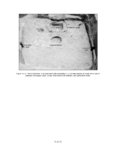
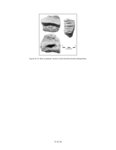
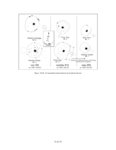
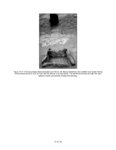
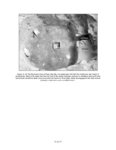
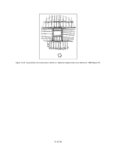
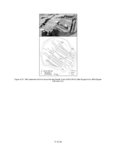
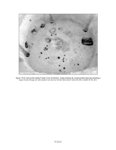
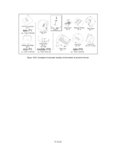
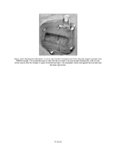
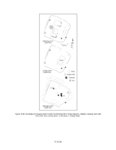
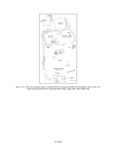
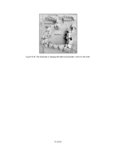
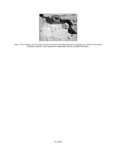
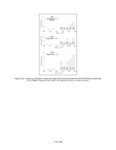
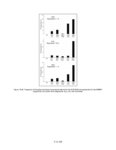
Show some sites near outcrops of these Chinle clays, and the percentage of orangeware is often much higher in such places. Clays that fire bright red and that were used as slip and paint on Tsegi Orange Ware may also come from the lower part of the Petrified Forest Member. Goethite was probably ground and added to yellowish clay to intensify the red color of the slip or paint once fired (Paul Kay, personal communication to Phil Geib, 1998). Thus far, none of the middle Piute Canyon Petrified Forest Member clays fired by NNAD-NAU make a likely match, but lower Piute Canyon samples collected by NAU do provide plausible matches for Tsegi Orange Ware. Some of the Black Mesa (Wepo and Toreva Formations) clays fire to the correct color range, and some of the natural non-plastic inclusions match some, but not all Tsegi Orange Ware. The Wepo/Toreva clays seem less porous and result in a denser paste than most Tsegi Orange Ware has (these clays would provide an excellent source for Jeddito Black-on-orange, the latest type in the sequence, believed to have been made on the Hopi Mesas where it is the most frequent decorated type from the AD 1280-1335 period). It seems probable that several kinds of iron-rich clays were used to make Tsegi Orange Ware. The Navajo Mountain variety was almost certainly made on the Rainbow Plateau, due to the good match between its crushed sandstone temper and local sandstones (see Geib and Callahan 1987). We expect that the majority of standard sherd-tempered Tsegi Orange Ware was also locally made, probably from Chinle Formation clays from lower Piute Canyon or similar sources. Some clues, or investigative leads, if not actual answers, are suggested by plotting refired color against time and against temper content. As shown in Table 2.32, though most Tsegi Orange Ware fires to the Red 6 color group, "standard" sherd temper is most likely to fire to lighter colors. The sand- and sandstone-tempered Navajo Mountain variety has a narrower range of variation; virtually all of it fires to the Red 6 group. Our sample size is admittedly too small to support the inference that Navajo Mountain variety has a more restricted geographic/geological source, but this is a testable hypothesis for future investigation. Likewise, based on a very small sample, the igneous rock-tempered Coombs variety is more likely to fire darker-Red 6 or Red 7. Table 2.33 shows that although Tsegi Orange Ware from the middle Pueblo III period has the greatest breadth of colors, sherds deviating from the norm (Red 6) are few. The greatest proportions of both lighter and darker firing sherds occur in Pueblo II assemblages. During Pueblo II, compared to other time periods, potters were more likely to choose clays firing to a color other than Red 6, though Red 6 was still the most frequent color. The Pueblo II sites occur on the southeastern edge of the Rainbow Plateau. They date to a time when a great deal of trade in whiteware from the south was taking place, and it is possible that Pueblo II potters either used different clay sources or obtained some of their Tsegi Orange Ware pottery from communities using other sources. The apparent peak of Tsegi Orange Ware use in late Pueblo III shows the narrowest range of variation in refired color; that is, potters in that time period were least likely to choose a clay that fired to a color other than Red 6. This suggests more specialized production, more localized production, or more careful and consistent selection of clays that fire to the Red 6 color range. This set of hypotheses could also be tested with detailed chemical analysis of sherds and clays. Form and Function Two partially reconstructible Medicine Black-on-red bowls came from middle Pueblo II contexts at Hillside Hermitage. Both have sherd temper. The first, from PN 521, is only about 40 percent complete (Figure 2.15). It has a straight wall and rim with a rounded lip, is 2.8-4.5 mm thick, and was probably about 20 cm in diameter when complete and 10.8 cm high. It has no fire clouds or soot. Its original Munsell color is 2.5YR 6/8 in color group Red 6; a chip refired to the same color, indicating that the original firing fully oxidized the clay. The interior is heavily eroded; the slip is worn through and the paint is beginning to flake. The exterior near the base is abraded from use, but there are no residues visible. Both surfaces are fully slipped red, the rim is painted black, and interior decoration consists of a horizontal band below and attached to the rim. The band consists of four thin (2-3 mm) framing lines both above and below repeated rotated triangles with keys (half terraces). The second partially reconstructed vessel from this site (PN 733) is about 75 percent of a Medicine Black-on-red bowl with a straight wall and rim and flat lip (Figure 2.16). It is 3.8-4.7 mm thick, about 22 cm in diameter, and about 11 cm high. Its original Munsell color is 5YR 6/6; a sample refired to 2.5YR 6/8 in color group Red 6. It has one fire cloud on the exterior and soot deposits on both surfaces and over the rim, with several patches mostly on and near the rim. This pattern is not likely to result from use over a fire, unless the vessel was inverted as a lid over another vessel. The base is sooted on both interior and exterior surfaces. Both surfaces are fully slipped red, and the design was executed in black paint but is difficult to see. The rim is painted black. About a centimeter below the rim is a crude band with 3 mm V.2.32 |