| OCR Text |
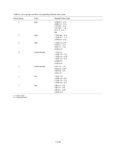
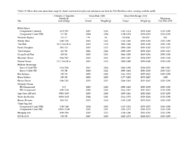
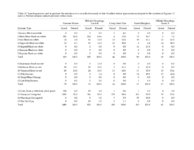
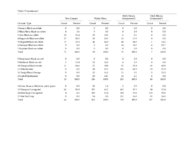
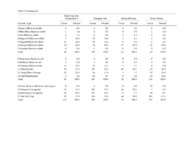
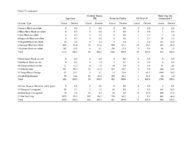
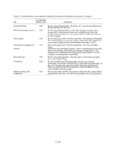
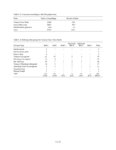
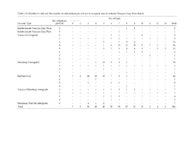
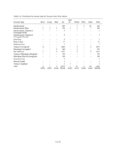
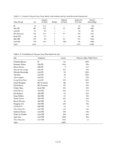
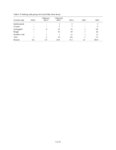
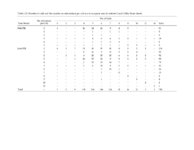
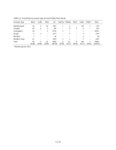
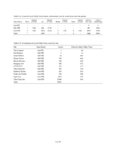
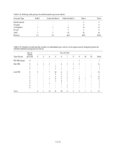
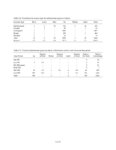
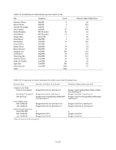
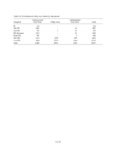
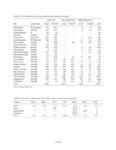
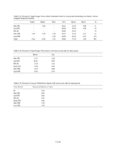
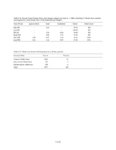
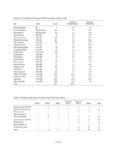
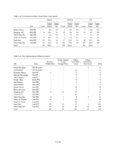
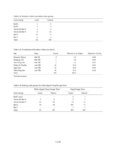
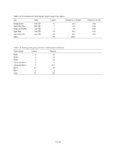
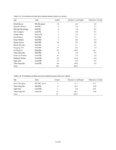
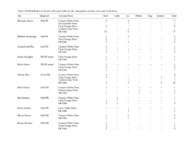
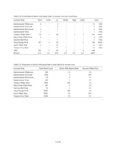
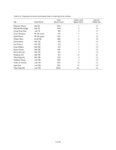
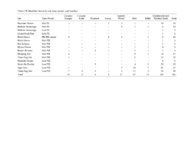
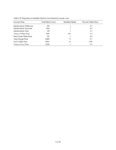
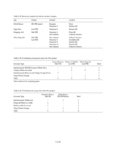
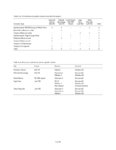
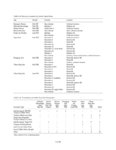
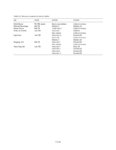
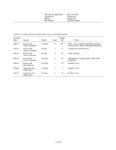
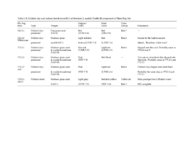
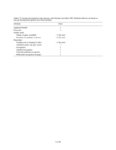
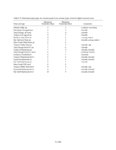
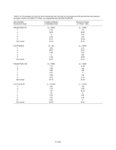
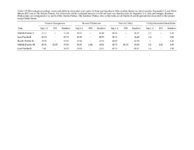
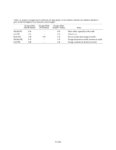
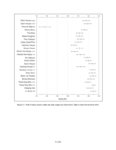
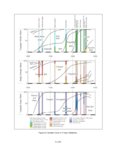
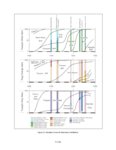
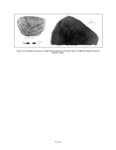
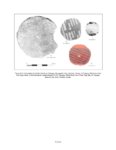
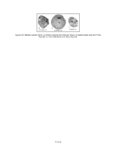
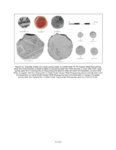
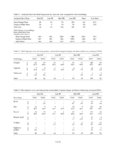
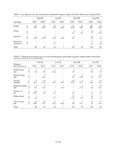
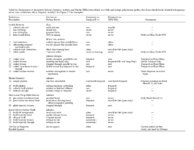
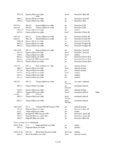
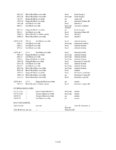
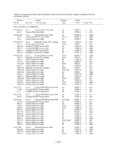
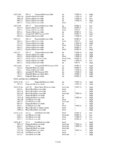
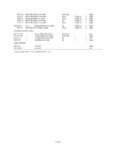
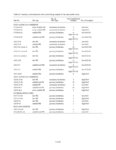
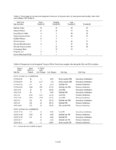
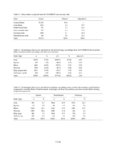
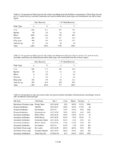
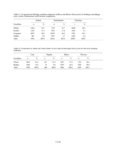
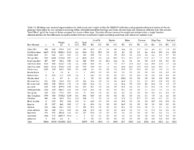
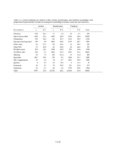
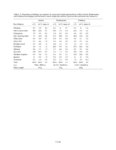
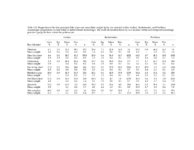
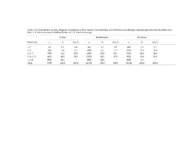
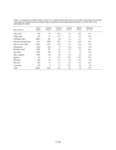
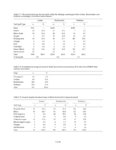
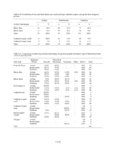
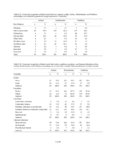
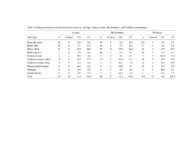
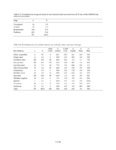
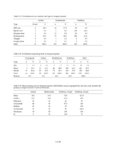
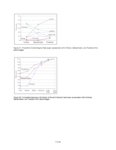
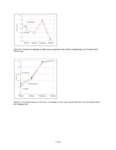
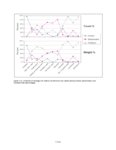
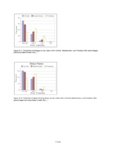
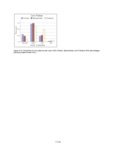
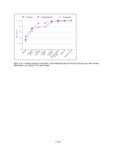
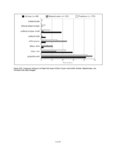
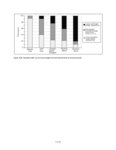
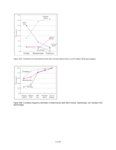
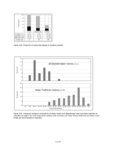
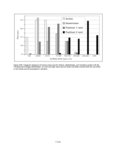
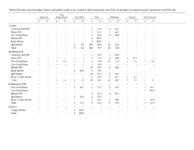
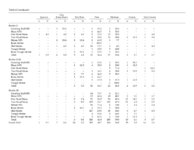
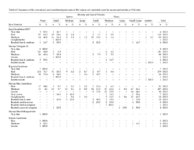
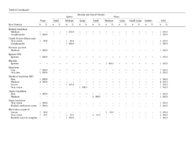
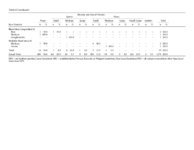
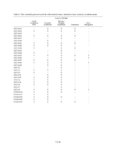
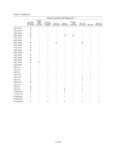
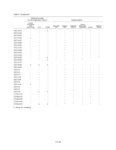
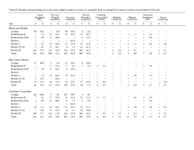
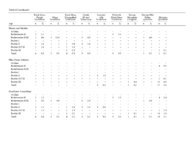
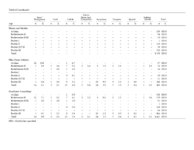
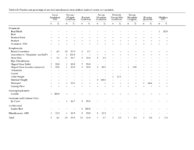
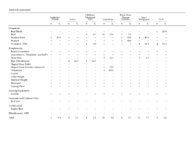
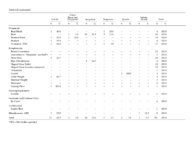
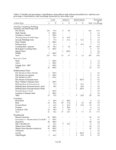
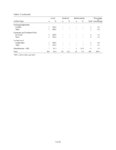
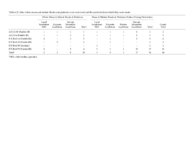
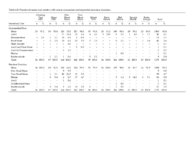
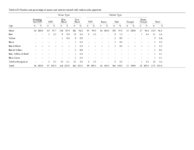
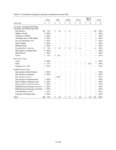
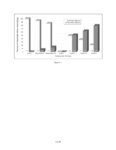
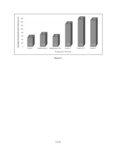
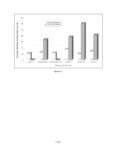
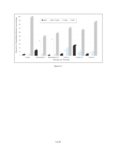
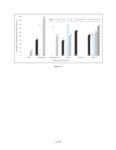
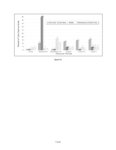
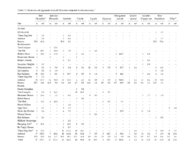
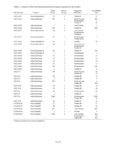
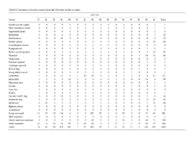
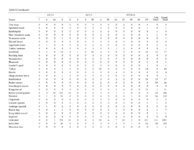
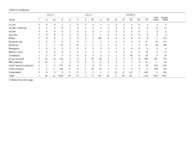
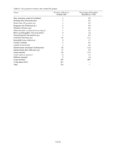
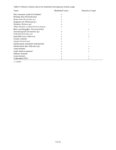
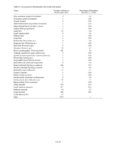
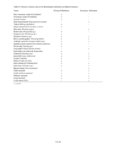
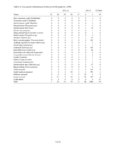
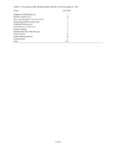
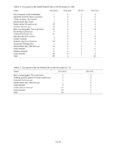
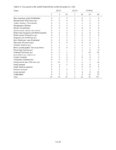
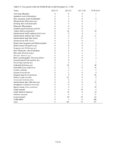
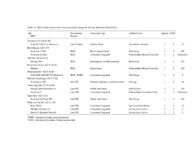
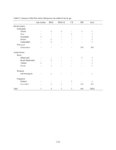
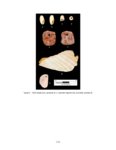
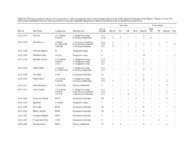
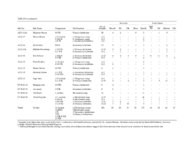
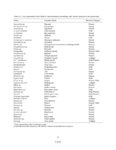
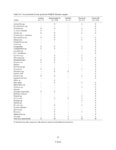
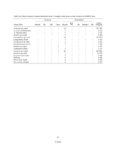
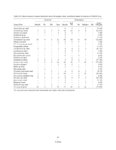
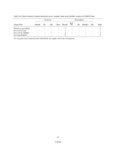
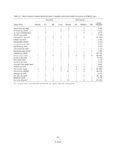
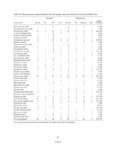
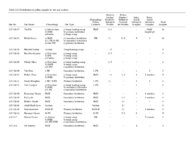
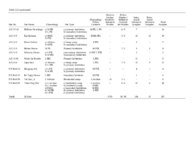
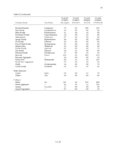
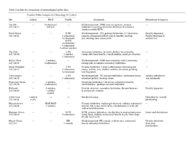
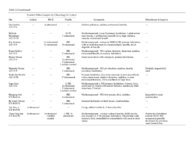
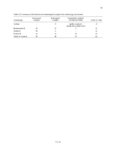
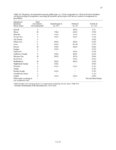
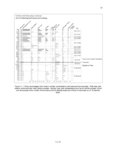
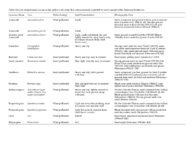
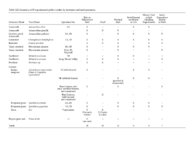
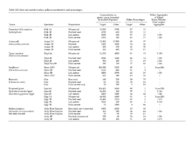
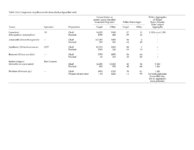
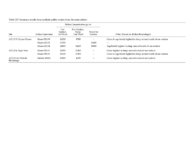
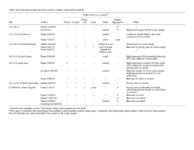
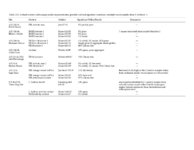
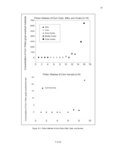
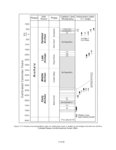
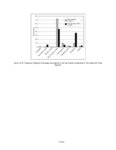
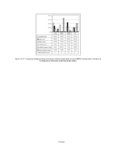
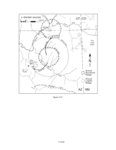
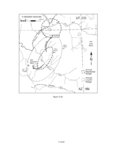
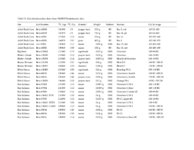
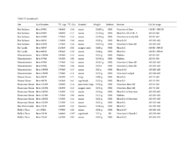
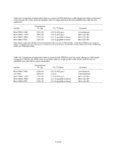
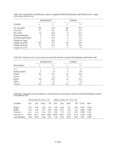
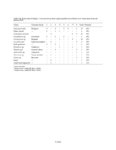
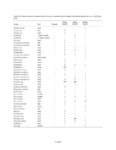
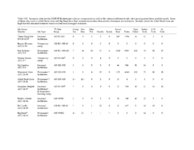
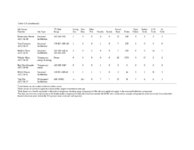
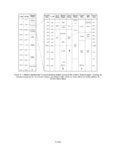
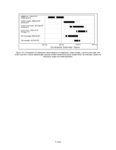
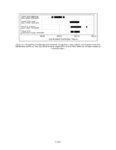
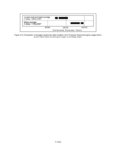
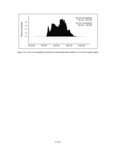
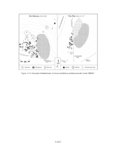
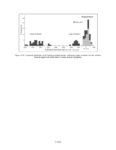
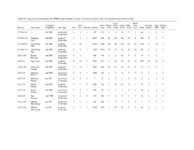
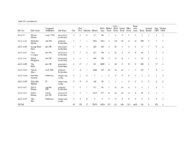
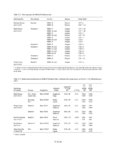
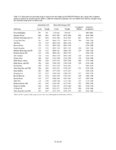
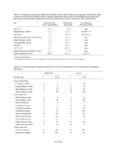
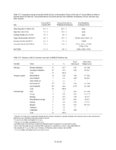
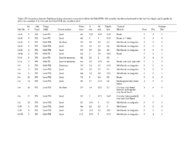
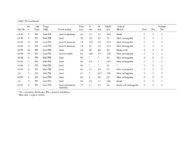
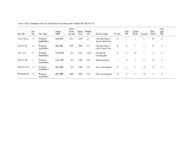
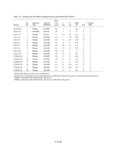
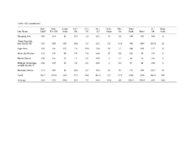
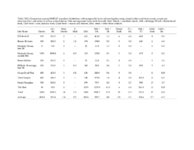
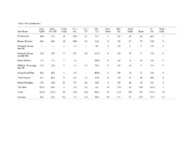
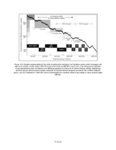
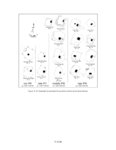
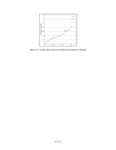
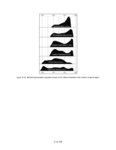
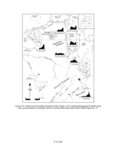
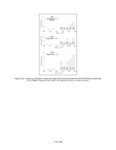
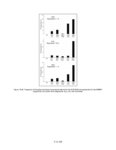
Show averaged (2100 ± 42 BP), resulting in a calibrated two-sigma range of 350 BC to AD 10. Panorama House provides an even better test case because the comparative samples came from a single structure-juniper seeds from the burned roof fall of the floor fill and maize from the interior hearths; there are also dates on maize from the associated midden and an extramural hearth. Excavators speculated that the numerous carbonized juniper seeds that occurred within the burned roof fall layer of structure floor fill were derived from green boughs that helped to form the closing material for the superstructure. Any scavenged dead juniper trees or limbs used in the roof and walls would not have retained seeds. Thus, a juniper seed date in this case should closely correspond to the actual construction event. Nonetheless, in this case there is a 60-110 radiocarbon year discrepancy between the maize dates and the juniper seed (see Table 14.1). The four maize dates form a tight group between 1710 and 1760 radiocarbon years ago, but the juniper seed yielded an assay of 1820 BP. The maize dates are statistically the same and can be averaged (1730 ± 26 BP) resulting in a calibrated two-sigma range of AD 240-390. Despite some overlap with the two-sigma calibrated range of AD 70-340 for the juniper seed, the maize is younger. One plausible account for the discrepancy is that the sediment used to cover the structure included duff from under juniper trees and thus old seeds, which became carbonized when the superstructure burned. The use of dead juniper trees for the superstructure is indicated by the 1890 ± 40 BP radiocarbon date on the outer rings of a burned timber from the floor, which is even more at odds with the maize dates but is statistically the same as the juniper seeds. The average of the timber and juniper seed is about 130 years older than the maize average, with no overlap at the calibrated two-sigma range (Figure 14.5). Had the dated juniper seeds come from the hearth fill for this house then the dates may have been similar based on the argument given previously. Maize and Inter-laboratory Comparisons Following the first year of NMRAP data recovery excavations, Beta Analytic received an initial batch of radiocarbon samples, several of which came from the Basketmaker II habitation of The Pits. After pretreatment and preparation of graphic targets, Beta forwarded all AMS samples to Lawrence Livermore National Laboratory in California (CAMS), one of the consortium of laboratories that provides AMS dating for Beta. Upon receipt of the results for this first group (73000s Beta sequence), we submitted a second batch of samples, including several more from The Pits in order to date more of the site's numerous features. This time Beta forwarded the samples to the Eidgenossische Technische Hochschule (ETH) University in Zurich, also one of Beta's consortium of AMS laboratories. This second batch of samples (79000s Beta sequence) had ages that appeared somewhat at odds with those of the previous samples from The Pits. The three dates on corn obtained by CAMS formed a tight group: 2230 ± 60 BP, 2190 ± 60 BP, and 2180 ± 60 BP (see Table 14.1). The two subsequent maize dates obtained by ETH were clustered together in the 1900s BP (1990 ± 60 and 1920 ± 50). Early farmers conceivably occupied the site for the length of time suggested by all five maize dates, but it seemed odd that the results from different laboratories would pattern as they did. Whereas the three CAMS maize dates are contemporaneous or statistically the same, as are the two ETH maize dates, together all five are significantly different. Moreover, two of the divergent samples are from the same surface structure (2230 ± 60 BP [CAMS] and 1990 ± 50 BP [ETH]), a feature with a probable use-life of about a decade. At first glance there seemed a plausible explanation for the discrepancy because the delta 13C values provided by ETH at -15.3‰ and -6.4‰ are well beyond the norm for maize (e.g., Bender 1968; Creel and Long 1986: Table 1; Stuiver and Polach 1977: Figure 1; Tieszen and Fagre 1993) and quite different from the delta 13C measurements provided by CAMS, which had an average of -11.2‰ (normal for maize). An error in the measurement of the 13C/12C ratio by ETH could account for much of the inter-laboratory difference in radiocarbon ages. Might different measurement techniques account for the variant delta values? ETH's measurements were made simultaneous with the actual counting of carbon isotopes for dating and might therefore include the effects of fractionation in the AMS beam or during sample preparation to graphite, whereas the CAMS's delta 13C measurements were measured on the CO2 derived from combustion of the original sample, thereby providing the more geochemically correct value. Ron Hatfield (personal communication 2001) of Beta Analytic explained that while the ETH delta values may appear incorrect, the reported conventional ages have been corrected for any additional fractionation effects using measurements of the 13C/12C ratio during the combustion to CO2 (this has been done since 1994). If the odd delta 13C values for maize obtained by ETH had not affected the sample ages, then a lack of inter-laboratory comparability seemed likely. Consequently, we submitted a third set of four maize samples from The Pits. This time the samples went to the NSF-Arizona AMS Facility at the University of V.14.10 |