| OCR Text |
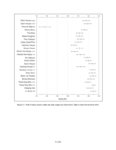
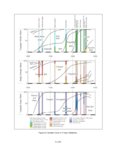
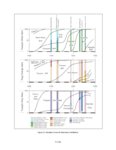
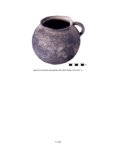
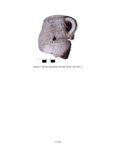
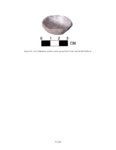
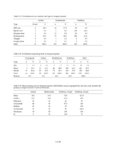
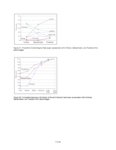
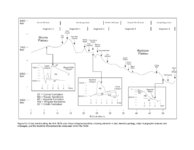
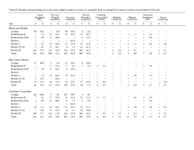
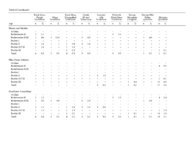
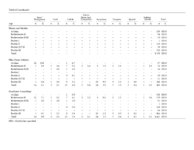
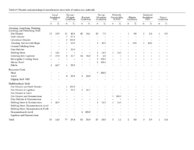
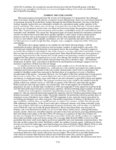
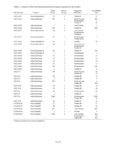
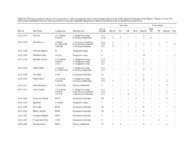
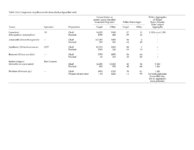
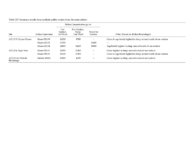
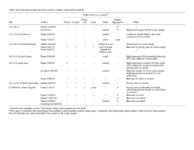
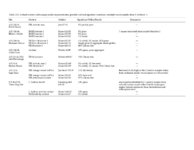
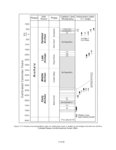
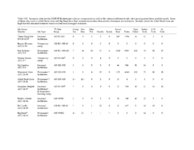
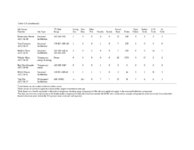
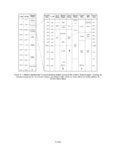
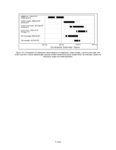
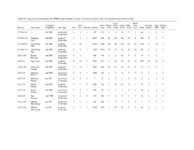
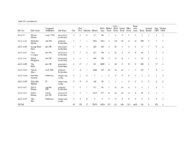
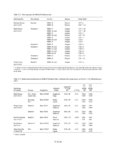
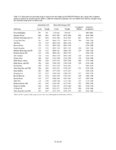
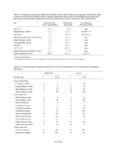
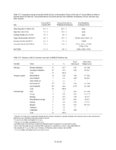
Show example, no early pottery is reported from the AD 200-400 Grand Gulch phase of Cedar Mesa (Matson 1991; Matson et al. 1988). Whatever selective advantage or benefit of pottery, it was not equally perceived or acted upon in the short run. Pottery was but one of the technological or biological innovations during the early centuries of the Christian era (ca. AD 200-600) that individual households apparently decided whether or not to use according to their own cost/benefit calculations. Some of these new traits may have been directly linked, such as pottery and beans, but apparently not in LeBlanc's (1982) sense of a trait complex. Innovations were adopted at various times by different households for different reasons and with different temporal and spatial patterns to acceptance (bow technology also apparently entered the Southwest from the north rather than the south [Blitz 1988] as was true for many traits such as beans). Attempts to provide a single explanation embracing all or most aspects of change in Basketmaker culture (e.g., Glassow 1972) do not hold up once better temporal control shows that changes in various aspects of culture and adaptation are not necessarily coextensive. Indeed, the notion of temporally coincident changes in multiple traits from Basketmaker II to Basketmaker III may be in large part a byproduct of the stage concept. Intra- and interregional variability in the adoption of new traits likely stems from many different sources, including variations in information flow mediated by kinship or other social forms, proximity to long-standing travel/exchange routes, generational differences in the acceptance of novelties, community/household conservatism, and variable perceptions as to the costs versus benefits of innovation, concerning both the practicalities of energy expenditure and social concerns. To investigate these and more substantive issues it may help to treat each aspect of culture or each archaeological measure of behavior as a separate variable plotted against the dimensions of time and space. To examine the Basketmaker II-III transition I have relied upon radiocarbon dating for temporal ordering but would have preferred the precision of tree-ring dating (the poor success with this method for the Basketmaker sites of the N16 excavations is probably typical for this early time). Reliance on radiocarbon dates is unlikely to change anytime soon, and unfortunately, this technique imposes its own limitations in the form of broad temporal ranges for even the best samples. Because temporal resolution in an ideal case is on the order of about six generations (see Smiley 1985:86-92), we must be circumspect about our ability to describe change, let alone explain it. Our concept of Basketmaker III seems to be the outcome of the adoption and successful incorporation of technological and biological innovations during the Basketmaker II-III transitional interval. These innovations stimulated subsequent developments, the most important and interesting of which seem to have been social in nature. Rather than population growth being a cause for the adoption of new traits (as per Glassow 1972), the reverse may have happened. Prior adoption of traits that provide the traditional hallmarks of the Basketmaker III stage may have resulted in population growth during Basketmaker III. This growth would have precipitated experimentation with new social forms, as evidenced by multifamily settlements and integrative structures, laying the foundation for future developments. V.14.58 |