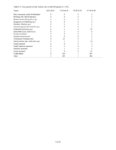
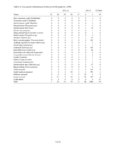
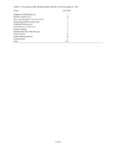
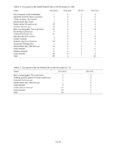
| OCR Text |
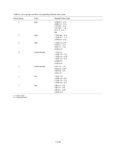
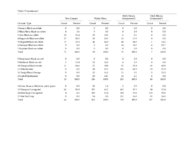
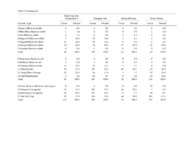
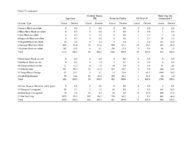
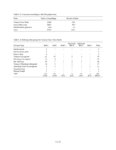
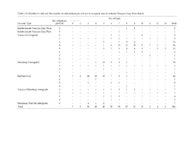
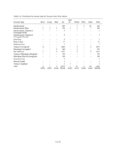
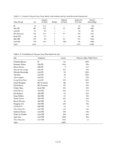
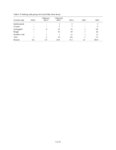
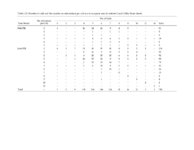
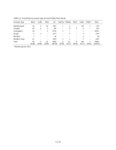
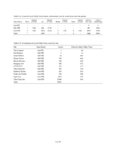
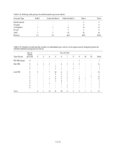
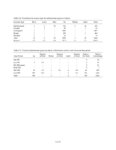
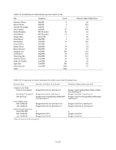
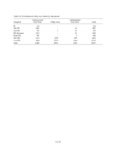
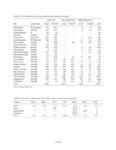
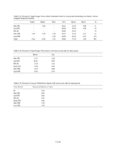
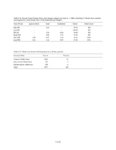
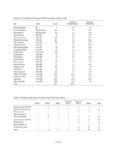
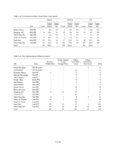
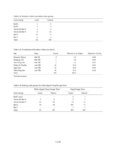
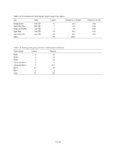
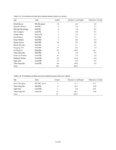
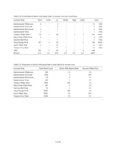
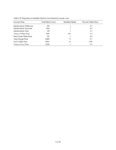
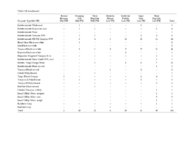
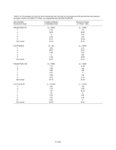
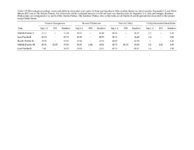
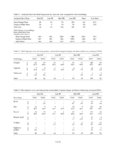
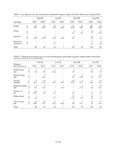
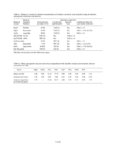
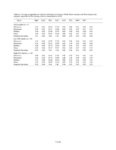
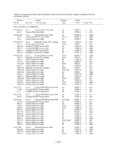
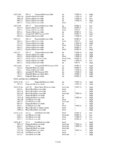
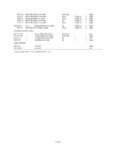
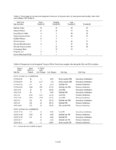
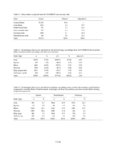
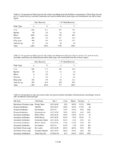
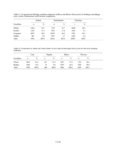
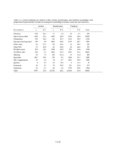
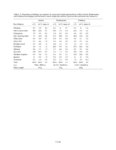
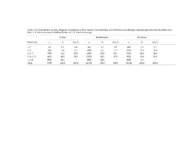
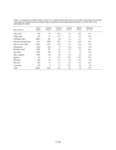
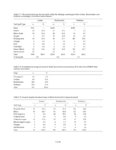
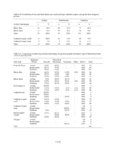
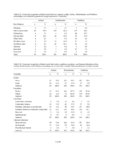
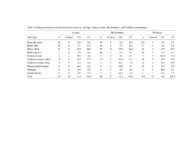
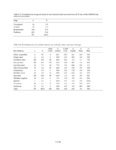
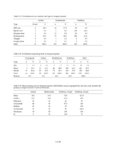
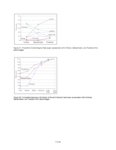
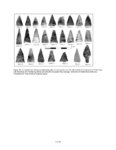
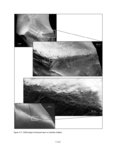
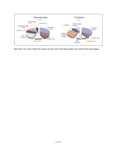
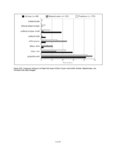
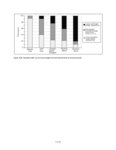
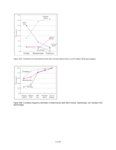
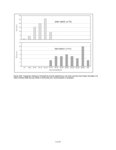
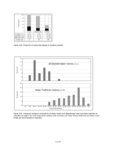
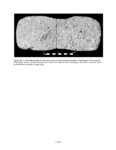
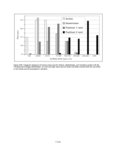
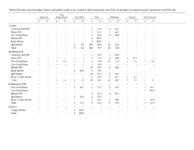
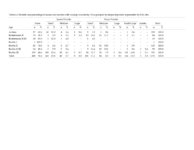
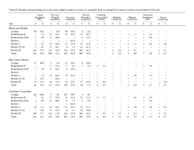
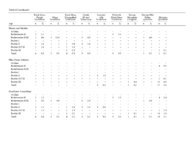
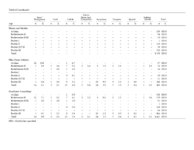
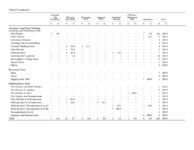
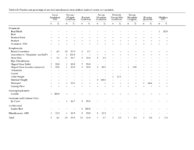
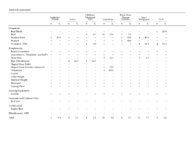
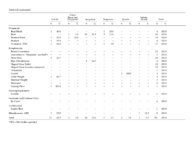
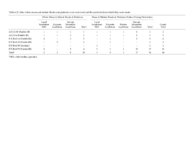
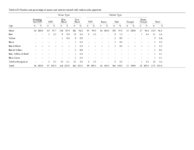
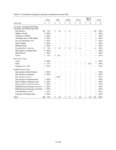
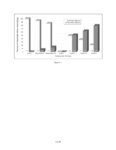
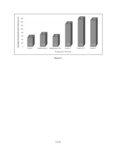
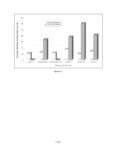
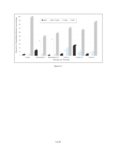
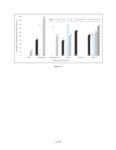
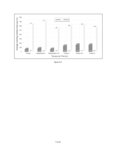
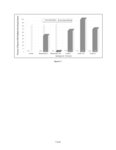
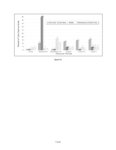
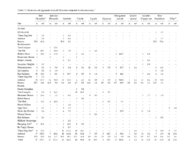
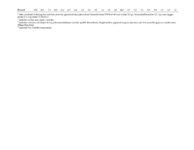
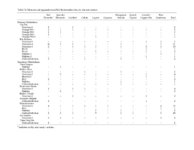
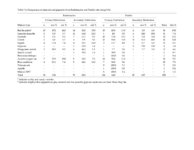
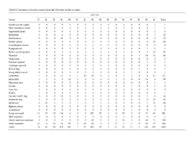
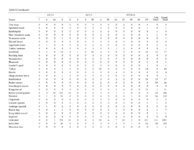
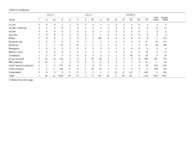
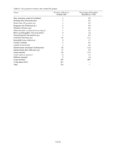
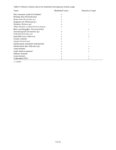
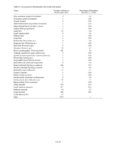
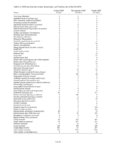
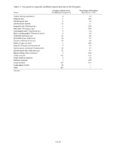
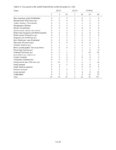
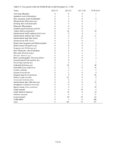
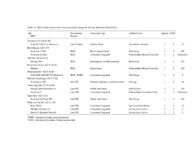
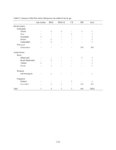
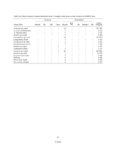
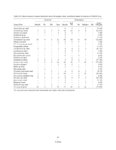
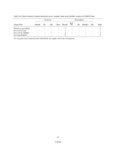
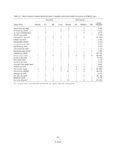
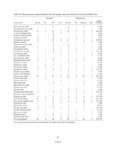
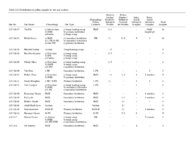
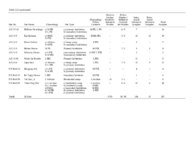
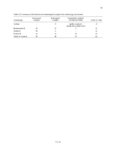
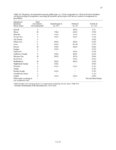
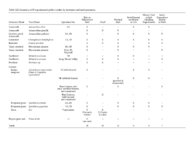
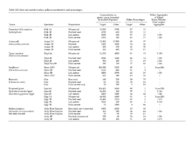
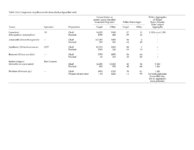
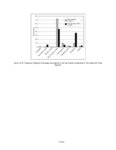
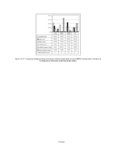
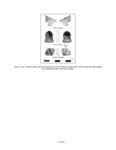
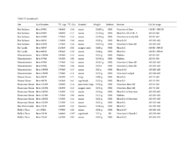
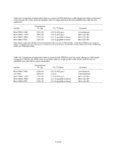
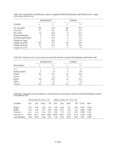
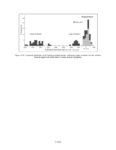
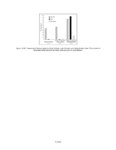
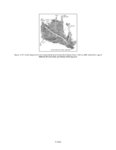
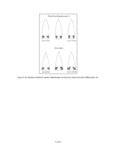
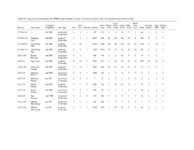
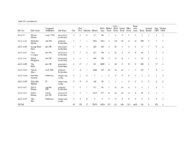
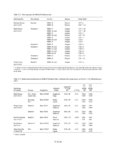
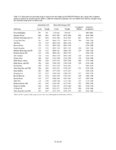
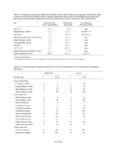
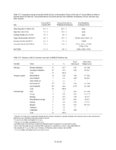
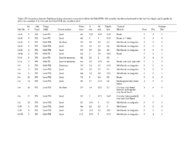
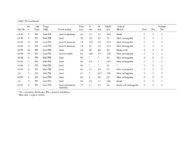
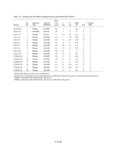
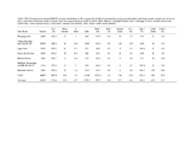
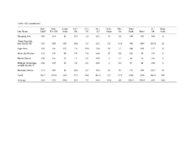
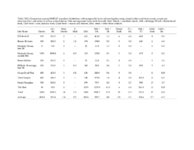
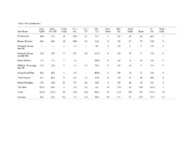
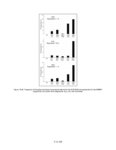
Show formulators of the Pecos classification (Kidder 1927) and therefore transitional in residential mobility. Given that the Basketmaker assemblage is more like the Puebloan than the Archaic assemblage, the data may indicate that Basketmakers were not simply midway in technology between hunter-gatherers and farmers, but were more like Puebloan farmers. Admittedly this is a tenuous inference, but there are other lines of evidence, both in the stone artifact data and in other aspects of the archaeological record, that support such a conclusion (see Chapter 14). Nelson (1994) reached a similar conclusion in comparing Basketmaker II, Basketmaker III, and Puebloan lithic assemblages for Cedar Mesa. It is important to point out the Archaic assemblages reported here come from sites that lack evidence of domesticates, even those sites dating to the late Archaic at a time when maize is known to have been present on the Colorado Plateau. This is in contrast to the assemblages that come from Basketmaker sites, virtually all of which produced evidence of domesticates (maize cobs or portions thereof and kernels). As discussed in Chapters 13 and 14 of this volume, the late Archaic sites investigated by the NMRAP are thought to reflect the continuation of a foraging lifestyle by groups who had not adopted the use of cultigens and are not the foraging components of Basketmaker populations living in the Kayenta region (cf. Smiley 2002a:30). The different proportions of flake types between the Archaic and Basketmaker periods are thus registering a change in technology that must in no small part relate to the profound alternation of subsistence focus between these two intervals and attendant changes in settlement and technological organization. Percussion biface reduction was an important aspect of Basketmaker technology because the atlatl and dart comprised the principal tool for big game hunting and warfare. Western Basketmakers made large well-formed dart points that were thinned and shaped by percussion flaking (probably indirect percussion; Geib 2002, 2004); they also made larger hafted knives beautifully thinned by percussion flaking. Pressure flaked arrow points had replaced percussion flaked dart points by Basketmaker III, so it is easy to envision why Puebloan assemblages would be greatly diminished in the proportion of biface thinning debris. Large percussion-thinned hafted knives continued in use during Puebloan times, but these appear to have been less common than during Basketmaker II and their production might have become more specialized, perhaps occurring in locations other than residential sites. Despite arrow point production by pressure flaking during Puebloan times, the proportion of pressure flakes is lowest in the Puebloan assemblage, at just 6 percent, substantially down from 41 percent during the Archaic period. Part of this might relate to different screening methods, in that 1/8" mesh was used for all cultural fill from Archaic sites, whereas this finer mesh was used only for more select proveniences at Puebloan sites (structure floors and floor fill, in situ feature fill, and midden samples). Less common use of the smaller mesh at Puebloan sites may have underrepresented diagnostic smaller debris relative to larger debris. This possibility can be gauged using the debitage from the two Puebloan components of Three Dog Site, which yielded the largest sample of Puebloan flakes and had the highest proportion of debris from flaked facial tools such as bifaces. The counts and proportions of Puebloan flakes according to the six basic types are listed in Table 5.4 for total recovery and for 1/8" mesh recovery. The noticeable increase in the proportion of small pressure flakes at the expense of larger core flakes in the 1/8" mesh recovery confirms that screen size can affect flake proportions. However, this will not invariably result in an increase in the proportion of pressure flakes, as is shown by the same tabulation of flake types for the Pueblo II residence of Hammer House (Table 5.5). This site is more typical of Puebloan assemblages of the area with a distinct lack of evidence for debitage from flaked facial tools. The proportion of core flakes recovered by 1/8" mesh is markedly reduced from the total assemblage, but it is edge preparation and tool refurbishing flakes/spalls that account for the change (virtually all of which come from pecking stones) and not pressure flakes. These sorts of inter-site differences in flake types are explored in greater detail later, and in the Puebloan period they appear to relate, at least in large part, to somewhat specialized production accompanied by more evidence of hunting at Three Dog Site. Compared to the Archaic assemblage, the Basketmaker assemblage has substantially fewer pressure flakes relative to percussion biface flakes. The ratio of biface to pressure flakes in the Archaic assemblage is basically 1:1, whereas for the Basketmaker assemblage this ratio is 2:1. This may be a reflection of the extent to which Basketmaker flintknappers relied upon percussion flaking rather than pressure flaking to finish their projectile points and other bifacial tools (Geib 2002:291). In contrast, Archaic flintknappers commonly finished their projectile points by pressure flaking, with this technique alone used to fashion some points (i.e., no percussion thinning). The comparison of flake scars in Geib's (2002) Figure 18.12 between a western Basketmaker dart point finished except for notches and an Archaic dart point is illustrative of the difference in point finishing techniques (see Chapter 14 of this volume). This is part of the evidence that appears to support the argument that the initial farmer-forager populations for the V.5.12 |