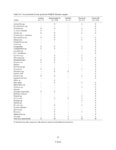
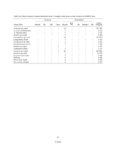
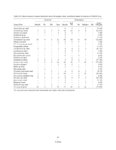
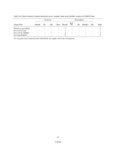
| OCR Text |
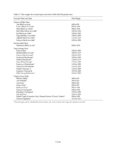
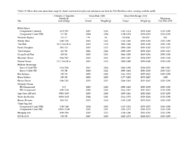
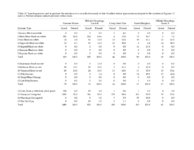
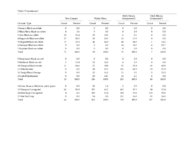
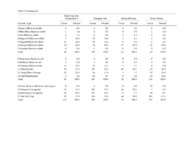
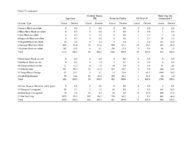
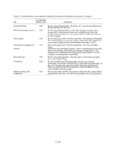
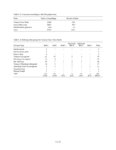
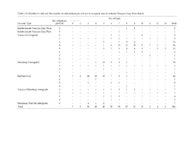
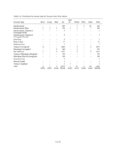
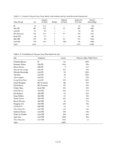
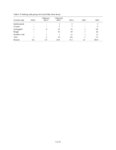
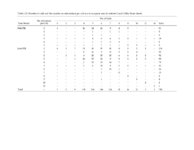
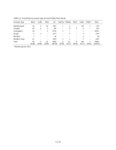
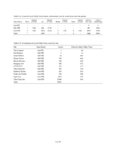
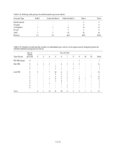
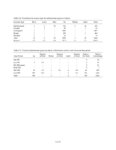
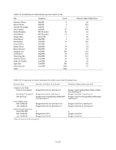
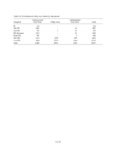
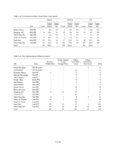
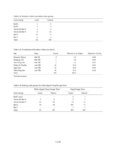
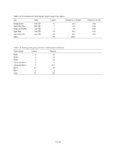
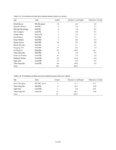
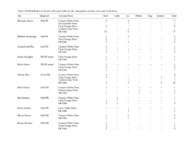
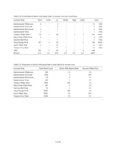
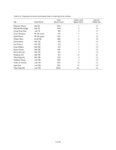
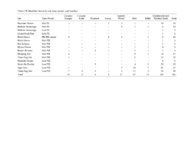
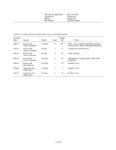
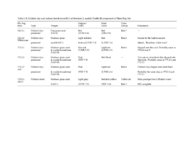
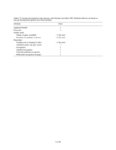
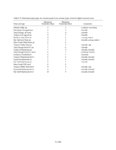
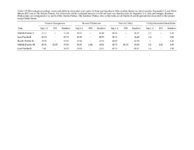
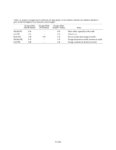
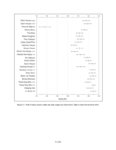
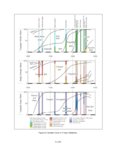
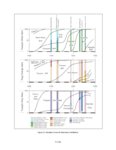
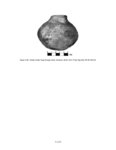
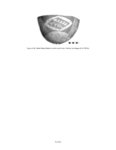
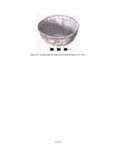
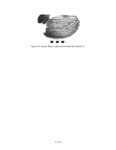
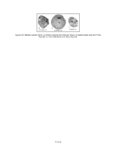
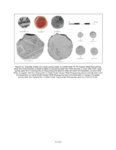
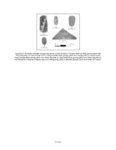
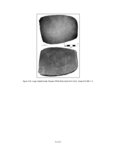
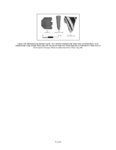
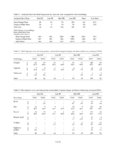
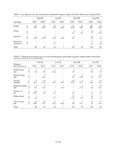
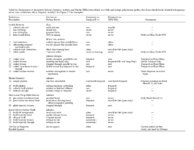
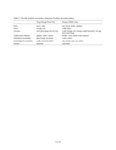
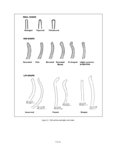
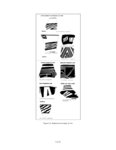
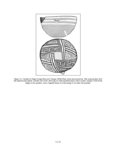
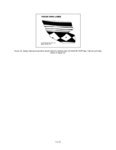
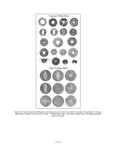
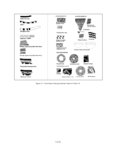
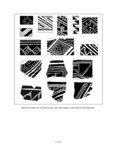
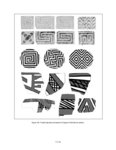
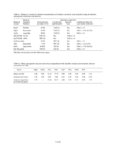
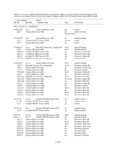
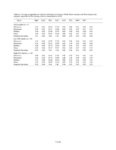
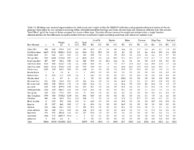
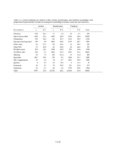
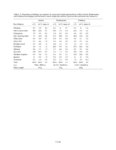
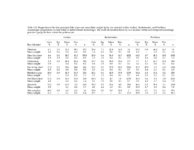
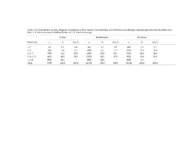
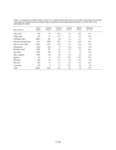
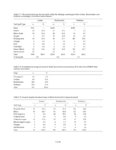
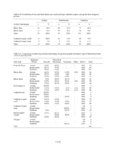
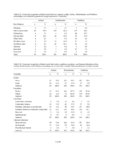
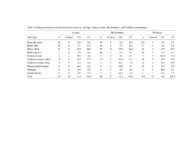
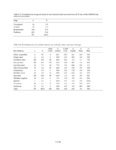
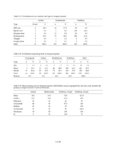
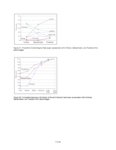
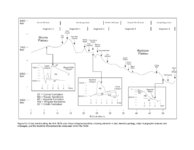
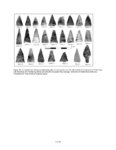
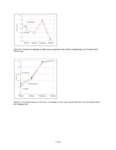
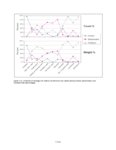
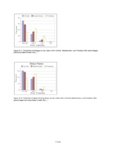
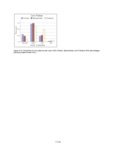
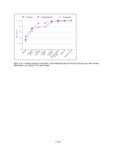
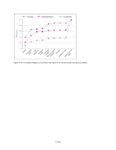
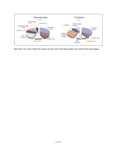
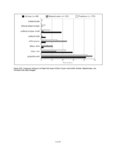
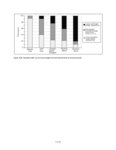
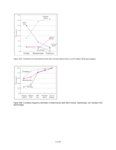
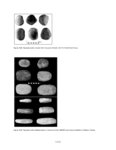
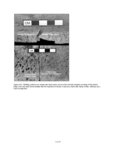
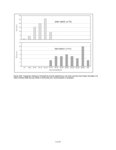
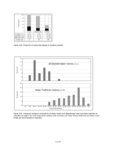
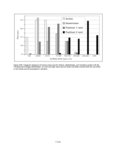
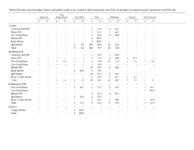
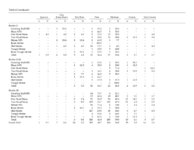
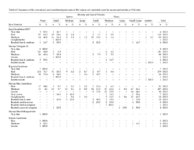
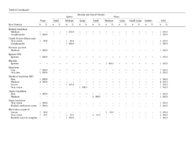
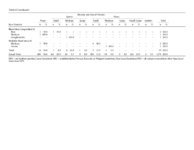
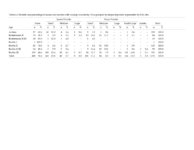
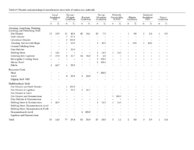
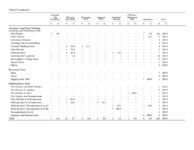
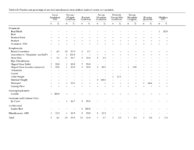
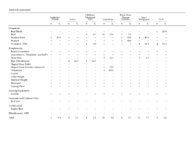
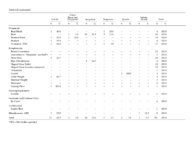
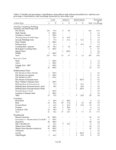
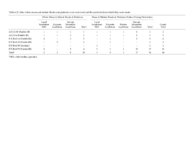
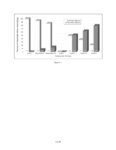
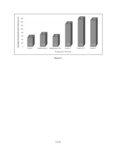
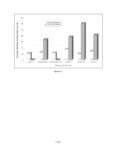
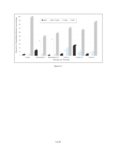
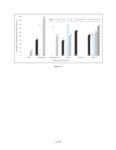
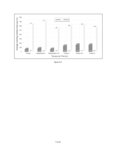
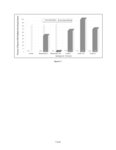
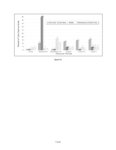
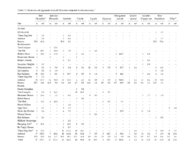
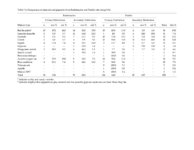
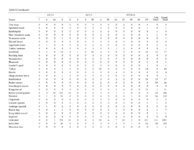
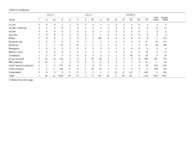
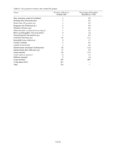
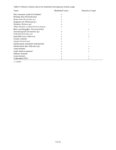
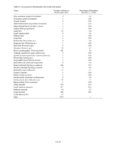
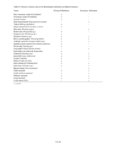
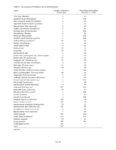
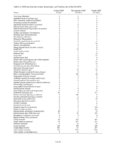
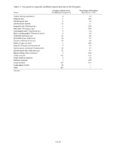
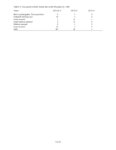
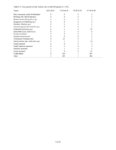
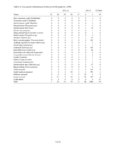
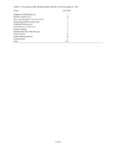
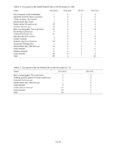
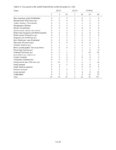
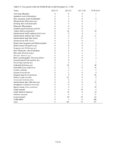
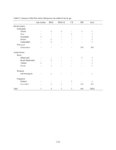
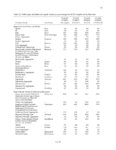
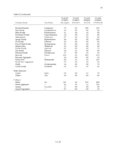
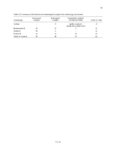
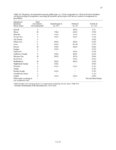
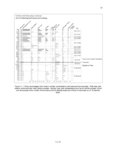
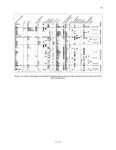
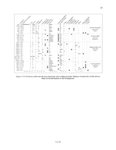
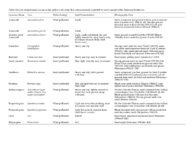
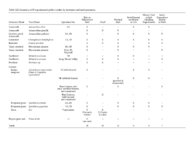
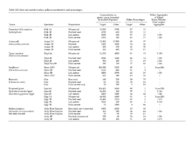
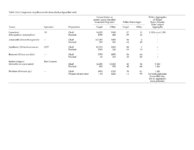
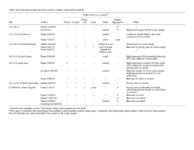
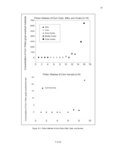
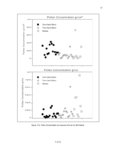
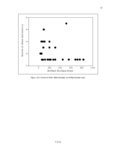
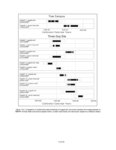
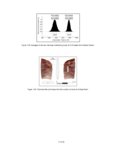
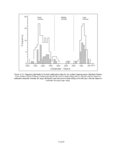
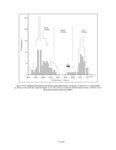
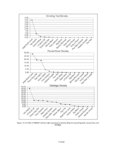
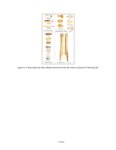
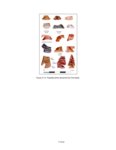
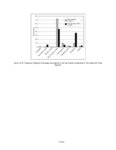
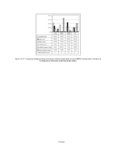
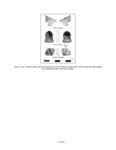
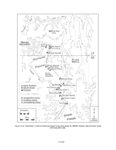
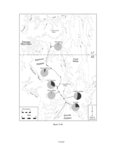
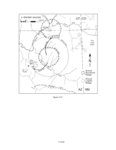
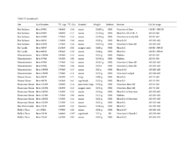
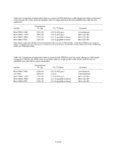
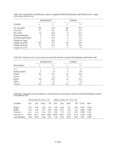
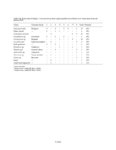
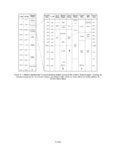
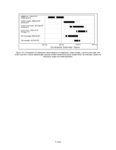
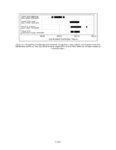
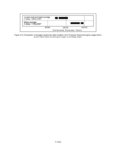
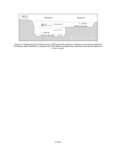
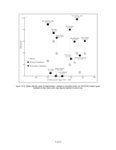
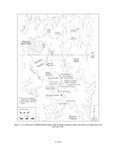
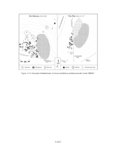
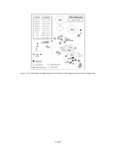
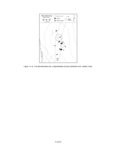
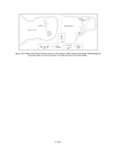
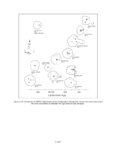
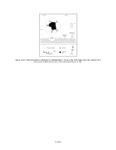
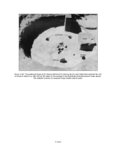
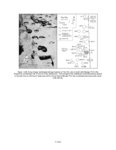
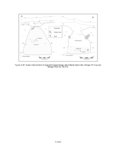
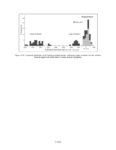
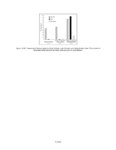
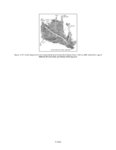
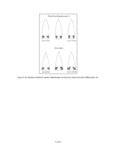
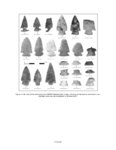
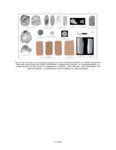
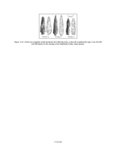
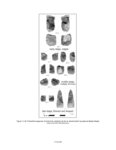
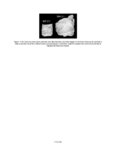
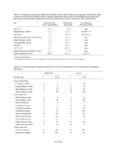
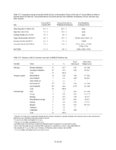
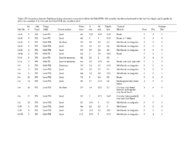
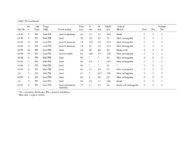
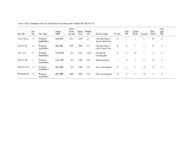
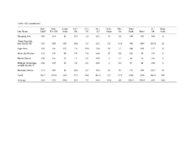
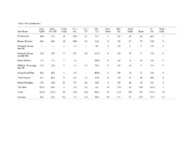
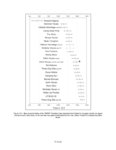
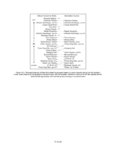
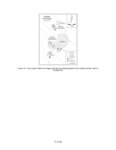
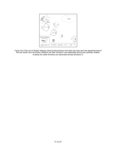
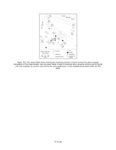
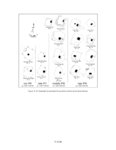
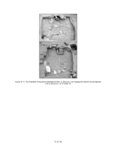
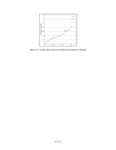
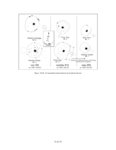
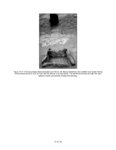
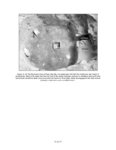
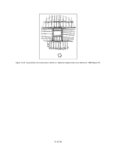
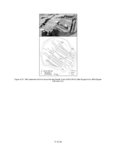
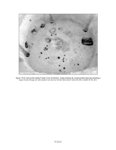
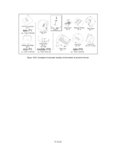
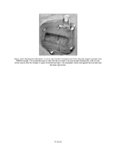
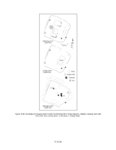
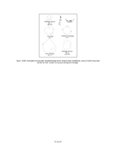
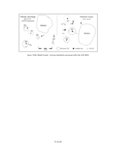
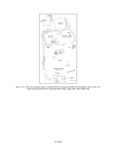
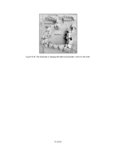
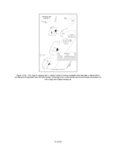
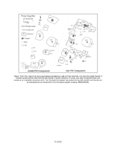
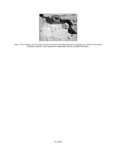
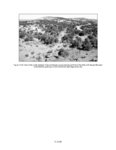
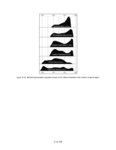
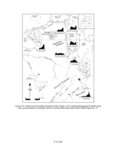
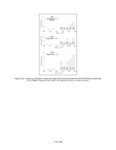
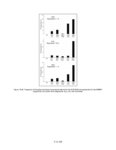
Show categories of production investment, from high to low (Figure 5.22). It should be noted that drills were included along with thick bifaces and bifacially edged tools in the medium category; some of the drills- especially those at Basketmaker sites-have considerable production investment, but not all. The Archaic assemblage includes just four tools of Owl Rock chert, so the trend here is perhaps dubious. The highinvestment tools are projectile points and thin bifaces, but in the Archaic case there are no points of Owl Rock. Although Archaic foragers tended to disfavor this raw material, this might have something to do with site type. For example, the Archaic deposits at Atlatl Rock Cave contained mostly Owl Rock chert (see Chapter 2 of Volume II) and this cave appears to have functioned mainly as a forager residential camp. It is clear that Puebloans favored this material for low-investment tools, a finding that would be all the more obvious had cores and used flakes been added in, since many of these are of Owl Rock chert (just under 20% of Puebloan used flakes and 25% of cores). Despite the moderately intractable nature of this material, especially when compared with say Glen Canyon chert, Basketmaker flintknappers did not shy away from using it for biface production, including thinned and shaped forms and even projectile points. Basketmakers not only used Owl Rock chert more frequently for facial flaked tools than did Puebloans, but they also often used it for different tool forms (Figure 5.23). Puebloans, in contrast, used Owl Rock chert chiefly for unthinned tools, especially large (clunky) scrapers, but also choppers and thick bifaces. Most of the thick bifaces in the Puebloan assemblage do not appear like they were ever intended to be thinned further; they were simply heavy-duty large bifacial tools. The three projectile points of Owl Rock in the Puebloan assemblage include an Elko Corner-notched and a western Basketmaker dart point, both probably scavenged, so just a single arrow point of this material may have been produced by a Puebloan. The Basketmaker assemblage shows the expected pattern for using this raw material in a bifacial reduction sequence where the objective was to end with thinned tools, because in addition to the thick bifaces there is a sizable proportion of thin bifaces, plus quite a few projectile points and drills. For whatever reason, Basketmaker flintknappers seem to have been more willing than Puebloan flintknappers to use more intractable material in biface reduction. It is unlikely that there were substantial differences in mobility that could account for this pattern and if anything Basketmakers may have had a higher degree of mobility than Puebloans, thus potentially more ready access to higher-quality materials. Another example of differential raw material use is seen with petrified wood. As with Owl Rock chert, the Archaic assemblage has too few tools of this material to be informative. Pie charts for the Basketmaker and Puebloan assemblages (Figure 5.24) reveal that petrified wood was equally favored for projectile points, but that Basketmaker knappers commonly used it for drills and other bifaces whereas Puebloan knappers produced many scrapers from the material. This material has a higher representation in the tools than it does in the debitage for both the Basketmaker and Puebloan assemblage. Quartzite, another somewhat intractable material, also reveals a pattern of differential use by Basketmakers and Puebloans. The sample of Basketmaker tools is small, just seven, but six of these (86%) are projectile points and the seventh is a thin biface. In contrast just 11 percent of the quartzite tools in the Puebloan assemblage are projectile points (2 of 27), with 26 percent being unthinned forms such as scrapers and choppers. Glen Canyon chert accounts for the largest proportion of the facial flaked tools in all three assemblages: more than half in the Archaic, close to this in the Puebloan, and more than 40 percent in the Basketmaker. This generally high quality material was preferred by all groups for projectile point production (Figure 5.25), with 42 percent of these in the Archaic assemblage made of this material, 48 percent in the Basketmaker assemblage, and 43 percent in the Puebloan assemblage. After this, there are various distinctions in how the material was used. The spike in frequency for drill forms in the Basketmaker assemblage is probably the result of recycling projectile points of this material, a common practice during Basketmaker II. This might explain the comparative drop in thin bifaces of this material- broken tools were reworked into drills. The low incidence of drills in the Archaic assemblage is because there are few drills overall; indeed just two were identified and, as it happens, both were of Glen Canyon chert. Other Variables Several of the other variables recorded for the flaked facial tools showed patterns worth noting (Table 5.23). Cortex reveals an interesting trend because it is opposite that seen for debitage, where the Archaic assemblage had the lowest representation, with 96 percent of the flakes lacking any, whereas 85 percent of the Puebloan flakes lacked cortex. Given this, it would seem that Archaic flaked tools should have a lower proportion of cortex than Puebloan flaked tools, yet the opposite is true. More than 20 percent of the Archaic tools exhibited some cortex, but just 10 percent of the Puebloan tools. A probable reason for V.5.33 |