| OCR Text |
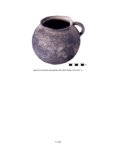
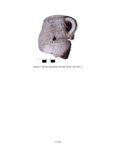
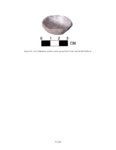
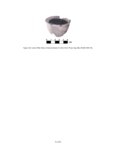
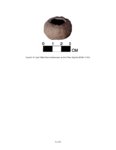
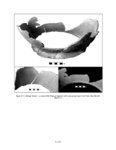
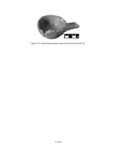
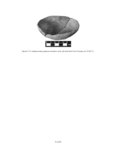
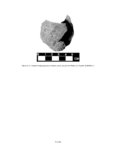
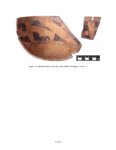
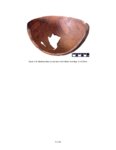
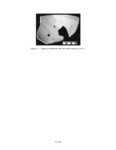
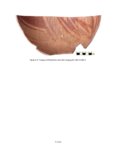
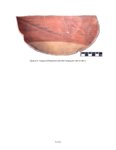
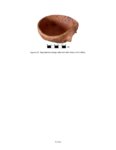
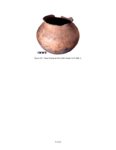
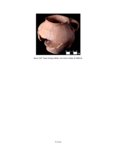
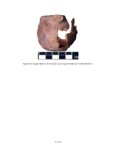
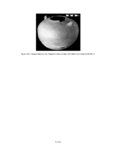
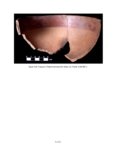
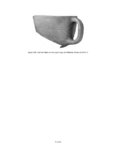
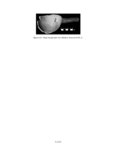
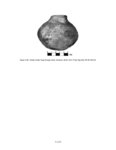
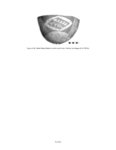
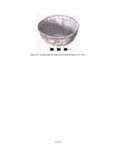
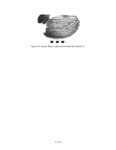
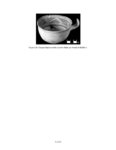
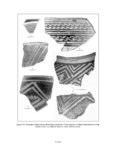
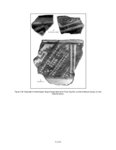
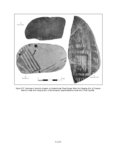
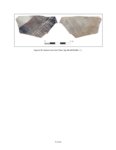
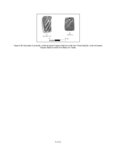
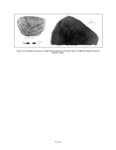
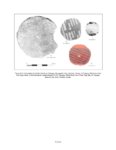
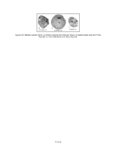
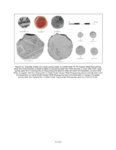
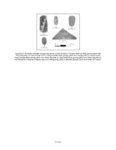
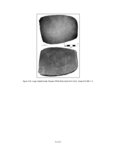
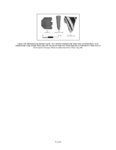
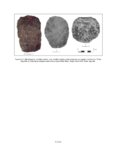
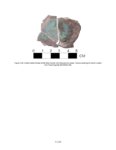
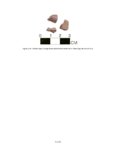
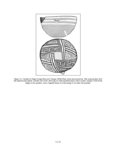
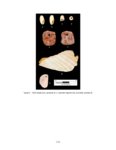
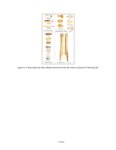
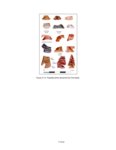
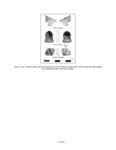
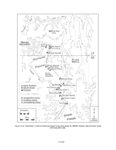
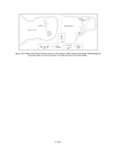
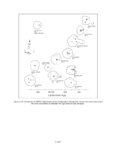
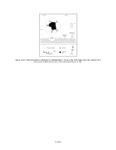
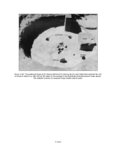
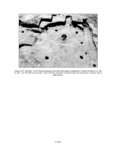
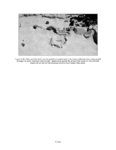
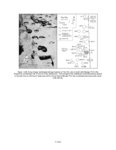
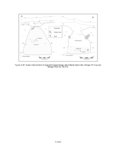
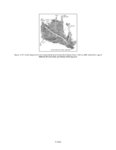
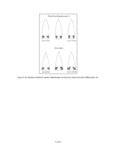
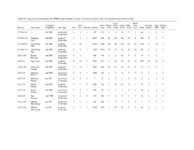
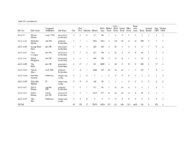
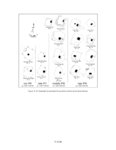
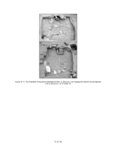
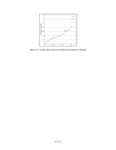
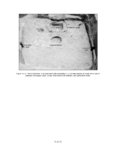
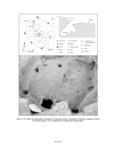
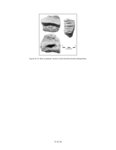
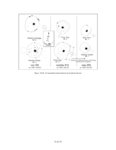
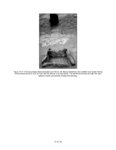
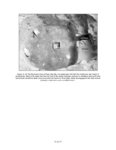
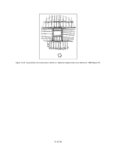
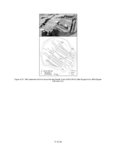
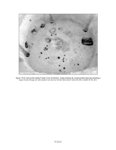
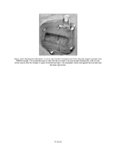
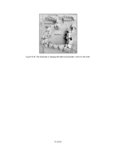
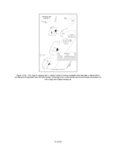
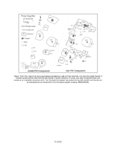
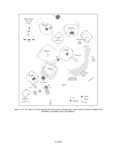
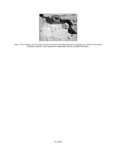
Show neck are heavily pitted, suggesting possible use over a fire, and some kind of abrasion or heat stress to the neck area. A Tsegi Orange pitcher, about 80 percent complete, came from Hymn House (PN 800; Figure 2.22). It has a 5.2 cm orifice diameter and 10 cm maximum diameter, and is 9.7 cm high and 4 mm thick. It is globular with a flattened base, slightly abraded from use. A small strap handle consists of three joined coils that join the neck with the upper shoulder; the coils were laid side by side to form a handle about 2 cm wide. The exterior base has a fire cloud but no soot or other residues are visible. The rim is abraded almost all the way around, except near the handle. Its original Munsell color ranges from 5YR 6/6 to 2.5YR 6/8. A chip refired to 2.5YR 6/8 in color group Red 6, indicating that parts of the vessel were fully oxidized in the original firing and some were not. A Tsegi Orange bowl, about 35 percent present, with straight wall and rim and beveled lip, and a flattened base, was recovered at Three Dog Site (PN 1380). It was probably about 23 cm in diameter and 10.8 cm high, and is 4-5 mm thick. The interior has no soot, abrasion, or residue, but the exterior has soot and spalling on the base, and very slight basal abrasion. It may have been used over a fire or coals. Additional sherds from Three Dog Site (PN 966) make up about 40 percent of an untyped Tsegi Orange Ware bowl that may have been reused as a scoop. It is 4 mm thick, but not enough of the original vessel is present to estimate vessel dimensions. It has a straight wall and rim and a round lip. The sherd has some exterior fireclouds, and was misfired all over to a gray color, 2.5Y7/1. No sample from this piece was refired. The sherd was recovered in part of a dismantled mealing bin, and may have been used as a scoop in that context, judging by chips and abrasion on the rim. Large sherds were frequently used in mealing bins where they rested on the catch slab under the end of the metate to collect the meal. The sherd also has soot deposits on interior and exterior surfaces. No decoration is visible. Late Pueblo III The seven reconstructed and partially reconstructed Tsegi Orange Ware vessels from Pueblo III contexts include miniatures, bowls, jars, a ladle, a cup or mug, and a canteen, the widest range of vessel forms for any time period. Types include Tusayan Black-on-red, Tusayan Polychrome, Kiet Siel Black-on-red, and Tsegi Orange. A Tusayan Black-on-red miniature cup or mug rim, about 35 percent complete, was recovered at Water Jar Pueblo (PN 724; Figure 2.23). It is polished and slipped red, with sherd temper and an S-shaped rim. Vessel walls are 3-4 mm thick, but not enough of the vessel is present to estimate dimensions. Its original Munsell color is 2.5YR 7/6; a sample refired to 2.5YR 6/8, color group Red 6. It has no fire clouds. Soot patches appear on both surfaces and edges, sides and base. No use-wear is evident. It has two attachments on the exterior surface for a vertical single coil handle with an oval cross-section. The handle had broken off and was not recovered. The exterior has black paint over red slip, except under the handle, where it is plain. Decoration consists of two rows of oblique hatched interlocking triangles, parallel to the rim, forming a simple horizontal band design. From a pit next to the kiva at Water Jar Pueblo (PN 764) came a Tusayan Black-on-red, Dogoszhi variety (partly slipped) canteen (Figure 2.24). It is about 95 percent present-only the neck and rim are missing. It probably had a very narrow opening or spout; the remaining opening is 6.6 cm in diameter. The body of the vessel is globular with a flattened base. It measures 19 cm in maximum diameter and has 16.5 cm of remaining height. We cannot say how tall the neck/spout was, but other vessels of this type have necks that are no taller than 5 or 10 cm. It has two handles-perforated lugs-on either side of the opening, on the upper shoulder. The perforations are about 5-6 mm in diameter and could have held a cord for suspension. The vessel holds 2500 ml. Walls are 5 mm thick. Fire clouds appear on the exterior surfaces of the lower walls and base, and there are soot deposits on the sides and base of the exterior surface. The base is abraded. Red slip covers the upper two-thirds of the vessel exterior; there is a black hatched design over the slip, too faint to read or draw. There are both old and new breaks around the neck. The old breaks in the neck area show some rounding, probably due to continued use after the neck broke away. The find context suggests that this vessel was being used in its current condition and indeed it was never discarded, just forgotten or left on purpose under a slab cover. Sherds from Water Jar Pueblo (PNs 789, 723, 513, 618, and 724) conjoin to comprise about half of a Tusayan B Polychrome bowl, with sherd temper, light polish, partial slip, and a straight wall and rim with a flat lip (Figure 2.25). The walls are 5.4-5.8 mm thick, and the bowl had a 20.3 cm maximum diameter and about 10 cm in estimated height. It has attachments for a horizontal strap handle, which has broken off and was not recovered. There are fire clouds near the rim, small patches of soot on both surfaces, and a small patch of abrasion on the exterior near the base. The interior has a 3.6 cm wide red ribbon of paint attached to and paralleling the rim. Over the red band are black corbelled lines between V.2.34 |