| OCR Text |
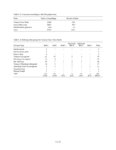
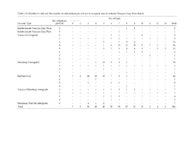
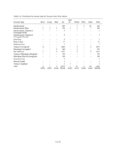
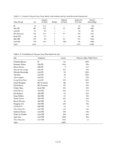
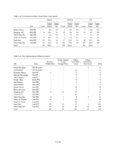
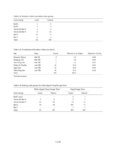
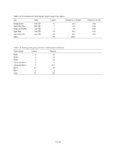
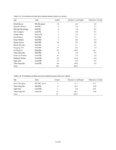
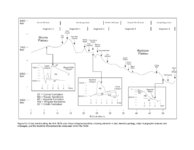
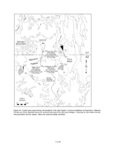
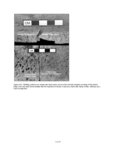
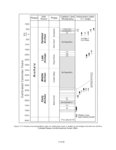
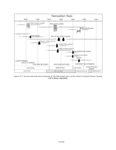
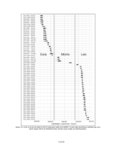
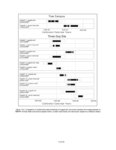
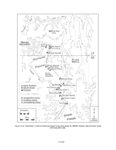
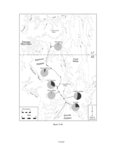
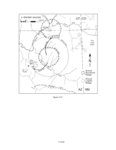
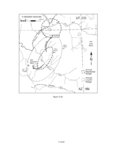
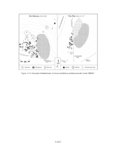
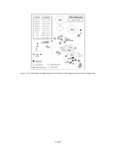
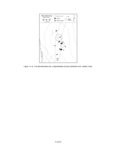
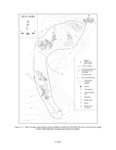
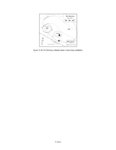
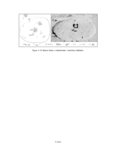
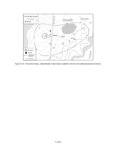
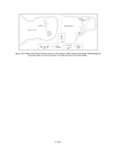
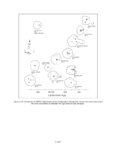
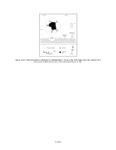
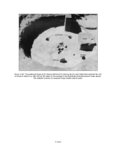
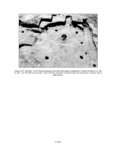
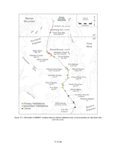
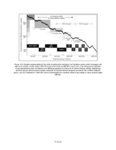
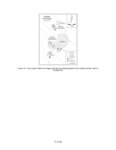
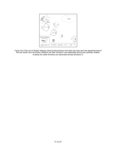
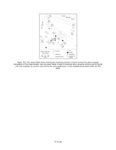
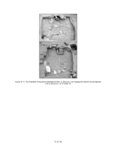
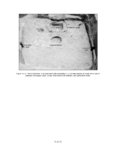
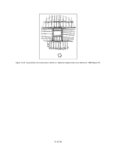
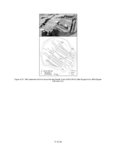
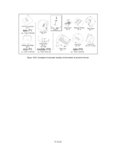
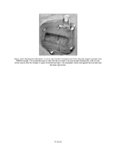
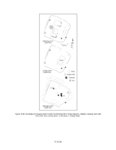
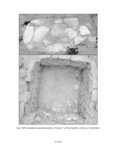
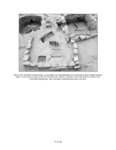
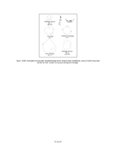
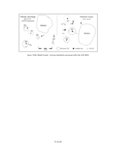
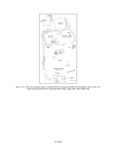
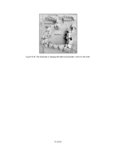
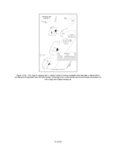
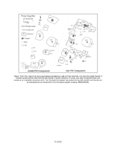
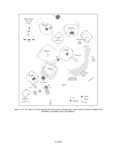
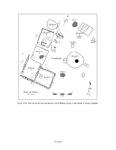
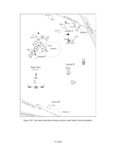
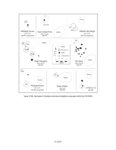
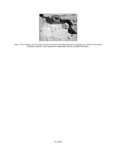
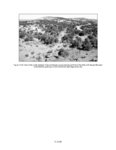
Show The middle Pueblo III component at Three Dog Site consisted of two courtyard complexes, each containing living rooms, mealing facilities, and a kiva. The layout of the middle Pueblo III component and the "complete" suite of architectural features associated with each courtyard clearly demonstrates the presence of two extended families or related kin groups, each being somewhat autonomous with regard to food storage, food processing, and ceremonial space. The two site portions were evidently constructed at roughly the same time, suggesting that the two groups settled together. The orientation of architectural features toward contiguous L-shaped courtyards is typical of the period just prior to and extending into the Tsegi phase in the Kayenta region, when large sites began to form through the coalescence of multiple households into more cohesive settlements (Dean 1969; Lindsay 1969). Occupation of Three Dog Site during middle Pueblo III probably lasted just 10-20 years, based on the amount of domestic trash generated and the general lack of remodeling within structures associated with that component. Only Structure 6 showed evidence of major remodeling, with the construction of a masonry wall inside the original structural basin. All of these middle Pueblo III structures except the principal kiva (Structure 5) were dismantled and scavenged for construction materials. Structural basins were filled with trash or sediment produced by excavation of new rooms, and most of the new rooms were situated partially or completely over earlier rooms. The late Pueblo III component continued to be organized as two residential units, each comprising a courtyard surrounded by living rooms, mealing rooms, and storage rooms. Each courtyard also exhibited several extramural hearths, puddling pits, and other small features. The most obvious difference between the earlier and later site layouts was the presence of a single kiva (Structure 5) in the later period. The smaller kiva in the southern courtyard of the middle Pueblo III component was abandoned and its roof removed, with the depression then used as a trash dump. Six rooms comprised the southwest-northeast trending spine of rooms that structured the two courtyards during late Pueblo III. The back walls of all six rooms formed an approximately straight line, although discrete square or rectangular shallow basins were excavated for each room. Some rooms had masonry foundations or rear walls while others were built almost entirely of jacal. In at least two cases the walls of rooms abutted but were not shared (i.e., there was not a single wall). Two rooms at the apex of the room block (Structures 12 and 13) shared a single masonry wall, although Structure 12 was clearly enclosed after Structure 13 was occupied. The three rooms dividing the two courtyards (Structures 16-18) were constructed separately, although all were probably used simultaneously. The comprehensive remodel of the site speaks of a formal, coordinated effort by the entire population, a cooperative undertaking that transformed the site into a more integrated architectural unit that implies a more tightly knit social unit. The exact sequence of feature demolition and construction was only evident in a few cases, but the remodel must have been planned to ensure that grinding facilities and shelter were available as needed during the process. A similarly coordinated effort took place when the site was finally abandoned and the last residents moved on. The use of a single kiva and what appears to have been the organized group construction of a more formal room block signaled integration of the two families or kin groups, a pattern noted throughout the Kayenta region during the Tsegi phase (Dean 1969; Lindsay 1969). There are no indications that the remaining kiva (Structure 5) was enlarged to accommodate more site residents and the two separate courtyards of the late Pueblo III component retained separate food storage and preparation space. As discussed earlier, the final use of Three Dog Site occurred during late Pueblo III, partly overlapping with the Tsegi Phase. However, the residents appear to have moved from the site prior to full abandonment of the northern Kayenta region, as usable timbers, construction material, and whole artifacts appear to have been scavenged from the structures. This behavior would be expected if the occupants moved only a short distance, in that the effort to dismantle and move the material would be less than procuring new beams, rocks for masonry, and large grinding tools. A large Tsegi Phase habitation lies within a kilometer to the southwest of Three Dog Site, next to the old Navajo Mountain school. This site has not been excavated, so its total size and configuration are unknown, but ceramics on the surface, including abundant Kayenta Black-on-white and whiteline polychrome types, imply that it slightly post-dates Three Dog Site. The Three Dog residents may have simply moved upstream, perhaps to be closer to the source of permanent water of their drainage, where they combined with other families to build a larger pueblo. Another form of late Pueblo III settlement configuration is Lindsay's (1969:243-246; Dean 2002:143- 144) plaza pueblo, an inward-looking community organized around a plaza containing a kiva. These should not be confused with what Adams (1989:156) refers to as plaza-oriented villages, the large aggregated communities that appeared in western Puebloan refuge areas at the close of the thirteenth century. The term village is a key distinction to keep in mind (plaza pueblo vs. plaza village) since it V.15.31 |