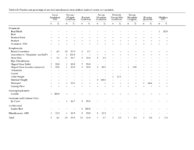
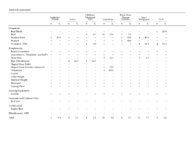
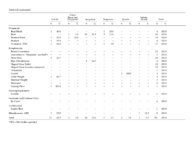
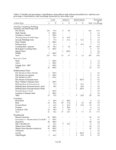
| OCR Text |
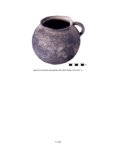
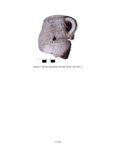
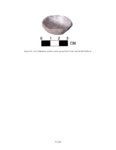
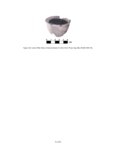
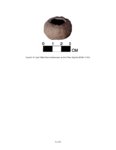
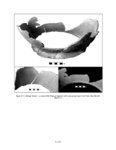
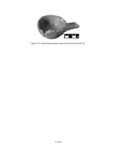
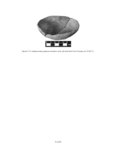
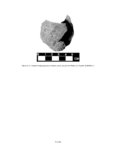
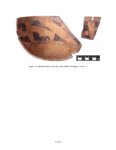
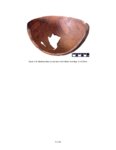
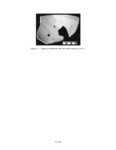
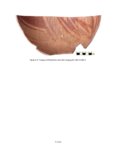
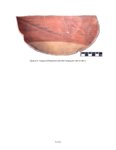
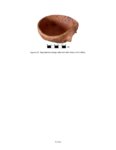
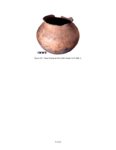
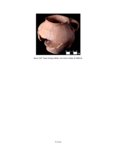
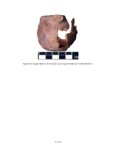
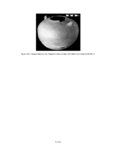
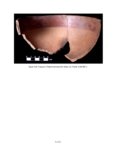
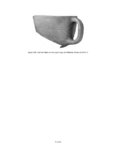
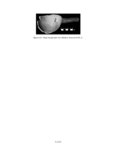
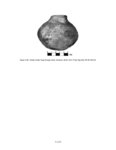
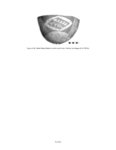
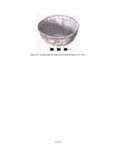
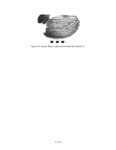
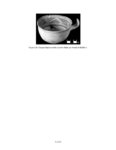
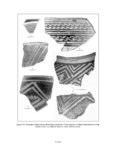
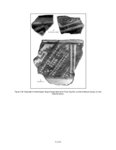
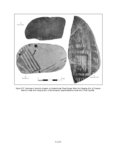
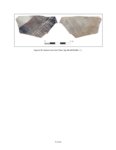
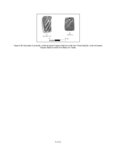
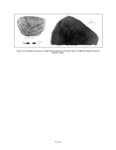
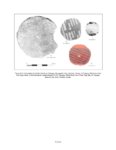
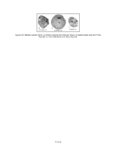
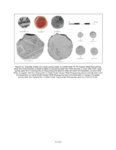
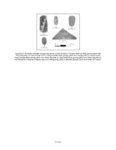
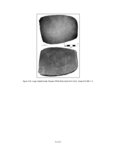
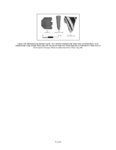
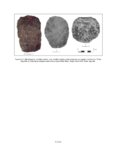
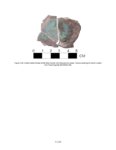
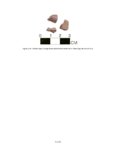
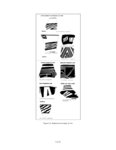
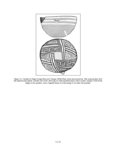
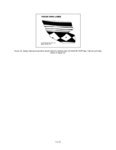
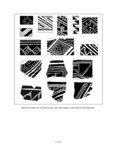
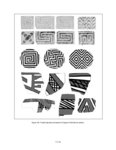
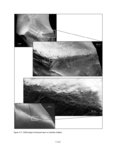
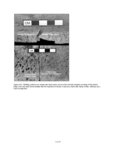
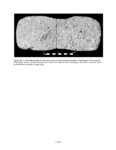
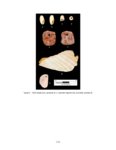
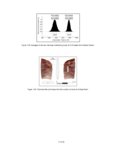
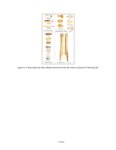
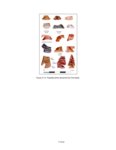
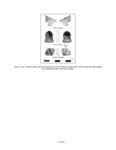
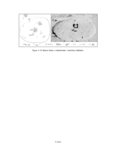
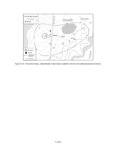
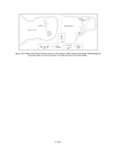
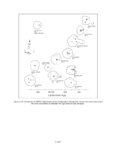
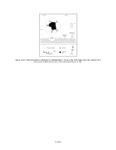
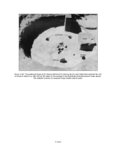
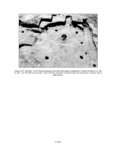
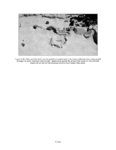
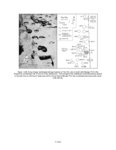
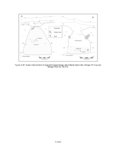
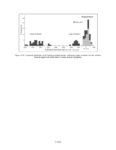
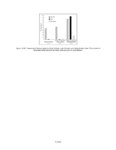
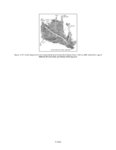
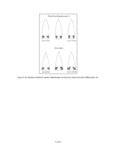
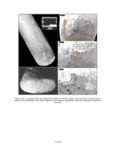
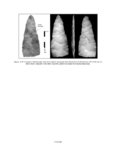
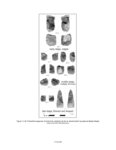
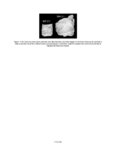
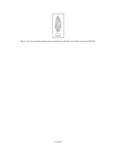
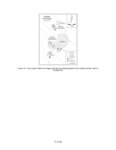
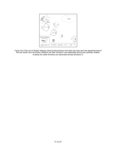
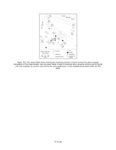
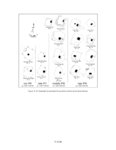
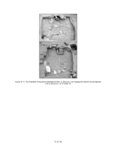
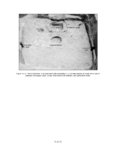
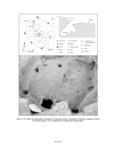
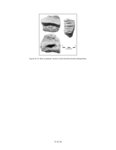
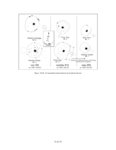
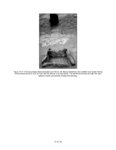
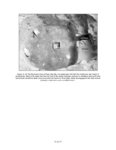
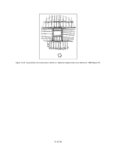
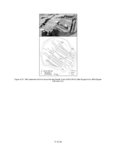
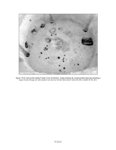
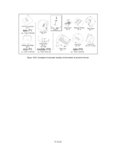
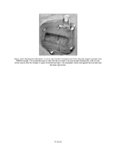
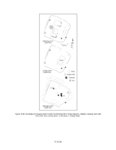
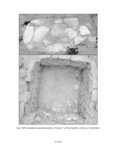
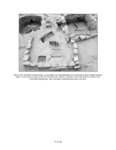
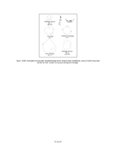
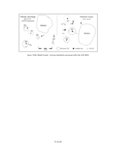
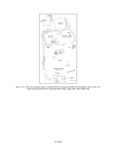
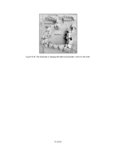
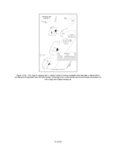
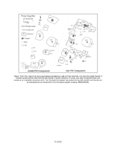
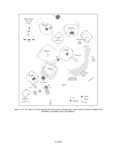
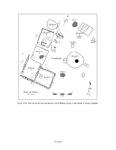
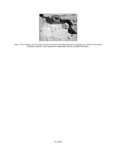
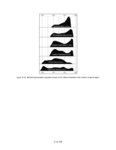
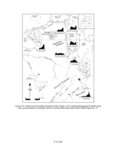
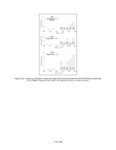
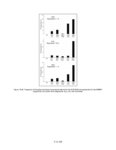
Show framing lines. The design consists of elongated solid triangles separated by a panel divider of a set of parallel lines. Below this band are several medium lines attached to a solid triangle. These two vessels were found together with a black-on-white vessel fragment and appear to have been reused fragments (see Figure 3.8 in Volume IV). Three large Tusayan B Polychrome bowl fragments appeared in middle Pueblo III contexts: a Tsegi Black-on-orange ladle and four Tsegi Orange vessels (two bowls, a jar, and a pitcher) that ranged from 30 to 80 percent complete when reconstructed. All have sherd temper. A large rim sherd from a Tusayan B Polychrome bowl represents about a third of a vessel from Hymn House (PN 706 and 707; Figure 2.17). It has a straight wall and rim with a flat lip. It was probably about 20 cm in diameter, 9.6 cm high, and 3.8-4.5 mm thick. Its original Munsell color of 2.5YR 5/8 (Red 6) did not change when a sample was refired to the same color (Red 6), showing that it was fully oxidized in the original firing. The exterior has some fire clouds. The interior and exterior base surfaces have some abrasion, but there are no chips or residues, and no soot. The interior has oblique red ribbons with black outlines; two end in half terrace/key finials, with parallel hachure perpendicular to the direction of the ribbons, black over red. The exterior has a red band 1.8-2.5 cm wide. Hanging Ash, PN 628, yielded about 40 percent of a Tusayan B Polychrome bowl, lightly polished, with a straight wall and rim and a flat lip (Figure 2.18). It is 3-4 mm thick, but not enough of the vessel is present to estimate dimensions. Its original Munsell color is 2.5YR 7/8. No sample from this piece was refired. The exterior has a fire cloud on one side. Use-wear consists of some abrasion on interior and exterior surfaces near the base; no residue or soot deposits are visible. The painted design consists of red ribbons with black outlines. Red areas have black crosshatching over them, and orange areas have corbelled lines. The layout might have been a quartered design with two repeating motifs. The exterior has a 4.3-5.5 cm wide band of red slip. Sherds that conjoined to comprise about 30 percent of a bowl were recovered at Hanging Ash, in PNs 536, 537, 541, and 626 (Figure 2.19). Most of the sherds were from the floor of Structure 4 (PNs 536 and 537) but one was from the floor fill of Structure 2 (PN 541) and one was from an extramural slab concentration (PN 626). The bowl is lightly polished and partly slipped red on the interior, with a red band on the exterior. It has a straight wall and rim with a flat lip. It is 3.5-4.2 mm thick, but not enough of the vessel is present to estimate vessel dimensions. Its original Munsell color is 5YR 6/4. No sample from this piece was refired. It has fire clouds on the exterior and soot on both sides, base, and edges. This could be due to post-depositional processes or due to secondary use as a scoop for ashes. The rim is painted black and there is a paneled band below the rim with double thin framing lines. The band consists of alternating solid and hatched oblique rows of triangles, over a red band. The center of the interior base is not slipped and remains plain orange. The exterior has a 2.1-2.6 cm wide red band parallel to the rim. We originally classified this fragment as Kiet Siel Black-on-red because a large portion of the interior is slipped, with opposed solid and hatched Sosi/Dogoszhi style designs in black and an open center. The scale and arrangement of the design elements together with the unslipped center suggest that classification as Tusayan B Polychrome might be more appropriate. This example illustrates the problem with sherd versus vessel-based analysis. Vessels were painted to be viewed and understood as whole designs, yet we classify the fragments based on a limited number of attributes. A nearly complete Tsegi Black-on-orange ladle from Ditch House (PN 628, Pit 2 of the ramada) came from a mixed Pueblo II/III context, but its decorative style clearly places it in the middle Pueblo III occupation of this site (Figure 2.20). It was associated with a Tsegi Orange jar (described below). Its surfaces are smoothed but not polished. The bowl of the ladle has a straight rim, somewhat thickened, and the lip varies from round to flat. Average thickness is 5.0 mm, it weighs 161.2 g, and it is 6.25 cm high and 11.5 cm in maximum diameter, with a 9 cm orifice diameter. The handle is missing. Its original Munsell color is 2.5YR 6/8 (we elected not to break the vessel to refire a sample). The painted design is executed in mineral black paint and it has quadrilateral symmetry, a fourfold layout, and four crosshatched triangles pendant from the rim, with a parallel-hatched square in the middle. This could also be described as a four-pointed star with a square in the middle. Tsegi Orange exhibits the widest range of vessel forms in the middle Pueblo III period assemblage. A short-necked, wide-mouth globular jar with a strongly everted rim was found whole and overturned at Ditch House (PN 628, Pit 2 of the ramada; Figure 2.21). This occurred in a part of the site where assignment to either Pueblo II or Pueblo III components was unclear, but the rim shape clearly places it in the middle Pueblo III period. It is lightly polished and has no paint. Its volume is 9300 ml, its wall thickness is 5-6 mm, and it weighs 2154 g. It is 25 cm high, with an orifice diameter of 16.75 cm and a maximum diameter of 30 cm. Its original Munsell color is 5YR 7/6 (we did not break the vessel to refire a sample). Both surfaces are lightly sooted. Soot is concentrated on the base, and the upper shoulder and V.2.33 |