| OCR Text |
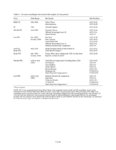
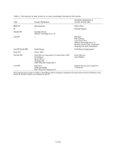
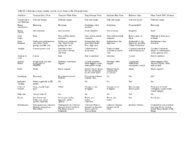
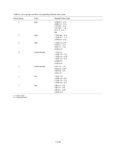
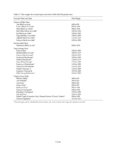
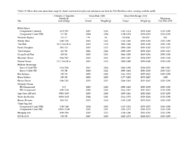
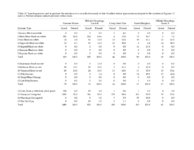
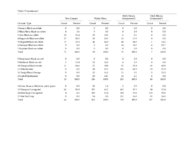
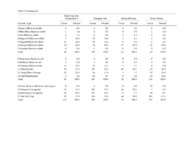
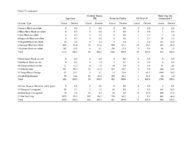
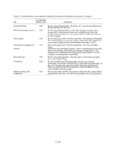
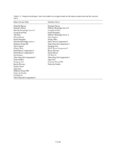
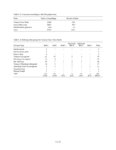
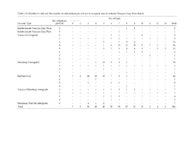
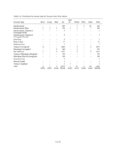
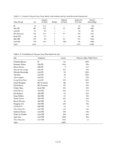
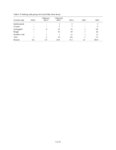
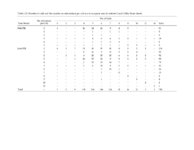
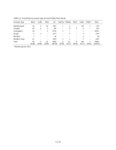
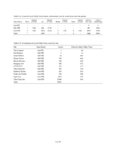
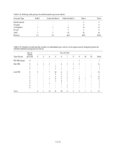
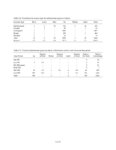
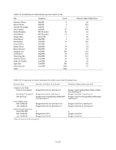
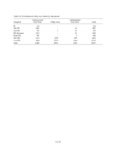
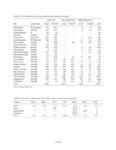
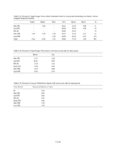
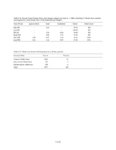
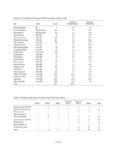
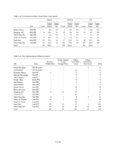
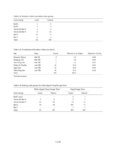
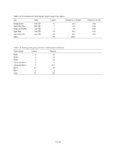
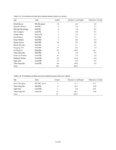
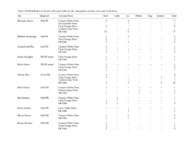
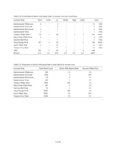
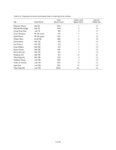
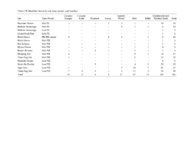
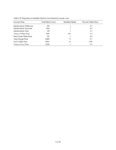
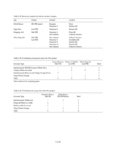
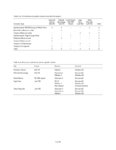
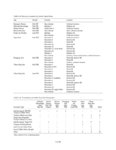
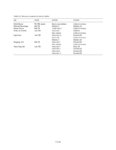
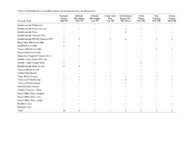
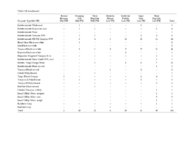
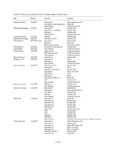
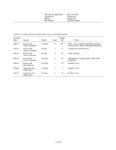
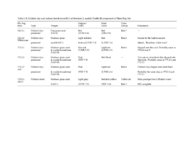
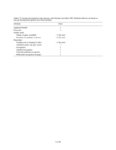
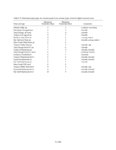
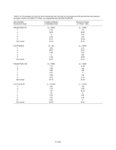
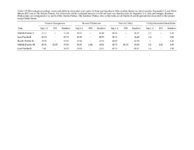
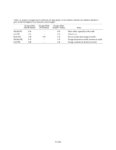
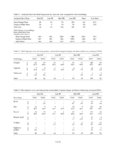
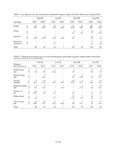
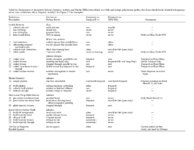
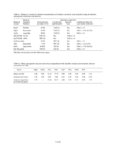
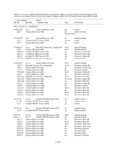
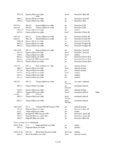
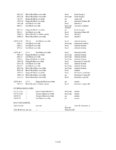
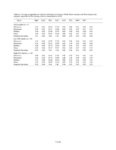
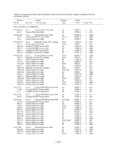
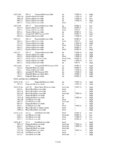
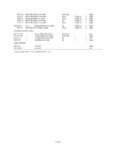
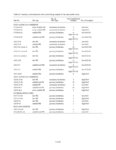
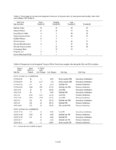
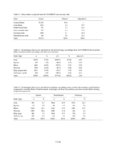
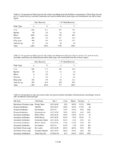
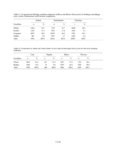
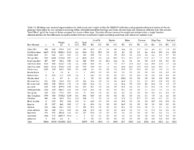
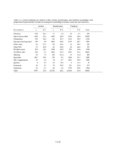
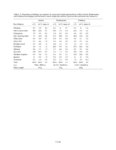
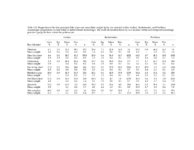
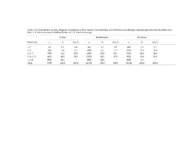
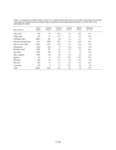
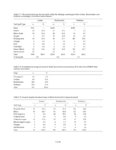
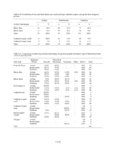
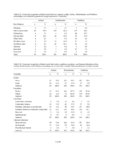
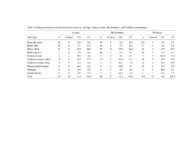
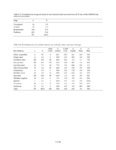
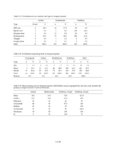
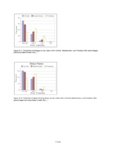
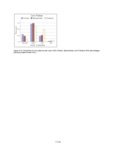
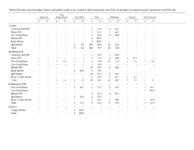
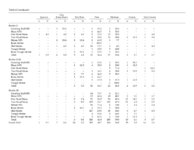
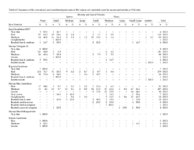
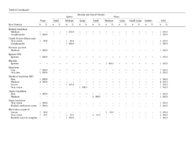
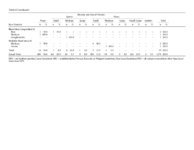
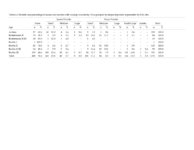
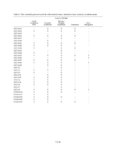
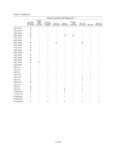
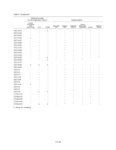
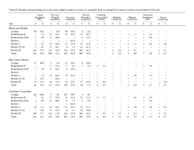
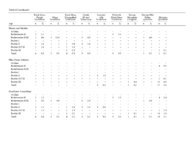
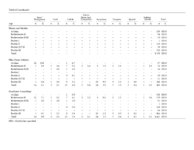
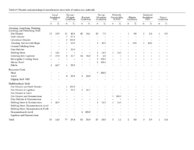
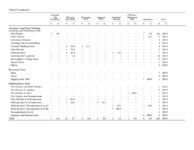
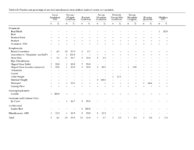
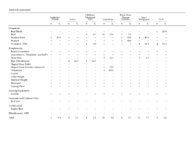
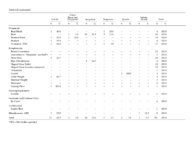
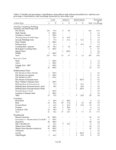
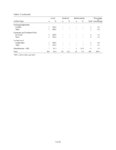
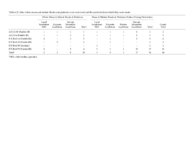
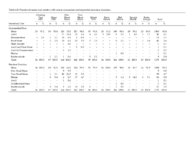
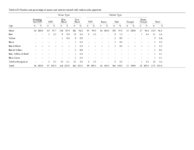
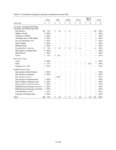
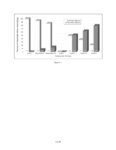
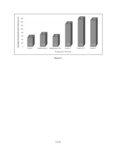
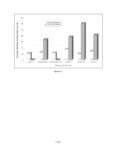
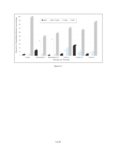
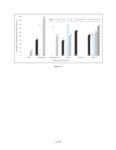
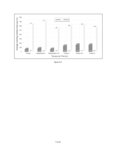
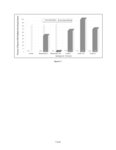
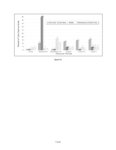
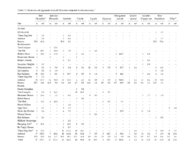
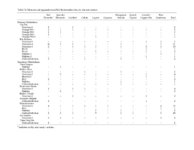
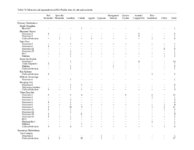
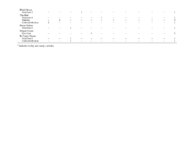
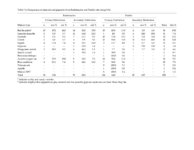
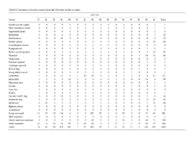
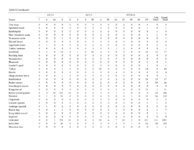
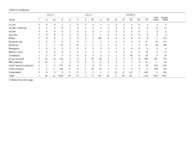
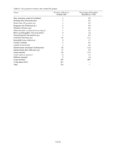
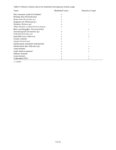
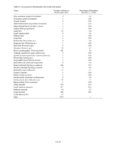
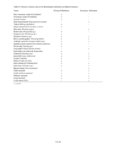
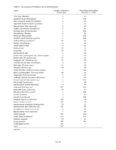
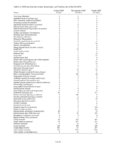
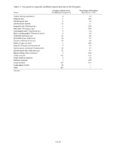
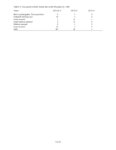
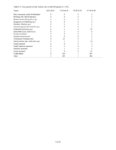
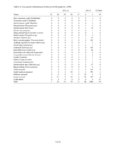
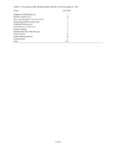
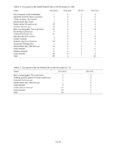
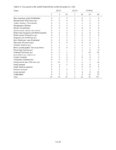
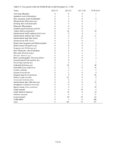
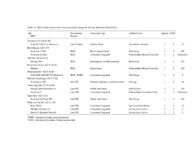
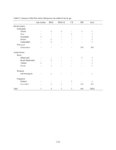
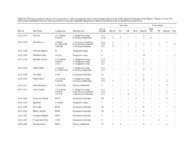
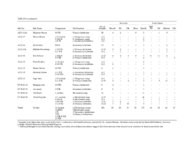
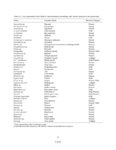
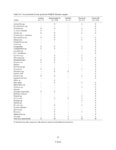
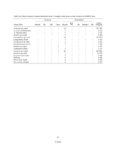
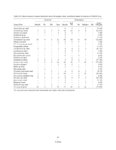
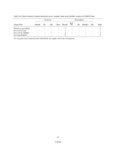
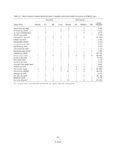
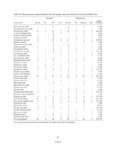
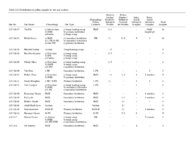
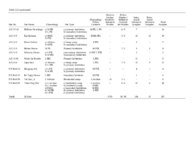
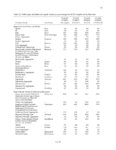
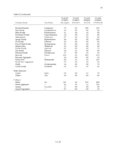
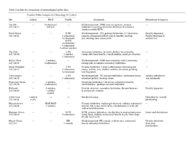
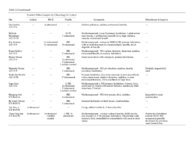
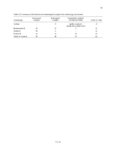
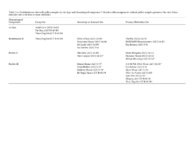
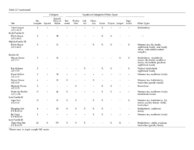
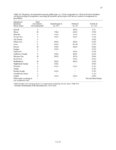
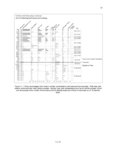
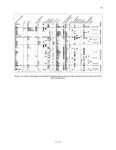
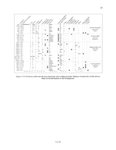
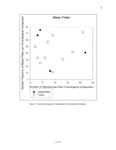
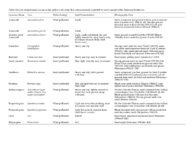
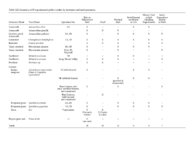
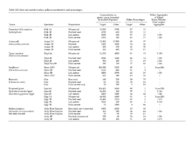
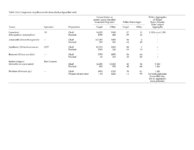
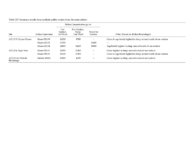
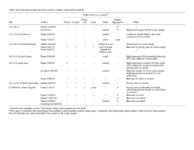
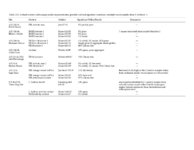
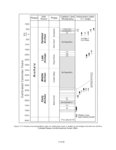
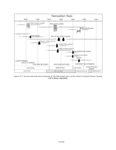
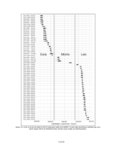
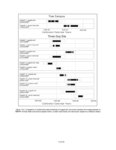
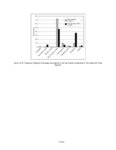
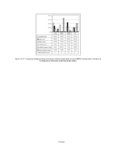
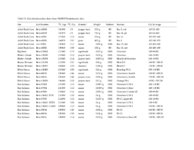
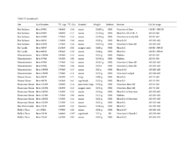
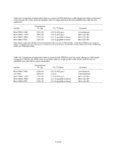
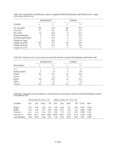
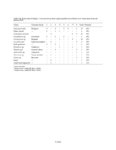
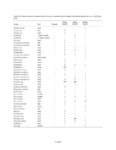
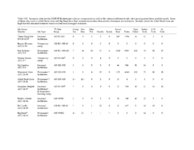
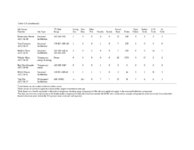
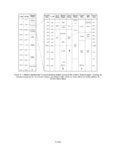
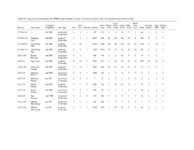
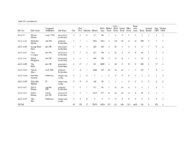
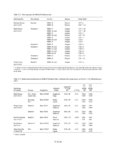
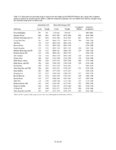
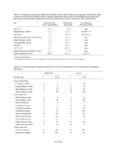
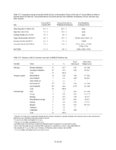
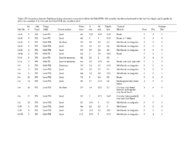
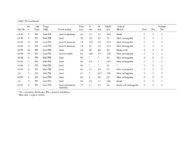
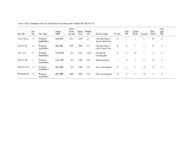
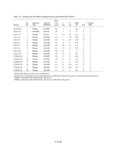
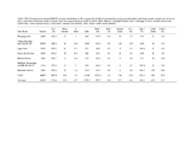
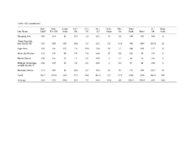
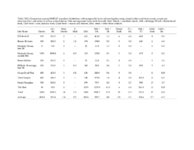
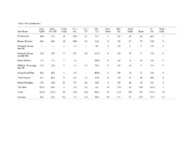
Show earlier sites, the Pueblo sites are mostly located in pinyon-juniper woodlands, but also include sites situated on sagebrush flats of the Rainbow Plateau. The Puebloan period is represented by primary habitations, secondary habitations (probably mostly field houses), and temporary camps. The latter failed to produce any faunal remains. Table 8.7 shows the distribution of taxa (n = 24) present at all Pueblo period sites on the N16 project, as well as the percentage of these taxa in the identified assemblage. Again, identified remains are dominated by cottontail (Sylvilagus sp.), with turkey (Meleagris gallopavo), domestic dog (Canis familiaris), kit fox (Vulpes macrotis), deer (Odocoileus sp.), and unidentified small, small-medium, and large-sized mammals also playing important roles. Rodent remains are also abundant at the Pueblo period sites, but their archaeological significance is difficult to evaluate and most are probably intrusive. Relative to the earlier Archaic and Basketmaker period assemblages, the Pueblo period assemblages show a still greater diversity of taxa, more reptile, bird, and carnivore remains, and a significant increase in bone from domesticated turkey and dog. All 11 primary habitations (AZ-J-14-11, -16, -21, & -28, AZ-J-3-8 & -14, AZ-J-2-3, -6 & -58, and UT-B63-14 & -39) produced faunal remains, as did 9 of the 10 secondary habitations (AZ-J-14-12, -30, & -52, AZ-J-3-7 & -14, AZ-J-2-2, -5 & -55, and UT-B-63-19). Table 8.8 shows the presence/absence distribution of faunal remains at both types of habitations; temporary camps are excluded from comparison because they lacked faunal bone. Table 8.8 shows that taxonomic diversity was considerably higher at the primary Puebloan habitations relative to those that appear to have been seasonally occupied. This may be a factor of sample size, as previously mentioned, as sites that are occupied longer and more intensively often have more bones (Grayson 1984), and it stands to reason that taxonomic diversity would be higher at primary habitations. It is not surprising that cottontail (Sylvilagus sp.), jackrabbit (Lepus californicus), deer (Odocoileus sp.), and unidentified remains were all recovered from secondary habitations. Their presence at these as well as at earlier sites attests to their persistent economic importance at archaeological sites in the Southwest through time. Pueblo period primary habitations produced a great variety of bird, reptile, and carnivore remains, as well as a considerably higher percentage of turkey remains. Overall, residents of the N16 project area apparently continued to be generalists, as they were in the Archaic and subsequent Basketmaker period. Presence/absence data for all three periods are shown in Tables 4, 6, and 8. Table 8.9 presents these data together. Table 8.9 also includes information from faunal remains that could not be assigned to a specific temporal period (see below for additional information). Table 8.10 presents the number of identified specimens present (NISP) for the Archaic, Basketmaker, and Pueblo periods. Unaffiliated Faunal Remains In total, 421 pieces of bone recovered from six of the N16 project sites (AZ-J-3-8, AZ-J-14-17, -21, & 28, and UT-B-63-30 & -39) could not be assigned to a particular period. This occurred in large part because the bones came from multi-component sites and were generally recovered from mixed deposits or fill that could not be assigned to a particular component. In some cases, information from sites was not comparable because of the distinct analysis method for the Segment 3 sites. Table 8.11 presents the taxonomic information from the sites with temporally unaffiliated faunal remains. CHRONOLOGIC VARIABILITY WITHIN TEMPORAL PERIODS The discussion of faunal assemblages up to this point has focused primarily on the large temporal intervals of the Archaic, Basketmaker, and Puebloan periods. These periods can be further refined to enable discussion of faunal assemblages from the Early and Late Archaic, the Basketmaker II and the Basketmaker II-III transition, and the Pueblo II and Pueblo III periods. Early Archaic Period Three of the N16 sites dated to the Early Archaic period, with all three sites classified as temporary camps. One site (AZ-J-14-12) was specifically designated as a hunting camp. Assemblages from these sites were generally small and contained about the same range of taxa. Seventeen pieces of bone from the Early Archaic assemblages were burned, and only one showed signs of calcification. None of the Early Archaic period bones showed signs of natural or cultural modifications. Table 8.12 shows the distribution of taxa identified at the three Early Archaic period sites. Cottontail (Sylvilagus sp.) remains were present at two of the three Early Archaic sites, and unidentified small mammal remains were identified at all three sites. AZ-J-14-12 contained a large number of unidentified large mammal remains, many of which were identified as tooth enamel fragments. Several remains were identified as probable deer (Odocoileus sp.), but they could not be positively identified due to the portion of the element represented. Most of the pocket gopher (Thomomys bottae) remains were thought to be intrusive, although one looked old and was comparable in appearance to the other faunal remains associated with the occupation of the site. V.8.4 |