| OCR Text |
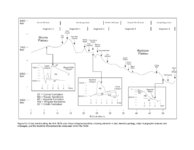
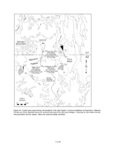
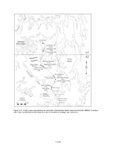
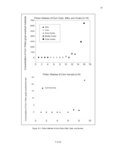
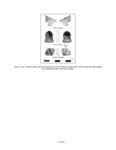
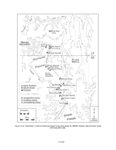
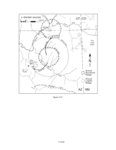
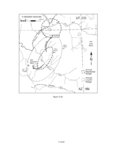
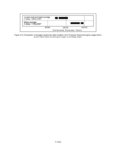
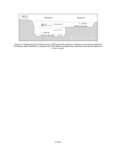
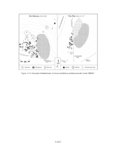
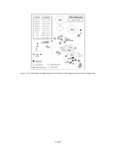
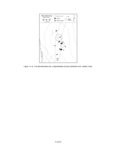
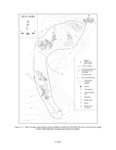
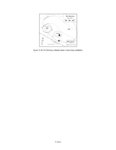
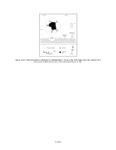
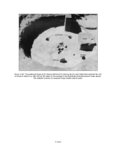
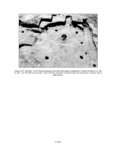
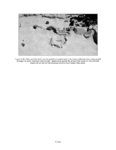
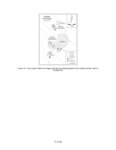
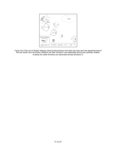
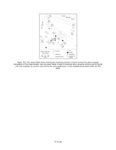
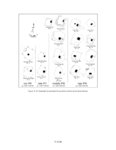
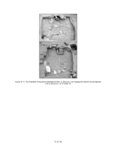
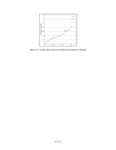
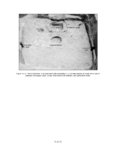
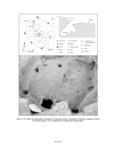
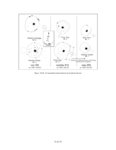
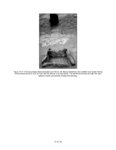
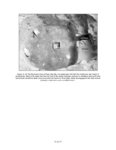
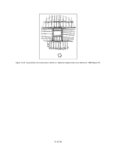
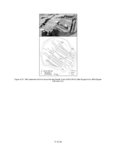
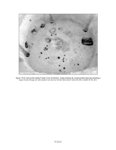
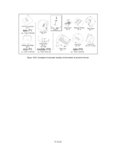
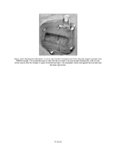
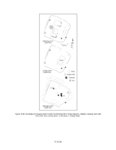
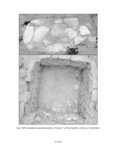
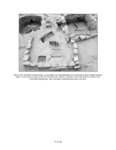
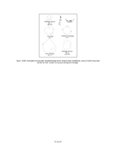
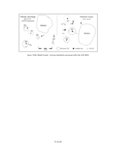
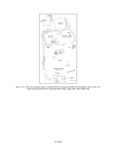
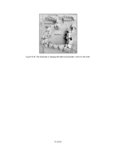
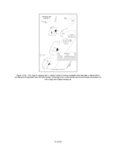
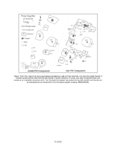
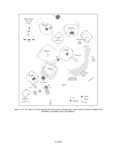
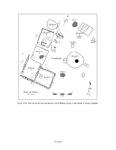
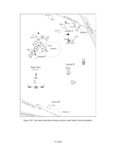
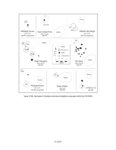
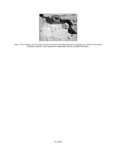
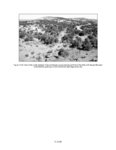
Show emphasizes the large scale of the residential populations at the sites that Adams discusses: hundreds of people vs. a few dozen. Lindsay's Pueblo III plaza pueblos appear to be scaled-up versions of Pueblo II unit pueblos, with Surprise Pueblo (NA7498) on Cummings Mesa (Ambler et al. 1964:53-83) and Neskahi Village (NA7719) on Paiute Mesa (Hobler 1974) providing the typical examples and also illustrating the two standard forms-square/rectangular and D-shaped respectively. Surprise Pueblo had a roughly square plaza defined by a linear room block on the northwest side and masonry walls on the other three sides. The room block consisted of seven contiguous masonry rooms for storage and general activity. The living rooms for the site consisted of five contiguous pit houses accessed by entries through the masonry wall that defined the northeast side of the plaza. The plaza had an entrance through its southeast wall in the direction of the trash midden. Surprise Pueblo showed signs of accretionary room construction and, in fact, there was an earlier, inner plaza wall along the northeast side of the pueblo that was abandoned as the room block grew in length. A kiva with a masonry bench and recess occupied the middle of the plaza. Ambler et al. (1964:82) estimated that Surprise Pueblo had about 20, but no more than 30 residents. Neskahi Village had a D-shaped plaza defined in like fashion by a linear room block on the northwest side but then an arched wall of masonry. The back room block consisted of seven contiguous masonry rooms for storage and general activity with the actual living rooms (up to 11 in use at one time) consisting of semi-subterranean pit houses arrayed around the arched masonry wall of the plaza on both its northeast and southwest sides. The pit houses opened onto the plaza and were accessed through the plaza wall, creating an inward-looking community like at Surprise Pueblo. As Hobler (1974:1) described it, "the pit houses were integrated into an organized village plan first by means of a single jacal enclosing wall and later by means of a pair of parallel curved masonry enclosing walls which meet the straight row of masonry rooms and impart to the village its characteristic ‘D' shape." The pueblo went through several phases of construction before it reached its ultimate configuration. Hobler did not provide a population estimate for Neskahi Village, but at its largest it was probably only double that of Surprise Pueblo. Two of the late Pueblo III habitations excavated by the NMRAP-Sapo Seco Locus A and Waterjar Pueblo-can be characterized as scaled-down versions of plaza pueblos or late Pueblo III unit pueblos (Figures 15.35 and 15.36). Both of these sites occupy the broad, open sagebrush plain of the central Rainbow Plateau and they lie only about 100 m apart, with Waterjar on a slight rise. (UT-V-13-16 is another example of a small late Pueblo III unit pueblo on the Rainbow Plateau that represents a small inward-looking community with a tight plaza-like look; Geib et al. 1985). The main compounds of both settlements have very similar architectural configurations, consisting of a suite of differentiated rooms- living, mealing, storage, and general purpose-that face and open upon a small plaza space containing a simple kiva that at both sites resembles more of an early Puebloan pit house (see Figure 15.19). The superstructures of the surrounding buildings would have helped to define the plaza on the northwest and southwest sides. At Sapo Seco evidence for an enclosing wall on the east and south side consisted of postholes along with an arch of sandstone slabs, remnants of a probable jacal wall that tied in with the rooms to close off the space around the kiva. An apron of rocky spoil from excavation of the kiva (which, like the version at Waterjar Pueblo, was cut into sandstone bedrock) lay just outside the postholes and sandstone alignment, demarking where the plaza enclosing wall once stood. The wall was evidently in place prior to the kiva excavation because the rock spall seemed to have been dumped against this feature. Evidence for an enclosing wall of the plaza was not in evidence at Waterjar Pueblo but probably was here as well, given the arrangement of the rooms around the kiva. At Sapo Seco there was an extra living room and mealing room on the southwest side of the plaza compound but still integrated within the activity space for the pueblo. Both of these small unit pueblos probably housed single extended families. There were no more than two living rooms in use at both sites at any one time and the total roofed space is quite modest, around 30 sq m for Sapo Seco and 33 sq m for Waterjar. Much of this was storage and general activity space for the group at large, and the lack of household-specific food stores seems an important difference from some late Pueblo III settlements (Structure 3 at Hanging Ash just considered or the structures at Dog Town, AZ-D-10-17; Callahan 1985). Given the small size of both Sapo Seco and Waterjar Pueblo there would not have been a significant trust issue about separate households excessively using the common food stores. The same is not necessarily true at large plaza pueblos such as Neskahi Village and Surprise Pueblo; how a "tragedy of the commons" was avoided at these sites is worth pondering. At the time of excavation during the early 1960s, Neskahi Village and Surprise Pueblo offered new insights into Kayenta Anasazi site construction and architectural diversity during Pueblo III. In particular, the excavators noticed the continuing reliance on pit houses, previously thought to have "died out" during earlier time periods (Hobler 1974:41). Pit houses were not only in use at the two pueblos, but they formed an "integral part of the social unit" (Ambler et al. 1964:82). Researchers also noticed the V.15.32 |