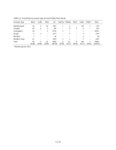
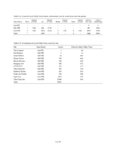
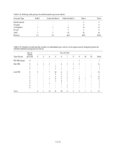
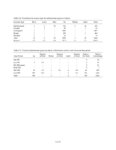
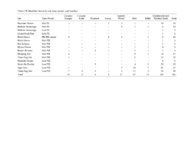
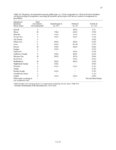
| OCR Text |
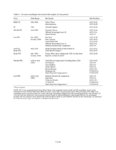
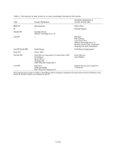
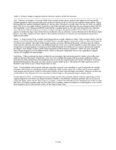
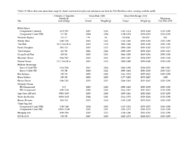
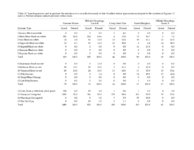
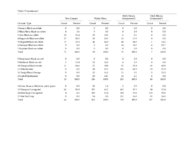
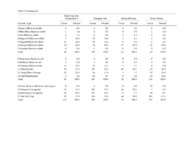
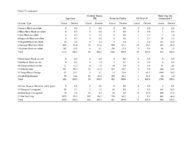
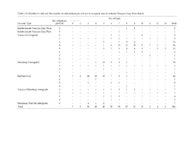
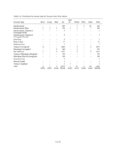
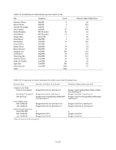
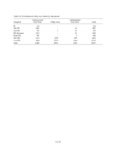
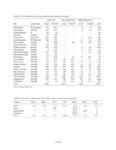
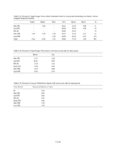
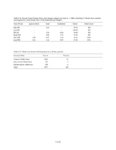
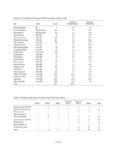
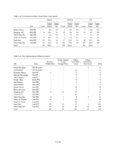
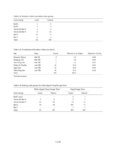
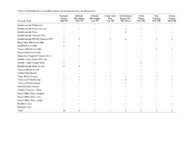
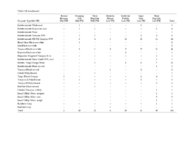
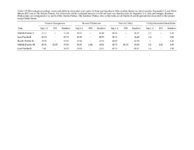
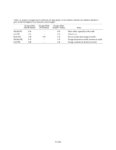
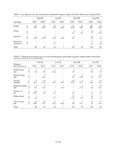
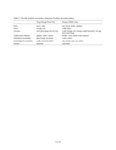
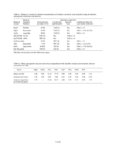
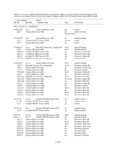
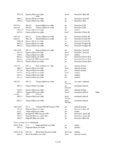
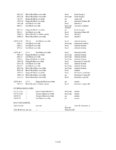
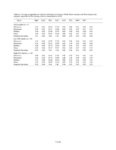
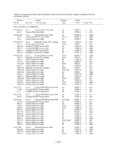
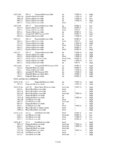
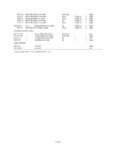
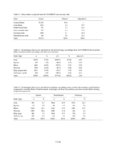
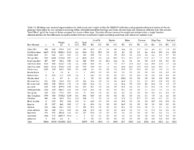
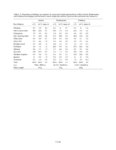
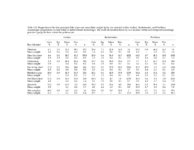
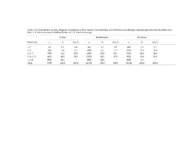
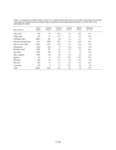
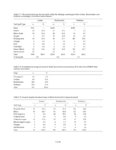
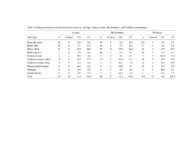
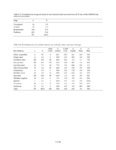
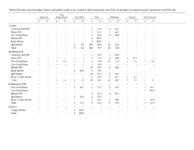
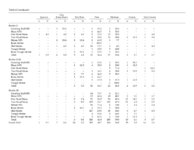
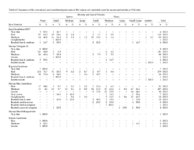
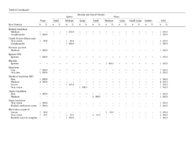
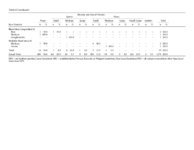
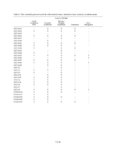
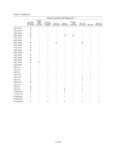
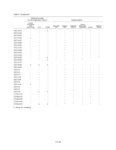
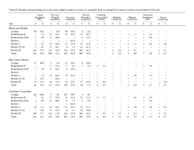
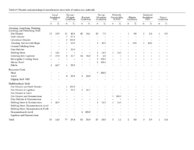
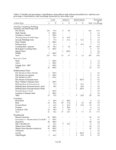
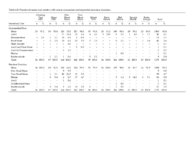
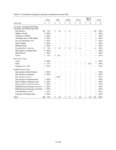
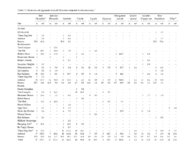
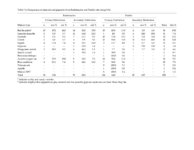
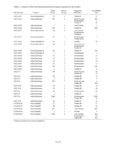
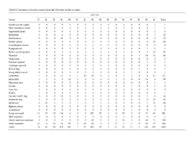
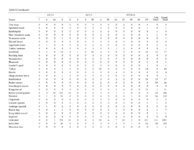
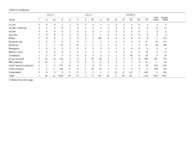
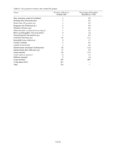
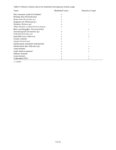
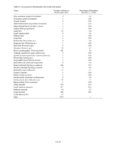
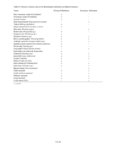
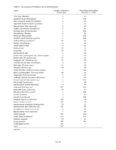
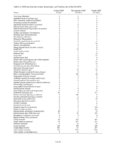
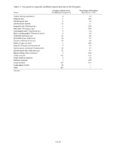
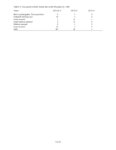
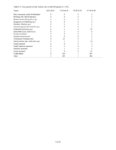
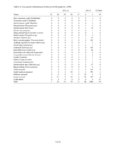
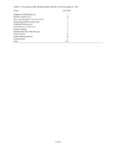
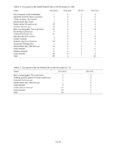
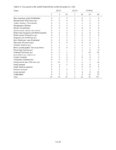
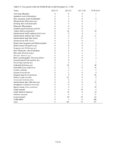
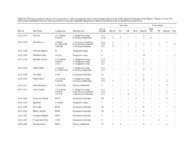
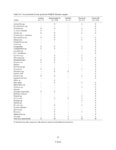
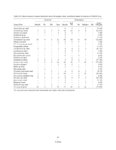
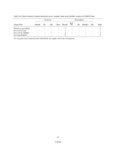
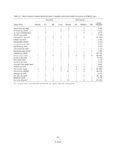
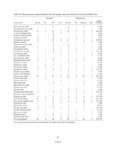
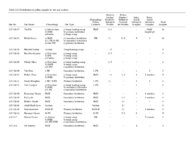
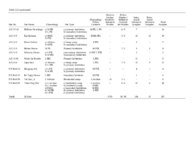
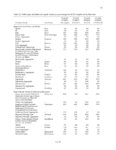
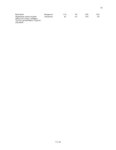
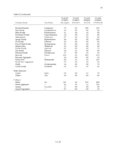
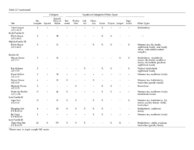
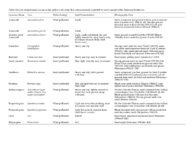
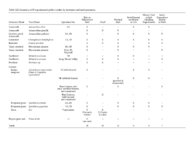
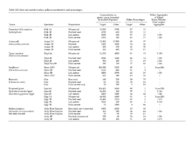
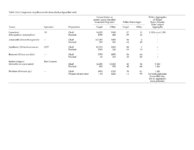
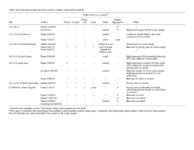
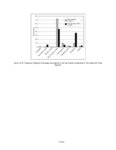
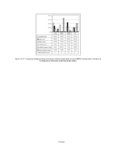
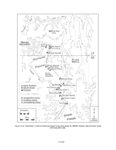
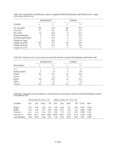
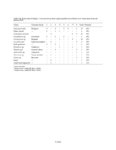
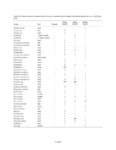
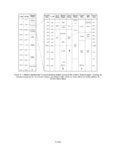
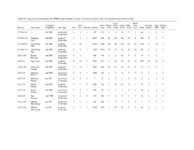
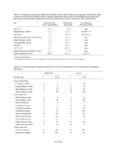
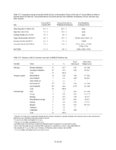
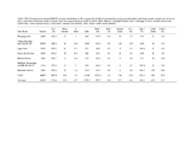
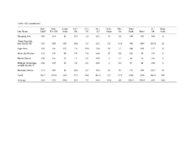
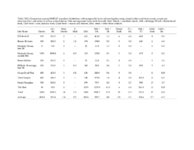
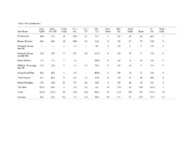
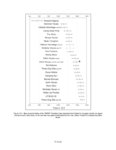
Show assemblages than either of these two measures, but we believe he overstates his case. Volume provides another data set, but by itself, not necessarily a better one. Since the specific gravities of most material types are closely similar, weight and volume measurements would yield closely similar results. Moreover, by using an electronic scale, weight can be measured more efficiently and accurately than volume. In a general sense, count provides an indication of the intensity that a resource was reduced and weight measures the amount of a resource brought to the site. Although count is often used for the latter purpose, this can be misleading. Flakes are rarely brought to sites as such, but are produced there. Since materials are often selected for specific tool types and are differentially reduced, quantity might merely represent variable reduction intensities. For example, a previous study found that there was a substantial reduction from count to weight representation for high-quality cryptocrystalline materials used primarily for small flakes and bifacially thinned and shaped tools relative to coarser materials used primarily for pecking stones (Geib 1985). Glen Canyon chert accounted for 15.3 percent of all debitage from the Rainbow City excavations by count, but by weight this material dropped in representation to 4.7 percent. Change in proportional representation is essentially due to differences in flake frequency and size across resources resulting from reduction intensities and different core/tool sizes. Raw Material Use Table 5.9 lists the raw materials represented in the overall debitage collection by both count and weight. It also presents the proportional representation of the six principal flake types by raw material excluding all debris of indeterminate technology as well as those of sandstone and unidentified raw material. None of the identified material types are point-specific sources; rather they commonly refer to a geologic formation or lithologic type that can outcrop across an extensive area. Nonetheless, prehistoric people residing along the N16 ROW often exploited these sources for specific purposes or reduced them in specific manners based on texture, hardness, or other inherent physical properties. Navajo chert, for example, is available at several locations at or immediately near sites along the ROW, thus it was often the most readily at hand siliceous stone (on the central portion of the Rainbow Plateau there is also a material designated as local lag chert that might also derive from the Navajo Sandstone). Although often close at hand and highly siliceous, Navajo chert can be less suited than say Glen Canyon chert for some types of formal flaked stone artifacts because of its small nodule size and numerous incipient fracture planes. Because of these qualities, it is perhaps not too surprising that this material was commonly reduced by the bipolar technique, at least during Puebloan times. Almost half (49%) of the 630 bipolar flakes identified in the overall collection were of Navajo chert, with virtually all of this debris coming from Puebloan sites, especially those located close by an outcrop of this material, such as Ditch House (AZ-J-14-21). Not all nodules of Navajo chert are too small and fractured for the production of formal tools, so more than 35 percent of the Navajo chert flakes are from biface reduction and almost a quarter are pressure flakes. This pattern is largely influenced by the single site of Windy Mesa (AZ-J-14-28), which was located next to an unusually good source of Navajo chert heavily exploited by Archaic and Basketmaker II flintknappers for biface production: fully 86 percent of all Navajo chert biface flakes (n = 1553) and 75 percent of all Navajo chert pressure flakes (n = 858) came from this one site. Without this assemblage the flake type proportions would be quite different, with core flakes being predominant by a large margin. Owl Rock chert does not outcrop at or immediately near sites within the ROW but it is available not too far away. The closest source of this material is in Piute Canyon but sources also occur in areas of Navajo Canyon and along the San Juan River. This material comes in rather large packages, allowing for the detachment of sizable flakes and the production of large tools, however it is nowhere near as siliceous and homogeneous as Navajo chert, so it is much more difficult to use for facially thinned tools or those with plan morphologies refined by pressure flaking. Exploitation of this material might have been encouraged, at least during Basketmaker and Puebloan times, by its abundant availability next to the excellent farmland of the well-watered Piute Canyon. As is evident from Table 5.9, Owl Rock chert was most predominantly used for simple core reduction, as 70 percent of the flakes of this material are identified as core flakes. Almost another 20 percent are identified as edge preparation flakes, which, given the low incidence of biface and pressure flakes of Owl Rock chert, doubtless also derived almost totally from simple core reduction. Three habitations (two Basketmaker and one Pueblo II) account for 66 percent of all flakes of this material and not surprisingly these sites are located next to the part of upper Piute Canyon that contains the best farmland. As noted later when discussing cores/nodular tools, Owl Rock chert was commonly used for pecking stones. Because of their intractable nature, some materials such as silicified conglomerate and limestone were V.5.22 |