| OCR Text |
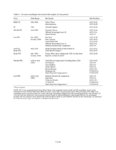
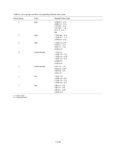
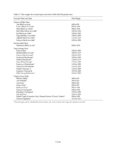
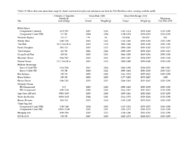
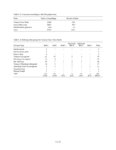
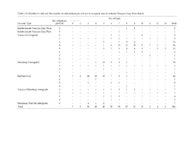
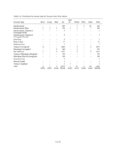
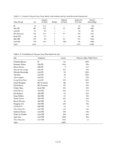
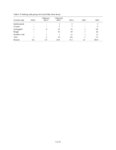
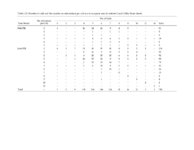
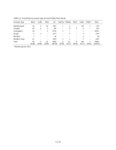
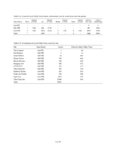
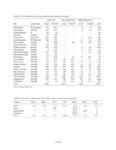
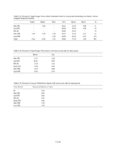
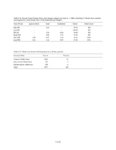
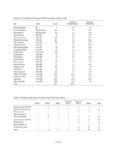
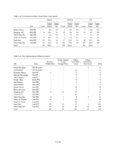
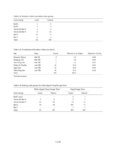
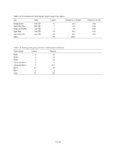
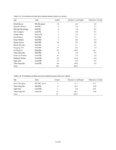
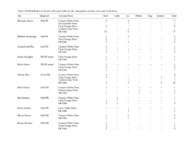
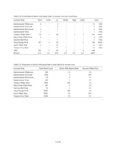
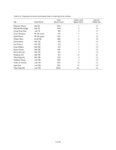
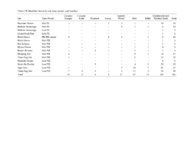
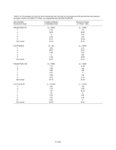
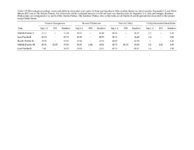
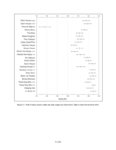
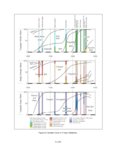
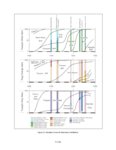
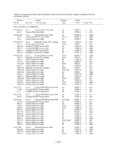
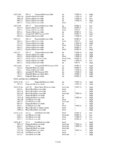
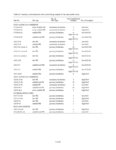
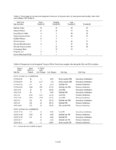
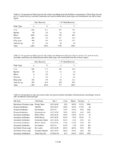
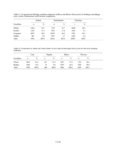
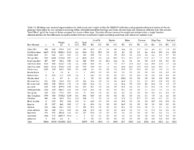
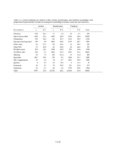
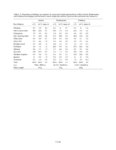
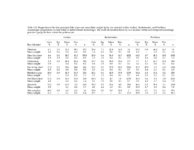
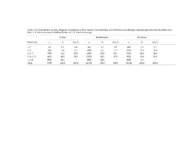
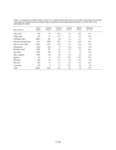
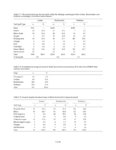
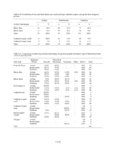
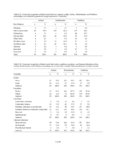
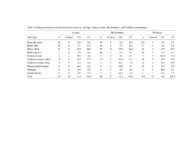
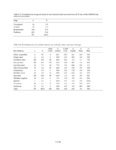
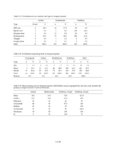
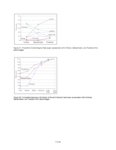
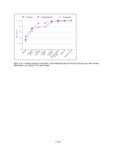
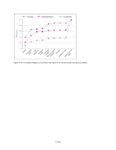
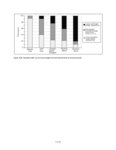
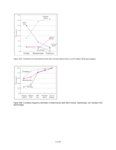
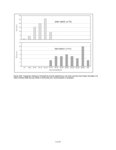
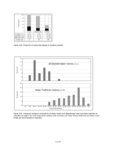
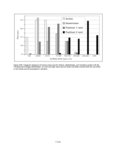
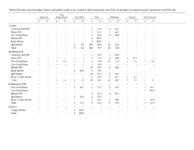
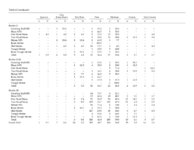
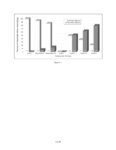
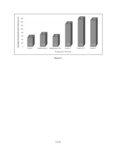
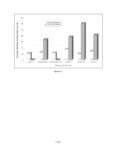
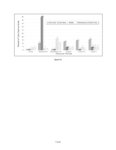
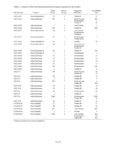
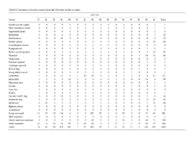
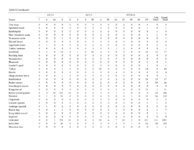
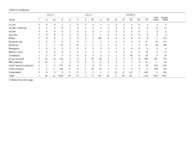
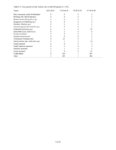
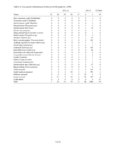
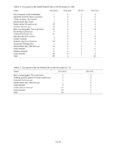
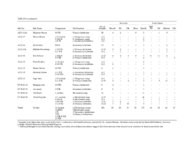
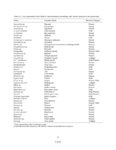
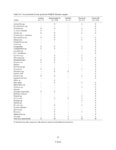
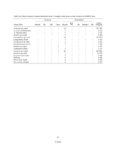
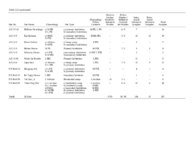
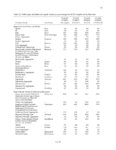
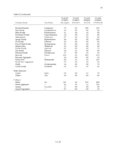
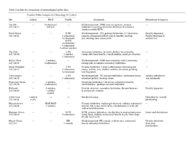
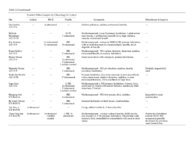
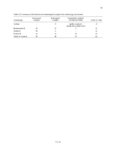
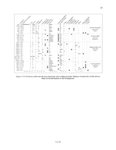
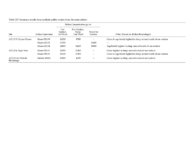
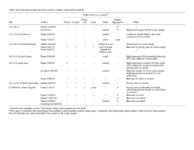
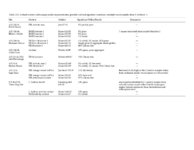
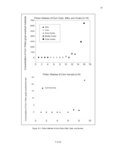
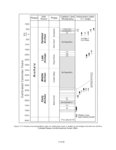
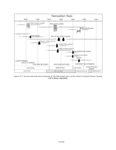
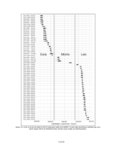
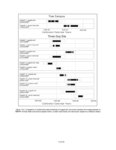
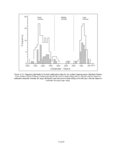
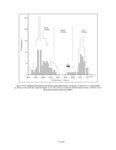
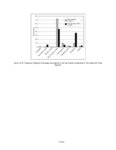
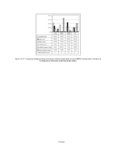
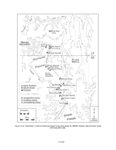
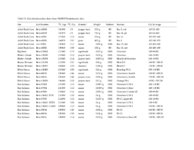
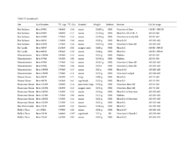
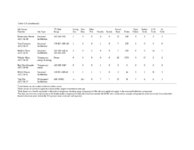
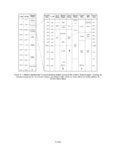
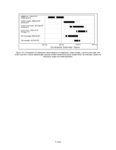
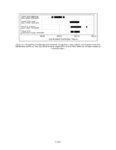
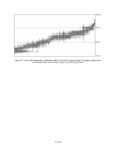
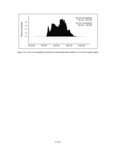
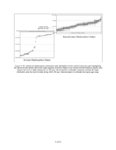
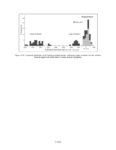
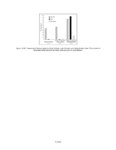
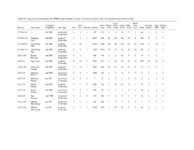
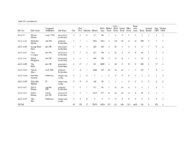
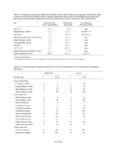
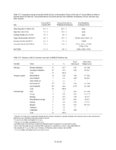
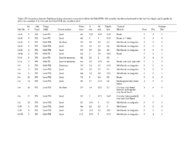
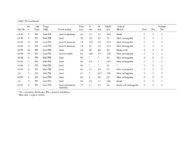
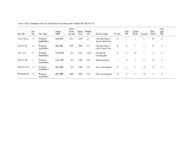
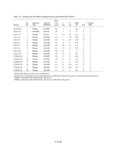
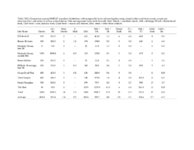
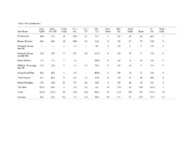
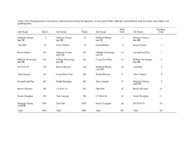
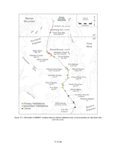
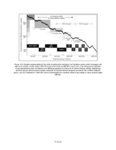
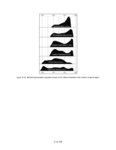
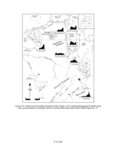
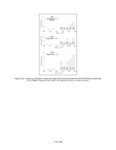
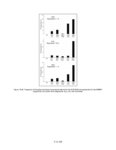
Show understanding of what came before-knowledge of Archaic foragers prior to the advent of food production. The NMRAP presented this opportunity, given the number of Archaic sites or components studied, many of these found only because of working on overlying Puebloan or Basketmaker components. The Archaic sites amounted to a random sample of forager remains within the project area since NNAD-NAU archaeologists excavated whatever they encountered and lacked any foreknowledge as to temporal assignment. As such, a basic interest was what would be revealed about the long-term history of forager occupation of the area-would there be a continuous record of forager occupancy culminating in Basketmaker II or a discontinuous record punctuated by hiatuses? Would the NMRAP excavations reveal a pattern similar to that evident for Sand Dune Cave and Dust Devil Caves (Lindsay et al. 1968; Ambler 1996)-Archaic use followed by Basketmaker use, but with no evident link between the two? These questions ultimately track with what was said earlier about coming to grips with the possibility that the agricultural transition on the Colorado Plateau, and the Southwest more generally, may have transpired by two alternative, though not mutually exclusive, pathways (see review by Matson 1991, 2002). The NMRAP excavations produced a sample of 59 radiocarbon dates for the Archaic period from 13 sites, including Atlatl Rock Cave. When combined with 12 previous dates from Dust Devil and Sand Dune Caves, these 59 dates, which range from 9780 BP up to 2520 BP, provide a record of forager occupancy for the northern Kayenta region (illustrated by the frequency distributions in Chapter 13). These distributions reveal a discontinuous record containing a major break between early and late Archaic and a shorter break between late Archaic and Basketmaker II. Sample adequacy is critical for judging the significance of gaps in radiocarbon records, both the total number of radiocarbon dates available and the total number of sites that yielded the samples. Sixty-five dates is a respectable number considering the relatively small size of the project area. Site count, the second aspect of sample adequacy, is of greater concern than sheer date quantity in this instance, but again, the relatively small size of the region is an important consideration. Moreover, if the true history of forager occupancy of the study area did not closely resemble that shown by the radiocarbon distribution, the probabilities are exceedingly low that 15 sites chosen at random would yield virtually no evidence for middle Archaic occupancy from about 4500 to 2500 cal. BC yet abundant remains for both the early and late Archaic. After all, the middle Archaic is not a brief time interval, but more than 2000 years long, or over 100 generations. NNAD-NAU conducted two road excavation projects (N21 and N608), contemporaneously with the NMRAP, that produced 36 radiocarbon dates from 11 Archaic sites (reported in Bungart et al. 2004 and Neff et al. 2004) resulting in an increased sample size and expanded geographic coverage for the Kayenta region (onto the Kaibito Plateau). These additional 36 dates closely match the record for the NMRAP project area, with a significant cluster of dates in the early Archaic, another cluster during the late Archaic, and a middle Archaic gap. A chief difference is with the height (frequency) and placement of the late Archaic date cluster, with the Kaibito Plateau having fewer late Archaic dates that tend to be earlier than those of the Rainbow Plateau. Nonetheless, two separate excavation projects on the Kaibito Plateau produced essentially identical results that in turn parallel those for the Rainbow and northern Shonto Plateaus. Combined, the strongly overall bimodal pattern based on 101 dates from 26 sites is far less likely to be the result of sampling bias. The lack of evidence for open sites dating to the middle Archaic within NNAD-NAU's road excavations parallels the declines and breaks in the use of natural shelters on the Colorado Plateau and closely accords with the middle Archaic date gap highlighted by Berry and Berry (1986) and initially noted by Schroedl (1976). Because NNAD-NAU's road excavations uncovered both late and early Archaic components, sometimes at the same locations, it appears unlikely that the gap is the result of preservation or discovery biases such as removal by erosion or obstruction by burial. Even though I doubt that foragers totally abandoned the Colorado Plateau because the date gap is beginning to disappear as more sites are studied (e.g., Geib 1996b; Tipps 1998), the date distribution for the Kayenta region is striking. Given that the patterning seems not to result from preservation biases or the behavior of archaeologists, I believe the answer lies in environmental constraints on the nature of the huntergatherer adaptation in the Archaic. Both Schroedl (1976) and Berry and Berry (1986) looked to the paleoenvironmental record as the causal factor behind what was a middle Archaic population decline to the former author and regional abandonment to the latter authors. As explored in Chapter 13, the specifics remain to be worked out in detail, including the environmental aspects. Following the evident reduction in population represented by the middle Archaic date gap, beginning around 2500 BC the Kayenta region started to see a renewed forager presence such that by about 1800 BC there is a spike in the radiocarbon dates suggesting that population levels were perhaps back to what they had been during the early Archaic. This increase did not result simply because groups V.16.3 |