| OCR Text |
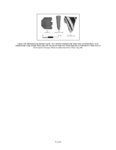
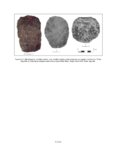
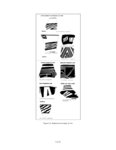
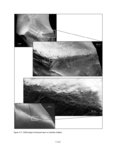
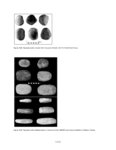
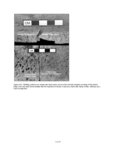
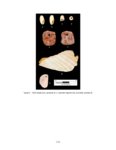
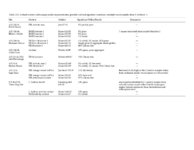
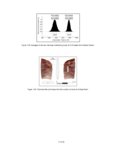
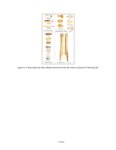
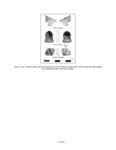
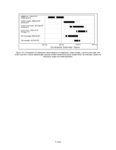
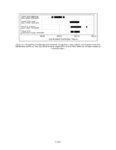
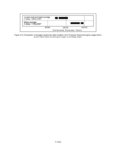
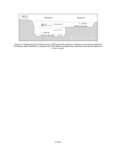
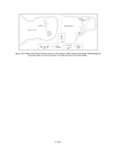
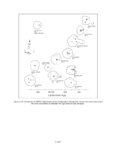
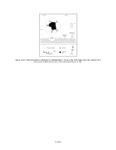
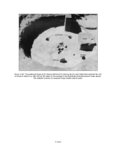
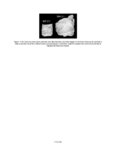
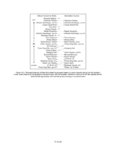
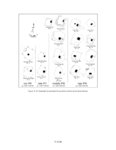
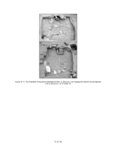
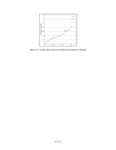
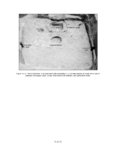
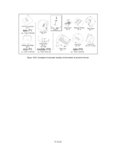
Show stages of mano and metate production.3 Sandstone flakes, especially small ones, are not commonly recognized by archaeological field crews, so these artifacts are likely to be inconstantly recovered. NMRAP crew chiefs advised workers concerning the sandstone flakes, and most became quite good at recognizing these items, but their recovery was still no doubt biased. Assemblage size has an important bearing on the confidence of inferences about patterns of stone tool production and use within sites as well as technological and functional differences between contemporaneous sites and technological, functional, and stylistic change through time. An adequate sample of debitage to characterize flaked stone production for making between-site comparisons (ca. 200 items per site) was obtained with relatively little effort from most Puebloan and Basketmaker habitations in the N16 ROW because these had trash middens where numerous flakes were recovered from relatively small areas. Large sample sizes were sometimes difficult to obtain from non-habitation sites and especially from Archaic sites that lacked defined middens. Informative intra-site comparisons in production technology require a considerable increase in sample size depending on the number of analytical units being compared (ca. 200 items per analytic unit). Intra-site comparisons of various classes of lithic artifacts (besides debitage) vastly increase the amount of cultural deposit that must be excavated and screened at each site. Screening was one means of ensuring that we would maximize artifact recovery and sample sizes. Processing Procedures Nearly all stone artifacts were washed in the laboratory in plain water and lightly scrubbed if necessary to remove dirt. Exceptions to washing included ceramic polishing stones so that they can be examined for clay residue (see Geib and Callahan 1988), certain grinding tools bagged separately for pollen wash study, grinding stones or other tools with pigment staining, and any other artifacts that field crews bagged separately and labeled as "do not wash." The front-line laboratory staff did not attempt further separation of the stone artifacts into various analytic classes; that task was left to the analysts. Unused debitage was not individually numbered but was kept in bags labeled with all provenience information. All tools were individually marked using tiny computer-generated paper labels affixed with PVA glue. The tool labels included a four-digit site designation, provenience number (PN), bag number (BN), and an item number assigned by the lithic analyst. Analytic Procedures All NMRAP lithic artifacts were characterized individually using coding forms and analytic routines that are explained below. Each artifact, whether an unused flake or a tool, had its own row of data, documented on coding sheets. The data were subsequently entered into computer files for storage and manipulation. All debitage and tools were analyzed with the aid of a low-power binocular microscope, commonly operating at magnifications of 6.5x to 10x, but capable of 40x. Useful characterization of usewear requires at least this level of microscopic examination. A type collection of the commonly used raw materials of the northern Kayenta Anasazi region was on hand for referral to ensure accurate identification of both debitage and tools. Identification of specific geologic sources was attempted but more general material categories were used as needed. Items blackened and discolored from fire enough to preclude identification were designated as indeterminate. This intensive form of analysis was carried out by personnel experienced in lithic production and use and knowledgeable about the raw materials for this portion of the Southwest. Miranda Warburton conducted the bulk of the debitage analysis, assisted at various times by Phil Geib, Mick Robins, and Kerry Thompson. Warburton also conducted the bulk of the stone tool analysis, except for grinding tools and miscellaneous items, assisted at various times by Geib, Robins, and Thompson. Geib analyzed all of the grinding tools and miscellaneous items from all but the final year of excavation, with Stewart Deats taking over at that point. Geib prepared the detailed descriptions and illustrations for individual tools of all classes presented in the site descriptions. Debitage Debitage or flakes are defined as culturally fractured pieces of stone removed during the production and modification of lithic artifacts by flaking. All stone reduction methods (flaking, pecking, and grinding) result in the accumulation of debris, but generally only the byproduct of flaking is easily recognized as 3 In other contexts, such as middens associated with large masonry pueblos, sandstone flakes are likely to be derived from the flaked shaping of construction stone. V.5.6 |