| OCR Text |
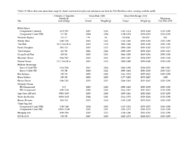
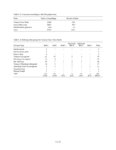
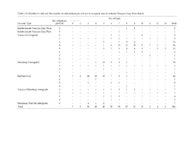
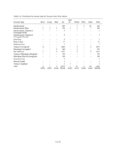
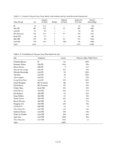
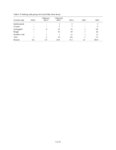
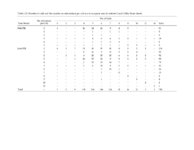
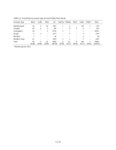
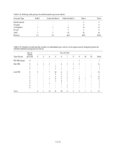
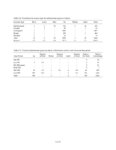
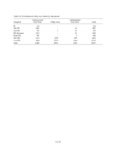
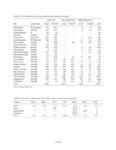
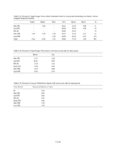
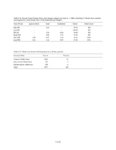
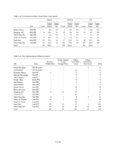
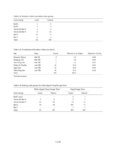
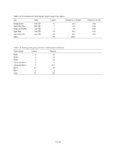
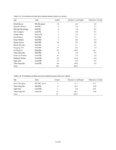
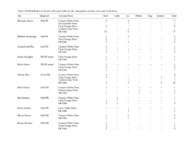
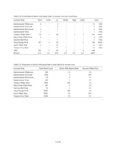
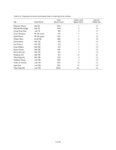
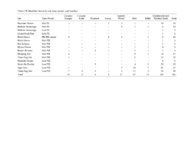
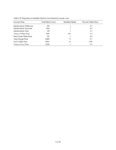
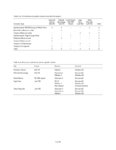
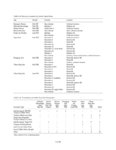
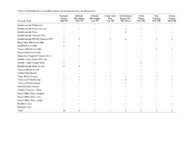
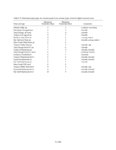
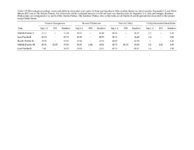
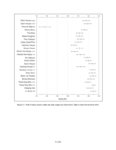
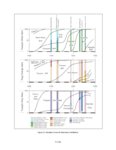
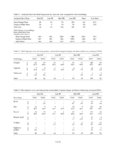
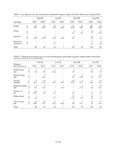
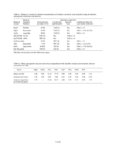
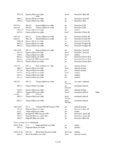
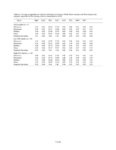
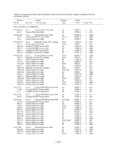
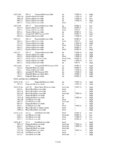
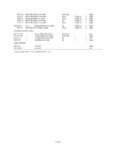
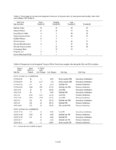
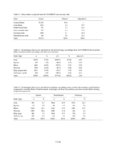
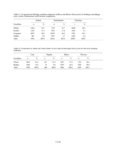
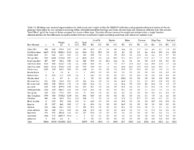
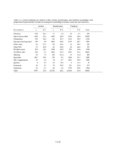
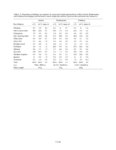
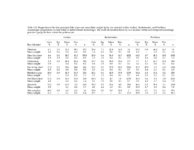
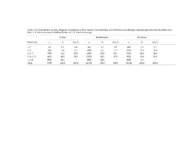
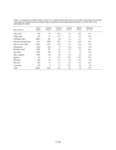
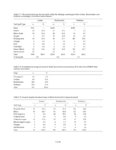
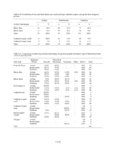
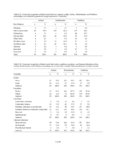
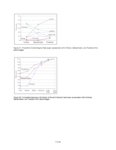
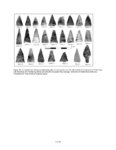
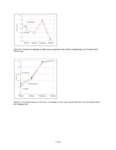
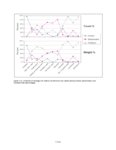
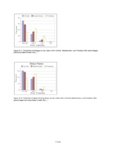
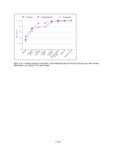
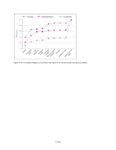
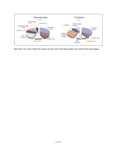
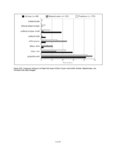
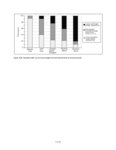
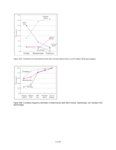
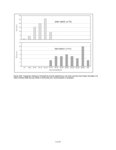
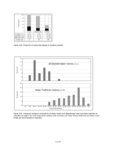
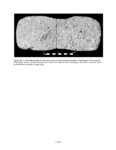
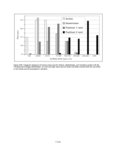
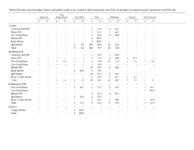
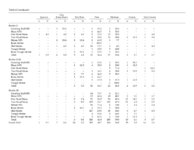
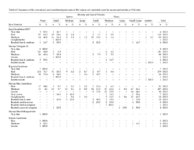
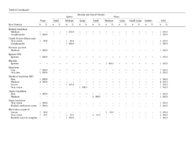
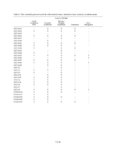
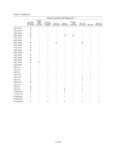
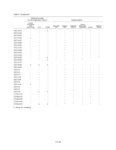
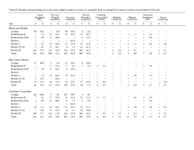
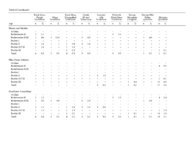
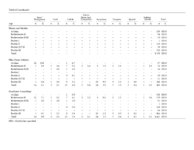
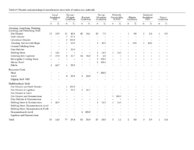
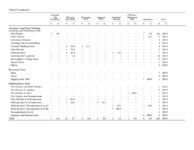
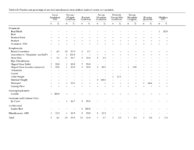
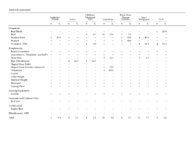
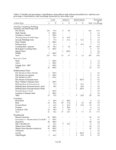
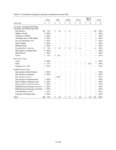
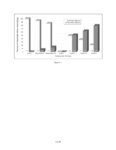
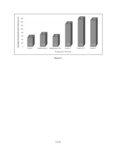
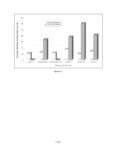
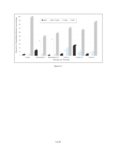
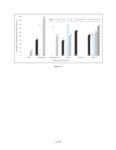
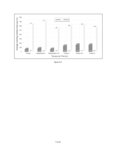
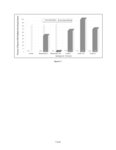
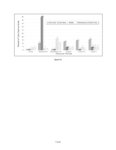
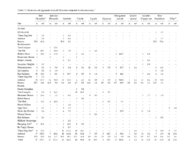
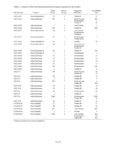
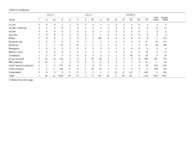
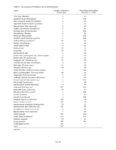
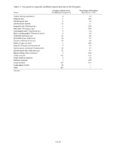
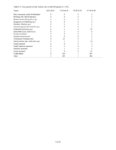
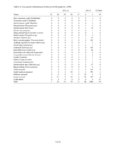
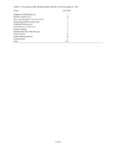
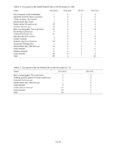
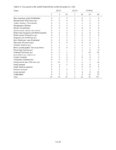
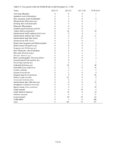
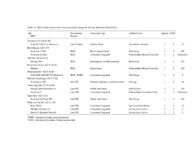
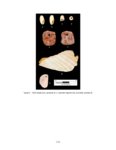
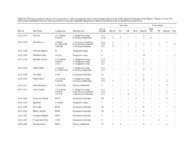
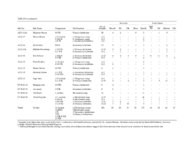
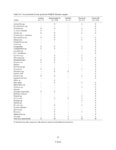
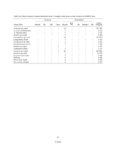
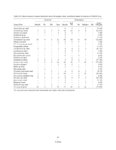
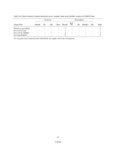
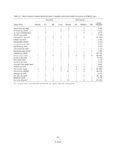
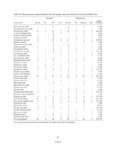
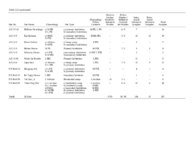
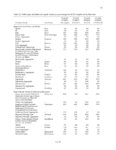
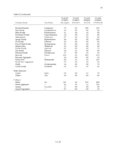
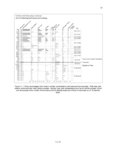
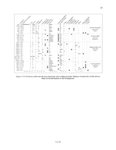
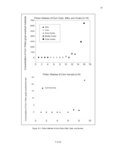
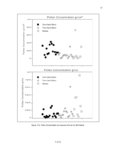
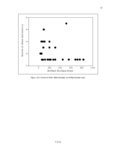
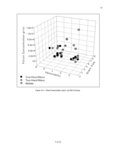
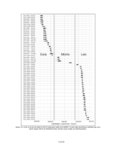
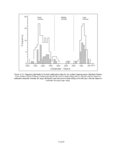
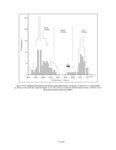
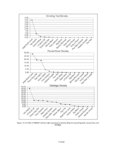
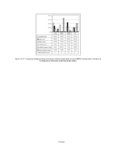
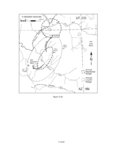
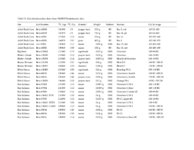
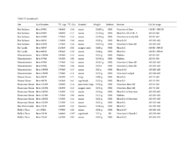
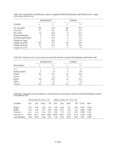
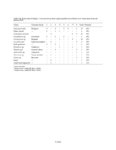
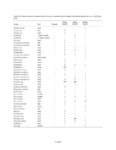
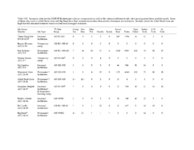
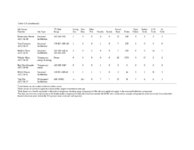
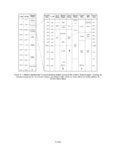
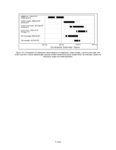
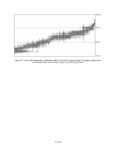
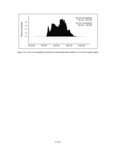
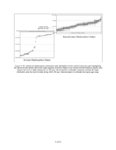
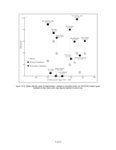
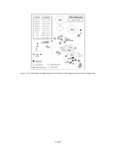
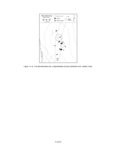
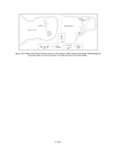
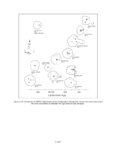
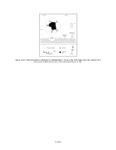
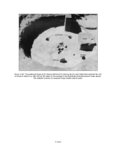
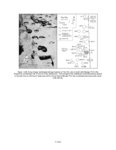
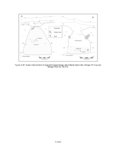
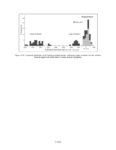
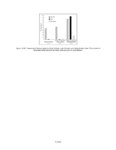
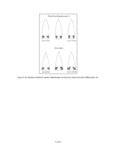
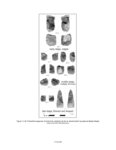
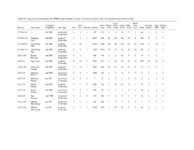
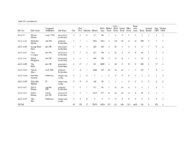
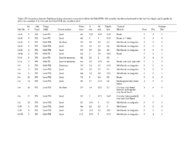
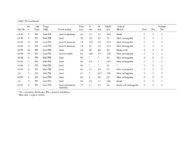
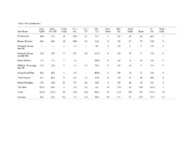
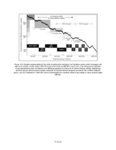
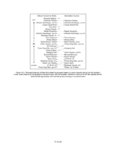
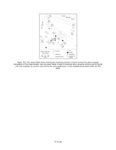
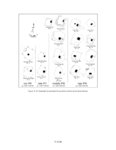
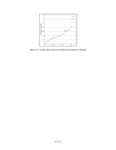
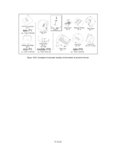
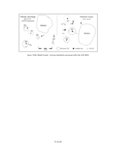
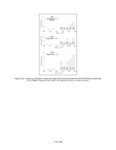
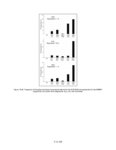
Show Two out of 10 samples falling within the expected date range is quite poor, but a defender of OHD might counter that the other eight dates cannot be dismissed based on the single radiocarbon sample. In this case there is stratigraphic cause to reject at least seven of the other eight samples. The obsidian flakes came from a buried cultural layer overlain by a sterile sand layer and then a Basketmaker II cultural layer. The Basketmaker component at The Pits is well dated at about 400 cal. BC to cal. AD 200 (see Chapter 3 of Volume III), which means that the obsidian flakes should not date to this time or later. In a stretch to make the OHD results fit what is known of the site, one could argue that four of the dated obsidian artifacts are actually from the Basketmaker component (DL-95-437, 442, 438, and 444) and were intruded into the late Archaic layer. For this to be the case there had to have been two reduction events separated by about 2000 years involving the same highly exotic obsidian. The information on obsidian source is also provided in Figure 13.6 (source identification based on XRF-EDS analysis by Richard Hughes, see Appendix A). Five of the dated flakes are of Cerro del Medio glass from the Jemez Mountains source area of north-central New Mexico (Baugh and Nelson 1987) located some 400 km from the site. Basketmaker flintknappers rarely used obsidian for tool production but even if they had, it is highly improbable that they would have been reducing glass from this distant source in exactly the same small area as did late Archaic knappers a few thousand years previous. More important, no flakes or tools of obsidian were recovered from or observed at the Basketmaker II component of The Pits. Based on the lithic analysis, I am certain that the flakes of Cerro del Medio obsidian are from a single tool flaked at a single point in time during the late Archaic. Even if one ignores the calculated ages, the rim widths for this single glass, which vary from 1.90 to 2.92 µ are inconsistent with the notion of a single reduction event. The other five analyzed flakes are of Government Mountain obsidian, a source in north-central Arizona that is considerably closer to the project area (ca. 230 km). The rim widths are almost equally diverse for the flakes of Government Mountain obsidian, although for this material the flakes may well be from several tools (at least I am not certain that they came from a single tool). Again, using the hydration layers alone as a means of relative dating suggests that the flakes were deposited during two or three intervals. These artifacts came from the same buried layer that produced the Cerro del Medio flakes, so a single event in prehistory is indicated. The calculated ages for the Government Mountain flakes show little overlap with those of the Cerro del Medio flakes except for sample DL-95-442. With the Government Mountain flakes we have to add the implausibility of Puebloan artifacts having been intruded into the Archaic cultural layer. The other highly suspect aspect of these results is that the two different obsidian sources produced such incongruent results, with the Cerro del Medio glass older in almost all cases than the Government Mountain glass-there is very little overlap. Although there would be no statistically valid reason to average the dates from each source, if that was done then they would be separated by almost 1800 years (1025 BC vs. AD 745). This is from obsidian that I have every reason to believe was flaked at essentially the same time in prehistory. This suggests that there is probably some source-related variability in hydration rind development that is not being controlled or accounted for, perhaps by assuming that hydration varies based on intrinsic water content, or by the density measurements used as a proxy measure of intrinsic water content, or even both or other factors. My final conclusion is that OHD failed miserably for The Pits. Two of the samples seem to fall within the probable date range of the Archaic component, but whether this was by simple random chance or because the technique actually worked in these instances is impossible to say. The artificial creation of a long continuous series of dates from what was probably a single event in time should sound a loud siren that continuous occupational histories reconstructed by this method are likely as not spurious. Hólahéi Scatter (AZ-J-14-23). At first glance the OHD results for Hólahéi Scatter appear far more reasonable than was true for The Pits. Thirteen of the 15 submitted flakes had measurable hydration rims, with all but one of these quite similar. The outlier has a rim measurement of 3.27 µ and a calculated age of 2315 BC; the other samples have rim measurements from 0.84 to 1.33 µ, with calculated ages between AD 1130 and 1627. The outlying sample is from the Wild Horse source located in the Mineral Mountains of central southwest Utah (Nelson and Holmes 1979; Nelson 1984). This is the single dated flake that is not of Government Mountain obsidian, and even though it occurred in a buried cultural layer along with the other dated flakes, it is conceivably from an earlier use of the site or a scavenged artifact. Excluding this sample leaves the 12 flakes of Government Mountain obsidian. These 12 can be split into two moderately tight groups based either on rim measurements or calculated ages. There are five flakes with ages between AD 1130 and 1217 and a mean hydration rim of 1.3 µ and seven flakes with ages between AD 1542 and 1627 and a mean hydration rim of 0.9 µ. The 12 dates are plotted in chronological order in Figure 13.7. There is no overlap between these two group of dates at one-sigma, but at two-sigma V.13.19 |