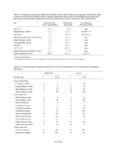
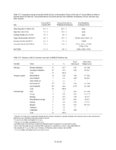
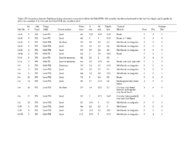
| OCR Text |
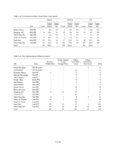
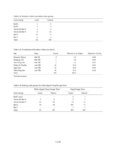
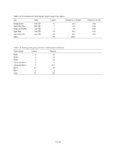
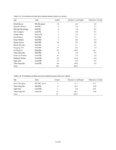
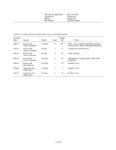
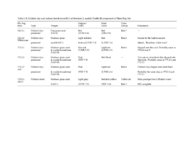
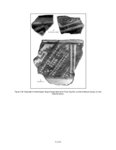
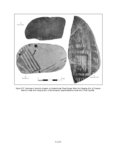
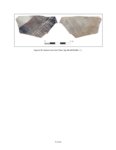
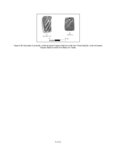
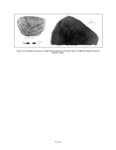
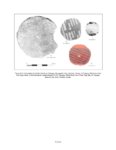
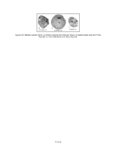
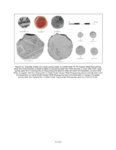
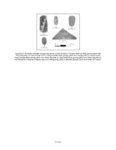
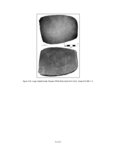
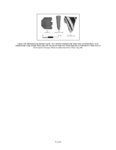
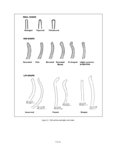
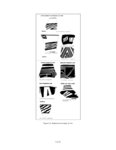
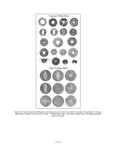
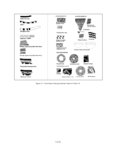
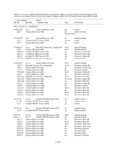
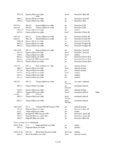
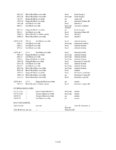
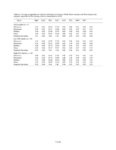
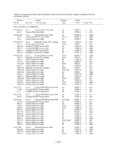
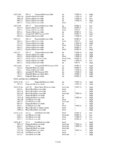
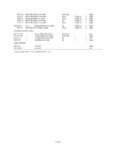
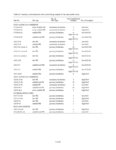
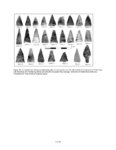
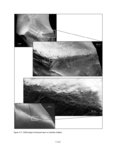
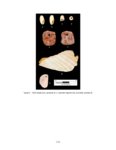
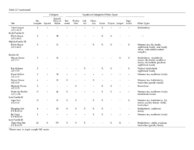
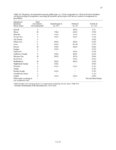
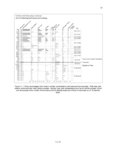
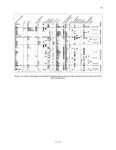
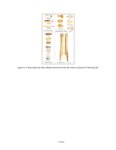
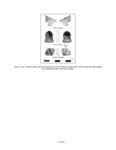
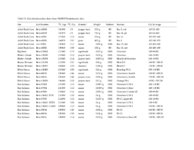
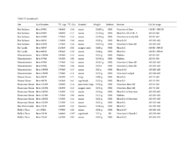
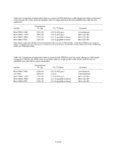
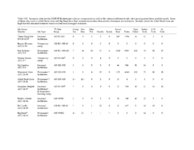
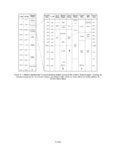
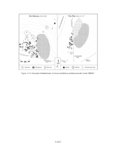
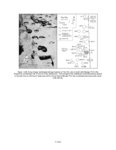
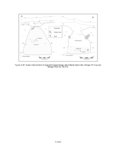
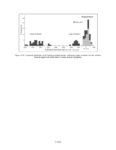
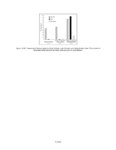
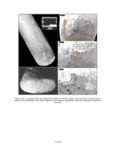
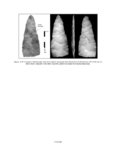
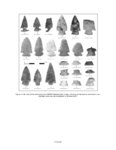
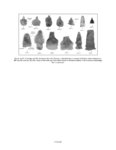
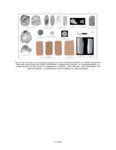
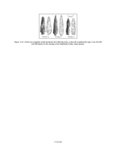
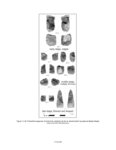
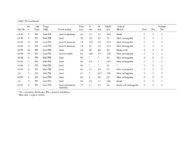
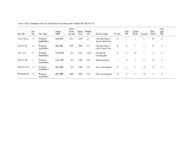
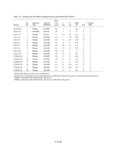
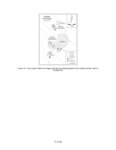
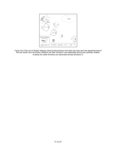
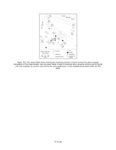
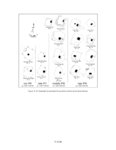
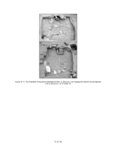
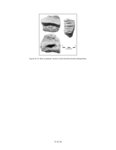
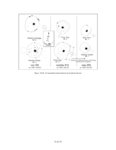
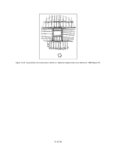
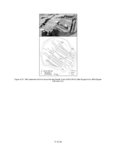
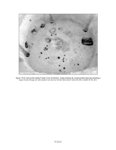
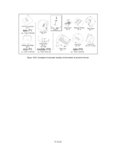
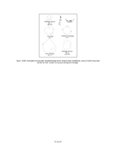
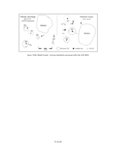
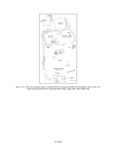
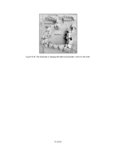
Show recycled point shown in Figure 14.38j. The use-wear facets on the edges of these drills are up to 1 mm wide and the striations are plainly visible in good light without the aid of magnification. The nature of the use-wear is consistent with rotational motion within hard and abrasive substances. Given bit length and width and the extent of wear along the edges it is clear that these tools were used to create deep, wide holes: at least 20 mm deep and 17 mm wide for 14.39h; 25 mm deep and 19 mm wide for 14.39i; 26 mm deep and 23 mm wide for Figure 14.38h; and 22 mm deep and 20 mm wide for 14.38j where the usewear does not extend the full distance of the blade. The one item of Basketmaker II material culture that required such deep and wide holes was the stone pipe, and given the nature of the use-wear this was likely what these drills had been used for. Drills used by the author to bore pipe bowls in siltstone and scoria exhibit comparable use-wear. All four items compare favorably with the pipe drill described by Guernsey and Kidder (1921:95), except that their specimen had more pronounced use-wear. Their tool was hafted to a short wooden handle (Guernsey and Kidder 1921: Plate 35e), as probably were the NMRAP examples when in use. A handle would have been useful for efficient use of these drills, especially for working stone. The dart points recycled as pipe drills might have been used within their original foreshafts, since these would have provided a useful handle. The pipe drill of 14.39h is made from a recycled tip portion of a dart point with shallow notches placed above the break for hafting purposes. To my knowledge, stone pipes are unknown from Archaic contexts of the Colorado Plateau. Equally, Archaic sites lack the drills used to create the bowls of such pipes, including the large late Archaic assemblages of the Rainbow Plateau investigated by the NMRAP. The occurrence of pipe drills in Basketmaker II assemblages, even those from secondary habitations such as Sin Sombra, which yielded the two examples of Figure 14.38, is but one example of a cultural discontinuity between the Archaic and Basketmaker II periods. Other kinds of drills may also be significant in this regard and indeed the overall number and diversity of drills from NMRAP Basketmaker sites vastly exceeds that from NMRAP Archaic sites (see discussion in Chapter 5). Aside from the pipe drills, the other boring tools from Kin Kahuna pictured in Figure 14.39 are a diverse lot, with bit length ranging from long to short and from delicate to robust, and with use-wear indicating a range of substances from soft to very hard. The drills with stubby, robust tips such as 14.39a- e have use-wear suggestive of drilling semi-hard material such as green wood or fresh bone. They are made on thin flakes or flake fragments, usually with minimal edge modification (bidirectional, noninvasive pressure flaking). The bits are 3 to 5 mm long 3-4 mm about 2 mm thick; use-wear indicates a depth of penetration of no more than 3 mm. Given the shallow depth of penetration, these tiny tools could have been hand-held but a haft would have been quite practical; drill 14.39e was notched for hafting. The occurrence of drills like this in Basketmaker II assemblages could result from the proliferation of ornaments and other aspects of Basketmaker material culture that were not seen during the Archaic period. Drills that may well have been used for socketing dart shafts, among other tasks, are those with long and narrow bits such as shown in Figure 14.39f and j-l). One is whole (l) but the rest are represented by two bases and one tip. The breaks on these tools appear to be the result of bending; something that could happen when the tip was embedded to full depth and the tool was flexed off the rotational axis. The usewear, which is best seen on the tip fragment (f) and whole example, is consistent with drilling a semihard material such as wood. These tools are exactly what would be needed for creating the socket on dart shafts to receive the foreshaft. In describing Basketmaker atlatl dart main shafts, Guernsey and Kidder (1921:84) stated that "in the distal or large end of the shaft is drilled a cone-shaped hole 5/16 of an inch in diameter at the mouth and 1 inch to 1.5 inches in depth." The drill bit shown in Figure 14.39f measures 6/16 of an inch wide (9 mm) and just under an inch long (21 mm) to the break, with use-wear extending along the entire length. The two base fragments and the whole example have shallow notches that were probably used for hafting; "l" has notches above an old break and is probably a recycled portion of a dart point tip. The two base fragments also exhibit rather intensive handling polish, including over the notch scars, and they are sufficiently large that there would have been no problem exerting sufficient force without handles. It is interesting that both of theses bases exhibit the same production characteristics as do western Basketmaker II dart points and preforms such as those from Sand Dune Cave, which were finished by a series of wide percussion flakes. Indeed both are of sufficient width and thinness to have been point preforms, but instead their tips were reworked by pressure flaking into long narrow bits for use as drills. Archaic hunters also used atlatls and darts and would have needed to bore the dart main shaft to accommodate a foreshaft, so this kind of drill might not provide evidence of cultural discontinuity. V.14.48 |