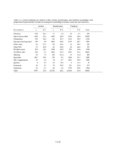
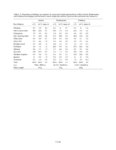
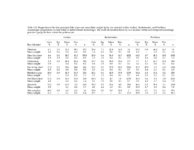
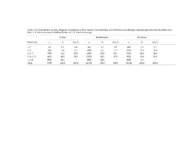
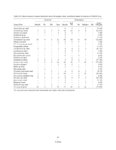
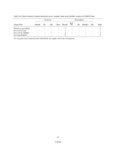
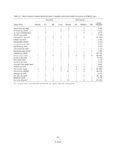
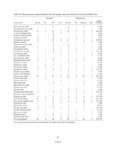
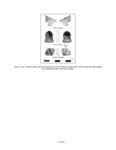
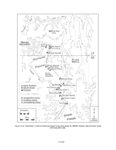
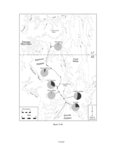
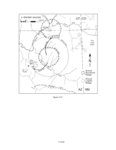
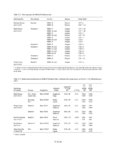
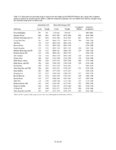
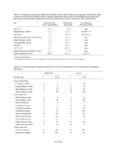
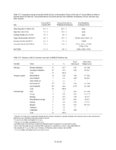
| OCR Text |
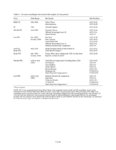
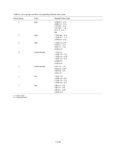
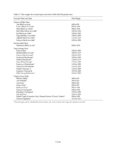
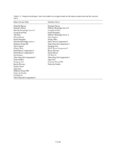
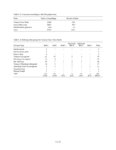
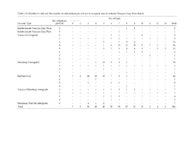
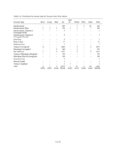
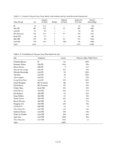
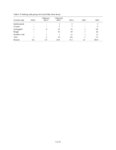
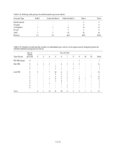
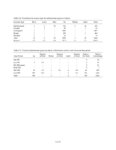
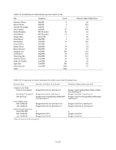
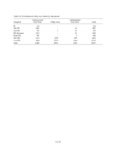
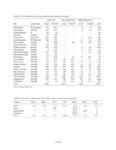
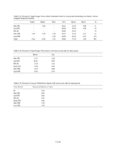
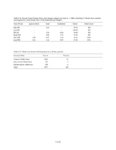
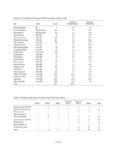
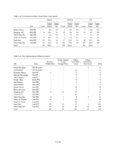
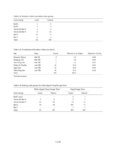
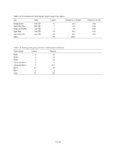
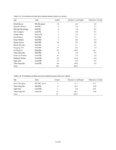
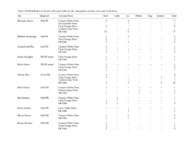
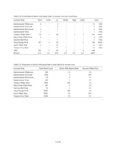
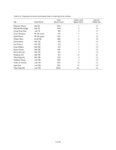
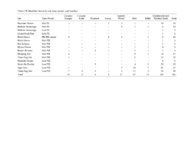
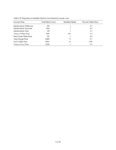
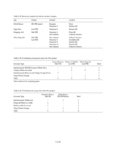
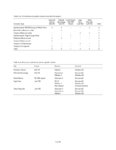
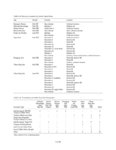
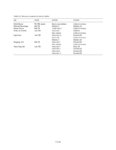
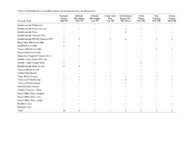
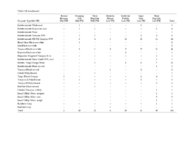
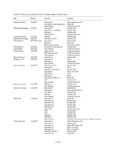
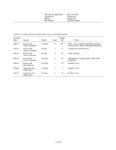
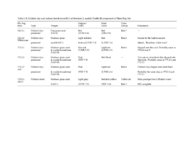
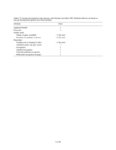
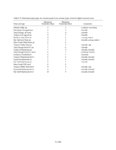
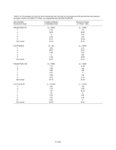
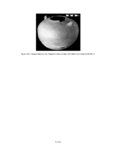
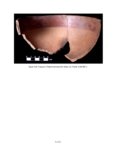
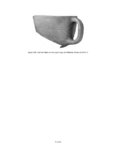
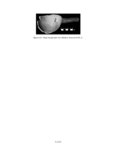
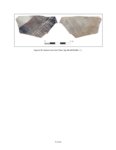
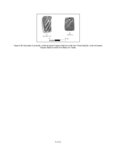
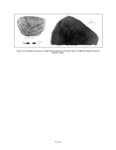
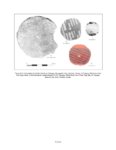
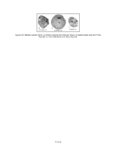
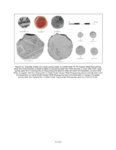
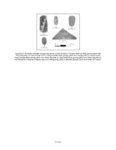
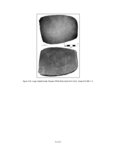
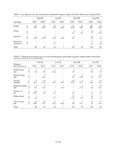
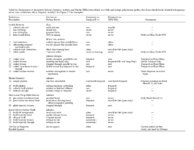
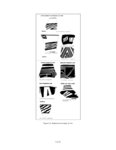
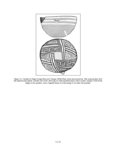
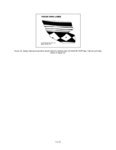
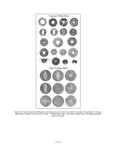
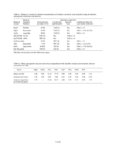
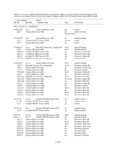
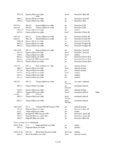
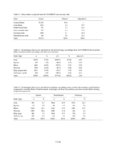
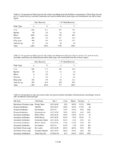
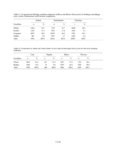
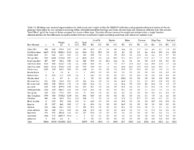
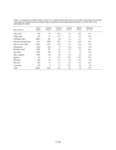
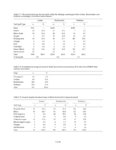
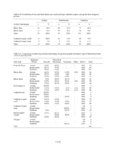
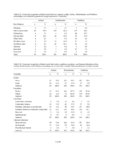
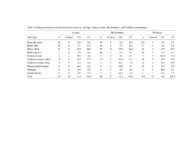
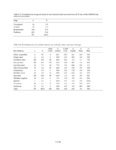
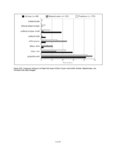
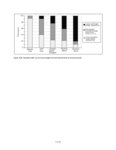
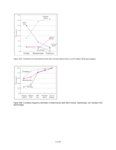
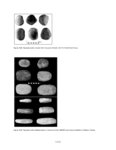
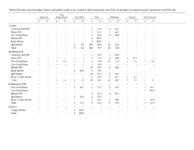
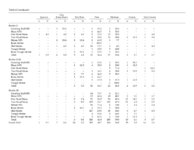
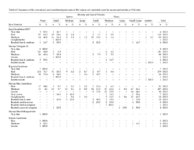
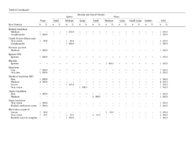
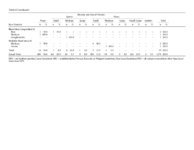
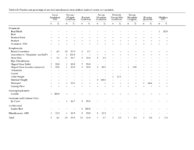
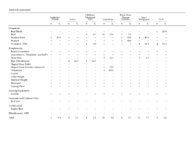
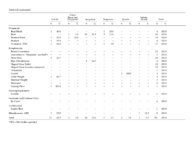
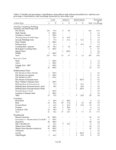
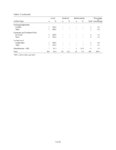
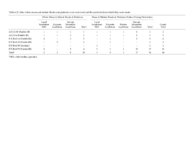
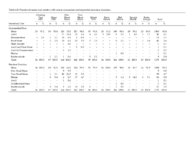
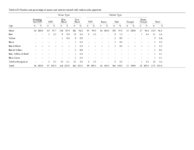
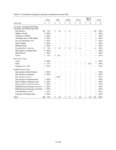
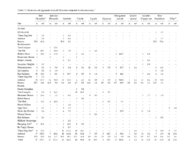
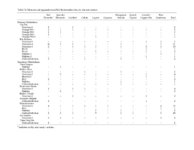
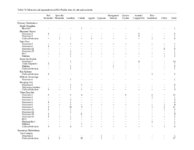
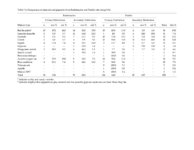
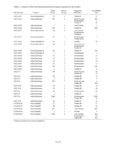
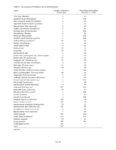
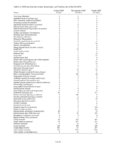
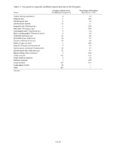
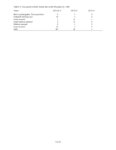
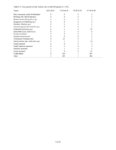
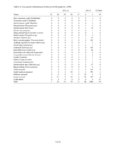
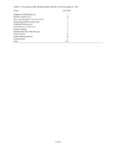
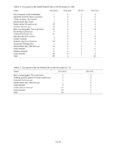
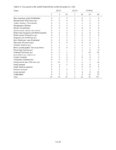
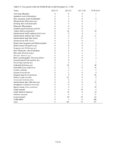
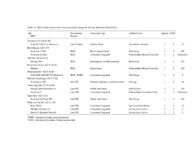
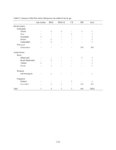
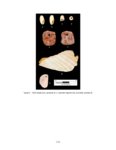
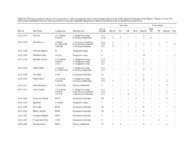
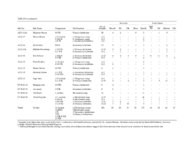
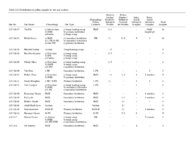
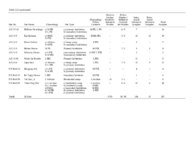
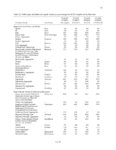
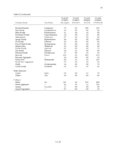
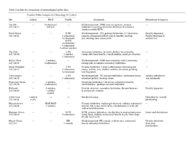
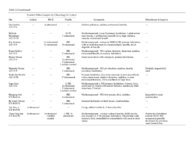
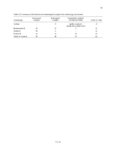
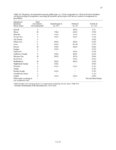
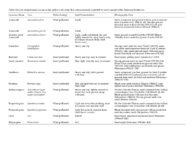
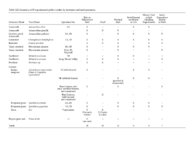
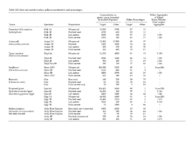
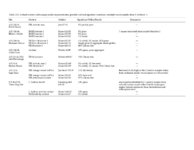
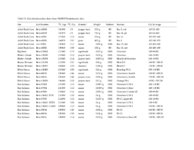
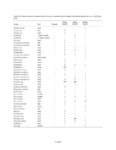
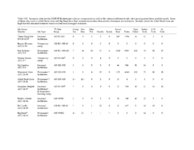
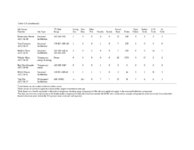
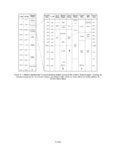
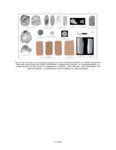
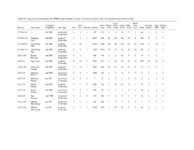
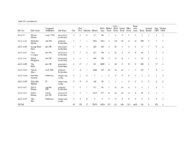
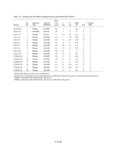
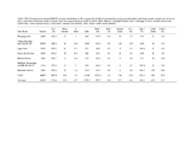
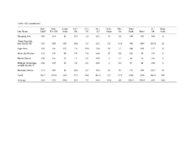
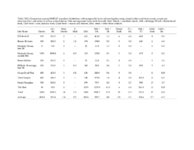
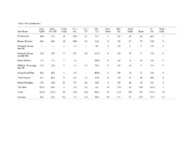
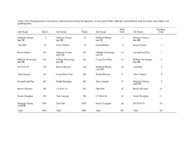
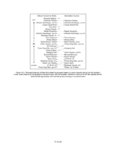
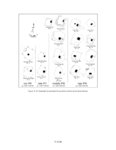
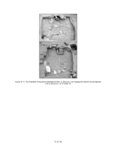
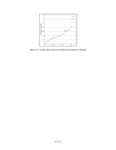
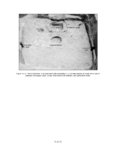
Show Chapter 9 SHELL ARTIFACTS Arthur W. Vokes The prehistoric populations of the Colorado Plateau are not generally known for the extensive use of shell for the creation of personal ornaments. When present, shell artifacts appear to have been acquired as finished products through trade with their neighbors to the south, such as the Hohokam, or with populations to the west in California. The shell material recovered from the excavations undertaken for the Navajo Mountain road (N16) largely reflects this characterization. Nine sites along the ROW produced some shell, with most represented by one or two specimens. The total sample includes 16 pieces of marine shell and one terrestrial snail represented by seven fragments. While the latter probably represents a non-artifactual, environmental sample, the marine shells have been fashioned into a variety of artifact forms for personal ornamentation. METHODS Analysis of the N16 shell material involved the creation of a descriptive record-including the creation of a set of digital images-along with a set of measurements. Notes on condition, shape, decorative motifs, and technology were recorded, along with an estimate of the relative completeness. The classification structure employed is largely based upon that developed by Haury (1937, 1976). Biological nomenclature and identifications were made in accordance with Keen's Sea Shells of Tropical West America, 2nd edition (1971) and Abbott's American Seashells, 2nd edition (1974). GENERA AND SPECIES The genera and species identified during the analysis are listed in Table 9.1. Most of the identified marine shell comes from organisms common to the Panamic province, the northernmost extension of which is the Gulf of California. Along the west coast of Baja California, this current turns back out into the Pacific Ocean near Magdalena Bay, were it merges with the colder currents of the Californian province that run south along the west coasts of North America. These waters are considerably colder, the current having originated in the northern Pacific. Olivella is the most common genus recovered, with a total of five specimens in the sample. While this genus has species in both biotic provinces, the morphology of the shells in the current assemblage indicates that they are from the Panamic community, probably originating in the Gulf. The configuration of the callus on the body whorl of this univalve can be employed to distinguish between specimens from these two provinces (Silsbee 1958). Two of the valves are the species Olivella dama, which is endemic to the Gulf of California. Two others are consistent in shape with this species, but lack other features-such as coloration patterns-that are diagnostic. The fifth specimen is too fragmentary for identification beyond the genus level. Oliva-a genus closely related to Olivella-is similar in form but generally much larger and more robust than the dwarf olive shells. Just a single fragment that incorporates the anterior portion of the body whorl represents this genus in the current sample. This portion is not sufficient for identification of the species. However, all of the eastern Pacific species of Oliva are restricted to the warmer waters of the Panamic community. A fragmentary segment of worm shell was recovered that may represent a portion of a tubular bead. These gastropods form cylindrical shells that-while initially coiled-later straighten out to form extended tubes. It is virtually impossible to distinguish the different genera and species on the basis of an extended segment. The term Vermetidae is used here to identify any of the tube-producing gastropods, including Vermicularia, which are generally placed under a different family from the Vermetidae. Tubular shell-producing gastropods occur in both provinces, although they appear to be more common in the warmer waters of the Gulf region. V.9.1 |