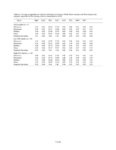
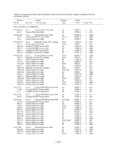
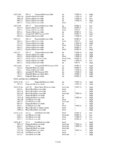
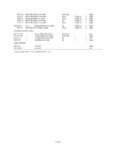
| OCR Text |
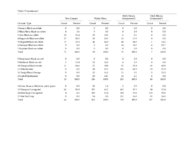
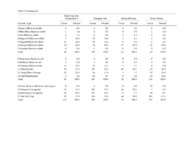
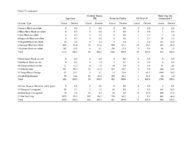
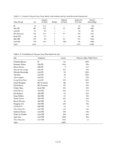
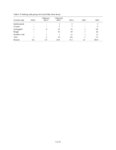
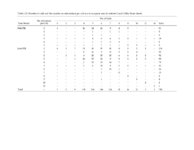
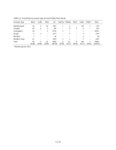
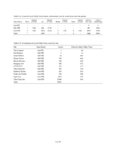
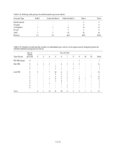
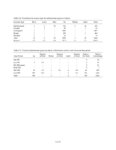
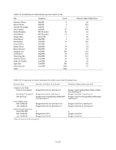
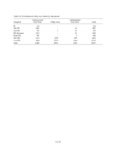
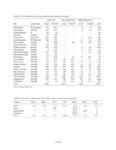
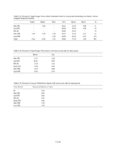
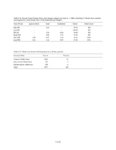
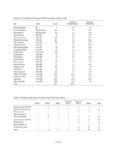
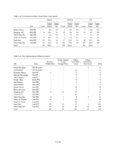
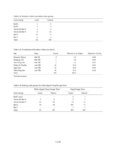
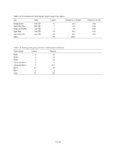
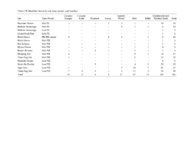
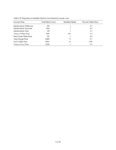
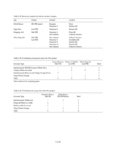
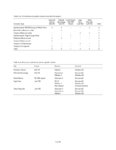
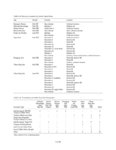
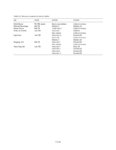
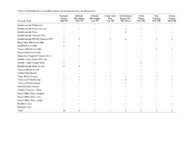
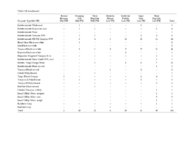
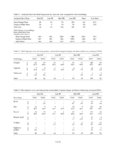
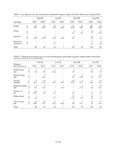
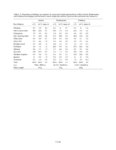
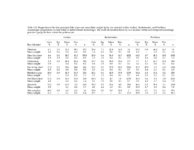
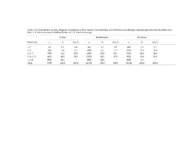
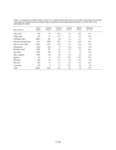
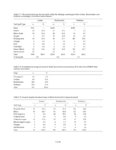
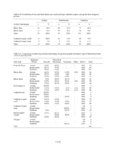
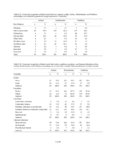
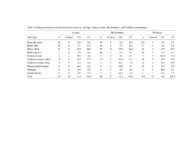
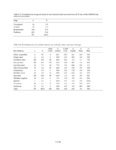
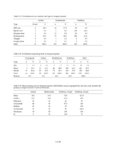
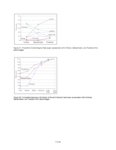
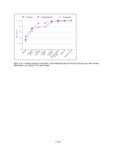
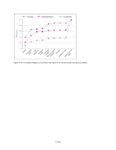
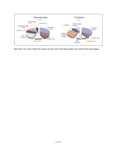
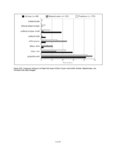
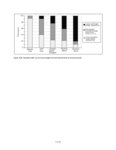
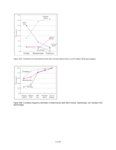
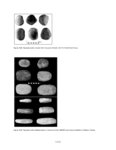
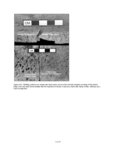
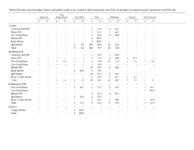
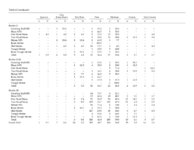
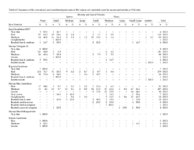
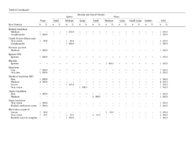
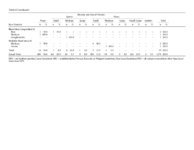
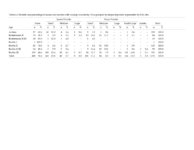
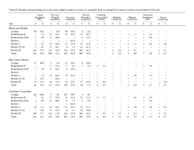
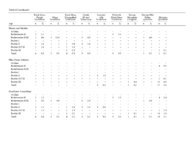
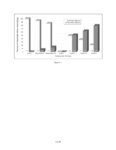
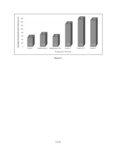
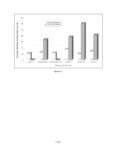
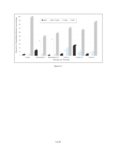
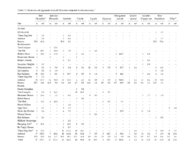
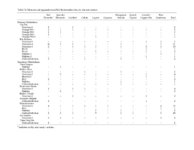
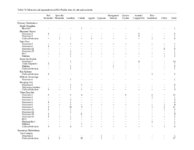
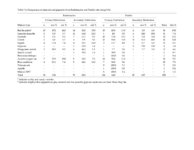
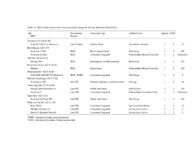
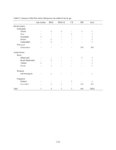
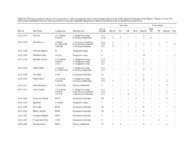
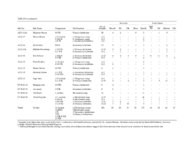
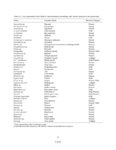
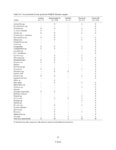
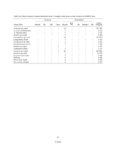
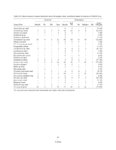
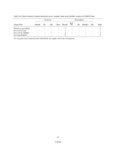
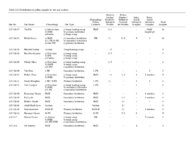
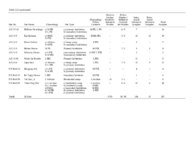
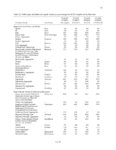
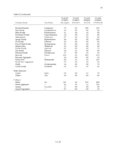
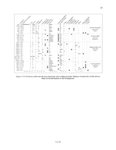
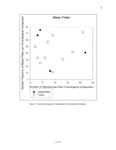
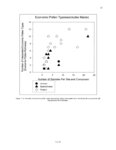
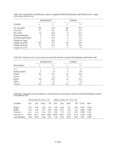
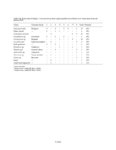
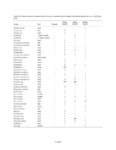
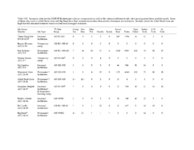
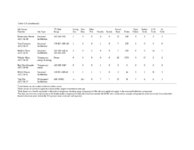
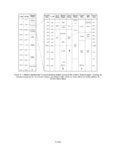
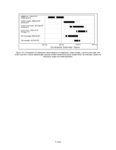
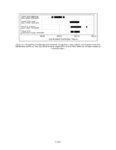
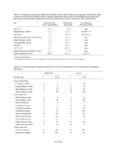
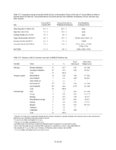
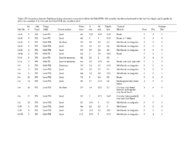
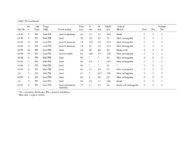
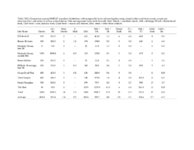
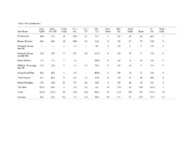
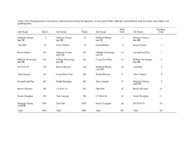
Show AZ-J-2-58. In addition, the artiodactyls are most diverse from the late Pueblo III period, with deer (Odocoileus sp.), pronghorn (Antilocapra americana), and bighorn sheep (Ovis canadensis) all identified in the UT-B-63-39 assemblage. SUMMARY AND CONCLUSIONS The faunal remains recovered from the 31 sites of N16 Segments 3-6 demonstrate that although there were minor changes in the relative abundance of taxa through time, there was a continuous increase in taxonomic diversity from the Early Archaic through the late Pueblo III periods. Starting in the Early Archaic, leporids (jackrabbits and cottontails), artiodactyls, and rodents make up the majority of the faunal assemblage. This pattern does not change at any point for any of the N16 sites. Cottontail rabbits (Sylvilagus sp.) dominate at nearly every site where excavations occurred, the exceptions being where fewer than 10 pieces of bone were recovered, and even then, unidentified small and small-medium sized mammals were identified. This means that the general types of animals hunted for subsistence remained similar over the course of some 8000 years: people exploited a wide variety of the available protein resources and they did so by focusing on cottontail rabbits, deer (probably mule deer, Odocoileus hemionus), and rodents. Birds, reptiles, amphibians, and fish were probably procured when encountered, but their presence is small enough that they comprise only a negligible component of the N16 faunal assemblages. This pattern does change slightly in the middle and late Pueblo III assemblages, with the introduction of turkey (Meleagris gallopavo) and increasing numbers of small rodents and canids. But cottontail and artiodactyls still dominate the economic taxa in the assemblages. These data appear to contradict the traditional archaeological view of the Anasazi as having a specialized subsistence strategy that was heavily reliant on the corn-beans-squash triad. These three domesticates may have played an extremely important role in the Anasazi diet, but the presence of increasing numbers of animal taxa suggests that they played an important role as well, even though this increase comes largely from small rodent taxa attracted to agricultural fields and non-food taxa such as domestic dogs. The continued dominance of rabbits, deer, and rodents in the Pueblo II and III period assemblages suggests that the economic importance of these taxa did not change. As already mentioned, the faunal assemblages of the middle and late Pueblo III sites show an increase in the number of small rodents (i.e., mice) relative to the number recovered from earlier periods. Although small rodents are present in the Late Archaic, Basketmaker, and Pueblo II assemblages, the number of identified rodent taxa increased in the final phase of occupation just prior to Puebloan abandonment of the region. Taxonomic diversity was the highest in the latest periods due in large part to the increase in rodent taxa. This increase likely indicates an increased reliance on agriculture-based subsistence, as stated previously, since small rodents are often attracted to agricultural fields and midden deposits (Linares 1976; Semé 1984). The increase in rodent taxa is also visible in the middle Pueblo III period, which may indicate that by ca. AD 1200, occupants at the N16 sites were intensifying their horticultural pursuits and agricultural crop production. This would support the contention that population reached its all-time high (Ambler et al. 1983; see Appendix F of this report) during Pueblo III, and that food production became an increasingly important method of feeding larger numbers of people. Another issue with regard to subsistence specialization concerns the use of turkey (Meleagris gallopavo)-the one domesticated animal apparently regularly eaten by Puebloan populations (dogs were seldom consumed). Not only does turkey husbandry represent the production of animal protein (and an important source of feathers), but as Stiger (1977:58) suggested, it may mutually benefit agriculture by controlling grasshoppers and other crop pests. The relative importance of turkeys in the Kayenta diet is open to debate; currently there are insufficient data to address this question, and the N16 sites provide little additional information. Of the 31 excavated sites with faunal remains, only three contained turkey bone. One of these (AZ-J-3-8) was a Basketmaker II primary habitation site, and the other two (AZ-J-2-6 and UT-B-63-39) were late Pueblo III period habitations. Bones from these three sites total only 41 remains, and 15 of these from Structure 5 at AZ-J-2-6 were from a turkey burial. Although the turkey remains are few, these sites and others that did not yield turkey bone produced avian egg shell fragments that were likely from turkey, with site UT-B-63-39 yielding an abundance of shell, from at least two clutches (see Chapter 10 of Volume IV). Previous excavations of N16 sites for the southern two segments discovered gastroliths or gizzard stones along with avian egg shells (Russell 1989b); at least six of the gastroliths recovered were small, highly ground and polished chert and chalcedony reduction flakes. This provides further support for turkey husbandry within the northern Kayenta region. Additional evidence consists of a cluster of turkey eggs uncovered during excavation of Neskahi Village (Hobler 1974), as well as both turkey bones and egg shells from the Pueblo II habitation of UT-V-13-19 (NAU; Geib et al. 1985:418). The faunal assemblages recovered from the N16 sites have provided information about the subsistence behaviors of occupants of Kayenta Anasazi region. The results have provided information with which to evaluate other material remains recovered from these sites, and have supported preliminary conclusions about the functions and uses of these sites. Specifically, the faunal remains have V.8.8 |