| OCR Text |
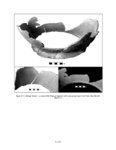
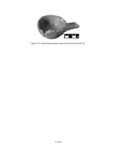
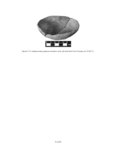
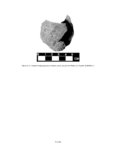
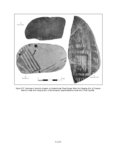
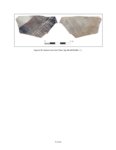
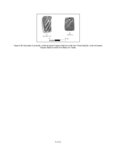
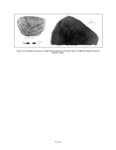
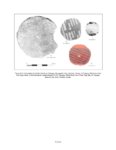
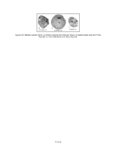
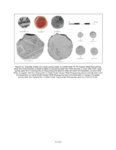
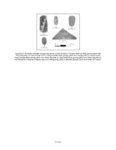
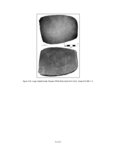
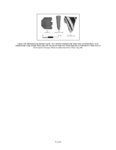
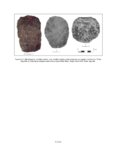
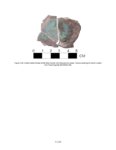
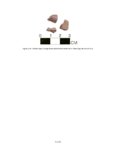
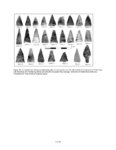
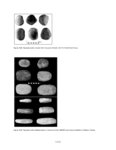
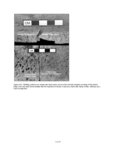
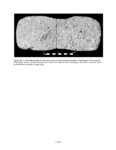
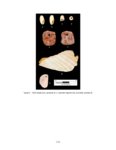
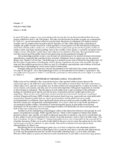
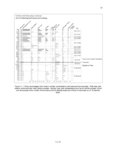
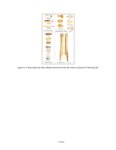
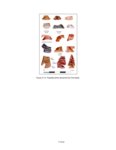
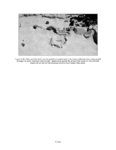
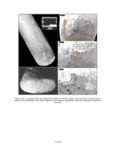
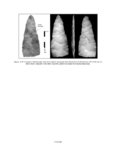
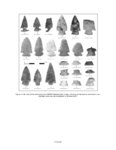
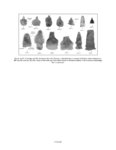
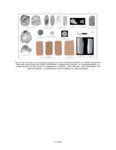
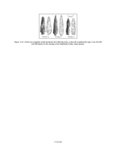
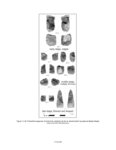
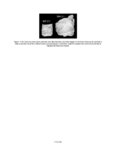
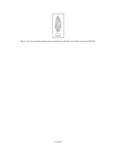
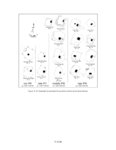
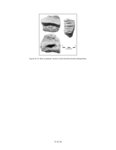
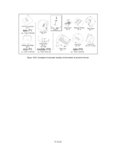
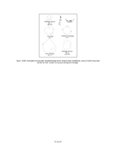
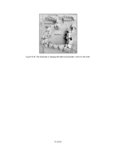
Show Corner-notched Knives Ever since Guernsey and Kidder's 1921 report, corner-notched knife blades have been known to be part of the western Basketmaker II tool assemblage (Guernsey and Kidder 1921:93-95, Plate 35j-l). These large, thin, well-made artifacts (up to 18 cm long and 7 cm wide but just 0.6 cm thick) were doubtless such highly valued artifacts and so readily recycled into smaller tool forms that they are seldom recovered in regular archaeological deposits. The two whole examples described by Guernsey and Kidder came from burials and the hafted but broken specimen came from the fill of a storage cist. A heat-spalled example of such a knife blade came from a Basketmaker II site on northern Black Mesa (AZ D:7:103) along with small heat-spalls from at least 3-4 additional bifaces (Parry 1987b:238, Plate 6-7; Parry and Christenson 1987: Plate 15). These latter tools came from the fill of a hearth along with beads and thus also represent some special depositional context. No Basketmaker II knives were found by the NMRAP excavations although there are numerous examples of bifaces at various stages of reduction, mostly fragments broken during production or use that never made it to the full-thinned or finished stage. Bone, Shell and Stone Ornaments and Miscellaneous Objects Despite being relatively rare finds, ornaments and other less mundane objects such as gaming pieces are still useful measures of the degree of Archaic to Basketmaker cultural continuity. Ornaments of any sort were nonexistent at NMRAP Archaic sites, with only one of the late Archaic components at Three Dog Site yielding bone beads (see Figure 13.14). These small tubular beads made from cottontail and jackrabbit metatarsals and similar elements are quite different from the bone beads typical of Basketmaker II contexts, which are usually made of larger diameter bones and are frequently ground on the exterior surface of the bone to produce a somewhat foot-ball shaped long-section, fatter in the middle than on the ends. In contrast to the NMRAP Archaic assemblages, many of the Basketmaker sites produced ornaments or the unfinished portions or production scraps therefrom as well as other special items such as gaming pieces and atlatl weights. Figure 14.40 shows some examples of the diverse objects recovered from Basketmaker sites. These include objects made of obvious exotic materials such as the siltstone pendants (14.39k-n), whose material is derived from Black Mesa, and the fossil shell pendant (14.39j), which may also come from one of the Cretaceous formations of this geographic feature. These may come from direct procurement or contact with adjacent groups, but the abalone shell pendants (14.39a) are evidence of extensive trade networks that reached the Pacific coast of California. Other objects such as the shaped pieces of iron/manganese (14.39f and g) demonstrate considerable production effort given how hard and dense this material is. The limited evidence from NMRAP Archaic sites of non-utilitarian objects must be qualified by Burial 2 from Sand Dune Cave, which had a necklace of three abalone shell pendants and a pouch containing four pendants made from coal along with projectile points (Lindsay et al. 1968:44). This burial, which is directly dated to cal 2938-3360 BC (Coltrain et al. 2007:316), shows that some Basketmaker II ornaments and distant trade contacts for exotic materials had Archaic precedent. Yet the frequency and type of nonutilitarian objects found at Basketmaker sites suggests something of a cultural discontinuity from the Archaic period in the northern Kayenta region. The natural question with this evidence is whether it merely constitutes the expected effects of increasing sedentism (Wills 1995: 217). The elaboration of material remains that played an important role in public display and ceremony, items involved in the active expression of social messages (Wiessner's [1989, 1983] emblemic and assertive styles), might be wrongly mistaken as a signal of cultural discontinuity when in fact all that changed was the intensity of social relationships. Although this is possible, the rapidity of such change in the northern Kayenta region seems excessive. Moreover, there are other shifts in material culture that appear more consistent with a population influx coincident with the appearance of maize on the Rainbow Plateau. These include mundane items of material culture with low visibility such as the mountain sheep horn flaking tools used in the fabrication of projectile points. Flintknapping tools and the resultant flake scars on bifacial tools are unlikely to change because of increasing sedentism or intensified social interaction and the need to actively display social identity. Yet the Basketmaker II dart points of the Rainbow Plateau differ from those of the late Archaic and not just in general plan view morphology but also in production features. The latter can be linked to the use of different types of stone flaking tools, which arose from differences in enculturation. When considering the whole suite of material remains that may serve to track the history of cultural transmission, both the artifacts that passively monitor or reflect social groups because of learned patterns of production and those that might be used to actively express identity, all suggest a significant disjuncture in the archaeological record of the northern Kayenta region. BASKETMAKER II-III TRANSITION V.14.49 |