| OCR Text |
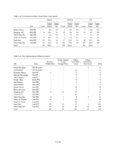
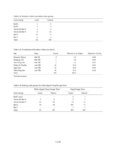
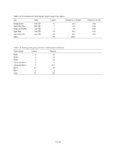
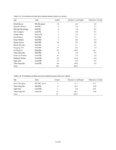
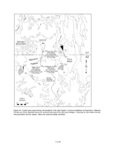
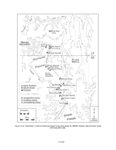
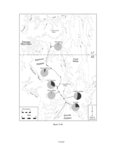
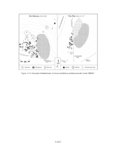
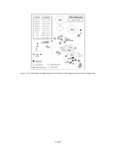
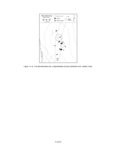
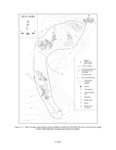
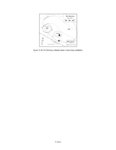
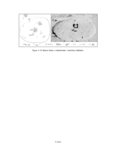
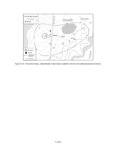
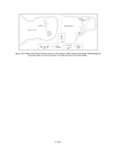
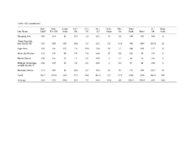
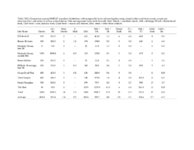
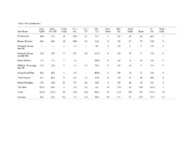
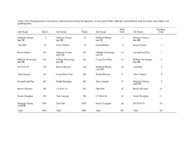
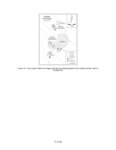
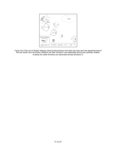
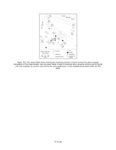
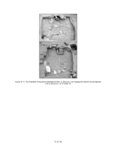
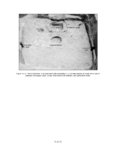
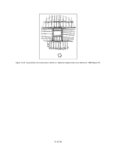
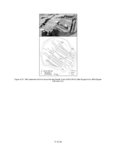
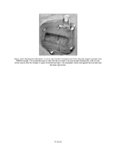
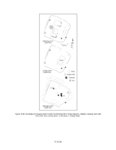
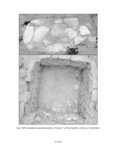
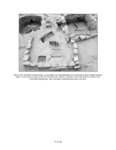
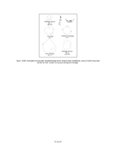
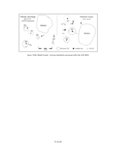
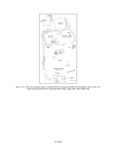
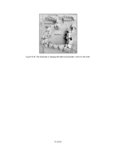
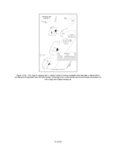
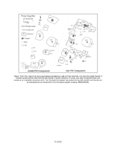
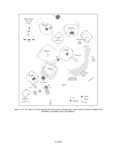
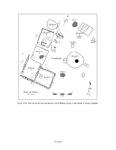
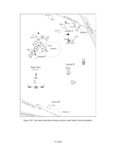
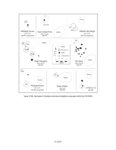
Show formalized village plan thought to have "social concomitants if not social causes" (Hobler 1974:42). It is easy to envision the formal configurations of Surprise Pueblo and Neskahi Village developing out of Pueblo II unit pueblos with palisades. Black Mesa provides some good examples of these (see summary maps in Ahlstrom 2002: Figure 12-1, especially p. 212; also Spurr 1993). Documentation of these features requires broad horizontal exposure during excavation and conditions that favor wood preservation or the definition of postholes, something that appears favored by the presence of silty soils such as occur on Black Mesa. If sufficient care is taken at horizontal exposure, palisades are likely to be revealed at most Kayentan Pueblo II sites such as Small Jar Pueblo on the Rainbow Plateau, where only limited trenching for rooms was done. Palisades are simple fences or screens that in combination with the attached rooms helped to define the residential space. The masonry plaza wall at Neskahi Village clearly grew out of an earlier palisade form since workers found postholes of an earlier wooden wall that originally defined the plaza space. The jacal wall that once ringed the plaza was later converted into two parallel masonry walls. The social underpinnings of the enclosed plaza pueblo, both small and large, were likely identical- strong family ties such as a mother and father and their direct descendants with spouses and children, perhaps several generations deep. It is possible to envision the accretional growth of a slowly expanding plaza pueblo as the result of increasing family size as children reached adulthood and married, with spouses of one sex or another moving in (matrilocal residence is often assumed based on western Puebloan ethnographic analogy [Eggan 1950; Titiev 1944], supported somewhat by richer than average elderly female graves, e.g. the burials at RB568 [Crotty 1983]). Neskahi Village would seem to be at the potential upper size range for a community organized on such direct kin relationships where food stores were centralized rather than under individual household control. Also, beyond the inward-looking insularity of plaza pueblos, they have an inherent physical limit to their growth that can only be overcome by total redesign and rebuilding on an ever larger scale, something that is not very practical. When there is no longer any room within the plaza for a newcomer they must simply be appended to the outside, something that is in evidence at Neskahi Village and perhaps also as well by Structures 8 and 9 at Sapo Seco. Prior to late Pueblo III, the unit pueblo (small plaza pueblo) appears to have been the largest architecturally represented social formation in the Kayenta region (this excludes the Basketmaker III site of Juniper Cove). This does not mean that these unit pueblos might not have been organized at some higher level, but there is scant architectural manifestation of such a practice (see Klesert 1982 for a possible exception, although the evidence provided for a "redistributive center" can be accounted for by other means). Much larger social formations are in evidence during the Tsegi Phase, as the pueblos that were built at that time contained dozens or more separate households. The modular architectural arrangement of the room cluster and courtyard complex is inherently more useful for creating ever larger pueblos by appending new households without having to redesign and rebuild existing structures. Plaza pueblos were also evidently combined together to form multi-plaza pueblos such as Long House (Dean 2002:144, Figure 6.13), although whether the individual plaza units of these larger sites were organized like those of single plaza sites like Neskahi Village is debatable. Village size evidently could be increased as long as there was some means of social integration or some force that exceeded the strains of ever larger social groups-war and fear of others according to Haas and Creamer (1993, 1995), though direct evidence of violence is virtually nonexistent in the Kayenta region (Haas and Creamer 1993: Figures 4-27 and 4-28) compared to the Mesa Verde and Chaco regions (e.g., LeBlanc 1999; Turner and Turner 1999). It is plausible that plaza sites like Neskahi Village, which occupy prime settlement locations, represent a single large kin group with long-standing kinship or communal ties to an area, holding on to an older pattern of residence (Lindsay 1969:367) whereas nearby courtyard pueblos such as Pottery Pueblo were built by people experimenting with new means of social integration, perhaps a previously dispersed community of unrelated families but also including transients or newcomers, allowing ever larger architectural configurations that more easily incorporated individual households without direct family ties. The courtyard format of residential construction allowed this to occur far more easily than the plaza format. New residential groups might have been welcomed because of special knowledge or skills that they offered, either practical or ritual, or perhaps simply because they added to the numerical strength of a settlement. The main habitation area of Sapo Seco previously characterized (Locus A), seems to have been the residential site of an extended household situated for efficient food production and processing, but the site overall shows a considerably more complex settlement pattern than that of a small unit pueblo, as it is surrounded by scattered pit houses and therefore has the appearance of a small pit house village. There were three other residential loci at this site, all of which were located in a northeast to south arc 10-30 m V.15.33 |