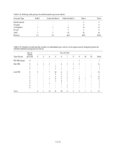
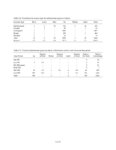
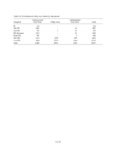
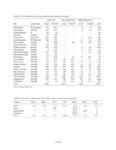
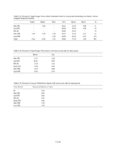
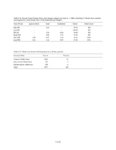
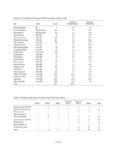
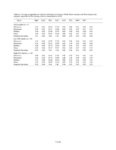
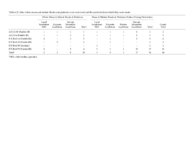
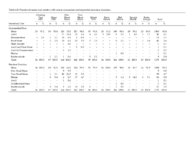
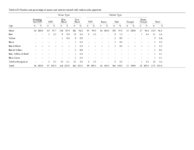
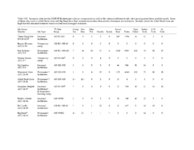
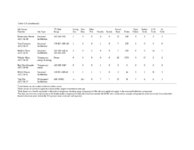
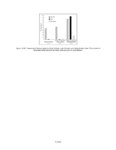
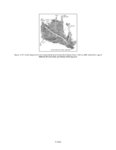
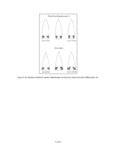
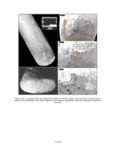
| OCR Text |
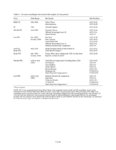
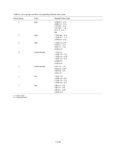
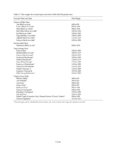
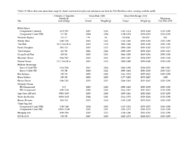
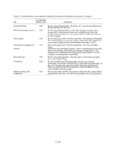
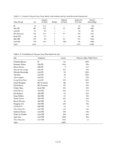
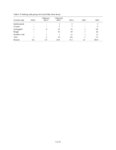
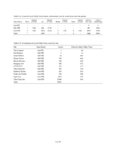
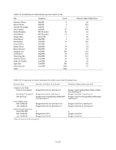
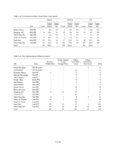
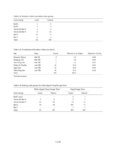
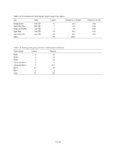
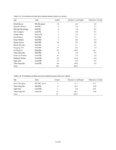
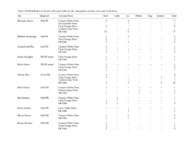
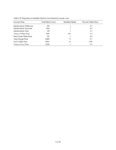
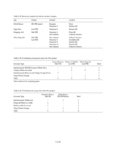
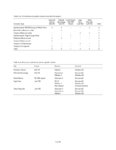
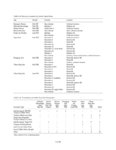
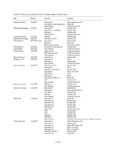
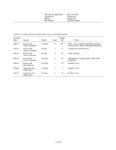
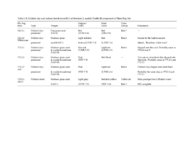
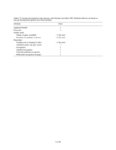
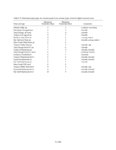
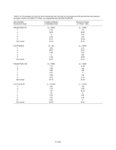
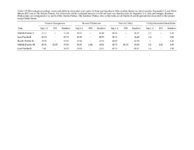
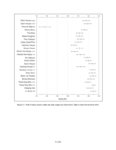
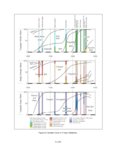
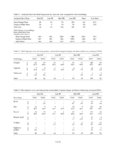
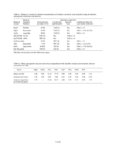
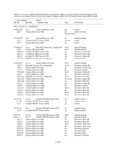
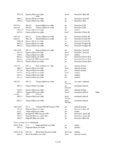
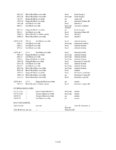
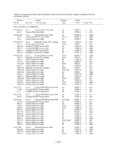
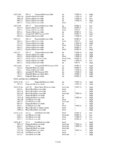
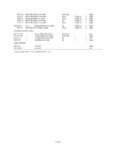
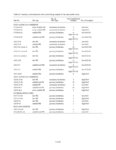
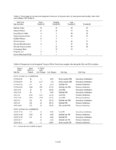
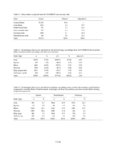
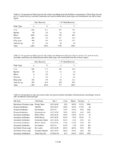
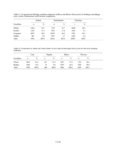
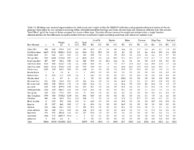
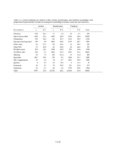
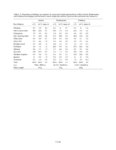
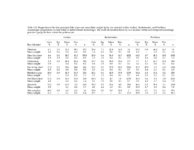
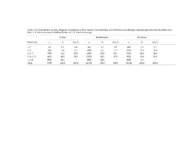
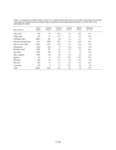
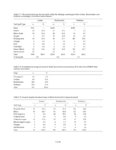
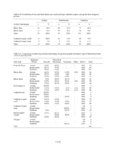
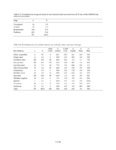
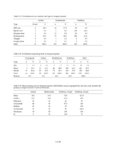
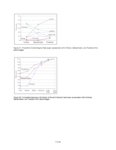
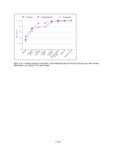
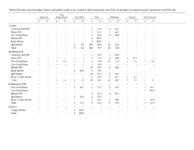
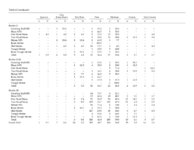
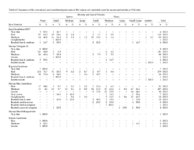
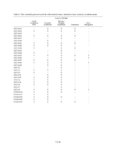
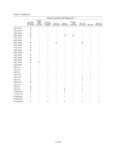
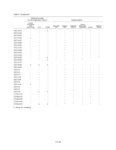
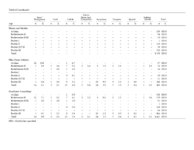
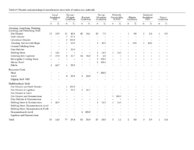
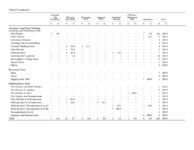
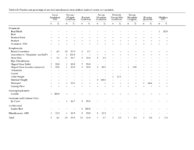
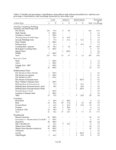
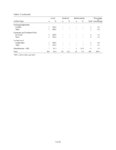
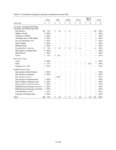
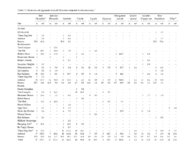
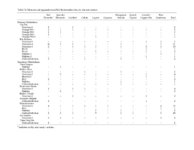
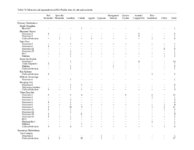
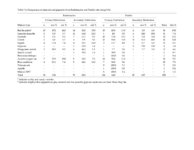
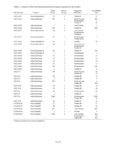
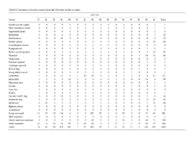
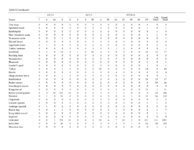
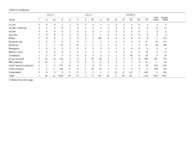
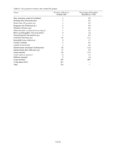
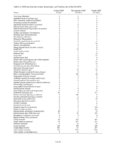
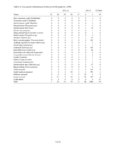
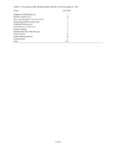
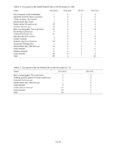
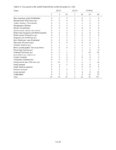
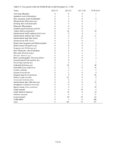
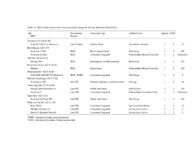
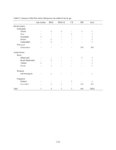
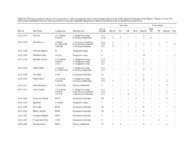
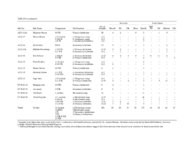
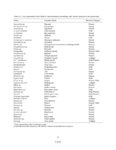
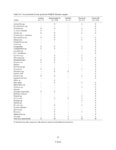
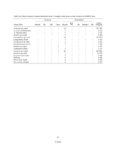
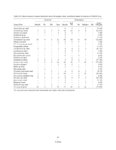
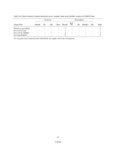
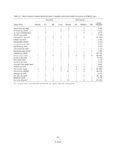
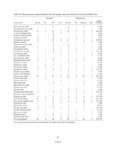
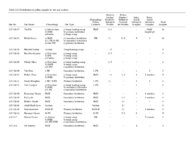
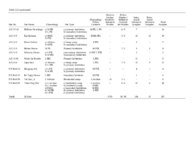
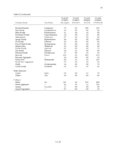
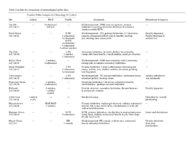
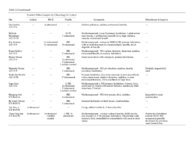
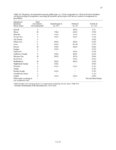
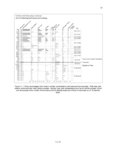
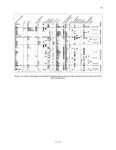
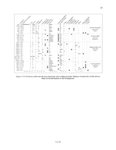
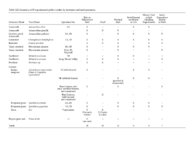
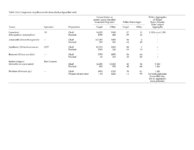
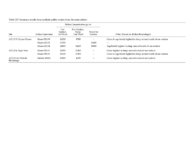
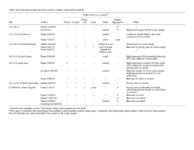
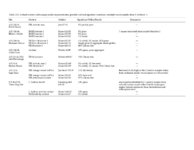
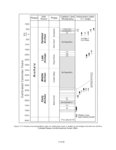
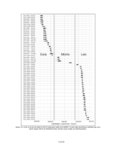
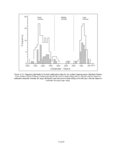
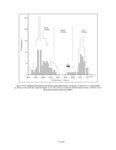
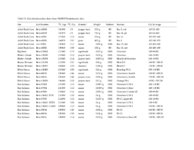
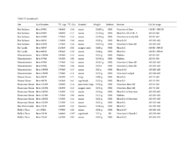
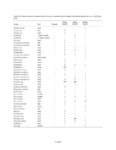
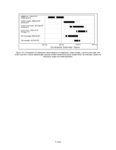
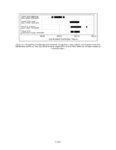
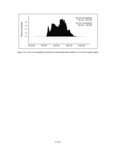
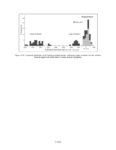
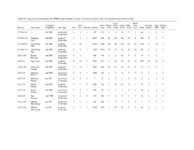
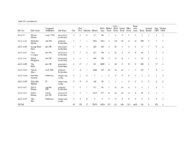
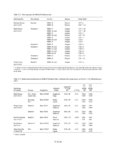
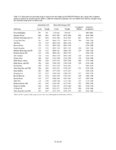
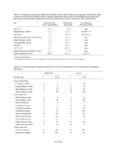
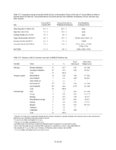
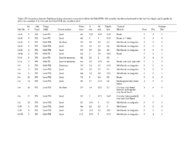
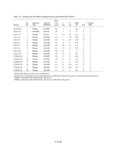
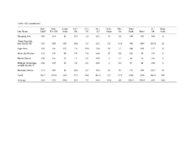
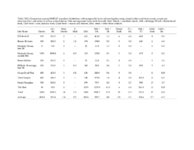
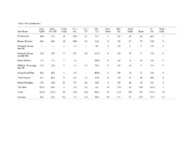
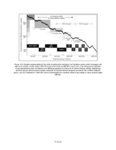
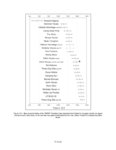
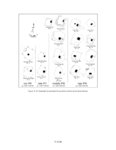
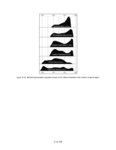
Show other plant remains that would more accurately estimate the age of feature use. Almost invariably the macrobotanical analyst did not find any carbonized annuals, or at least none in sufficient quantity for a trustworthy date-i.e., there might be a single Cheno-Am seed fragment weighing less than 0.001 g. Thus many of the NMRAP Archaic hearths yielded nothing other than wood charcoal for radiocarbon analysis. In such cases I usually tried to submit as many individual charcoal pieces as possible. I could have dated a single charcoal piece from each hearth by AMS, but there is no reliable way of knowing beforehand which piece of charcoal most closely approximates the episode of burning, and the one chosen might be very ancient. Assaying numerous charcoal chunks results in a date that is an "average" for many separate individual ages (the age of each charcoal chunk), which reduces the relative contribution of extremely old wood (see Smiley 1985:72). Relying on wood charcoal dates to provide temporal control for the Archaic period does not present insurmountable interpretive problems. Because of the overall coarse temporal resolution for the Archaic and the millennial intervals used for comparative and interpretive purposes, even a 1000-year age discrepancy resulting from the burning of old wood is of minor consequence. The critical issue is not to over-interpret the dates from any single site as necessarily indicating overly long intervals of use or as evidence for multiple occupations. The one problem is with late Archaic sites that approach in time the interval when domesticates were introduced. NNAD used Beta Analytic as the primary contractor for radiocarbon dating services. All of the standard beta-decay counting was done in-house at Beta, with the AMS samples pretreated and prepared into graphic targets for dating at one of their consortium accelerator laboratories. NNAD requested that all AMS samples be analyzed at Lawrence Livermore National Laboratory to help reduce potential problems with inter-laboratory comparability (see discussion of this issue in the Basketmaker II dating section of Chapter 15). Prior to submission to Beta, the author carefully inspected each sample under a binocular microscope and removed any roots or other foreign materials. Beta Analytic also performs physical pretreatment, but my initial cleaning seemed a useful step towards ensuring accurate results. The NMRAP Archaic Dates The N16 excavations produced a sizeable sample of 59 radiocarbon dates for the Archaic period and another 75 radiocarbon dates from the following Basketmaker II period. This separation between Archaic and Basketmaker II dates is discussed in greater detail in Chapter 15 of this volume, with the Basketmaker II dates presented and discussed there. Suffice it to say here that maize was not found at NMRAP sites that dated before 2400 BP, yet nearly all sites that dated after 2400 BP contained maize, some in considerable abundance; the earliest direct date on maize for the project area is 2230 BP. The 59 Archaic period dates, ranging from 9780 BP up to 2520 BP, are listed in Table 13.3 by site and then by conventional radiocarbon age in descending order. This table also provides information on the type of material dated, the initial pretreatment weight of the sample, the dating method used (betadecay or AMS), the measured or assumed 13C value, the feature, and the calibrated two-sigma age range. The latter were calculated using the OxCal program, Version 3.5 (Bronk Ramsey 1994, 1995, 1998). Figure 13.4 plots all but the oldest of the 59 dates according to calibrated age; included are both onesigma ranges (solid black boxes) and two-sigma ranges (enclosing boxes). The 59 Archaic period dates come from 13 sites, including Atlatl Rock Cave. All but 2 of the 14 open Archaic sites investigated during the project could be assigned a temporal placement based on radiocarbon dates, in most cases multiple dates. Of the two Archaic sites that could not be assigned, one (UT-B-63-38) lacked features and thus carbon samples altogether, whereas the other (Hólahéi Scatter) produced carbon samples from what we ultimately interpreted as natural burns unrelated to the nearby artifact and faunal assemblages. The test excavations at Atlatl Rock Cave produced numerous carbon samples; 3 of the 12 submitted for radiocarbon analysis were from the site's Archaic component. The oldest date in Table 13.3 is from an isolated hearth at The Pits and is the one not included in Figure 13.4. This sample might provide evidence of late Paleoindian occupancy but it lacks any associated remains. At 1500 radiocarbon years older than all other Archaic assays, this date remains an intriguing anomaly that cannot be integrated with the current discussion. The pattern immediately evident from Figure 13.4 is two main date clusters with little or nothing in between. The first cluster is during the early Archaic, prior to 5500 cal. BC, and is represented by 23 dates from 10 sites, including Atlatl Rock Cave. The second cluster is during the late Archaic between 2500 and 500 cal. BC, and is represented by 31 dates from 4 sites. Although there are fewer sites, two of the late Archaic sites are of substantial size and complexity, far more than those of the early Archaic, representing many separate episodes of use. Except for Atlatl Rock Cave, the early Archaic sites appear to result from brief single-use episodes or at most just a few closely overlapping episodes. Atlatl Rock Cave showed no V.13.14 |