| OCR Text |
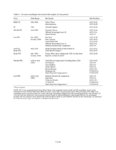
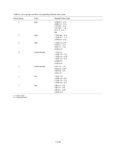
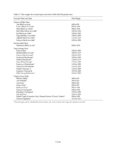
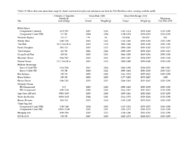
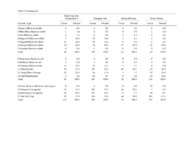
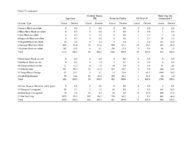
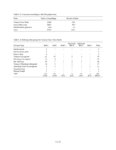
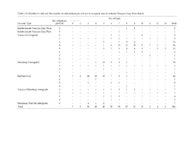
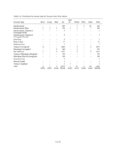
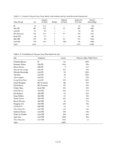
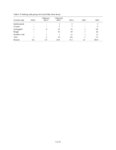
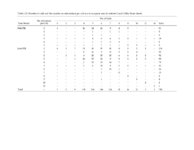
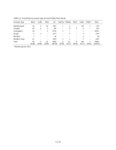
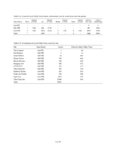
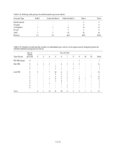
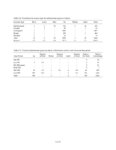
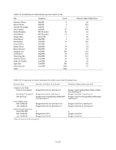
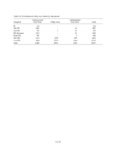
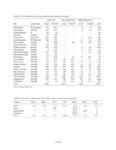
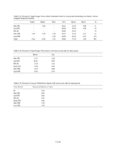
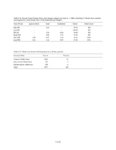
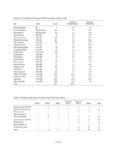
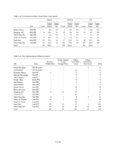
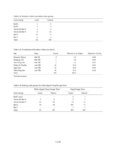
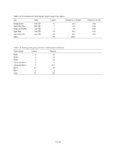
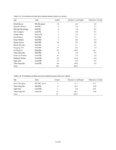
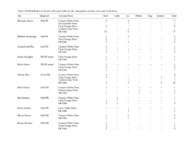
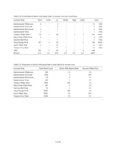
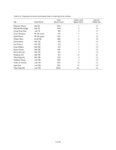
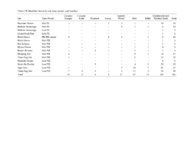
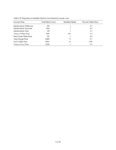
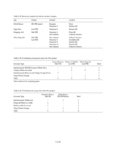
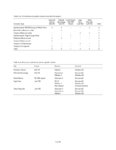
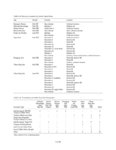
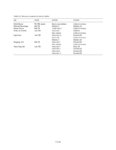
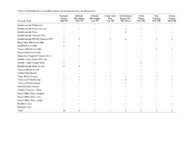
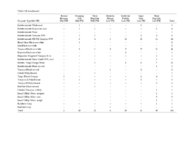
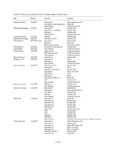
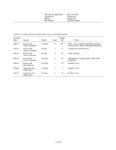
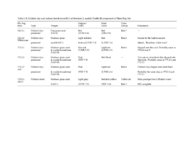
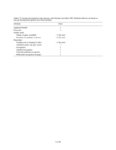
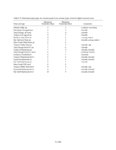
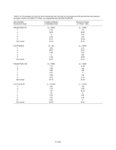
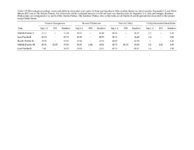
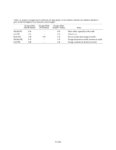
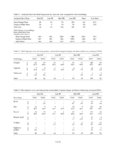
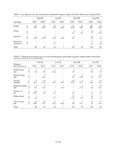
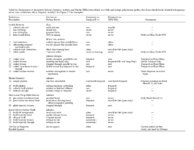
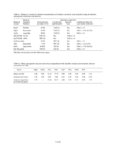
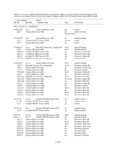
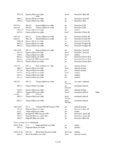
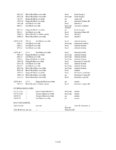
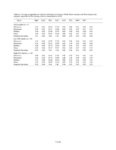
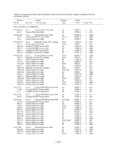
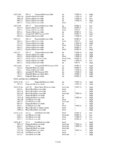
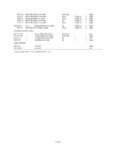
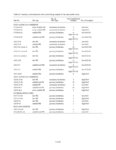
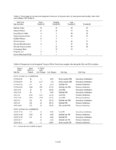
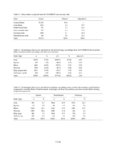
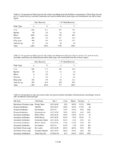
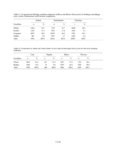
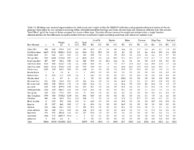
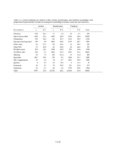
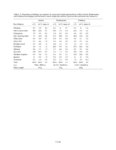
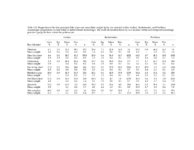
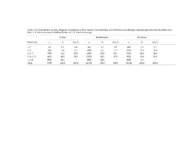
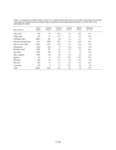
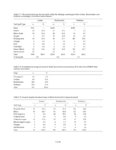
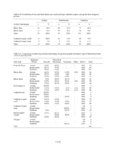
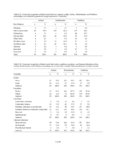
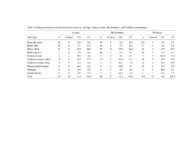
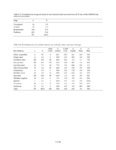
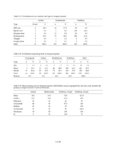
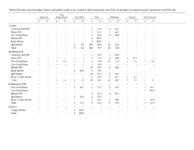
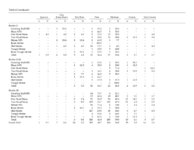
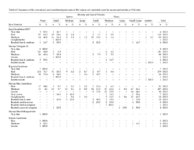
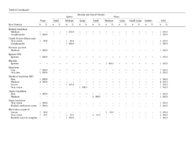
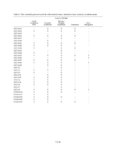
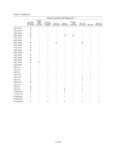
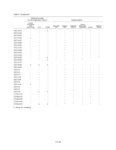
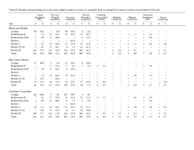
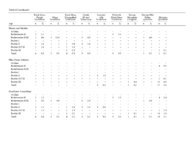
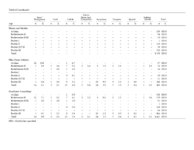
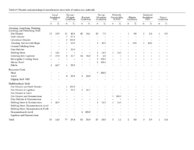
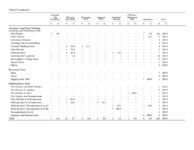
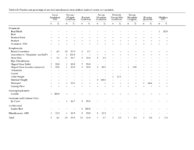
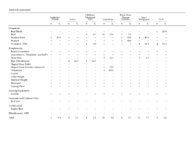
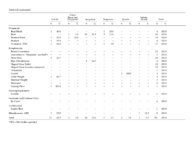
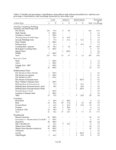
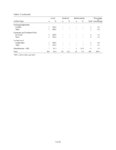
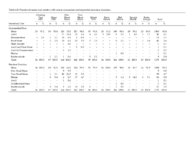
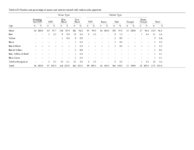
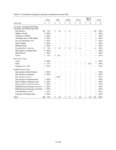
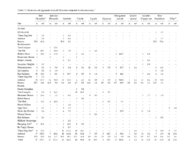
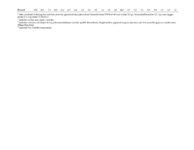
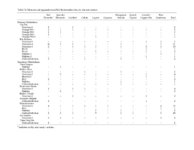
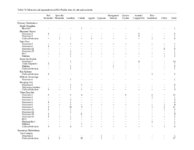
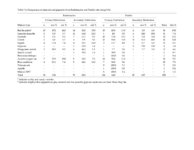
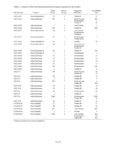
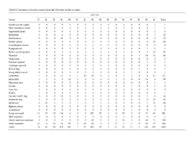
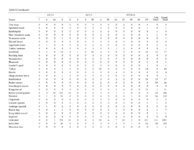
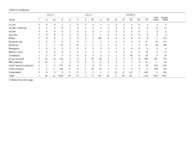
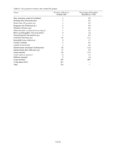
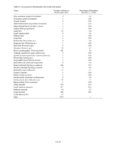
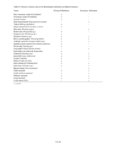
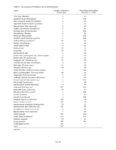
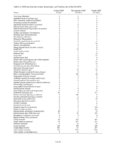
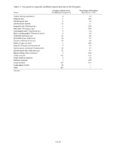
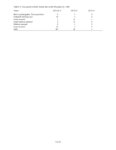
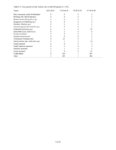
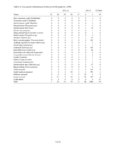
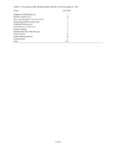
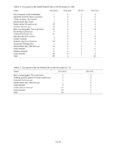
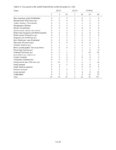
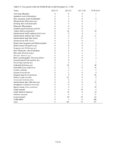
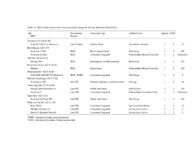
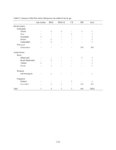
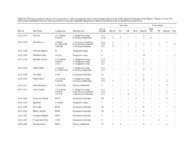
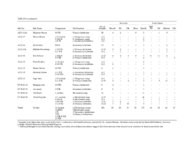
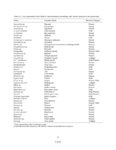
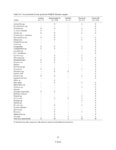
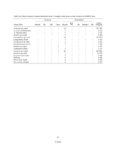
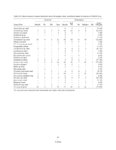
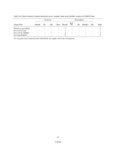
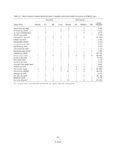
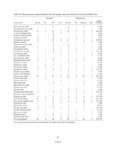
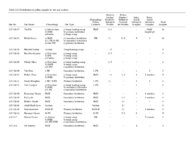
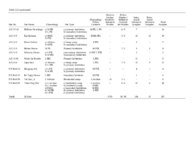
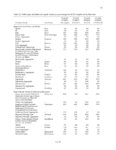
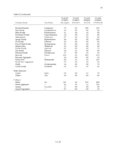
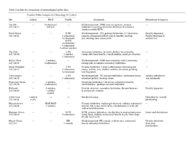
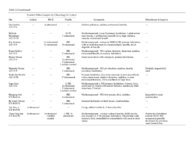
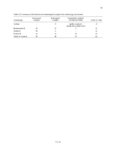
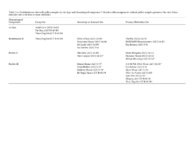
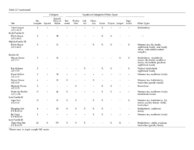
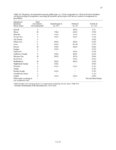
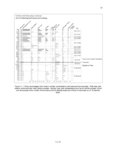
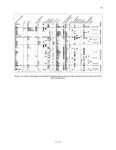
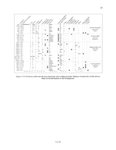
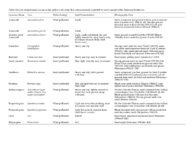
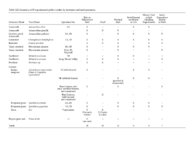
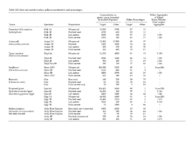
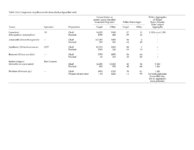
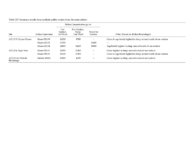
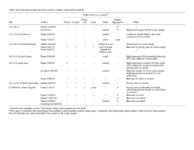
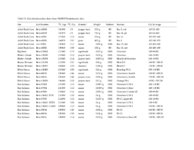
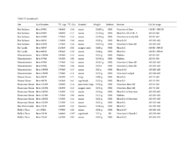
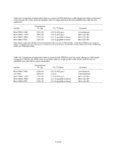
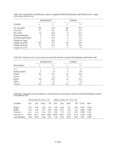
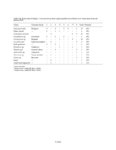
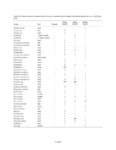
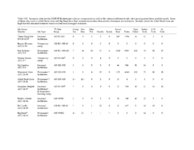
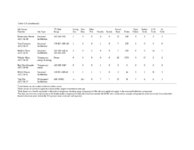
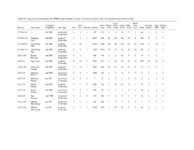
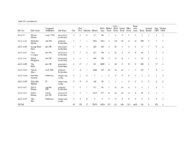
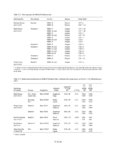
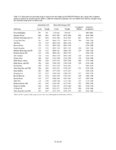
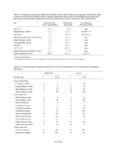
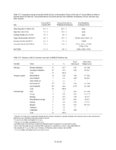
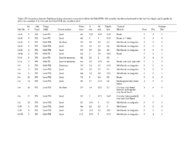
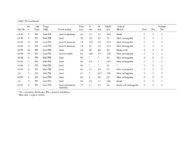
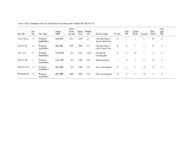
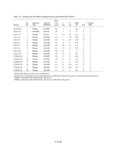
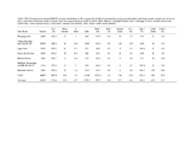
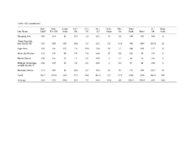
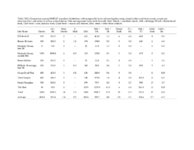
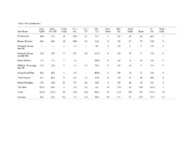
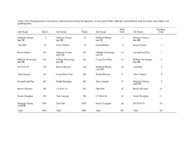
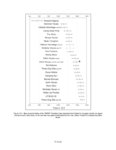
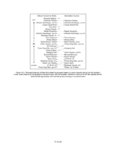
Show carnivore gnawing), pathologies, and numbers of specimens present. Measurements were taken for complete elements when they were identified. For both identifiable and unidentifiable remains, specimens were separated based on a general size classification. Size distinctions were made as follows: small (reptiles, small rodents, small birds), smallmedium (rabbits, large rodents, passerine birds), medium (coyotes, bobcats, ravens), and large (deer, elk, hawks). Although identifications to species were preferable, specific identifications were not made in the case of cottontails because there are presently two species of cottontail rabbits in the study area (Macdonald 1995): the desert cottontail (Sylvilagus audubonii) and Nuttall's cottontail (Sylvilagus nuttallii). Cottontail identifications were thus made to the generic level, Sylvilagus sp., and not to the specific level to avoid conflating these two species. TAXONOMIC COMPOSITION The recovered faunal remains from the Segment 3 through 6 sites on the N16 project compare favorably with the distribution of species noted at other Kayenta Anasazi sites (Bingham and Tratebas 1989; Christenson and Parry 1985; Geib et al. 1985). Table 8.2 shows the distribution of the faunal remains by taxa for each of the N16 sites that yielded animal bone. The scientific names associated with each of the taxa are listed in the tables that show the distribution of faunal remains by time period. Table 8.2 shows that cottontail (Sylvilagus sp.), jackrabbit (Lepus californicus), and deer (Odocoileus sp.) were identified at the majority of the N16 sites (at 22, 15, and 20 of the 31 sites respectively). These taxa were clearly utilized by the residents of these sites for economic purposes, and were extremely valuable components of their subsistence systems. Other taxa such as pocket gopher (Thomomys sp.) and pocket mouse (Perognathus sp.), identified at 14 and 7 sites respectively, were also common in the N16 assemblages, but it is not as clear whether the species were used by the sites' occupants or whether the remains are intrusive. Since this phenomenon occurred primarily among rodent taxa, which are known intruders at archaeological sites (Dean 2005; Shaffer 1992), it is probable that these remains were post-depositional introductions to the assemblages, or that they were attracted to the site area as a result of living or feeding in the middens, but this cannot be definitively determined. Other rodents such as woodrats (Neotoma sp.), kangaroo rats (Dipodomys sp.), and squirrels (Ammospermophilus sp. and Spermophilus sp.) are common to pinyon-juniper woodlands surrounding the sites and would have been attracted to refuse areas, food caches, and fields (Bingham and Tratebas 1986; Semé 1984). Other economically important taxa were less common, and occurred at less than half of the major sites. Some of these taxa are turkey (Meleagris gallopavo), hawks (Accipiter sp.), quails (Lophortyx sp.), various small birds (woodpeckers and song birds), large rodents (woodrats, squirrels, weasels), numerous carnivore species (mountain lion, coyote, dog, and foxes), and artiodactyls (pronghorn and bighorn sheep). Unidentified mammal remains of all sizes were identified at nearly all of the N16 sites. The faunal remains recovered from the N16 sites suggest that rabbits, artiodactyls, rodents (both large and small), birds, and carnivores were important faunal resources. Certainly cottontail, jackrabbit, and deer were meat staples, supplemented at some sites by pronghorn (Antilocapra americana) and bighorn sheep (Ovis canadensis). Turkey husbandry may also have been important at some of the N16 sites, especially during the Pueblo III period, although one turkey bone was identified at a Basketmaker site (AZ-J-3-8). Quail remains, as with turkey, may have been used as a food source and as a source for feathers (McKusick 1986; Schmidt and Matthews 2005). The N16 assemblages are quite diverse, suggesting that inhabitants exploited many resources of the various biotic communities in the area (pinyon-juniper woodlands, coniferous forests, and sagebrush-dominated grasslands). CHRONOLOGICAL VARIABILITY The Archaic Period Eight sites or site components with faunal remains were assigned to the Archaic period (see Table 8.1), dating to the Early Archaic, more than 6000 radiocarbon years ago, and to the Late Archaic, only about 3000 radiocarbon years ago. There were also two sites that lacked a more specific temporal placement within the long duration of the Archaic period. Table 8.3 identifies the taxa (n = 9) present at all of the Archaic sites, as well as the percentage of identified remains in the combined Archaic assemblages. Identified remains are distributed fairly evenly between cottontail (Sylvilagus sp.), unidentified artiodactyl (Artiodactyla), and deer (Odocoileus sp.). Unidentified large and small mammal remains make up the two largest percentages of remains, at just over 40 and 13 percent respectively. The Archaic period sites of the N16 project were classified as either temporary camps or residential camps, with six of the former and two of the latter. The two residential camps are located at the northern end of the N16 ROW, within 3 km of each other at the foot of Navajo Mountain. The temporary camps are spread throughout the north-south extent of the linear ROW, with three sites (AZ-J-14-12, -13, & -23) located in the southern end of the project area, two sites (AZ-J-2-2 & -6) located within 5 km of each other V.8.2 |