| OCR Text |
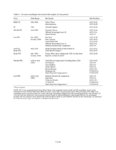
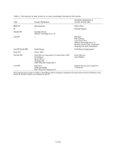
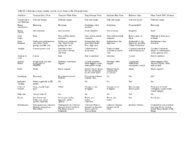
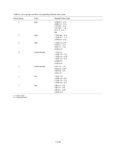
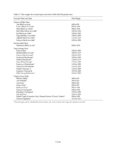
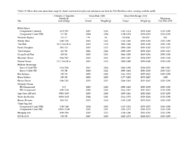
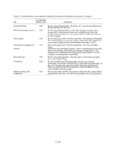
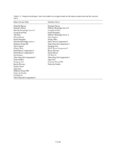
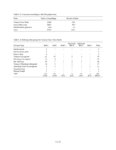
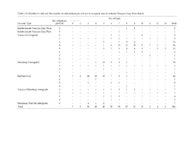
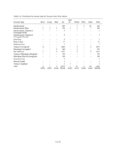
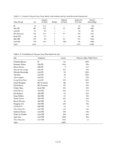
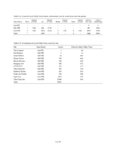
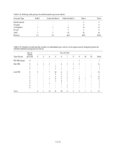
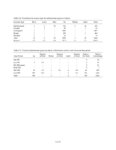
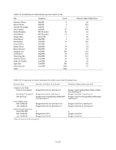
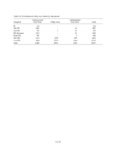
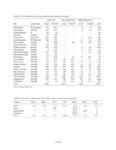
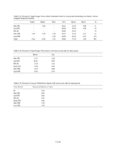
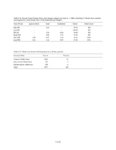
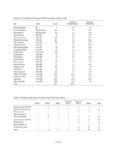
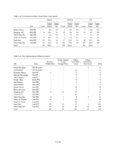
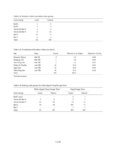
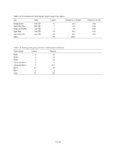
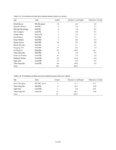
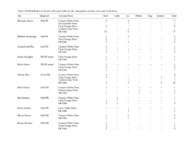
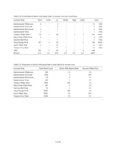
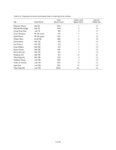
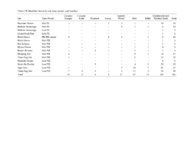
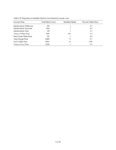
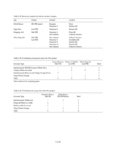
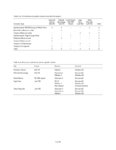
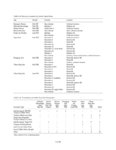
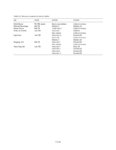
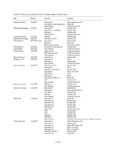
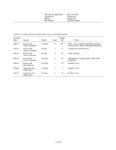
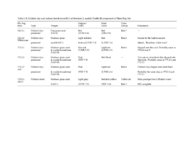
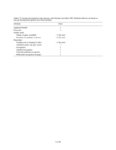
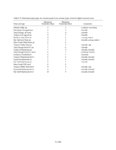
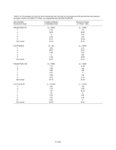
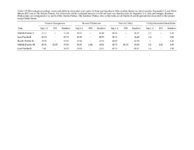
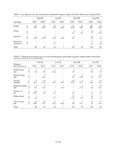
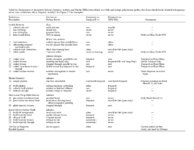
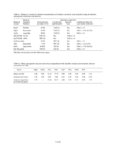
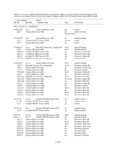
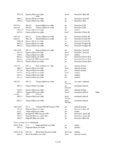
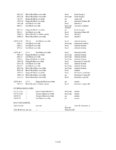
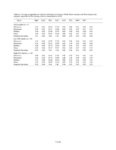
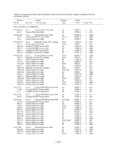
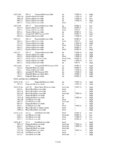
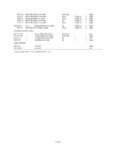
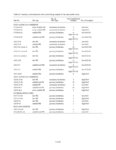
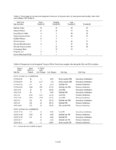
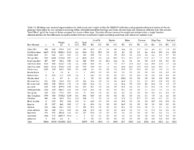
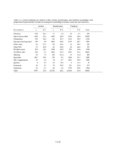
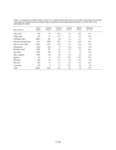
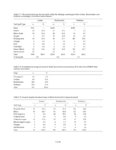
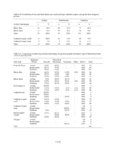
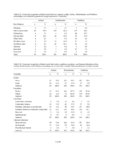
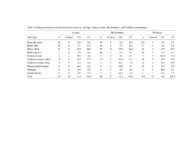
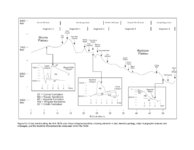
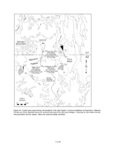
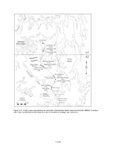
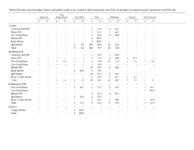
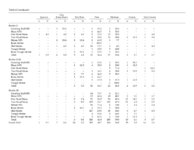
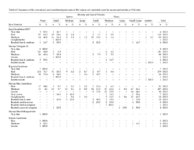
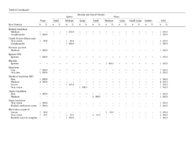
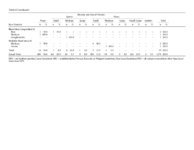
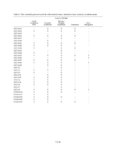
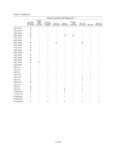
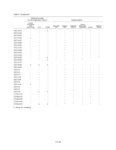
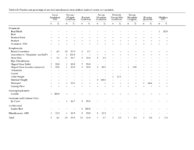
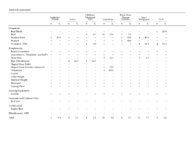
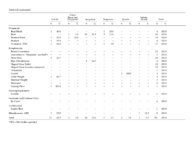
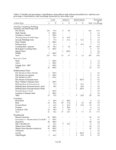
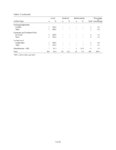
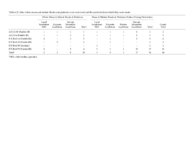
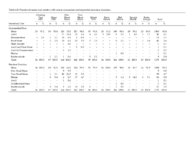
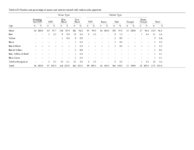
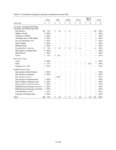
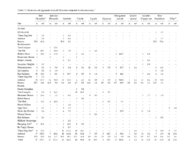
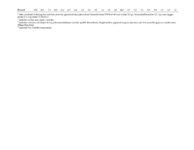
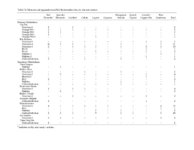
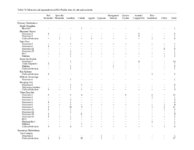
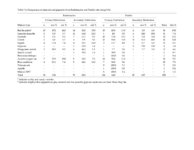
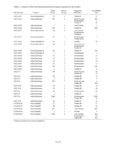
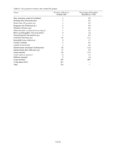
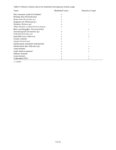
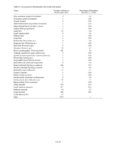
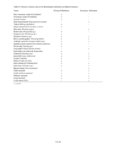
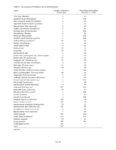
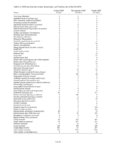
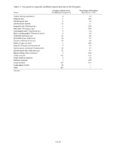
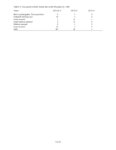
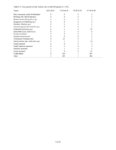
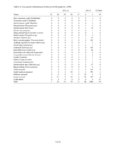
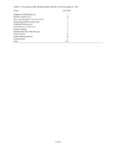
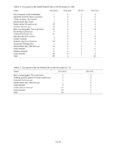
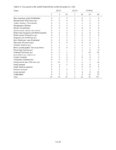
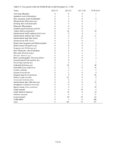
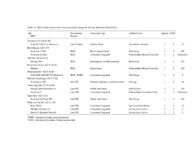
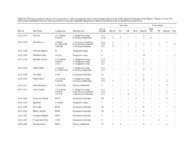
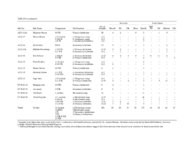
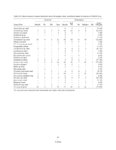
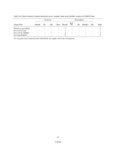
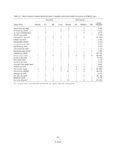
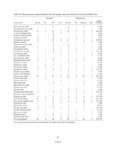
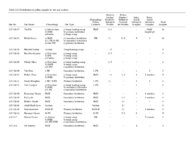
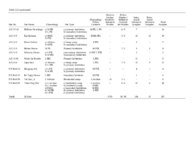
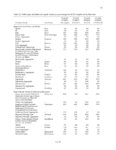
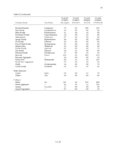
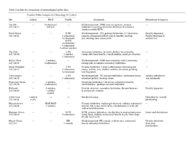
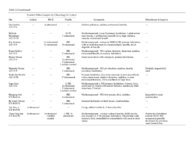
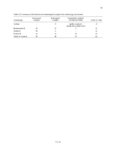
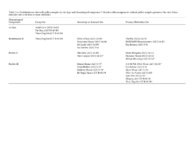
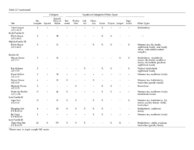
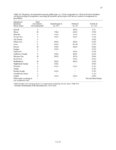
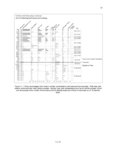
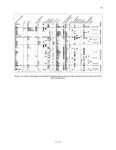
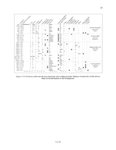
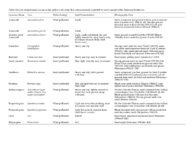
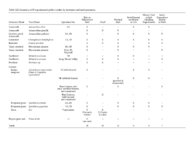
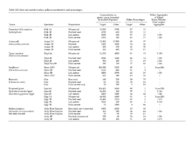
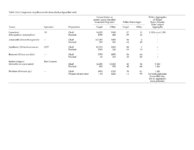
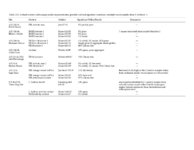
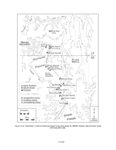
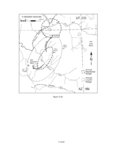
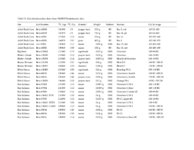
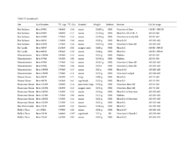
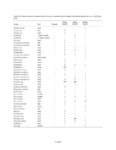
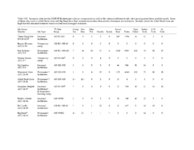
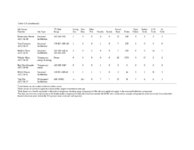
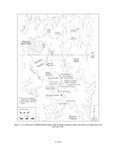
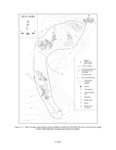
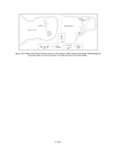
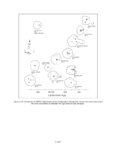
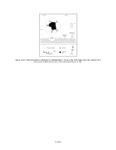
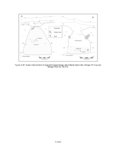
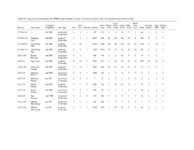
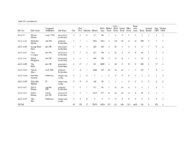
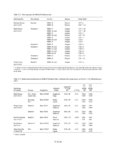
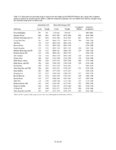
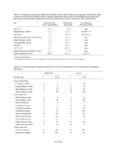
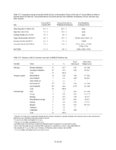
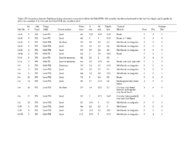
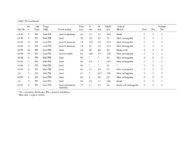
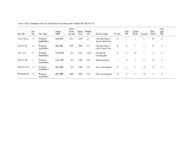
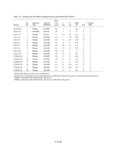
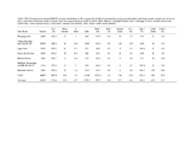
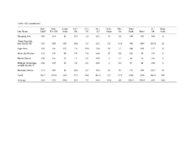
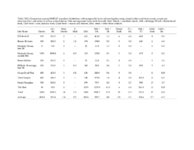
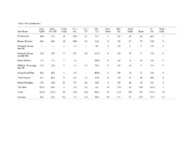
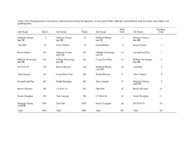
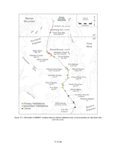
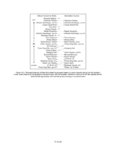
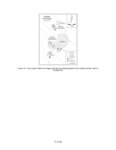
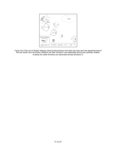
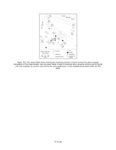
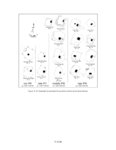
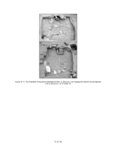
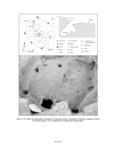
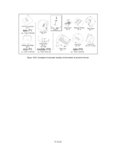
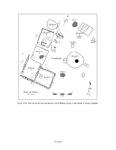
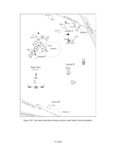
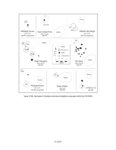
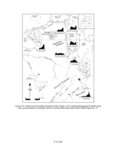
Show (e.g., Gilpin and Benallie 1990), for centuries the Anasazi population of the Kayenta region lived in hamlets (Prudden Units) no larger than what could accommodate several households consisting of a large extended family. Material culture and architecture evolved, but without any significant alteration of an overall simple-looking social fabric, and across a large region there appears to be the evident uniformity of a strong cultural tradition. Despite centuries of comparative social "simplicity," the Kayenta Anasazi ultimately ended up forming aggregated communities at the very end of Pueblo III, communities that set the stage for an even more profound change that resulted in what might be termed a convergence of settlement form between western and eastern Puebloan traditions in Pueblo IV, well represented by the Homolovi ruins of the Little Colorado River (Adams 2002). The Kayenta Anasazi are important as an alternative pathway in Puebloan social development and evolution, differing in several key respects from that of the eastern Anasazi tradition as represented by developments in the San Juan Basin, Mesa Verde region, and the upper Little Colorado River basin (cf. Plog 1979: Figure 1). The NMRAP Puebloan Site Sample Sites/components dating from middle Pueblo II to late Pueblo III were the most numerous archaeological remains investigated by the NMRAP and comprised a significant proportion of the field and laboratory budget on account of their size, their often numerous and sometimes complex large features, and the frequent abundance of recovered remains. In all, the project investigated 25 distinct Puebloan components at 22 sites during data recovery; a few score Puebloan components were surface documented or tested within the ROW but were avoided or determined to be ineligible to the National Register and thus not subject to the final phase of research reported herein (see Table 1.2 of Volume 1 for a list of reports from preliminary stages of work). Volume IV of this report provides detailed descriptions of the architecture, artifacts, and other remains for the 25 diverse Puebloan sites/components. All but one of these date to an interval between about AD 1050 (probably shortly thereafter) and 1270 (probably shortly before). The exception might date as early as about 780 AD but might not be any older than about 950 AD. Table 15.1 provides useful summary information about each of these sites or components, with Figure 15.1 showing their locations within the project area. Given the number of investigated Puebloan sites, a project the size of the NMRAP invariably adds in a significant way to what is currently known about local prehistory. That the area traversed by the N16 ROW on the northern Shonto and Rainbow Plateaus was poorly known from excavation makes this claim all the more true, especially when the NMRAP findings are combined with those from the data recovery project for the southern portion of this road. Schroedl (1989) reported on 16 Puebloan sites/components for a 21 km stretch that runs past the modern community of Inscription House, Arizona (Segments 1 and 2 of N16). The sites described here come from the approximately 43 km stretch of N16 that traverses the broken divide connecting the northwestern tip of the Shonto Plateau with the Rainbow Plateau and then crosses this tableland to the northeastern foot of Navajo Mountain (Segments 3 through 6). Unlike the Basketmaker sites discussed in the previous chapter, which tended to be clustered in the southern portion of the project area along the dissected slickrock divide between Piute and Navajo Creeks, the Puebloan sites are distributed all along the road but with some notable clumping. Any grouping of sites on the map is purely illusory since all evident gaps in the distribution, especially on the Rainbow Plateau, are merely a sampling problem of the narrow ROW. Nearly the entire project area is densely peppered with Puebloan settlements. The only portion that appears to contain fewer sites, or at least fewer permanent habitations, is the divide between Piute and Navajo Creeks. Yet even here there are primary residential sites such as Windy Mesa or sites of more limited activity, a few of which, such as The Slots and Tres Campos, contained interesting artifact assemblages. Road ROW excavations are unlike those of a coal lease where entire sites can be studied in toto; rather, the sample consists of what happens to be in the corridor. Unfortunately, this can sometimes result in a midden with no architecture or vice versa, a situation well represented by the sites excavated in the southern two segments of N16 (Schroedl 1989). Moreover, the existing road has often damaged the properties under investigation to varying degrees, sometimes substantially so. The damage done by previous road construction or other developments was one reason that several Puebloan sites/components in the N16 ROW were eliminated from data recovery. Of those not eliminated, some were squarely within the ROW and undamaged, others were undamaged or minimally so yet only partially in the ROW, and still others were within the ROW to varying extents and damaged, but still seemingly informative. In one case (AZ-J-2-55), what initially seemed like a worthwhile site proved disappointing since full excavation eventually revealed that past road work had largely destroyed the settlement. Fortunately, the N16 ROW at times strayed across "virgin" terrain where sites in their entirety lay unimpacted, allowing thorough investigation. The two most notable examples in the current sample V.15.2 |