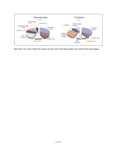
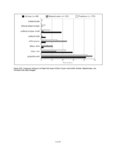
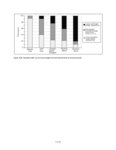
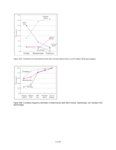
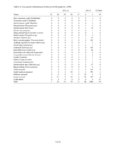
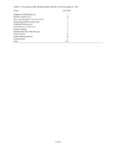
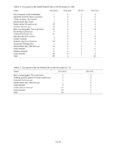
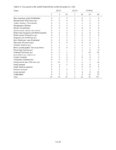
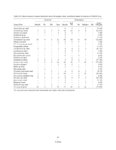
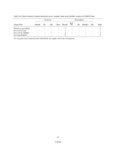
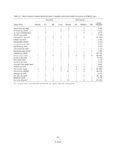
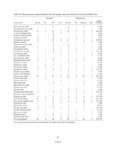
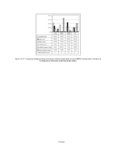
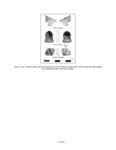
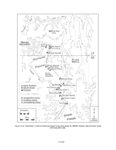
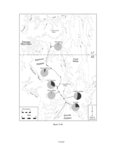
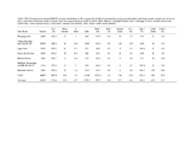
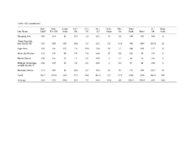
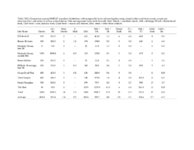
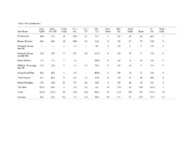
| OCR Text |
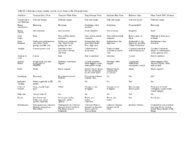
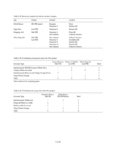
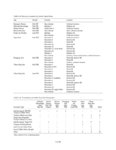
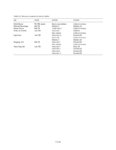
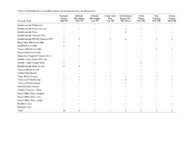
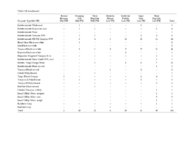
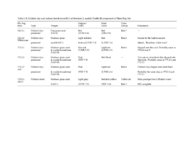
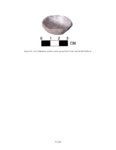
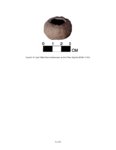
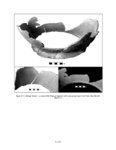
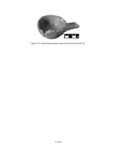
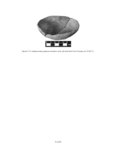
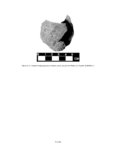
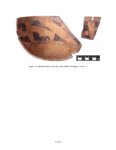
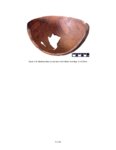
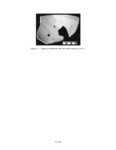
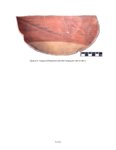
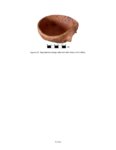
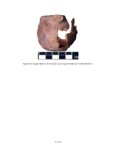
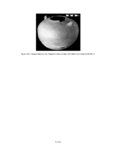
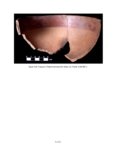
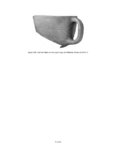
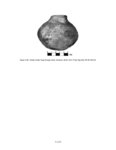
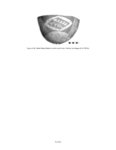
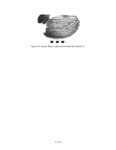
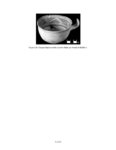
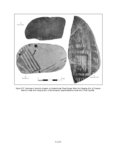
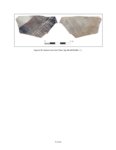
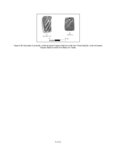
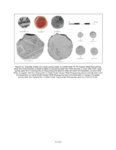
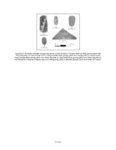
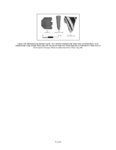
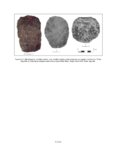
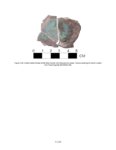
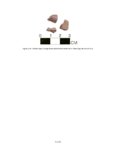
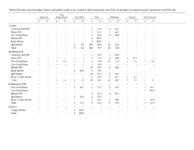
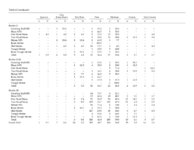
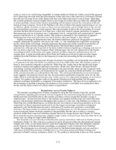
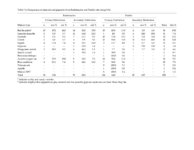
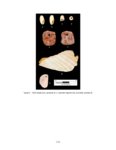
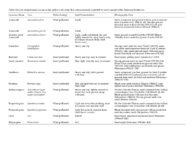
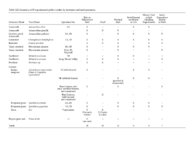
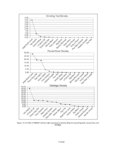
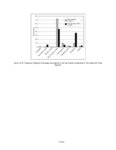
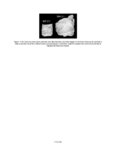
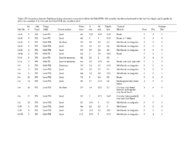
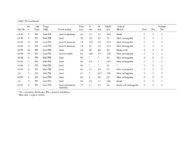
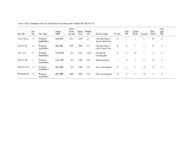
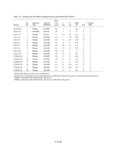
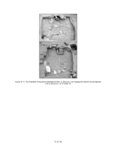
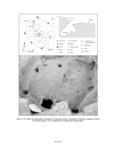
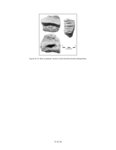
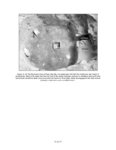
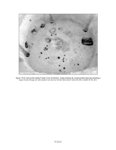
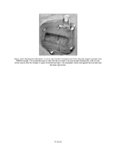
Show The fill of Depression 2 contained fragments of two unfired vessels. One was a bowl fragment, consisting of a rim sherd and a body sherd. It had been tempered with sand and crushed sandstone (SAII SS). One sherd was weak red (10YR 5/4) in color and fired red (2.5YR 4/8, Red 6). The other was a fragment of a miniature bowl. It was a rim sherd tempered with sand with lots of clay pellets (SAII GRF). The clay was yellowish red (5YR 5/6) and fired red (2.5YR 5/8, Red 6). This sherd was very soft and fragile, and may indicate a low-temperature bisque firing, where the leather-hard vessel was heated to remove any water remaining in the clay prior to final firing. Four samples of unfired clay were collected from non-feature associations. The first, tempered with crushed sherd and sand (SH2), appeared to be a Tsegi Orange Ware clay. The clay was light brown (7.5YR 6/4) and fired to light red (2.56/6, Red 6). The second was tempered with crushed sandstone (SS1) and was most likely used to make the local utility ware. The clay was reddish brown (2.5YR 5/4) and fired red (10R5/6, Red 7). The third was tempered with crushed sandstone (SS3) and may have been used for Rainbow Gray; this sample was not fired. The fourth was a sample of raw, unprocessed clay. It was weak red (10R4/4) in color and fired red (2.5YR 4/8, Red 6). The large amount of red-firing clay tempered with crushed sandstone suggests that local utility ware (Rainbow Gray) and whiteware (Rainbow white ware), or both were manufactured at this site. Similarly, the few samples of red-firing clay tempered with crushed sherd suggest that Tsegi Orange Ware and the Tsegi Orange Ware with white slip may have been manufactured at this site as well. In summary, unfired Rainbow Gray Ware sherds, together with suitable raw materials in the local environment and in cultural deposits, show that Rainbow Gray Ware was made at at least two sites in the project area and at UT-V-13-21 near Navajo Mountain. Tsegi Orange Ware was made at the Three Dog Site, based on recovery of unfired specimens. All of these are Pueblo III sites. Some clays and pigments recovered in cultural contexts could have been used to produce Tsegi Orange Ware and untyped white and gray/utility ware pottery. The project recovered only one buff-firing clay that would have been suitable for producing Tusayan White Ware, and its texture is not a good match. It may have been intended for use as a white slip or paint (such as the white outlining on Kayenta and Kiet Siel Polychromes). Several clay samples collected in Piute Canyon fired in the Yellow Red color groups, however, and they could have been used to make some of the unclassified whiteware and grayware. Volcanic ash, like that used to temper some Tusayan White Ware pottery, was recovered, but in the absence of suitable clays, it is difficult to imagine that it was intended for pottery production. We have no evidence for production of Tusayan Gray Ware utility pottery, and the evidence strongly supports the hypothesis that Pueblo III inhabitants of the study area gradually substituted locally produced utility wares, including Rainbow Gray, for the Tusayan Gray Ware vessels that dominated their assemblages in the late Pueblo II period. Why this might have been so, and why a variety of pottery wares appears in most of the N16 assembles, can be addressed from several angles, such as the relative amounts and kinds of labor that potters invested in making the different wares. PRODUCTION STEP MEASURE Different kinds of ceramics require different amounts of labor and skill to produce. On a worldwide scale, one way of measuring access to wealth and control over the labor of others is to quantify the labor invested in different kinds of goods, and to examine the distribution of goods with different labor requirements. If goods with a high labor input are concentrated in certain sites or kinds of features, this might suggest that an elite class controlled access to high-status goods, or that especially labor-intensive ceramics were used in special contexts, such as community ritual settings. Feinman et al. (1981) originally developed the production step measure to see whether large administrative centers and/or sites with ritual architecture had larger quantities of high-labor-input ceramics than smaller outlying or non-ritual sites. The hypothesis was upheld in their first case study in the Valley of Oaxaca, where sites derive from a state level society. The hypothesis was upheld as well in the Puebloan Southwest, but for the wrong reasons. The authors found that the large, plaza-oriented Chavez Pass (Nuvakwewtaqa) site had substantially more high-labor (polychrome) ceramics than smaller, outlying sites which had primarily black-on-white decorated types (both had corrugated and other utility types). They concluded that the Chavez Pass site was a central place in the settlement system, but in fact Chavez Pass is later (Pueblo IV) than the outlying sites (Pueblo II and III). In the Navajo Mountain project area, we have the opportunity to compare pottery assemblages across time periods and to compare contemporaneous large and small sites using the production step measure. We applied the production step measure devised by Feinman et al. (1981) to measure labor input. All pottery vessels require forming techniques, but surface treatments and decorations vary considerably in the amount of labor input they require. The production step measure assigns one step to each surface V.2.55 |