| OCR Text |
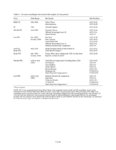
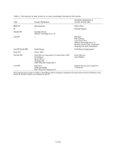
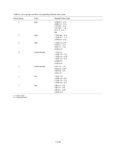
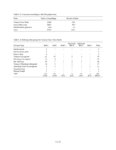
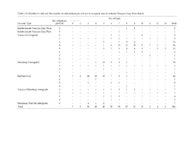
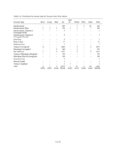
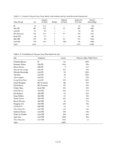
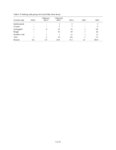
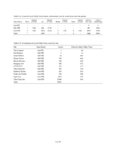
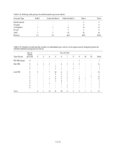
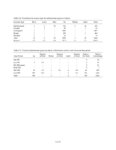
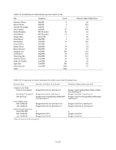
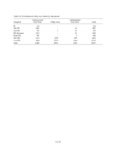
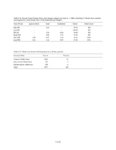
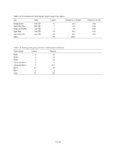
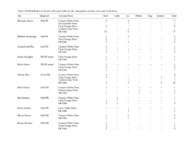
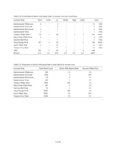
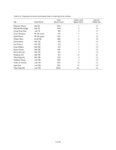
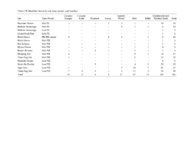
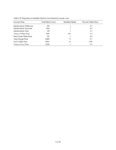
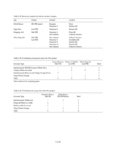
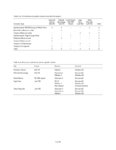
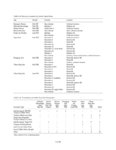
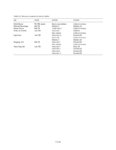
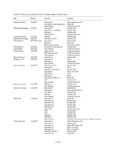
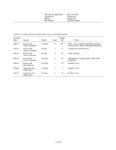
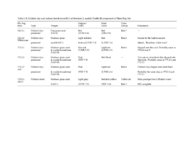
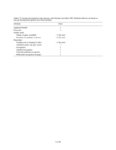
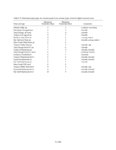
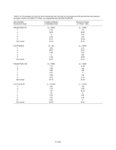
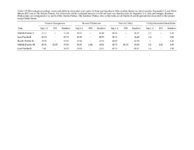
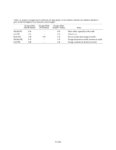
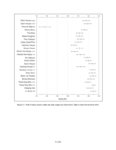
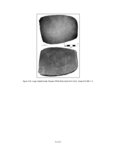
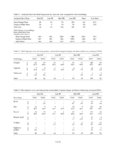
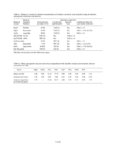
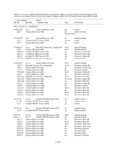
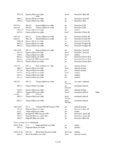
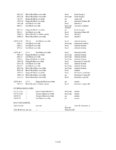
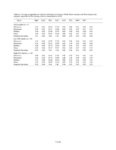
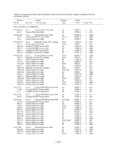
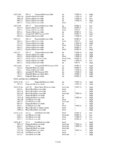
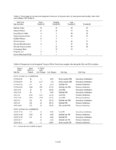
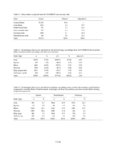
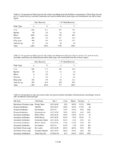
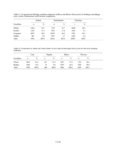
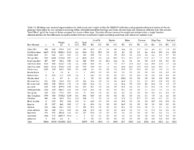
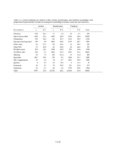
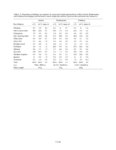
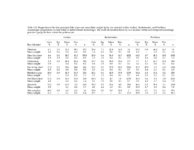
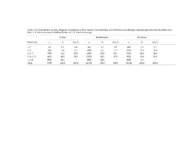
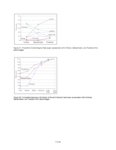
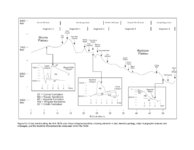
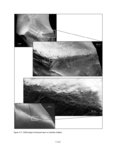
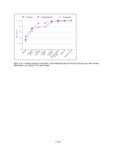
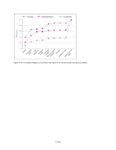
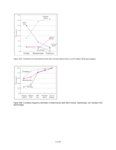
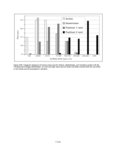
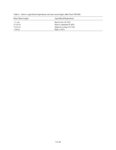
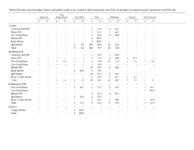
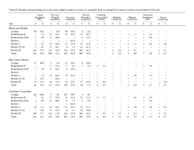
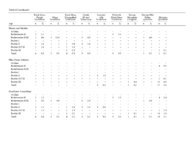
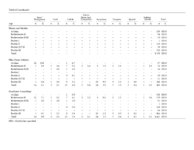
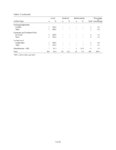
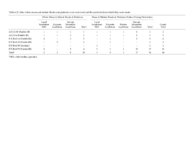
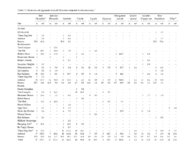
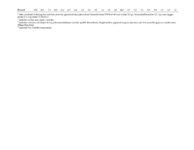
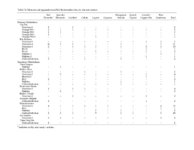
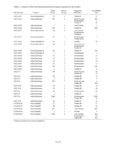
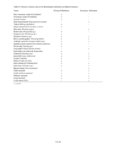
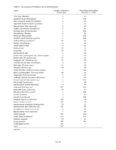
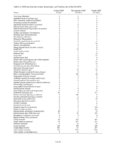
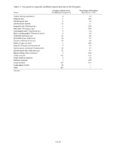
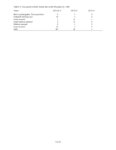
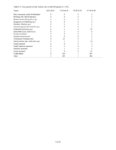
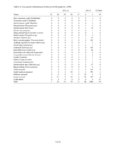
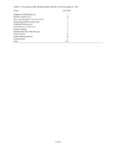
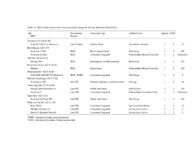
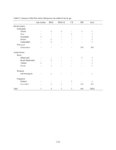
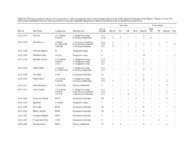
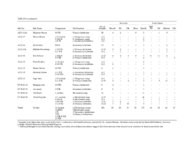
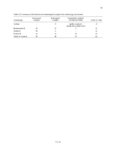
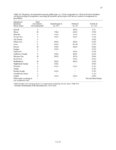
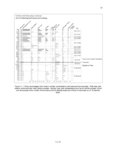
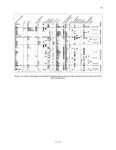
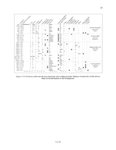
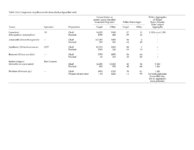
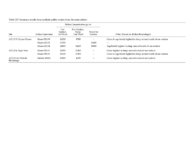
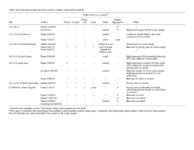
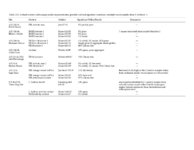
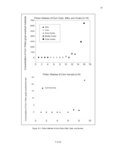
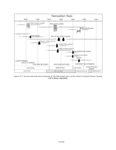
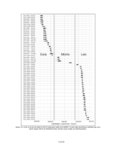
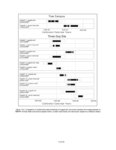
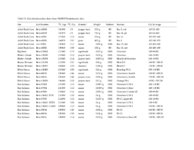
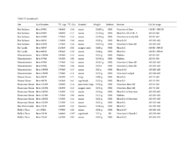
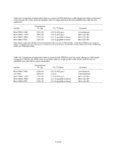
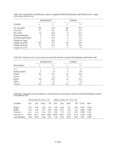
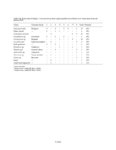
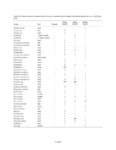
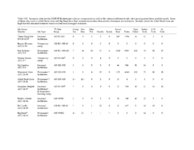
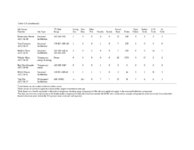
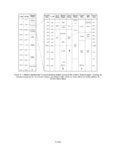
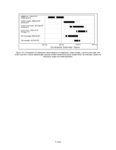
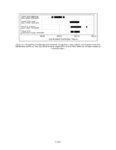
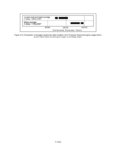
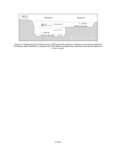
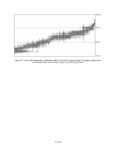
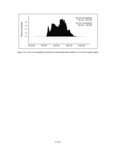
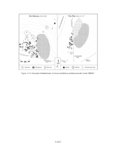
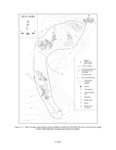
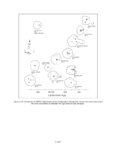
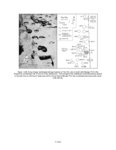
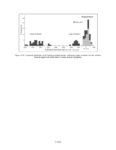
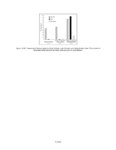
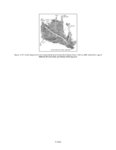
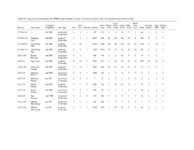
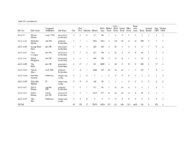
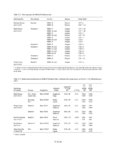
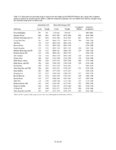
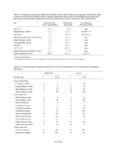
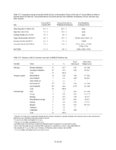
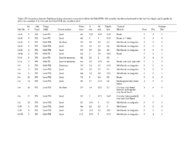
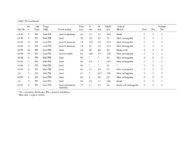
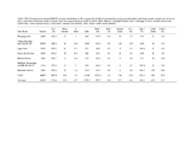
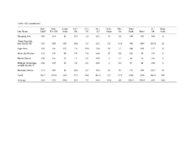
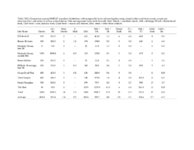
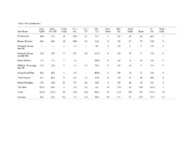
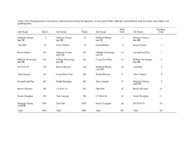
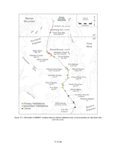
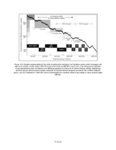
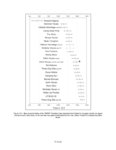
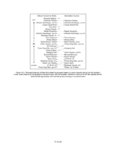
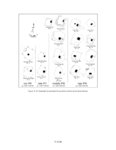
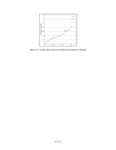
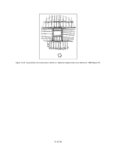
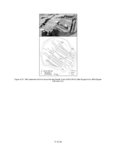
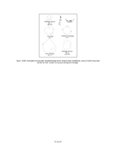
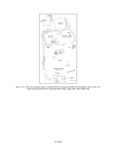
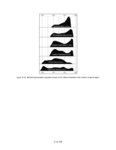
Show Arizona (AA). The rationale was to try a laboratory outside the Beta consortium as an independent means to arbitrate the evident discrepancies and to come to some resolution as to the age of this Basketmaker II site-was it around 2200 BP, between 1900 and 2000 BP, or perhaps the entire range from 2200 to 1900 BP? One of the four new samples consisted of more maize from the floor of the shallow structure that produced the previous two disparate assays. Queue size, equipment breakdown, and other priorities at the NSF-Arizona AMS Facility meant that more than half a year passed before we received the results for this third set of radiocarbon samples from The Pits. In the meantime, NMRAP fieldwork continued and more radiocarbon dating was required, especially during the second year of data recovery when many Basketmaker II sites were excavated. To circumvent the issue of inter-laboratory disagreement, NNAD requested that Beta Analytic submit all of the project AMS samples to the Lawrence Livermore National Laboratory. This facility had processed most of the AMS samples already submitted for the project at that time, except for several assayed by ETH. Moreover, CAMS's measured delta 13C values for maize were normal and the few cases of dates from stratigraphic sequence had the expected order. By the time that NNAD received the NSF-Arizona AMS dates, CAMS had provided 35 additional AMS radiocarbon determinations for the project and an additional 18 more were in the queue, with results arriving shortly after those from NSF-Arizona. A sizable number of these new dates came from the complex Basketmaker II habitation of Kin Kahuna, including a series from superimposed houses and features. This series has excellent stratigraphic agreement as shown in Figure 14.6: identical 2210 BP dates for maize samples from Structure 5 (one from the floor surface and one from a floor pit, bottom of the sequence), a date of 2190 BP on maize from the lower trashy fill above the roof fall layer of Structure 5, a date of 1960 BP on maize from the floor of Structure 4 that overlay Structure 5, an 1840 BP date on maize from a hearth within the upper fill of Structure 5 that was part of the activity that formed the upper trashy fill of this structure, and a date of 1780 BP on maize within the upper trashy fill of Structure 4. When the NSF-Arizona dates for The Pits finally arrived they tended to agree more with the ETH dates than those of CAMS, although the delta 13C values for maize were similar to those of CAMS. Yet, these results failed to provide much clarification largely because the samples selected were generally not from identical contexts or of assuredly contemporaneous material. Burned corn kernels from the trashy fill of a storage pit could easily have a true age discrepancy of several hundred years. The ultimate test of inter-laboratory comparability comes from dating splits of single samples. Thus, as a final means to check for inter-laboratory disagreement, Beta Analytic agreed to process at no cost two previously dated NMRAP samples as part of their audited quality assurance program (QA-494 and 495). These two samples consisted of additional maize kernels from an offering in Storage Pit 3 at The Pits and a corn cob from a small bell-shaped floor pit (Pit 1) of Structure 5 at Kin Kahuna. CAMS had previously dated portions from both of these samples and NSF-Arizona had assayed some of the Storage Pit 3 maize. In both cases the newly submitted portions were large enough for several independent AMS assays; three different AMS laboratories dated a split of the graphite from this sample. Two of the laboratories were CAMS and ETH, and the third was the Institute fur Isotopen un Kernphysiks, University Wein, Austria (VERA). Analysis results from three independent assays on splits of the graphite targets for both samples are given in Tables 14.2 and 14.3 along with previous dates on these same samples. In both cases the new dates show a high degree of consistency among themselves and generally good agreement with the previous assays. For Structure 5 at Kin Kahuna there are now four dates on a maize cob recovered from the fill of a small bell-shaped floor pit. These four can be combined with another assay on corn from the floor of this structure. These five dates are statistically the same at the 95 percent level, providing an average of 2149 ± 20 BP, which has a calibrated two-sigma date range of BC 360-100. There are now five dates on the maize offering from Storage Pit 3 at The Pits (Table 14.3). There is no significant difference at the 95 percent level between the five samples, suggesting that all can be averaged, resulting in an age estimate of 2107 ± 21 BP with a calibrated two-sigma date range of BC 200-50. No inter-laboratory error is evident in these results, though there remains the possibility that earlier results include a slight degree of inter-laboratory disagreement. Building chronologies with radiocarbon dates is fraught with many difficulties and despite the call more than 30 years ago to introduce quality control in dating (Waterbolk 1971), problematic dates are still generated by the score. One of the nine potentially problematic areas that Waterbolk addressed was interlaboratory pretreatment and measurement error. Dating laboratories around the world have since made great strides towards eliminating this concern and ensuring comparability among laboratories (Scott 2003a, 2003b), yet the results always show that there are some outliers, at times even extreme outliers. The results reported here of AMS assays by three different laboratories on splits of graphite from two V.14.11 |