| OCR Text |
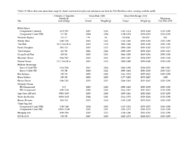
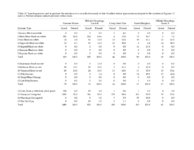
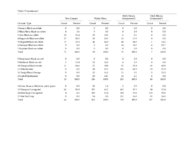
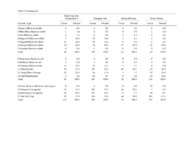
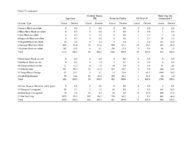
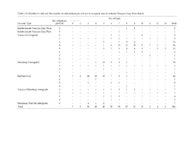
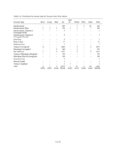
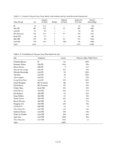
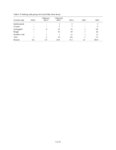
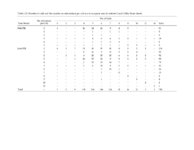
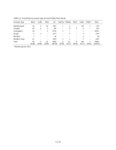
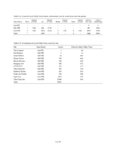
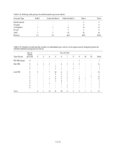
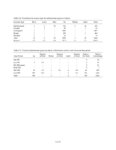
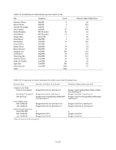
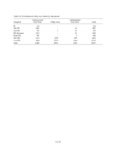
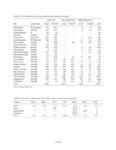
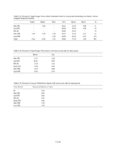
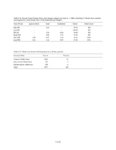
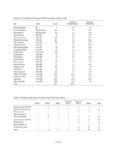
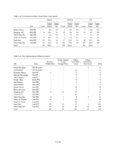
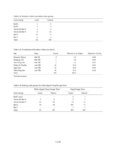
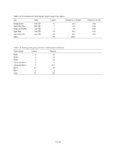
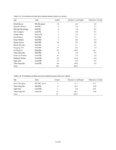
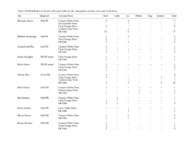
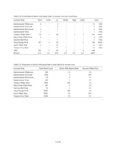
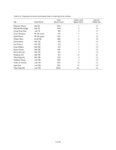
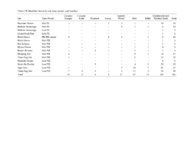
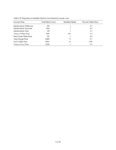
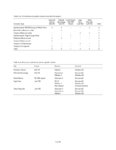
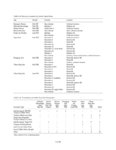
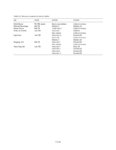
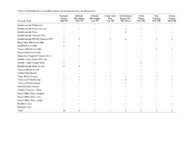
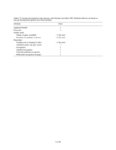
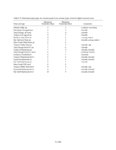
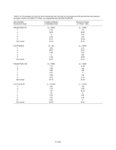
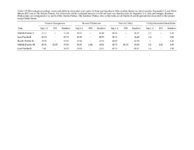
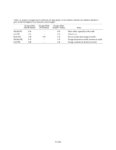
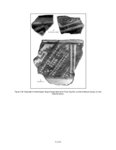
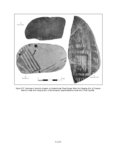
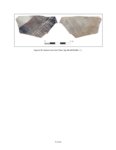
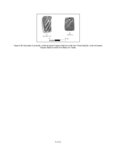
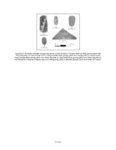
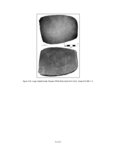
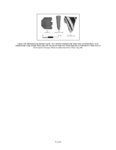
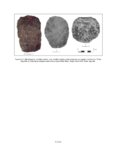
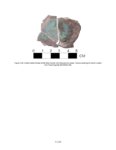
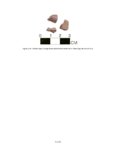
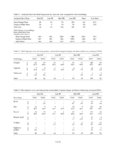
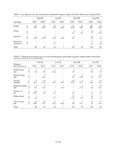
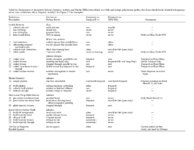
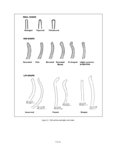
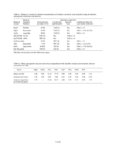
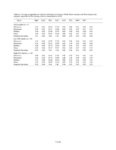
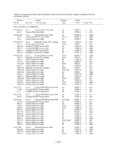
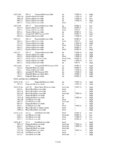
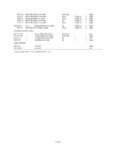
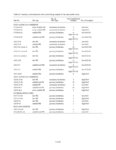
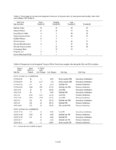
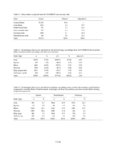
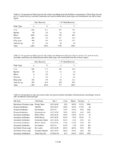
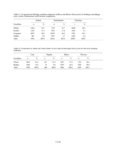
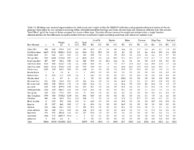
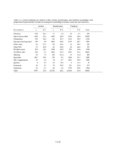
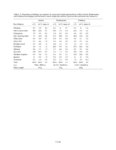
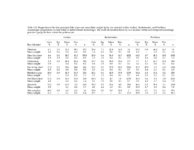
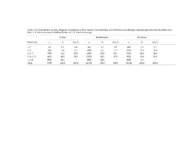
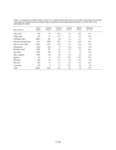
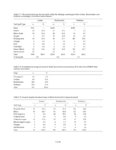
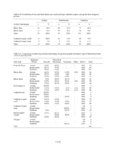
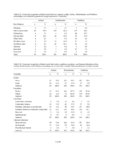
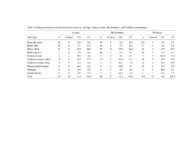
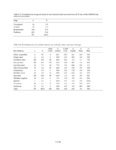
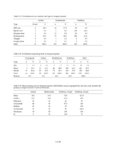
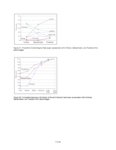
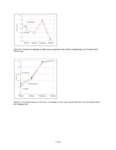
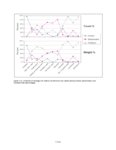
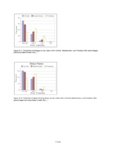
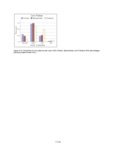
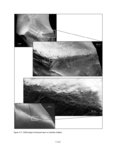
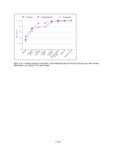
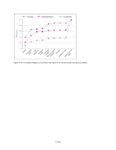
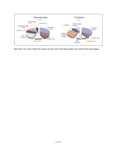
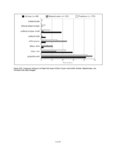
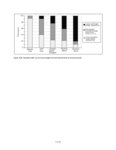
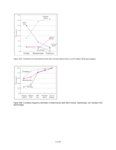
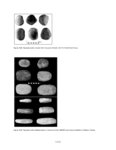
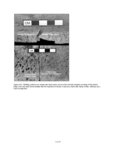
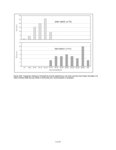
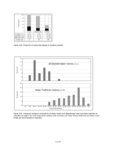
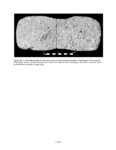
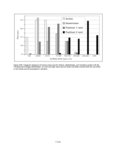
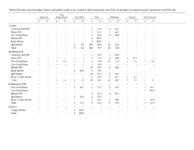
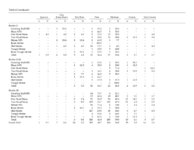
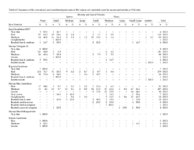
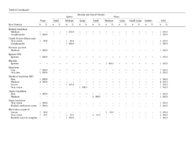
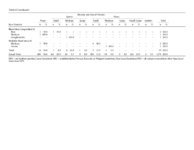
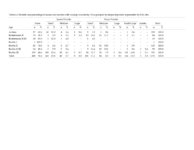
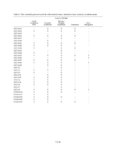
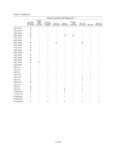
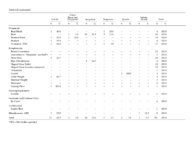
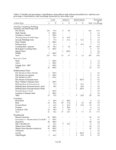
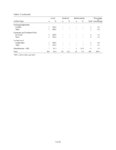
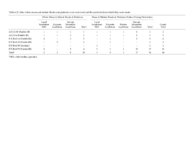
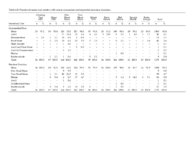
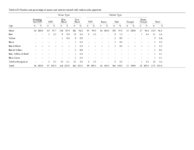
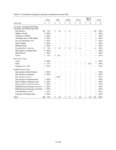
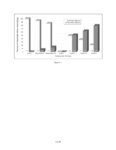
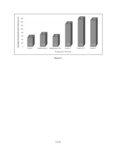
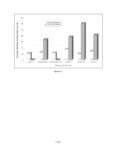
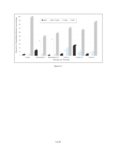
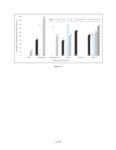
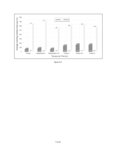
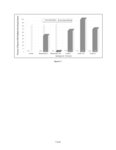
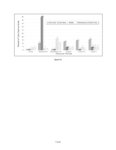
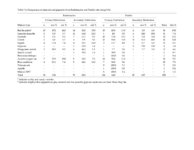
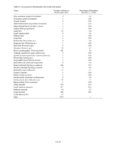
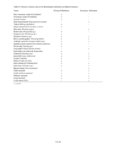
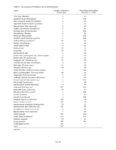
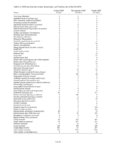
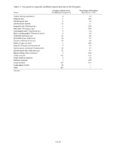
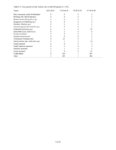
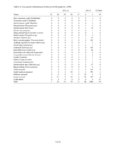
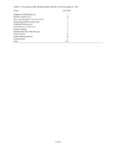
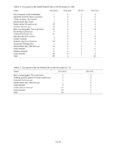
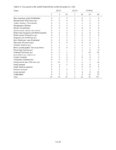
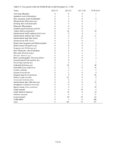
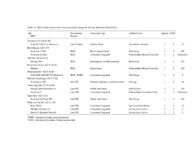
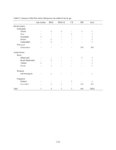
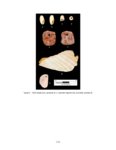
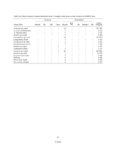
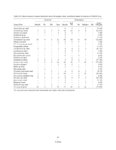
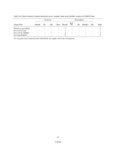
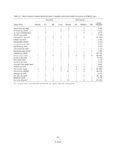
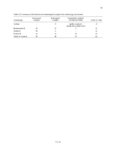
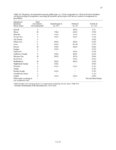
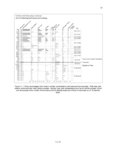
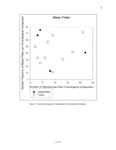
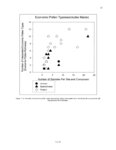
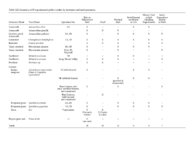
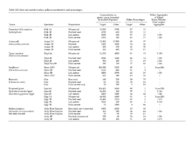
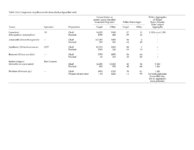
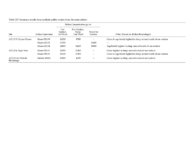
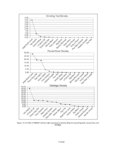
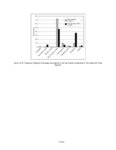
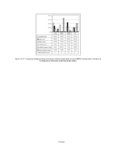
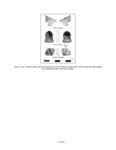
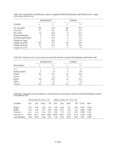
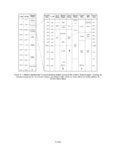
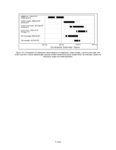
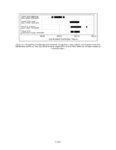
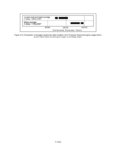
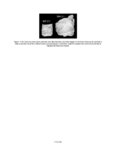
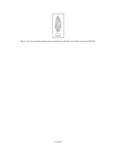
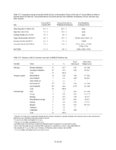
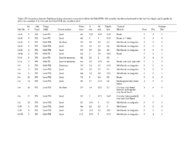
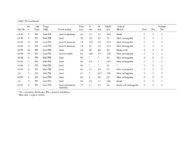
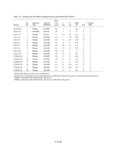
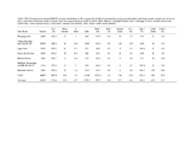
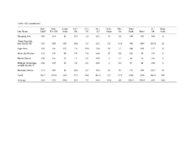
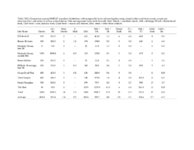
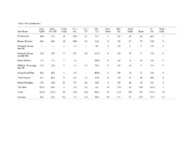
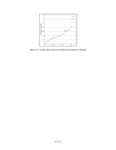
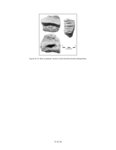
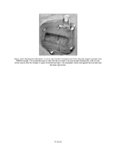
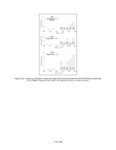
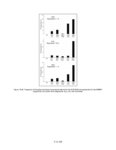
Show mirrored the changes in grinding efficiency. As the size of the grinding areas on manos increased so too did the percentage of manos that were used on more than one surface. Likewise, if the size of the grinding areas decreased so did the percentage of manos with multiple use-surfaces. Although the average grinding surface area of manos and levels of grinding intensity-based on the percentage of manos with multiple grinding surfaces-may not always be equally reliable measures of agricultural dependence, in the current study they seem to parallel each other fairly well. Both suggest increasing agricultural dependence over time with a slight decline during the Pueblo III period. Nevertheless, adoption of or increased use of a food preparation technique requiring less grinding could account for this change as well. Inferences about grinding intensity might also be made by examining manos for the presence or absence of finger grooves. Finger grooves on a mano might indicate that the tool was intended for intensive use because the grooves were probably created to make the mano easier or more comfortable to hold for tasks of long duration (Adams 1997:36). Only a few of the N16 manos dating earlier than the mid-Pueblo III period were designed with finger grooves. One each was discovered in the Basketmaker II, Basketmaker II-III, and Pueblo II assemblages, respectively, representing 2.4, 14.3, and 1.7 percent of the manos from these time periods. No manos with finger grooves were observed in the Pueblo II-III assemblage and 20 (4.3%) were counted in the Pueblo III assemblage. Although the percentage of manos with finger grooves seems high for the Basketmaker II-III assemblage this is most likely a result of the small sample (n = 7) rather than a true indication of how often manos were designed with comfort features. Excluding the Basketmaker II-III data, it appears that the percentage of manos designed with finger grooves was always fairly small. Given that many of the manos were heavily worn and the majority were identified by way of incomplete fragments, it seems likely that more tools were originally designed with finger grooves than were recognized in the recovered assemblages. Analysts noted only that finger grooves were present and did not use a consistent system for noting whether the lack of finger grooves was because of design, possibly obliterated due to use, or could not be determined due to small fragment size. Therefore the degree to which the manos were truly manufactured with finger grooves cannot be determined. Even so, for most assemblages even if the number of tools with finger grooves was doubled or tripled it would still represent a fairly small portion of the total number of manos. Of the 23 manos with finger grooves, 17 (73.9%) had multiple grinding surfaces, 19 (82.6%) were two-hand varieties, and 3 were one-hand tools. Although the sample size is rather small, these figures strongly suggest that manos with finger grooves often had multiple grinding surfaces and that finger grooves were usually placed on two-hand manos. In conclusion, when analyzing the number of grinding surfaces on manos it was assumed that the percentage of manos with multiple grinding surfaces was related to the relative level of grinding intensity. In particular, increased grinding caused more tool wear, and in turn this resulted in a comparative rise in the attempts to manage the use-wear of the tools, in this case resulting in more grinding surfaces. However, as both Adams (1993:342) and Woodbury (1954:81) concluded, the different configurations of mano surfaces could also be the result of differences in grinding techniques correlating to various stages in the grinding process, personal preference, or differences in learned grinding technique. Variation in mano grinding surface configuration may also reflect technological developments attributable to attempts to improve the effectiveness of the grinding tool kit independent of the degree of grinding intensity (Adams 1993:341). Therefore, the changes in the percentages of manos with multiple grinding surfaces observed in the N16 assemblages may represent more than the need to simply grind more food. If the percentage of multiple grinding surfaces on manos is correlated with grinding intensity, then these percentages suggest that over time the intensity with which two-hand varieties were used increased until the Pueblo III period while the levels for one-hand manos fluctuated but were generally less intensively used in the Puebloan periods than before. The percentage of manos with finger grooves was also examined because these grooves might be indicative of intensive use. It was presumed that finger grooves were created to make the mano easier or more comfortable to hold for tasks of long duration. This investigation suggested that the percentage of manos designed with finger grooves was always fairly small and therefore the level of grinding intensity did not change much over time. Nevertheless, the full degree to which manos were manufactured with finger grooves could not be accurately determined with the current analytical system. Although the correlation, or lack thereof, between grinding intensity and finger grooves could not be established the investigation indicated that manos manufactured with finger grooves often had multiple grinding surfaces and that finger grooves were much more frequently used on two-hand manos than one-hand varieties. V.6.14 |