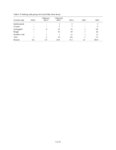
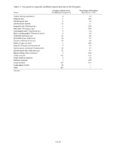
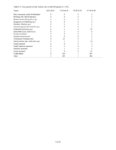
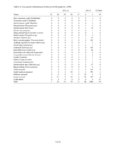
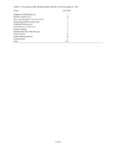
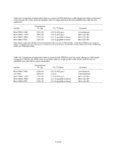
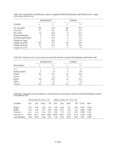
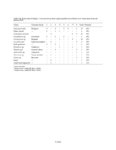
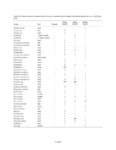
| OCR Text |
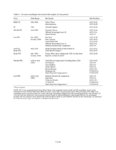
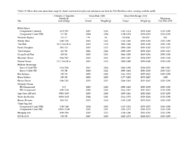
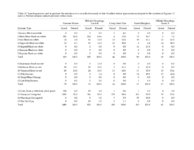
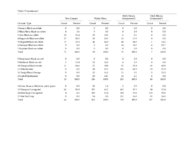
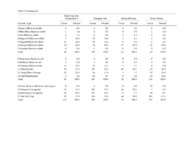
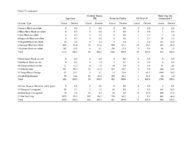
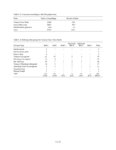
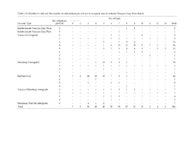
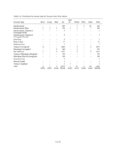
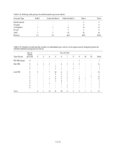
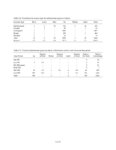
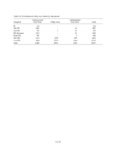
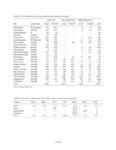
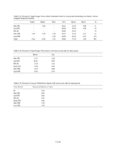
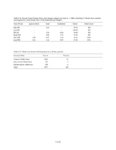
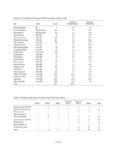
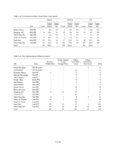
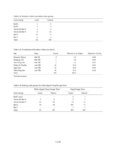
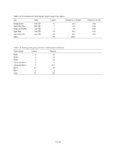
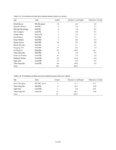
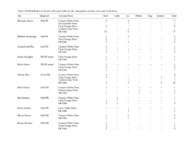
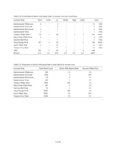
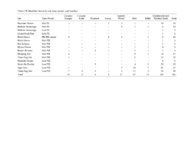
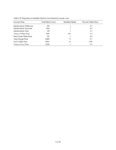
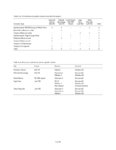
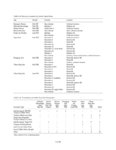
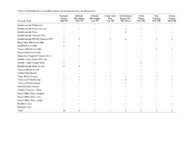
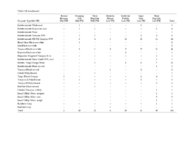
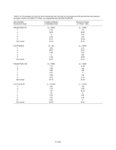
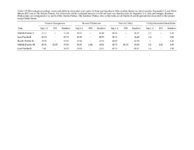
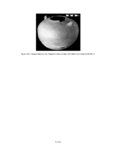
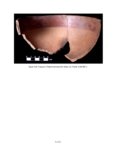
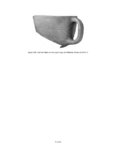
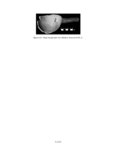
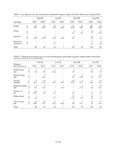
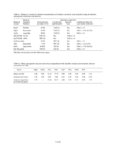
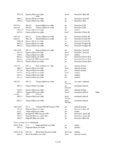
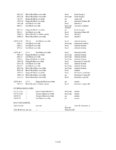
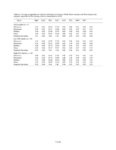
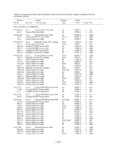
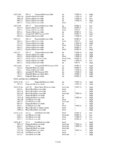
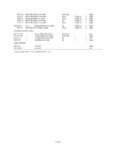
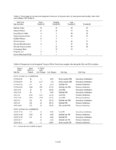
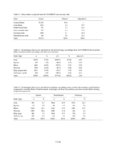
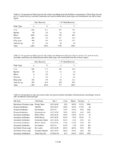
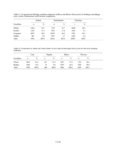
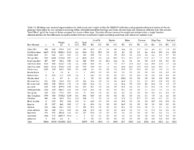
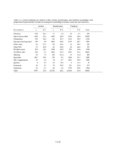
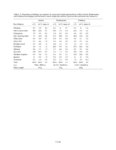
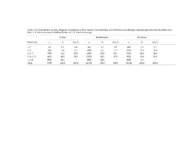
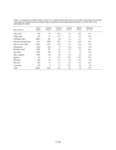
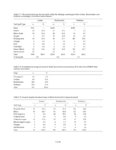
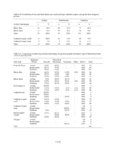
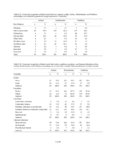
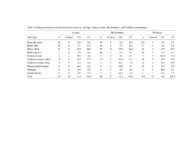
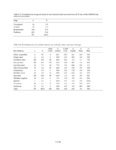
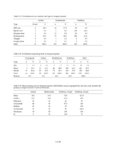
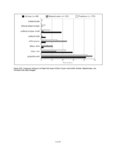
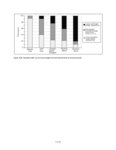
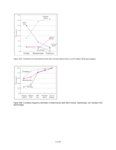
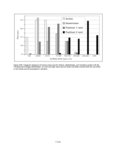
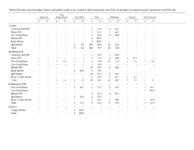
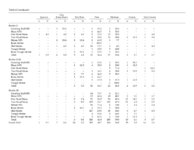
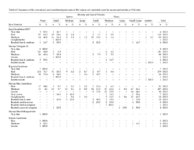
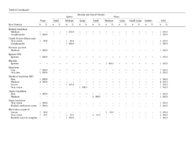
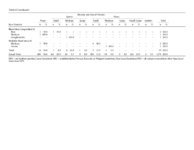
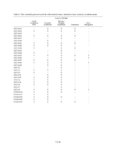
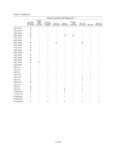
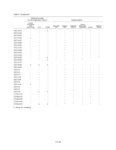
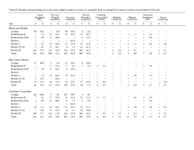
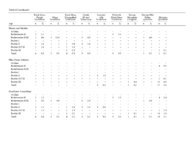
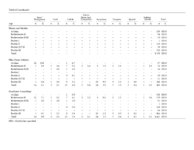
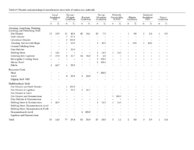
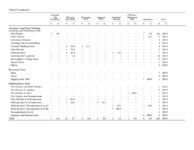
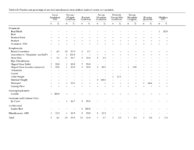
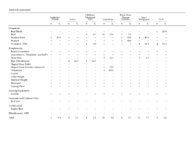
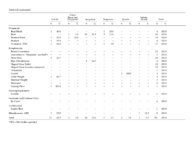
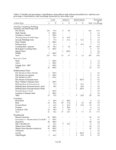
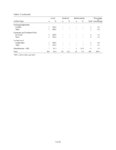
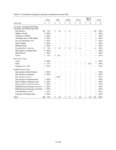
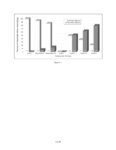
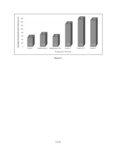
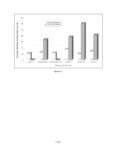
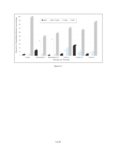
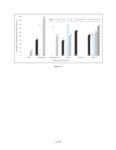
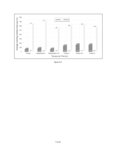
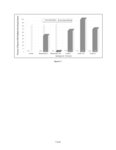
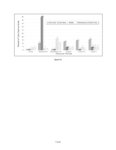
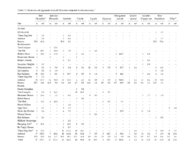
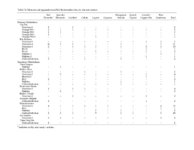
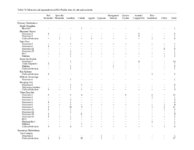
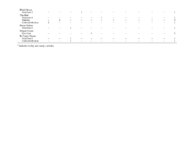
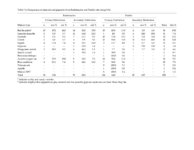
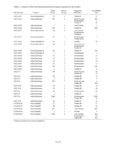
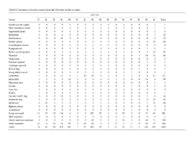
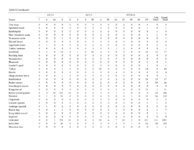
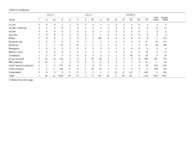
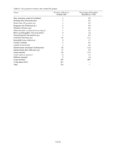
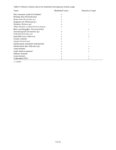
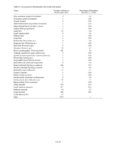
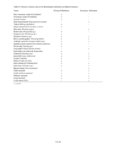
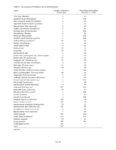
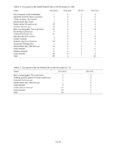
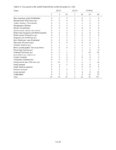
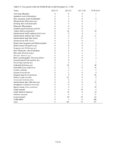
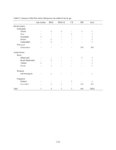
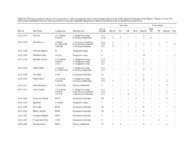
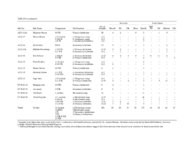
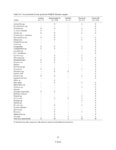
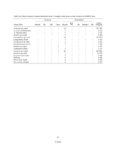
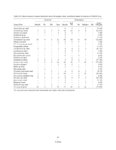
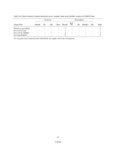
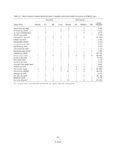
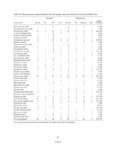
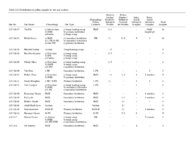
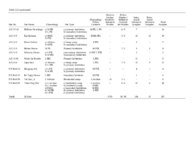
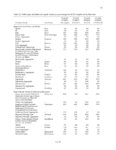
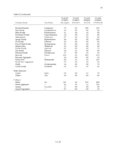
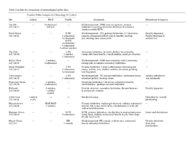
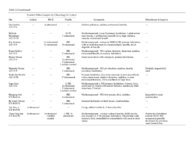
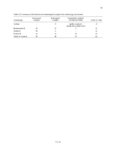
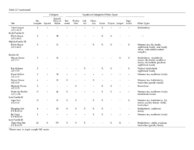
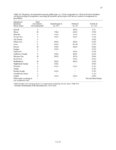
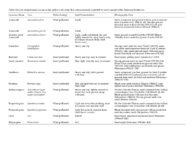
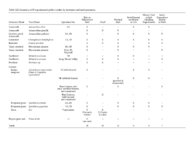
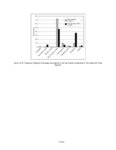
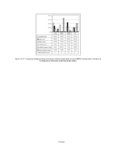
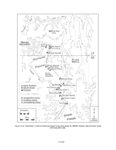
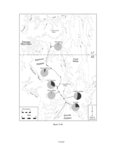
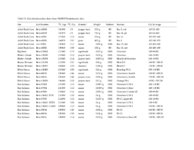
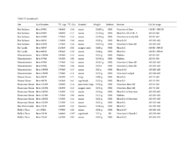
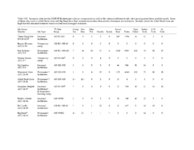
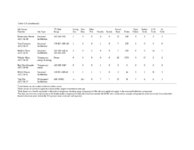
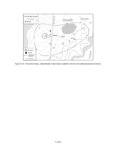
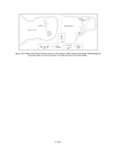
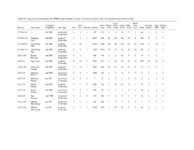
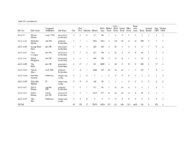
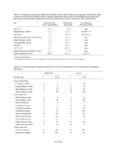
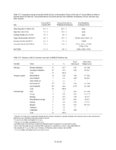
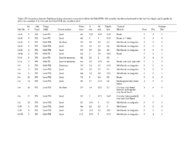
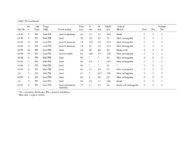
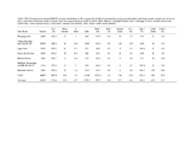
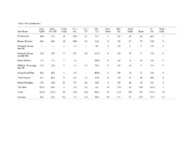
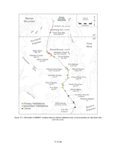
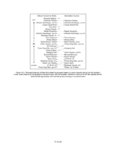
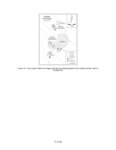
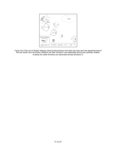
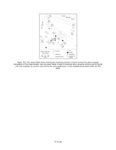
Show production of Rainbow Gray and other pottery we have identified as Local Utility Ware. This is supported by earlier excavations at Pueblo II sites at the foot of Navajo Mountain (Lindsay et al. 1968; Geib et al. 1985). UT-V-13-19, for example, had nearly 100 percent Tusayan Gray Ware (only one Rainbow Gray sherd reported; Fairley and Callahan 1985). In contrast, we found that Pueblo III sites in the Navajo Mountain region yielded 50-70 percent Local Utility Ware. The shift from Tusayan Gray Ware to Local Utility Ware is a Pueblo III phenomenon. This locally produced material became the dominant utility ware in the 1200s AD. Tusayan Gray Ware is ubiquitous within the N16 project area (Table 2.31). It was recovered from all sites in varying amounts, regardless of site function. Indeterminate grayware was recovered from nearly all sites and in varying amounts as well, which is not surprising for a "catch-all" category like this. Local Utility Ware, however, was noted from the northern sites, those on the Rainbow Plateau, suggesting limited production and distribution within the northern Kayenta region. Pueblo III sites excavated in the 1980s on the Shonto Plateau within the southern portion of the N16 ROW (Schroedl 1989) had 100 percent Tusayan Gray Ware, whereas Pueblo III sites excavated and reported here on the Rainbow Plateau had 50 to 70 percent Local Utility Ware. The portion of the N16 ROW on the Rainbow Plateau has a wider variety of utility wares than the southern part on the Shonto Plateau and surrounding areas in the Kayenta region, such as the Klethla Valley. As stated above, excavations along the southern segments of N16 in the 1980s produced no sherds of Rainbow Gray, the main local utility ware around Navajo Mountain during Pueblo III in the southern portion of the Shonto Plateau. Bill Lucius (personal communication 1986), who worked on the project, recalled that they doubted the existence of Rainbow Gray because they did not observe it at any of the late Pueblo III sites excavated in Segments 1 and 2. One day they took a field trip up north and onto the Rainbow Plateau and discovered that Rainbow Gray is indeed real and that it predominates at late sites around Navajo Mountain. The type simply did not occur on the Shonto Plateau. Ditch House in Segment 3 of N16 and reported herein is extremely informative because it is the northernmost site on the Shonto Plateau in the ROW and it has no Rainbow Gray/Local Utility Ware, showing that the southern limit of this type is somewhere north of Ditch House. Utility Ware Summary Utility ware pottery in the study area consists mostly of sand- and sandstone-tempered corrugated widemouth jars used for cooking, and possibly storage. Some cooking jars were reused in storage features. In the Pueblo II period, inhabitants of the southern part of the project area apparently imported most of their utility ware vessels from further south. Late in this period they began experimenting with local materials such as iron-rich clays, sandstone temper, and sherd temper. By the late Pueblo III period, when the population was concentrated in the northern part of the project area, potters made all of their utility ware locally, or perhaps obtained it from potters in the general vicinity of Navajo Mountain. Overall styles and vessel forms are similar throughout the study area and in neighboring areas, suggesting a regionally general pattern of indented corrugated wide-mouth jars with flaring and everted rims that gradually gave way to a more diverse range of surface treatments, including indented and flat corrugations and partially to completely obliterated coils. RED AND ORANGE WARES Early potters on the Colorado Plateau developed several methods for producing red- and orange-colored pottery. First, a red slip could be added to any color clay body. At least as early as the AD 400s, red slip was added to brownware pottery, producing Tohatchi Red in northwestern New Mexico and Woodruff Red in the Mogollon rim area and Puerco Valley of the West (Hays-Gilpin and VanHartesveldt 1998; Reed et al. 2000). Red-slipped brownware is rare to nonexistent in the N16 project area. Brownware here seems to have evolved into grayware during the AD 500s; occasionally, red-slipped grayware appears in Basketmaker III period sites. Termed Tallahogan Red, this is basically Lino Gray pottery with a fired-on, thick, iron-rich slip. Second, fugitive red pigment could be added to the exteriors of fired whiteware and grayware. Most frequent in Basketmaker III-Pueblo I assemblages, fugitive red is mostly seen on Lino Gray, Kana-a Gray, and Kana-a Black-on-white vessels. The powdery red pigment may have been mixed with water or some binder, such as egg, that has deteriorated, leaving only the mineral pigment. Or perhaps the red pigment was applied temporarily, as needed, with only water as a binder or no binder at all. As the name indicates, fugitive red pigment washes off in water and weathers away from surface-deposited artifacts. Pottery with fugitive red pigment is never classified as redware pottery. Neither red-slipped nor fugitive red grayware pottery appears in the project area. V.2.27 |