| OCR Text |
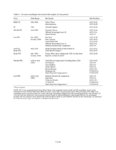
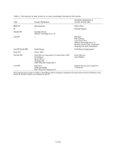
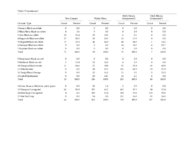
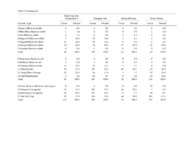
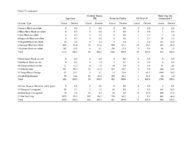
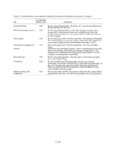
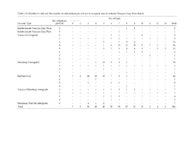
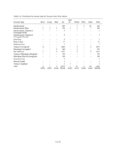
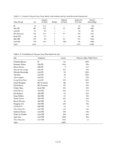
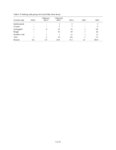
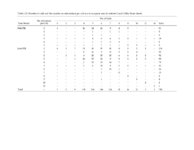
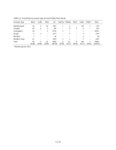
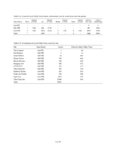
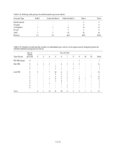
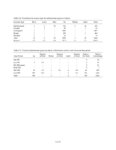
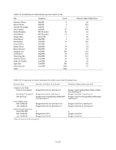
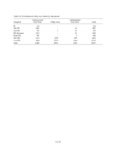
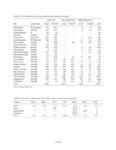
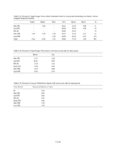
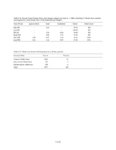
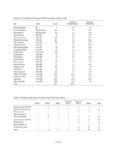
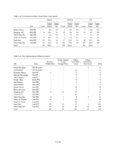
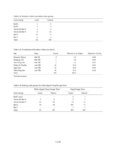
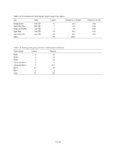
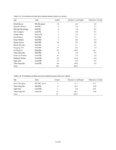
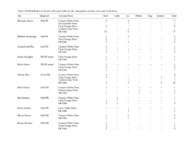
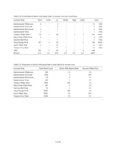
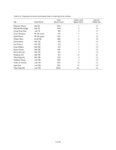
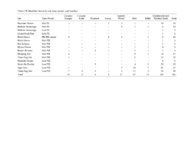
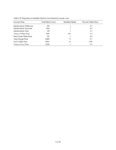
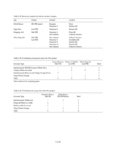
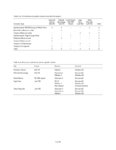
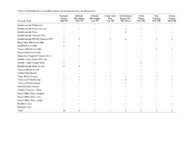
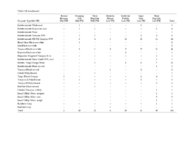
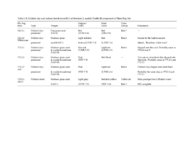
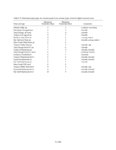
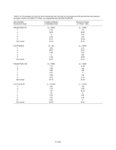
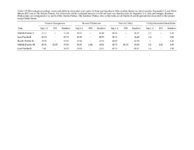
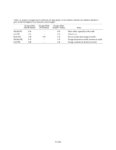
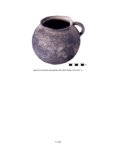
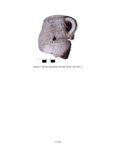
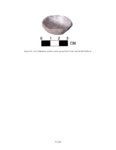
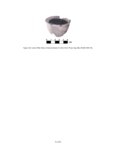
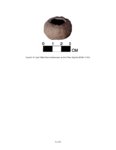
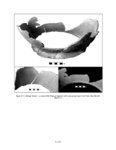
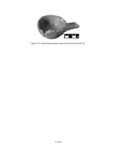
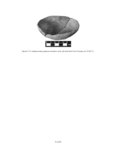
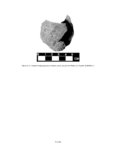
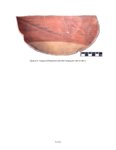
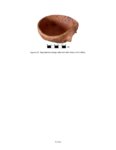
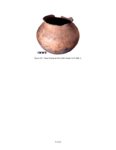
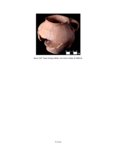
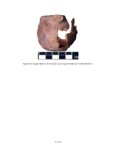
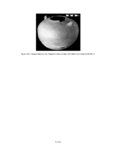
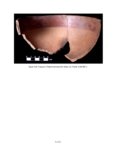
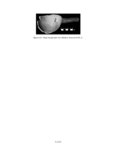
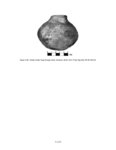
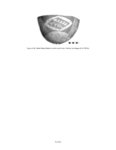
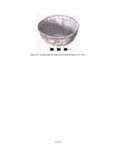
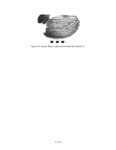
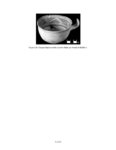
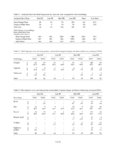
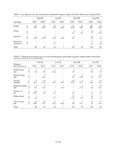
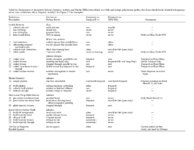
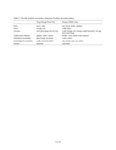
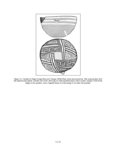
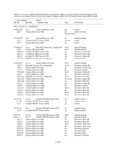
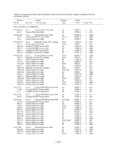
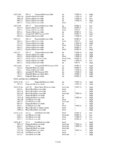
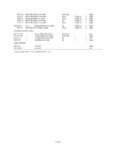
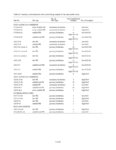
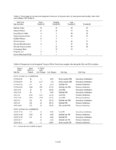
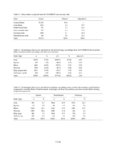
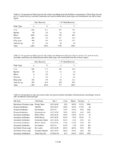
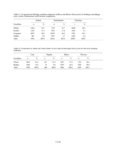
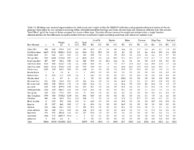
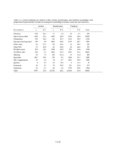
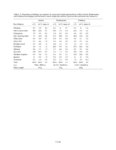
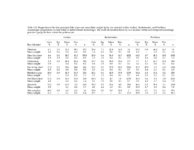
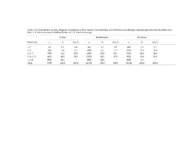
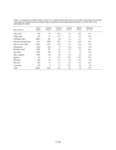
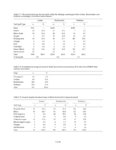
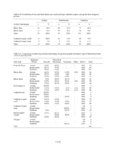
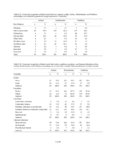
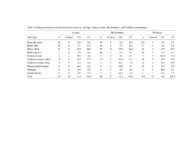
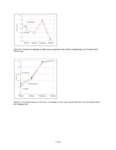
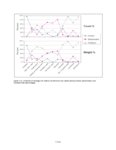
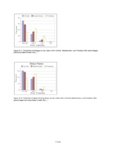
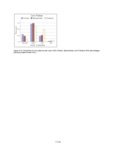
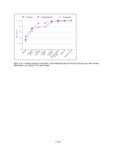
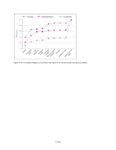
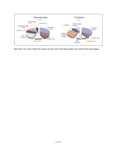
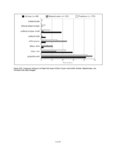
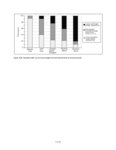
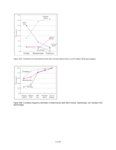
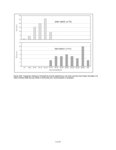
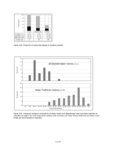
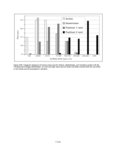
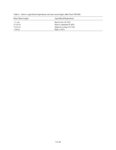
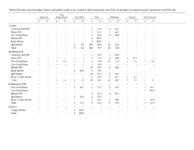
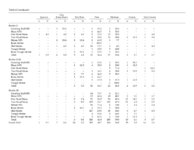
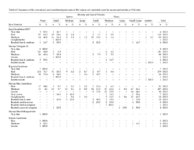
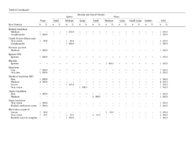
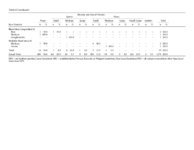
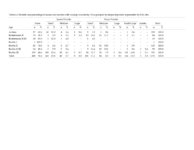
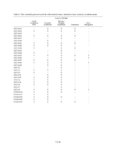
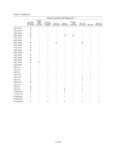
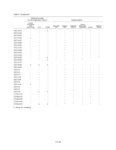
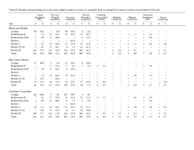
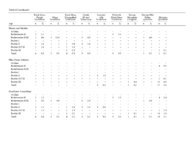
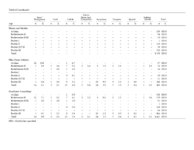
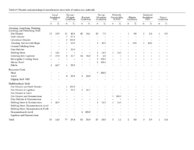
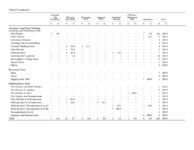
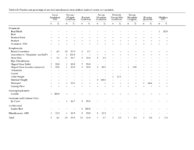
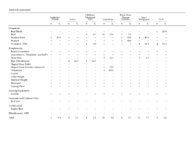
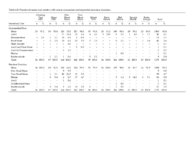
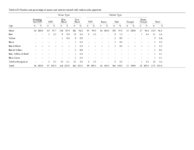
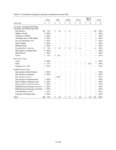
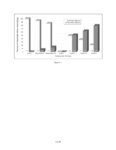
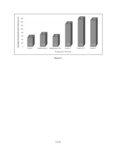
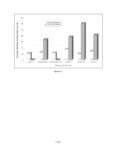
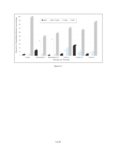
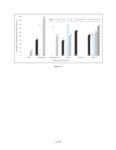
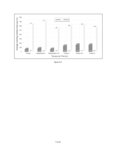
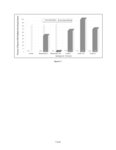
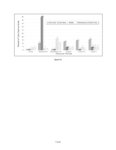
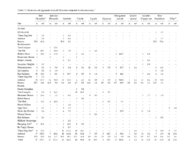
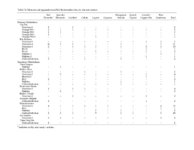
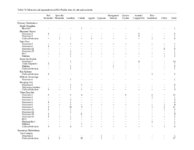
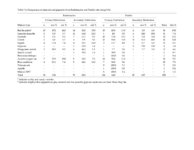
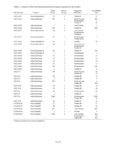
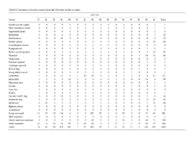
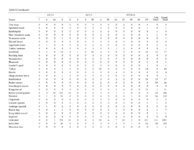
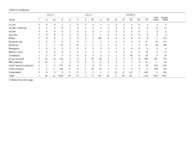
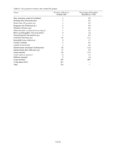
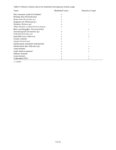
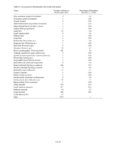
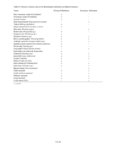
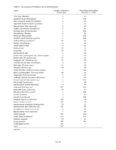
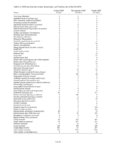
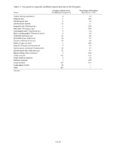
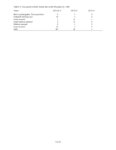
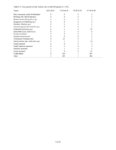
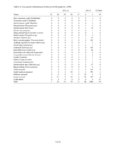
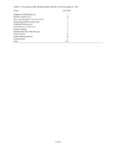
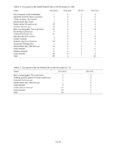
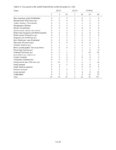
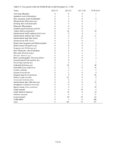
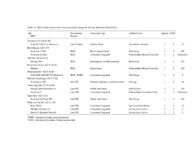
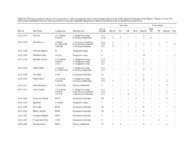
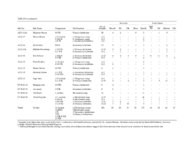
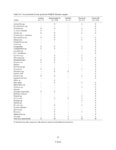
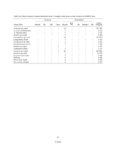
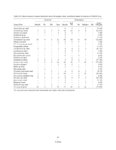
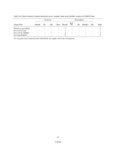
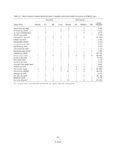
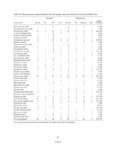
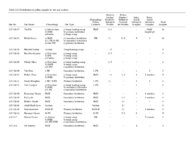
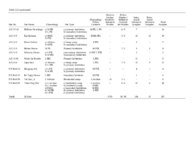
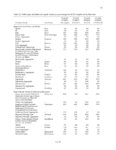
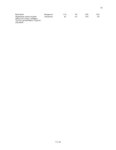
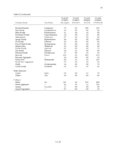
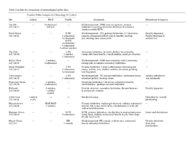
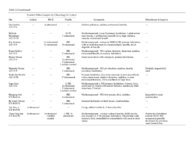
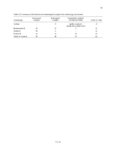
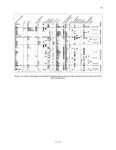
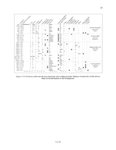
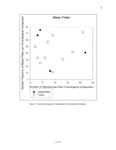
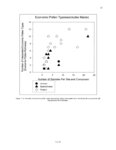
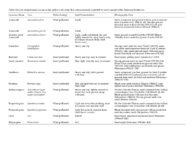
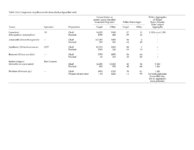
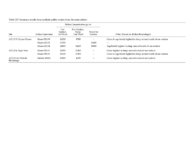
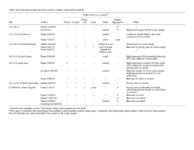
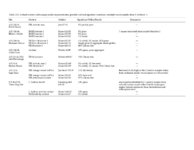
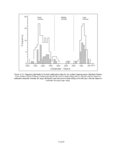
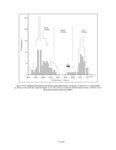
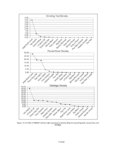
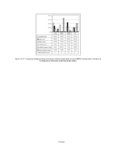
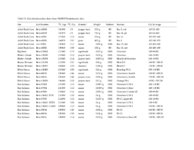
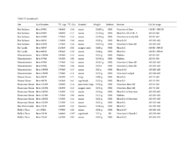
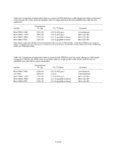
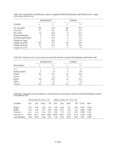
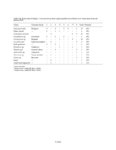
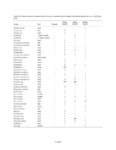
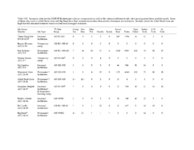
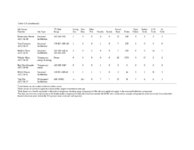
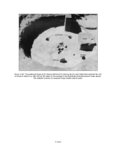
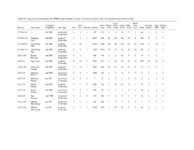
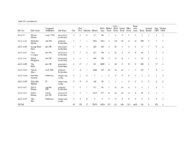
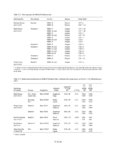
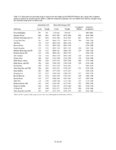
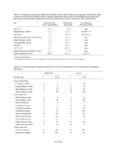
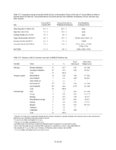
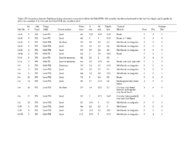
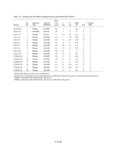
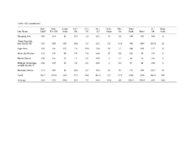
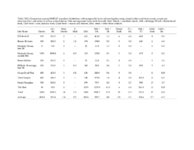
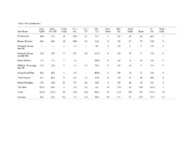
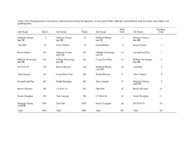
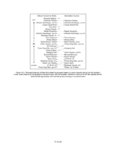
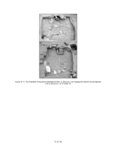
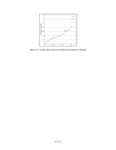
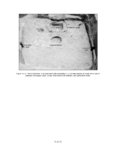
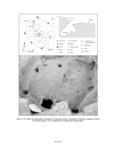
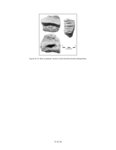
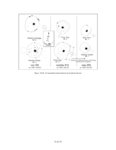
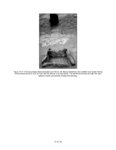
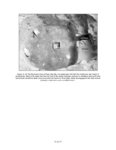
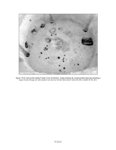
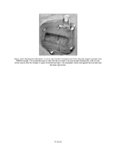
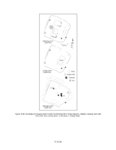
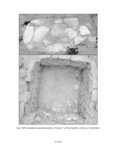
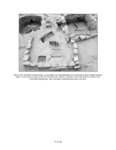
Show 8 (12 of 17 wash samples exceeded Cheno-Am frequencies in the controls). There was a slightly higher occurrence of pollen aggregates in the control samples (8 of 16 controls recorded more aggregates than corresponding wash samples). Beeweed and prickly pear were associated with both types of samples. Why is Cheno-Am pollen consistently higher on artifact surfaces than sediments in contact with or containing the artifact? Several species of Cheno-Am plant taxa are included in the broad Cheno-Am category, and all were used for a wide range of subsistence activities (Moerman 1998). Deliberate use of Cheno-Am seeds in archaeological contexts from all periods has been documented across the Southwest (e.g. Brandt 1999; Hunter et al. 1999). In the Glen Canyon region in Utah, Cheno-Am seeds (includes bugseed, Corispermum spp. and goosefoot, Chenopodium spp.) were recovered from 46-71 percent of 155 coprolites recovered from Archaic alcove sites (Van Ness and Hansen 1996:122). Clearly, Cheno-Am was an important food resource since early human occupation in southern Utah, and the enhanced Cheno-Am representation from N16 artifact washes may reflect Cheno-Am processing. However, another characteristic of the broad Cheno-Am group is the many weed species that readily colonize disturbed ground, such as around sites, and especially fields. Cheno-Am pollen is so ubiquitous in archaeological samples that some variable fraction of the pollen population, even on artifacts, must reflect ambient pollen from weedy and native taxa. Are There Any Artifacts wit a Clear Cultural Signal? Several artifacts produced pollen assemblages with unique representations of certain pollen types certainly suggestive of a direct signal of cultural activities (Table 12.9). The best examples are from AZ-J2-6, where an inverted and capped storage vessel, excavated from inside a pit, contained a mano. The mano may have been placed inside the jar or on the base of the jar and then it dropped inside after the bottom collapsed inward (see Chapter 8 of Volume IV). The mano and the vessel lid were washed for pollen, and sediments from inside the vessel provided two control samples. The whole suite of samples associated with the storage vessel (controls and washes) was characterized by high percentages of lily family and beeweed. Any occurrence of lily family pollen is rare, as this insect-pollinated plant species produces a small amount of pollen. The representation indicates that flowers or some product made from flowers of a lily species (probably yucca, onion, or possibly mariposa lily) were placed inside the vessel. Another artifact from this same site, from an extramural surface, produced a high value of Cheno-Am. Significant pollen wash signatures summarized in Table 12.9 include peak values of grass, prickly pear, lily family, beeweed, Cheno-Am, maize, and cattail. A pollen wash from a jar excavated from an activity area at AZ-J-14-21 yielded 5 percent prickly pear pollen, which is the second highest frequency from all 287 pollen samples analyzed for the N16 project. Some prickly pear product (flowers, fruit, or perhaps even pollen) was clearly associated with this jar. At AZ-J-14-36, three manos from Structure 1 produced high frequencies of grass pollen and maize. Another context with high pollen representation from artifacts is a kiva (Structure 2) at AZ-J-14-16. Two manos from the kiva produced maize, and one of the manos included a high percentage (12%) of grass in addition to cattail. Grass pollen was also high in two mano washes from the Late Archaic component of Three Dog Site (UT-B-63-39). Of the 15 artifacts with unique pollen assemblages listed in Table 12.9, only 3 are from extramural contexts; this result confirms the higher probability for cultural pollen signatures from tools in protected contexts compared to outside contexts. In fact, most of the artifacts with unique pollen assemblages were found inside a feature or in some type of special situation. Alcove caves have produced some exceptionally well preserved archaeobotanical materials because of the protected, dry and stable substrates. The metate from Atlatl Cave (Table 12.9) is a good example of a clear grass-processing signal preserved in an alcove setting. The unusual vessel samples at AZ-J-2-6 (Sapo Seco) are from an inverted Rainbow Gray jar, sitting on its rim with its opening stopped with a circular sandstone lid. This jar and pieces of two other vessels had been placed inside an extramural slab-lined hearth converted to a storage pit. Although the bottom of the Rainbow Gray jar had collapsed inward, the upside-down placement inside the pit protected this artifact and its contents and preserved the unique pollen representation. CONCLUSIONS We predicted that as artifact use-surface area increased, pollen concentration from the wash samples would increase. The larger surface areas should also contribute more sediment and materials during washing. Pollen density was measured in two ways: by pollen grains per cubic centimeter of sediment and by area of the use-surface as grains per cm2. Of these two parameters, grains per cc tracked a more sensible relationship to artifact attributes-size and texture. Neither the amount of sediment recovered from washes nor pollen density by surface area corresponded to the size of the artifact. The most robust pattern in the investigation of pollen abundance was that more pollen by sediment volume (gr/cc) was V.12.8 |