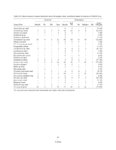
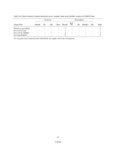
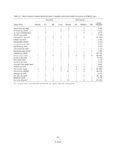
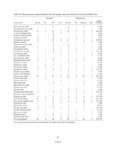
| OCR Text |
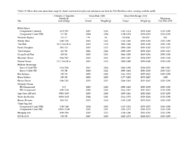
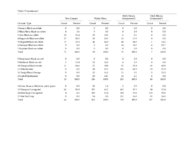
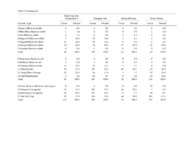
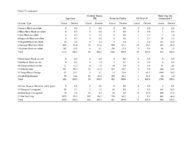
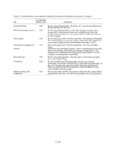
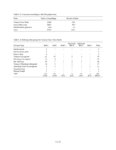
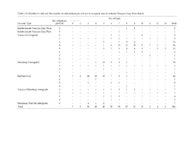
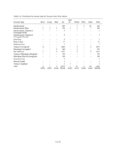
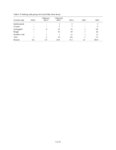
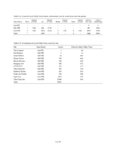
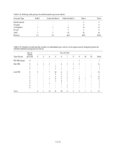
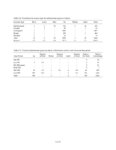
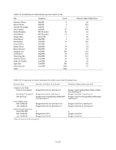
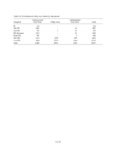
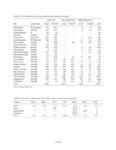
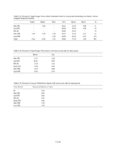
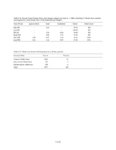
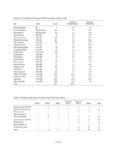
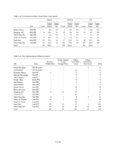
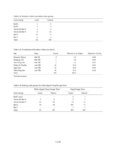
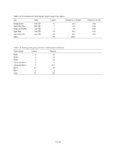
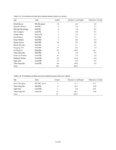
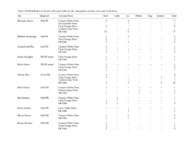
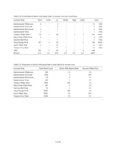
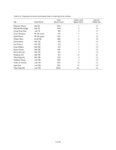
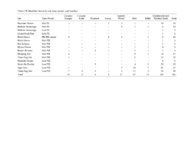
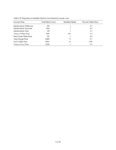
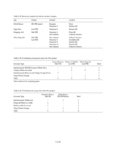
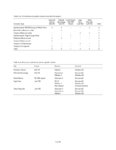
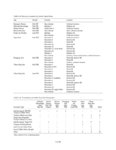
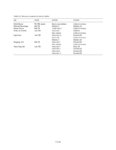
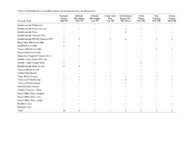
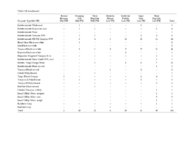
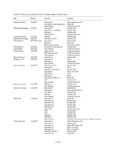
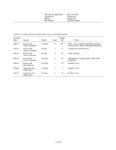
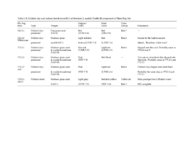
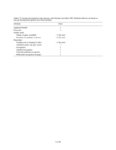
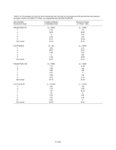
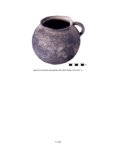
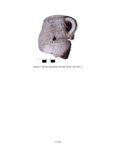
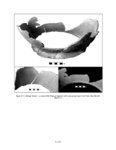
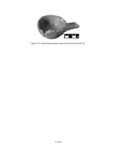
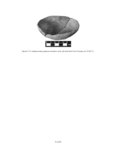
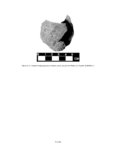
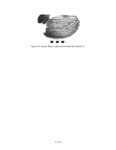
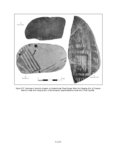
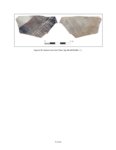
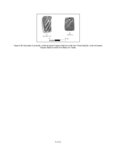
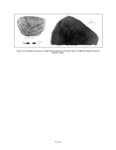
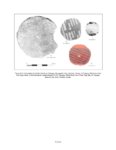
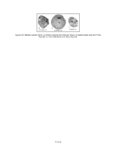
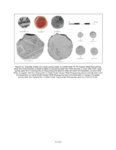
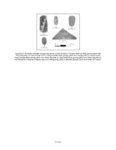
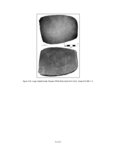
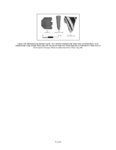
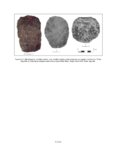
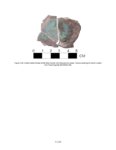
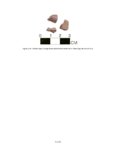
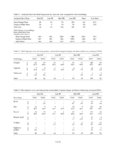
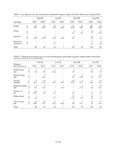
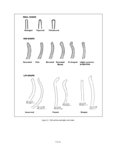
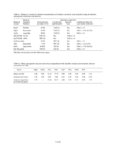
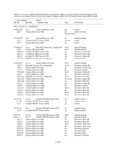
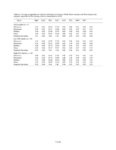
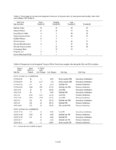
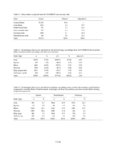
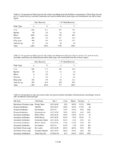
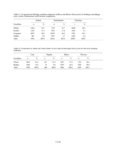
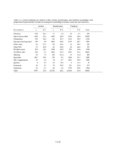
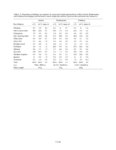
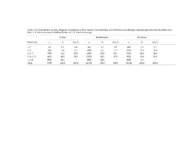
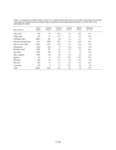
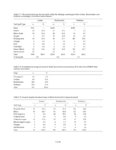
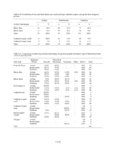
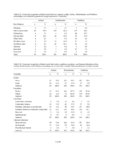
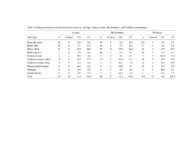
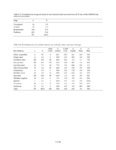
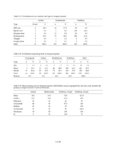
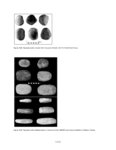
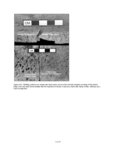
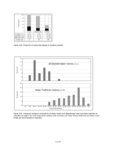
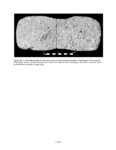
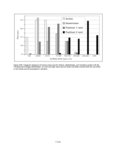
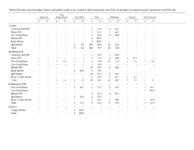
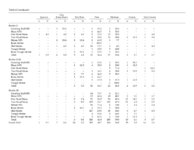
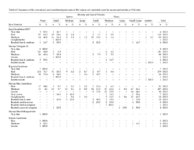
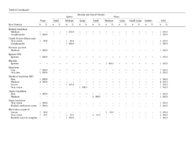
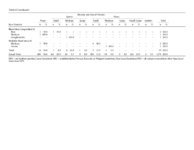
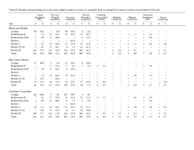
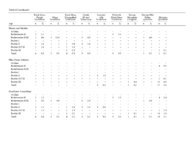
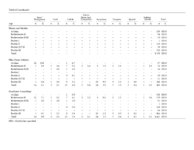
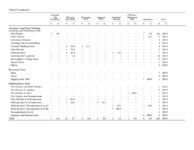
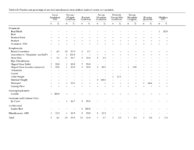
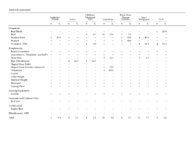
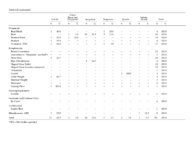
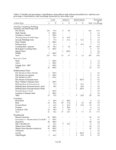
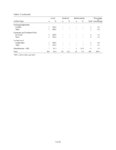
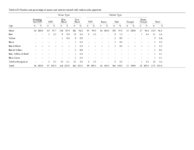
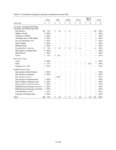
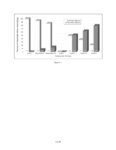
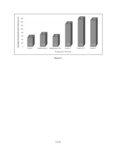
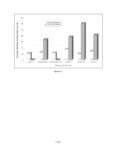
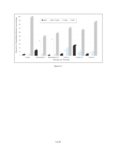
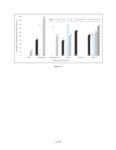
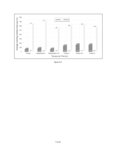
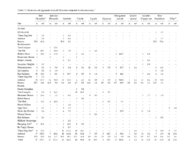
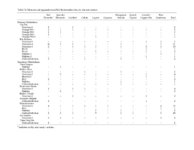
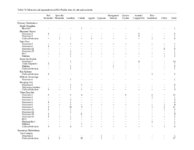
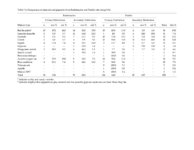
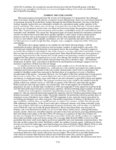
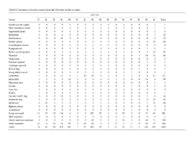
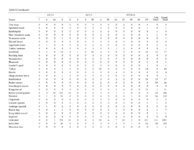
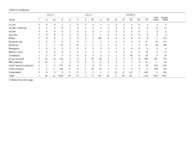
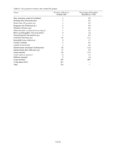
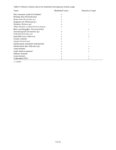
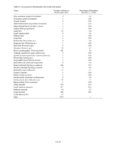
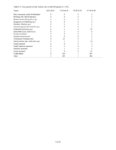
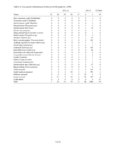
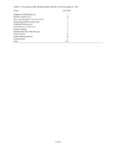
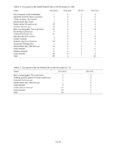
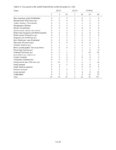
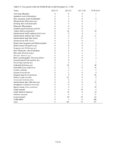
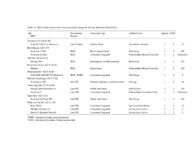
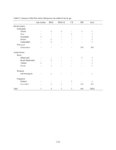
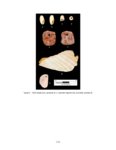
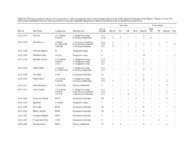
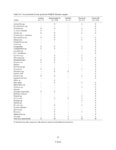
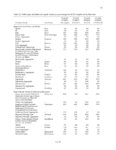
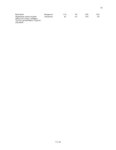
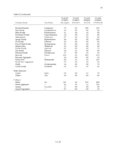
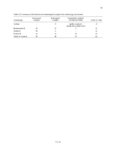
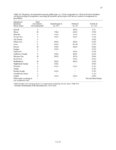
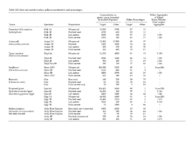
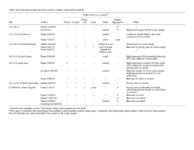
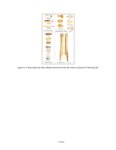
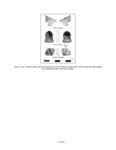
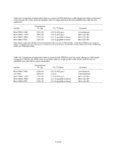
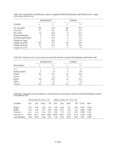
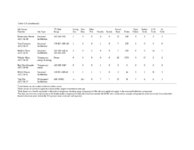
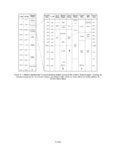
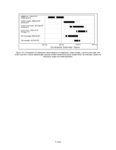
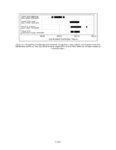
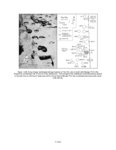
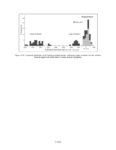
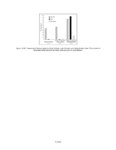
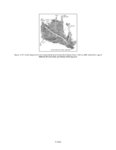
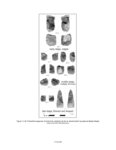
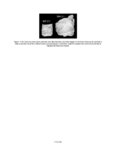
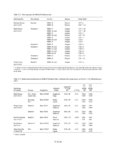
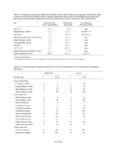
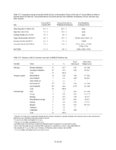
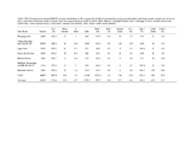
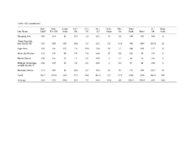
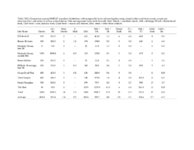
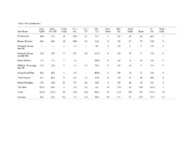
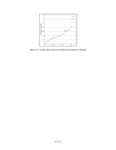
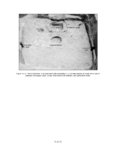
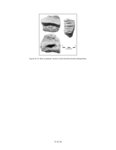
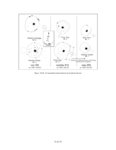
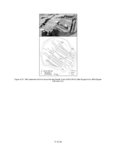
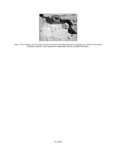
Show digging tool. Except for the digging tool, which was from a Basketmaker II assemblage, all these objects dated to the Pueblo III period. If these tools were used for food processing or preparation they would represent an increase in the variety of food-related grinding tools, and perhaps increasing tool specialization. This assumption may not be valid, however, as morphological variation does not necessarily mean that tools were used for different purposes (Horsfall 1987:354). Similarly, in his study of stone artifacts from the Jeddito district in Arizona, Woodbury (1954:208) noted a tendency for increasing specialization and variety, with innovations often providing alternative tools and techniques without entirely supplanting established ones. Raw Material Texture and Diversity Prior to excavating the N16 sites it was expected that an increasing reliance on maize might have brought about a change in grinding tool raw material preferences with increasing dependence on sandstones with coarse or conglomeritic grain sizes and vesicular textures (Geib et al. 1993). Previous analysis of Archaic manos from Dust Devil Cave had revealed a strong preference for fine-grained sandstones (Geib 1984). Similarly, Archaic manos from the BMAP area were all fine-grained sandstone and all the Archaic metates were fine- to medium-grained sandstone, while later periods included grinding tools with coarser textures (Christenson 1987). One possible explanation of this trend is that finegrained materials are more suitable for processing small seeds (typical of many wild plants), and coarsegrained stone is better suited for processing large corn kernels (Ackerly 1979:326, cited in Halbirt 1985:25). A study of metates from sites in the Mimbres Valley provides some support for this argument. Analysis of pollen washes from the metates revealed that maize was found almost exclusively on metates with coarse textures (Halbirt 1985, but see Chapter 12 of this volume). The grain size of raw materials used for manos and metates was examined to determine if the expected change in raw material preference had actually occurred. Table 6.2 summarizes the various grain textures of manos and metates from the different temporal periods represented by N16 sites. More than three-quarters of the Archaic manos and metates were made of fine-grained sandstone, and a total of four grain sizes were noted. Manos and metates from all the later temporal assemblages were dominated by fine- and medium-grained materials. Most (89.4%) of the Basketmaker II manos and metates had one of these two grain sizes, with a total of seven grain sizes represented. Among the Basketmaker II-III tools six grain sizes were recorded, and just over two-thirds of the manos and metates were manufactured from fine- and medium-grained materials. Eighty percent of the Pueblo II manos and metates were made of materials with these two grain sizes, and eight grain sizes were identified (nine if igneous materials are included). In the Pueblo II-III assemblages medium-grained material was most common (41.8%), followed by fine-grained tools (32.7%). This was the only temporal period where fine-grained texture did not dominate. Six grain sizes (plus some tools with indeterminate grain sizes) were observed in the Pueblo II-III manos and metates. The Pueblo III assemblages were the most diverse with a total of 11 grain sizes (12 if igneous materials are included) among the manos and metates. As with the earlier assemblages, the Pueblo III tools had predominantly fine- and medium-grained texture, with 85.5 percent made of materials with these two grain sizes. Based on this information there was not an overwhelming shift toward using coarser stone over time, even during periods when it is believed there was fairly high agricultural reliance. The preponderance of finer-grained materials used for manos and metates is a consequence of most of these tools being made from local sandstones, primarily Navajo/Wingate Sandstone and Kayenta sandstone, which within the N16 area tend to consist of fine and medium grains. Nevertheless, the diversity of grain sizes in materials used to make manos and metates increased over time and a larger variety of coarser stone was used during the Pueblo III period. This might reflect a need to use coarser-grained stone, or it might simply be a reflection of the fact the Pueblo III mano and metate assemblage was vastly larger than any of the other temporal assemblages. It seems more likely, however, that the greater grain-size diversity found in the Pueblo III assemblages can be explained mostly by the closer proximity of many Pueblo III sites/components to Navajo Mountain, the source of a dense and often silica-cemented sandstone that generally ranges from medium to coarse. Therefore, although the later assemblages tended to possess greater varieties of grain sizes, this might be a function of site location and access to raw materials, in contrast to purposely selecting coarser grain stone because of greater agricultural reliance. Of course grain size is only one of several variables contributing to a stone's texture. A stone's vesicularity also plays an important role in determining its effectiveness as a grinding tool. Stones possessing a high density of vesicles, but that are fairly fine grained, can still be effectively used for V.6.16 |