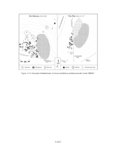
| OCR Text |
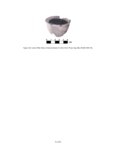
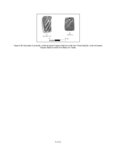
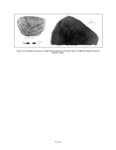
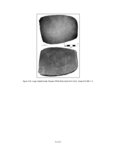
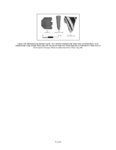
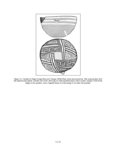
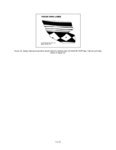
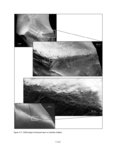
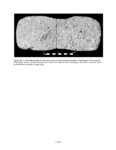
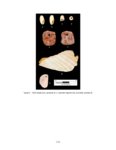
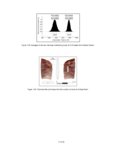
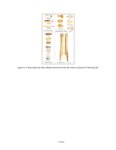
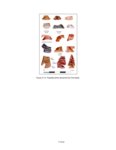
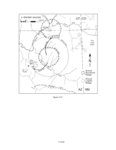
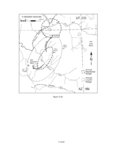
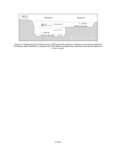
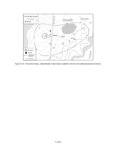
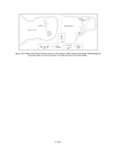
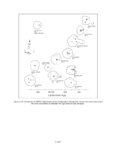
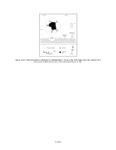
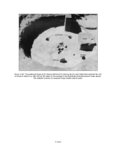
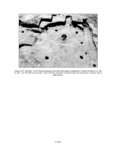
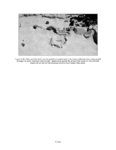
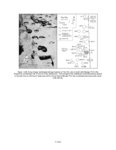
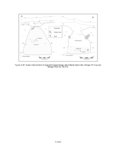
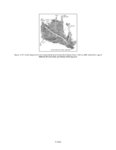
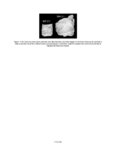
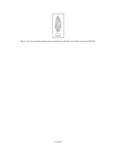
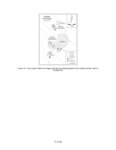
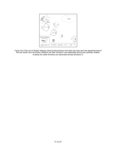
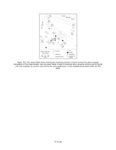
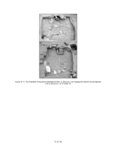
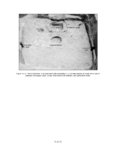
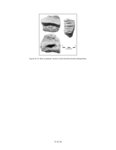
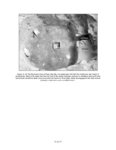
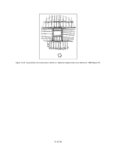
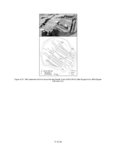
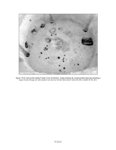
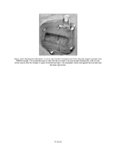
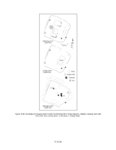
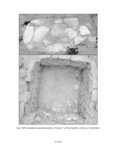
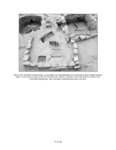
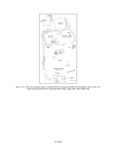
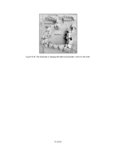
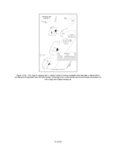
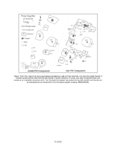
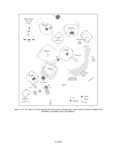
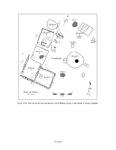
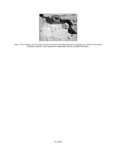
Show often more than 10 percent and when combined with an entrybox then up to 20 percent. In addition to hearths, most living rooms had floor pits of various size. In most cases these were small or medium sized and relatively shallow, likely used to store artifacts. There were, however, a few examples of large storage pits such as that at the middle Pueblo II site of Hammer House shown in Figure 15.14. The capacity of these features can be enormous, at some sites reaching 2 or more meters below the floor (e.g., the pit in Room 1 at Small Jar Pueblo [Lindsay et al. 1968:123-125, Figure 98] or the pits in Structures 3 and 4 at AZ-D-10-17 [Callahan 1985]). The example illustrated here from Hammer House is estimated at roughly 1.4 cu m in volume, which could have held a considerable amount of maize on the cob (see Huckell et al. 2002:145-146, Table 11.1) or even more kcal as kernels in bags or baskets. This particular room, with its shallow basin hearth, was evidently also used for grinding corn; at least the dozens of pecking stones and debris therefrom that covered the floor evinced considerable mano and metate maintenance in the room. The Hammer House room also serves to illustrate the most common construction method for living rooms, that of jacal. The postholes, some with posts, can be clearly seen recessed into the corners of the room and midway along the walls of the long axis. These would have supported a cross frame of roof timbers with the superstructure finished by leaning other timbers against the roof frame and weaving willows or other plants to form the wattle frame for the sediment. For this particular structure, unlike most examples in the N16 ROW, the superstructure had been left intact upon abandonment, so the fill contained a thick layer of wall and roof fall. This layer consisted of clayey sand, like would have been removed during excavation of this house and especially the adjacent kiva, which would have generated considerably more sediment. Thirty living rooms had jacal superstructures in whole or in part: 23 of only jacal, 1 of jacal attached to masonry, 5 of jacal and masonry (different walls), and 1 of jacal with a 10 cm thick layer of adobe lining one wall. Full-height adobe walls have been documented in the Kayenta region (e.g., Ward 1975), even at open sites (e.g., Schroedl 1989:481-482, Figures 167-171), but this was the single limited example of an adobe wall found at an NMRAP site. The two fully subterranean houses had earthen walls and were probably flat roofed. With shallower rooms more of the superstructure would have projected above the occupation surface, with greater use of jacal construction. Since nearly all structures had been dismantled in prehistory, direct evidence for construction method was usually absent, such that the use of jacal is an inference usually supported by a lack of masonry wall fall and the finding of postholes or in some cases rotted or burned posts. Because so few structures had burned, preserved mortar (Figure 15.15) was rare. The NMRAP sample has but a single living room built totally of masonry (shown later, see Figure 15.32). Kivas Six of what we refer to as kivas were excavated within the N16 ROW. Labeling a structure a kiva does not mean that such structures were strictly ceremonial in nature and intended mainly for men's activities. Rather, we believe that they had an important domiciliary role and argued as much years ago for a kiva at the late Pueblo II site of UT-V-13-19 at Navajo Mountain (Geib et al. 1985:198). This said, the term pit house (or pit structure) simply does not suffice in the Kayenta region to denote the kind of structure considered here because of the abundance of rectangular living rooms in the region that are also commonly referred to as pit houses or pit structures, but that lack the architectural characteristics of what Kayenta archaeologists have commonly called kivas. In the eastern Pueblo area, those wanting to restrict usage of the kiva designation to a very specific kind of structure that is evidenced by room/kiva ratios rather than distinctive architectural traits per se (e.g., Lekson 1988, 1989) could apply the term pit structure without risking confusion between qualitatively different structure "types" because there tends to be only one form of subterranean structure in use in that area. The same is not true for the Kayenta region, or the larger western Pueblo area (not as Plog [1979] defined it), where many of the previously described living rooms are also commonly referred to as pit houses or pit structures. If the more generic term was adopted then additional qualifiers would need to be added in order to be precise in reports and discussion. Simply adding round and square to pit house (or pit structure) would not suffice, since there are also square kivas in the Kayenta region (e.g., Lindsay et al. 1968:218-220, Figures 171 and 172) and the Ramp Site in the Hopi Buttes had a square kiva surrounded by square pit houses (Gumerman 1969). We use the term kiva as a simple and useful shorthand that captures the distinctive characteristics of these structures when compared to the living rooms previously considered. Although Kayenta kivas were likely lived in, as we will discuss in greater detail below, ceremonies also doubtless occurred there as well and the evidence of loom holes suggests that weaving was done in at least some of the NMRAP kivas, and this craft is ethnographically documented to be the domain of men. We readily accept that the structures that we call kivas didn't lose their domestic functions and take on their largely ceremonial role V.15.17 |