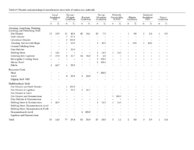
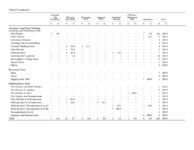
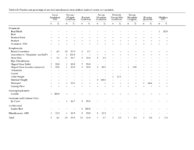
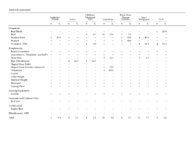
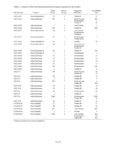
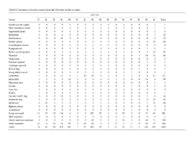
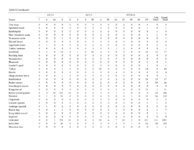
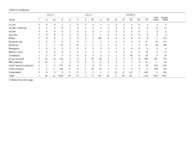
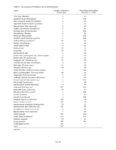
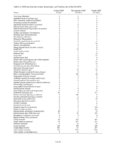
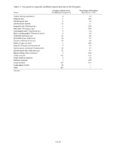
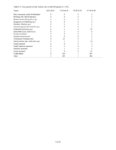
| OCR Text |
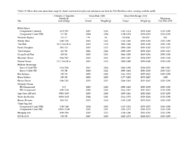
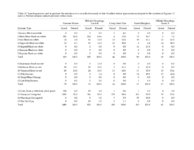
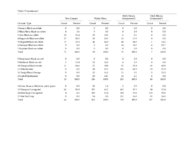
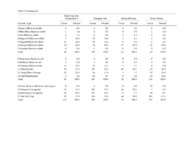
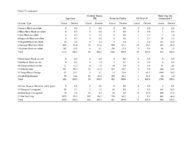
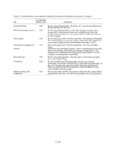
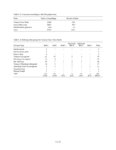
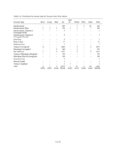
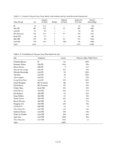
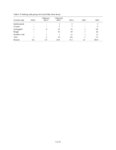
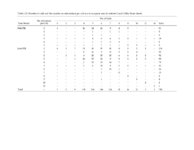
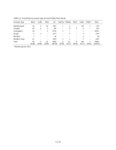
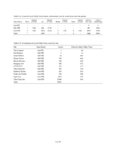
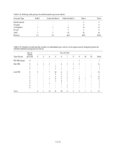
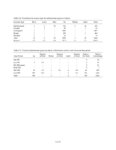
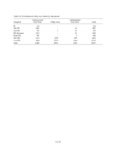
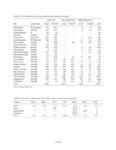
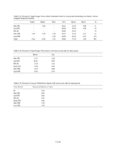
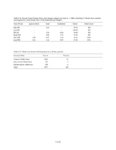
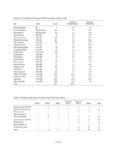
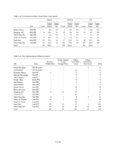
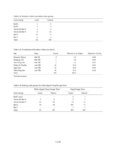
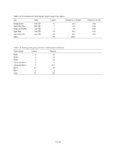
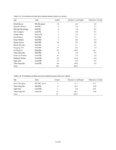
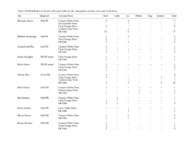
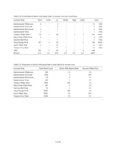
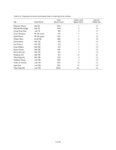
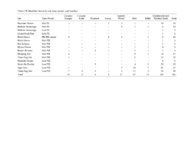
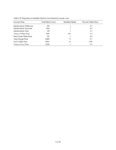
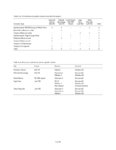
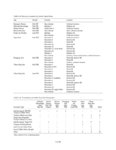
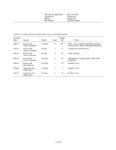
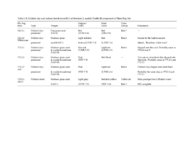
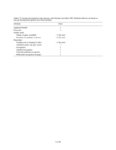
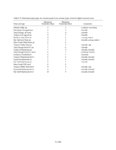
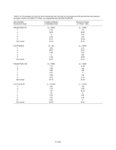
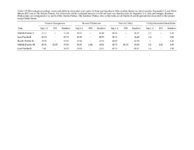
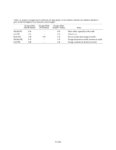
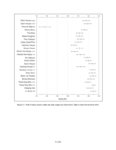
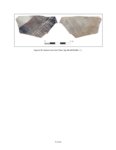
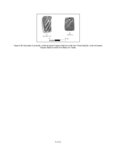
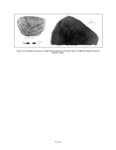
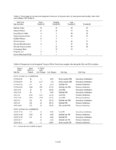
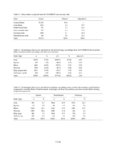
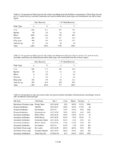
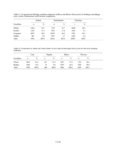
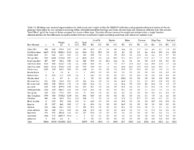
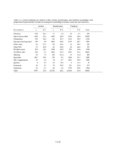
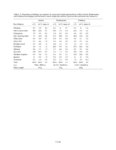
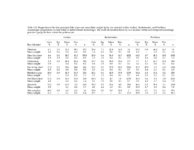
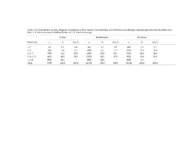
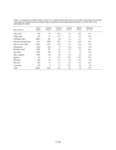
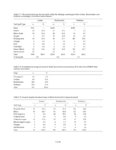
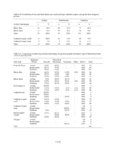
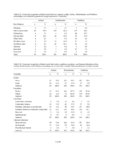
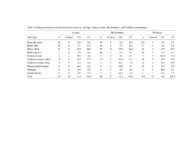
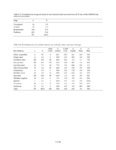
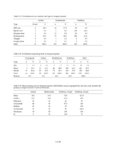
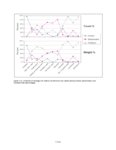
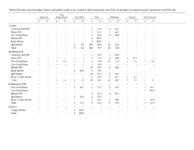
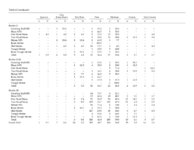
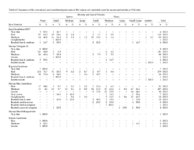
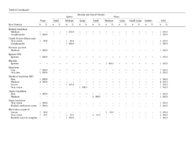
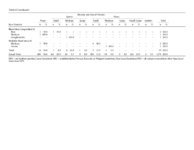
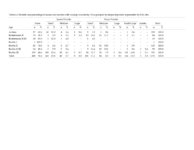
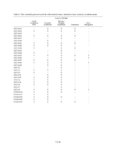
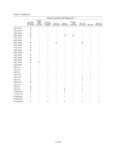
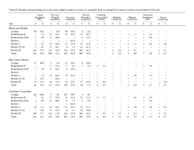
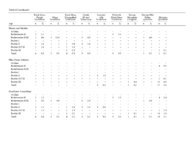
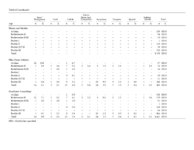
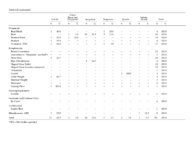
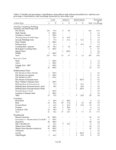
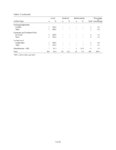
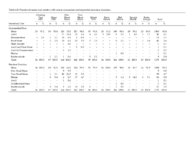
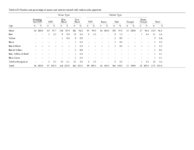
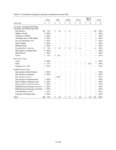
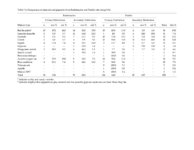
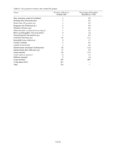
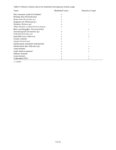
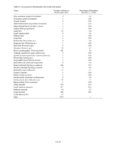
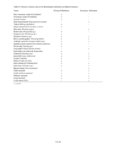
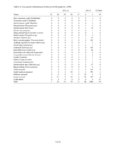
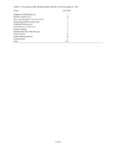
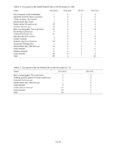
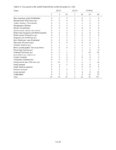
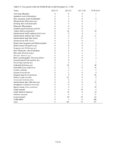
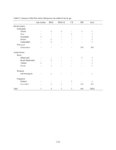
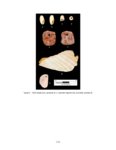
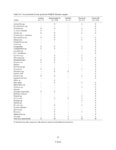
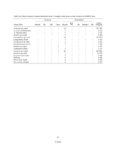
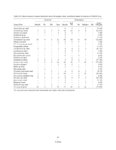
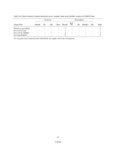
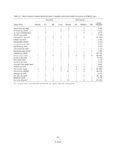
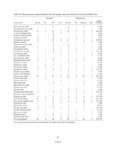
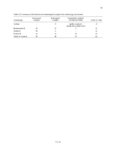
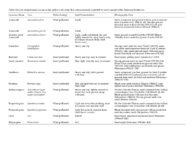
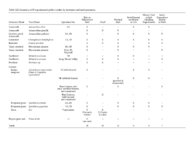
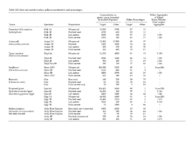
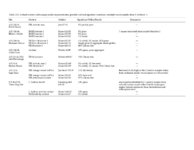
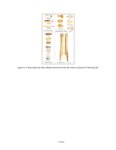
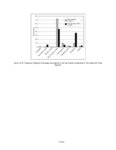
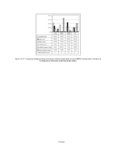
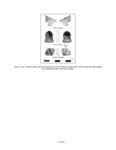
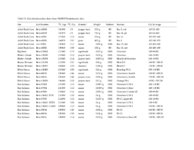
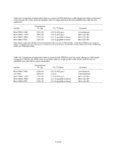
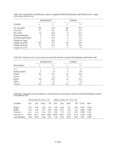
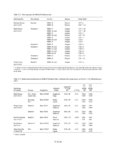
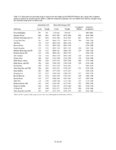
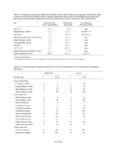
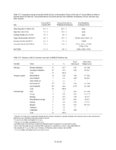
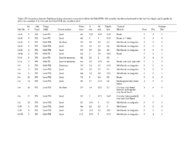
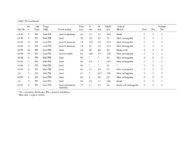
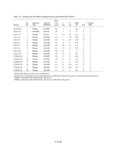
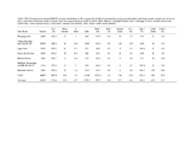
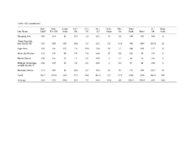
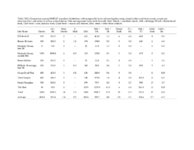
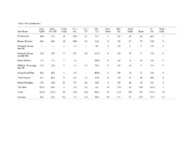
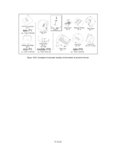
Show DEBITAGE FLAKE TYPES Technological category or flake type is a principal attribute used for inferring reduction behavior at sites or within temporal periods. This attribute is an assessment of the reduction stage or objective represented by a flake. There are both advocates and detractors of using flake types for technological analysis (see reviews in Andrefsky 1998:118-122; Shott 1994:75-79). Although flake types can be criticized as not being "empirical units of observation" (Shott 1994:77), there is actually little difference in practice between how flake types are recognized and, say, how a faunal analyst goes about identifying bone fragments to part, genus, and species. It is based on a sum of observations grounded in years of experience with faunal remains and supported by a comparative collection of known specimens. Root (2004) is an obvious cheerleader for the technological classification of debitage and he tries to mount a strong defense of the approach in the face of criticisms from various quarters such as Sullivan and Rozen (1985). He takes what amounts to an essentialist view that flakes have inherent technological meaning and that we need only to properly identify these types for this meaning to be revealed-flakes contain the inferences to be discovered once we have named them: bifacial thinning flake, notching flake, Folsom flute, etc. This is an interesting philosophical debate but one that we will not pursue here. Root explicitly defines his flake types and illustrates them, which is useful, especially since his types closely parallel the types used here. Our flake types are based on inferences derived from the sum of observations about the morphology of a flake, such as platform and dorsal characteristics and the nature of flake initiation, following Cotterell and Kamminga (1987). Constructive application of flake types in lithic analysis is dependent upon modern replication experiments, which also provide flakes from known reduction strategies and objectives for a comparative collection. The accuracy of flake type analysis is enhanced by the degree to which an analyst has direct experience in stone tool production; the more one experiments with different reduction sequences and objectives the greater is one's ability to recognize the characteristic technological attributes of flakes. We are reminded of the lesson in trying the define peanut butter to a space alien: what does one say besides "it tastes like peanuts." In this case, as in lithic analysis, personal experience matters. Of course, we do not assume that all flakes can be correctly categorized and indeed a large proportion (37%) of the overall assemblage of 52,564 flakes from the N16 excavations were considered indeterminate. Interpretation of the flake type variable is based on trends in the data. As such, a certain sample size (number of flakes) is required to make firm inferences about reduction activity at a particular site. Most of the excavated NMRAP sites have sufficiently large flake assemblages to allow solid inferences, and for the three general time periods-Archaic, Basketmaker, and Puebloan-the sample sizes are so large (many thousands) that the patterning is robust. The list of flake types used in this analysis is sufficiently simple to preclude much confusion, yet detailed enough to reveal technological patterns of behavioral significance. We recognized six principal flake types that together account for 33,055 pieces of the debitage from the 33 NMRAP sites. First among these by count and weight representation are direct free-hand percussion core reduction flakes, designated in the tables simply as core. The DFP part has been dropped except in the text and data tables since it is essentially redundant. The characteristics of such flakes are their large, often flat, single flake scar platforms, Hertzian-cone initiations, common large bulbar swelling, simple dorsal flake scar pattern with scars often oriented in the same direction as the axis of percussion, low dorsal scar count, comparatively great thickness that occurs at the bulb of force, often straight-sided margins, and often minimal flake curvature except perhaps near the distal termination. Core reduction flakes account for 37 percent of all classifiable debitage by count but fully 87 percent by weight (Table 5.2). The increase in representation from count to weight reflects the comparatively large size of core flakes relative to most other flake types, something appreciated by the mean flake weights of Table 5.2. Core reduction flakes appear to be derived from several different reduction strategies or objectives. Obvious is the simple flaking of nodules to produce flakes for expedient use (used flakes) or to serve as blanks for other retouched tools. The preparation or refurbishment of edges on large core tools was another principal objective resulting in core reduction flakes, in particular the preparation and edge refurbishing of pecking stones. The second most common flake type is percussion biface reduction, often known as biface thinning flakes or flakes of bifacial retouch (Frison 1968:149-150). As many authors have observed, these flakes often have faceted platforms, bending initiations (although Hertzian initiations also occur), hence platform lips and diffuse bulbs of force, multiple and complexly patterned dorsal flake scars, expanding flake outlines with relatively narrow platforms and maximum flake widths midway or more to the flake termination, and ventral flake curvature; they are moderately thin, with maximum thickness away from the bulb of force. This flake type accounts for 29 percent of the identifiable debitage by count but just 6 V.5.9 |