| OCR Text |
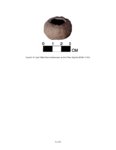
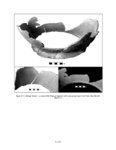
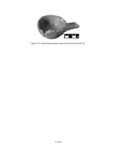
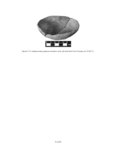
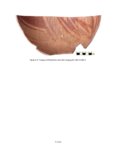
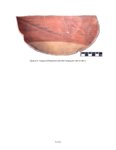
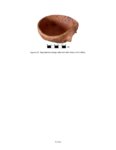
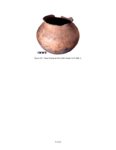
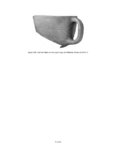
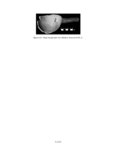
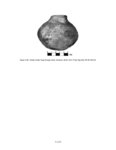
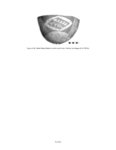
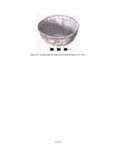
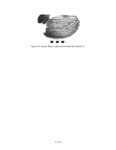
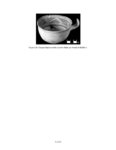
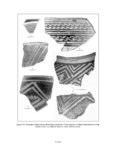
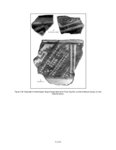
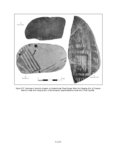
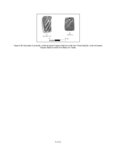
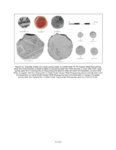
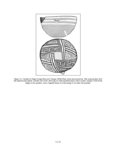
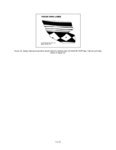
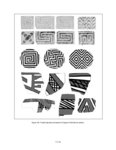
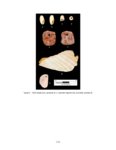
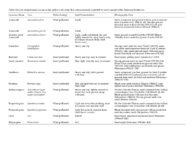
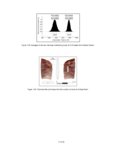
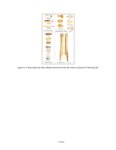
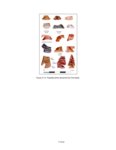
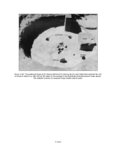
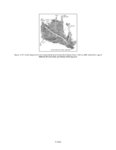
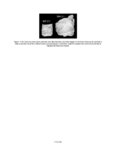
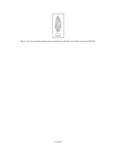
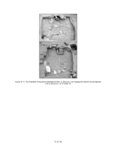
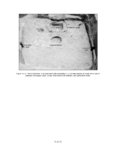
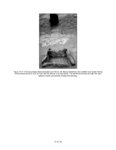
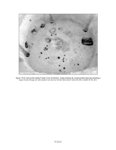
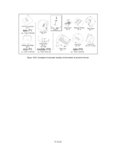
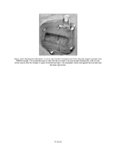
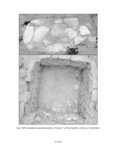
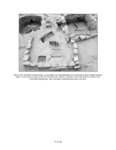
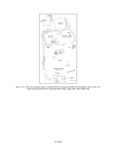
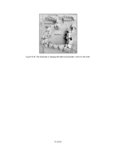
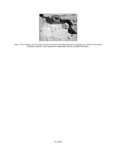
Show under an overturned Mesa Verde Black-on-white bowl. This assemblage looks like it was used for sifting cornmeal (Ryan 2003, see Structure 136). Plaited baskets might also have been used to transport and serve dry foods, such as maize and wild plants, as either whole seeds or some form of bread, tortillas, or tamales. They were made of yucca leaves, probably by women (they are made by pueblo women today and basketry materials have been documented in the graves of females). Orangeware decoration also suggests connections with the earth, as opposed to the sky. The color red is typically associated with the earth and fertile soil, a natural symbol derived from the Southwestern landscape. Kiva murals from the Pueblo III period that may refer to landscapes or horizons show the earth as red and the sky as white (Ortman 2004). The earth is typically feminine in Puebloan cosmology. Yellow is often said to be a feminine color, as in the important Keresan earth personage "Yellow Woman." The fact that red slip on Tsegi Orange Ware pottery begins as a yellow-colored clay paint (limonite/goethite) may be symbolically significant. The paint transforms from yellow to red as iron compounds in the constituent minerals oxidize (P. Kay and P. Geib, personal communication 2003). In contrast, blue-green is a masculine color to the Puebloans. The two colors sometimes appear on prayer sticks viewed as masculine and feminine pairs. Sand and maize, materials that were probably sifted in plaited baskets, are also feminine in the Puebloan worldview. The actual Hopi world, the earth's surface, is a sand altar, bringing forth the plants, animals, and water we all need to survive (Sekaquaptewa and Washburn 2004). This concept is embodied by Sand Altar Earth Woman. The Hopi language, and to some extent other Pueblo languages, equates growing corn plants with female bodies, as in the personages called "corn maidens" and "corn mothers" (Black 1984). Most other pueblos also have corn maidens and mothers. Sifter baskets, redware bowls, sand, and maize may then be conceptually linked and conceived as dynamically opposed to cotton blankets, whiteware jars, rain, and sky. If such a web of associations enables pottery vessels to stand for key concepts in Puebloan thought, such as the relationship that must pertain between rain and earth before crops will grow for the survival of humankind, it would be desirable to have both kinds of vessels in nearly any functional context. Perhaps the higher frequencies of redware vessels at sites in some regions does not have to do with a need for redware vessels in ritual contexts, but rather indicates a need to have both kinds. Where redware vessels were more difficult to make or obtain, we might find them more often in ritual contexts. But where redware vessels were locally produced and easily available, as in the Navajo Mountain area, we should expect the pattern we in fact see-they are everywhere. If anything, whiteware vessels should be more frequent in ritual contexts. That this is not the case may simply reflect the wider range of shapes and therefore wider range of uses for whiteware, and also the apparent ease of procuring whiteware from neighbors to the south. Differing symbolic roles would also explain the different design styles on vessels that were apparently made by the same potters, at least in the southern Kayenta area. It is possible that women formed and fired all pottery vessels, but they may not always have painted both kinds. It is possible that women only painted the orangeware vessels, while men, who were also the weavers, might have painted textile designs on whiteware vessels. Such divisions of labor within family production units are noted frequently in the ethnographic record, especially where some degree of craft specialization has developed (Kramer 1985; Mills 2000). In the historic pueblos, men sometimes painted their wives' pottery in response to market demands, for example Lesou and Nampeyo at Hano, and Julian and Maria Martinez at San Ildefonso. CONCLUSIONS In summary, evidence examined here and by Beals et al. (1945) suggests that potters in the Kayenta area, south of the N16 study area, made both Tsegi Orange Ware and Tusayan White Ware vessels. Styles and vessel forms overlapped across wares in the Pueblo II period, diverged in the Pueblo III period, and collapsed again to some degree after AD 1250. Over time, potters increasingly preferred to make orangeware bowls and whiteware jars. The same patterns were observed in the Navajo Mountain area, where communities apparently imported Tusayan White Ware pottery, and may have imported some Tsegi Orange Ware. Local potters made a small amount of whiteware pottery with local materials (see Chapter 2), but probably produced a great deal of Tsegi Orange Ware. Comparison of Pueblo II and III period Navajo Mountain area assemblages echo Kayenta area patterns: decorative styles are more similar across wares in Pueblo II than in Pueblo III. Decoration of Pueblo III whiteware types seems to refer primarily to contemporaneous textile traditions, while Tusayan Polychrome bowls resemble patterns on plaited sifter baskets. Slipped Kiet Siel Black-on-red and Polychrome styles diverge from Tusayan Polychrome styles, include a wider range of V.3.11 |