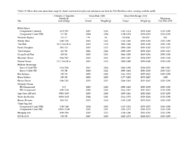
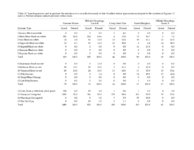
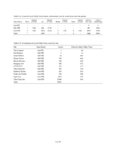
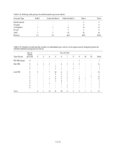
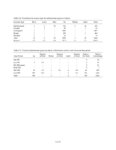
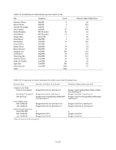
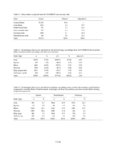
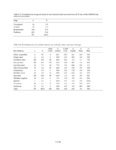
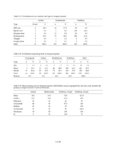
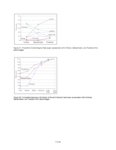
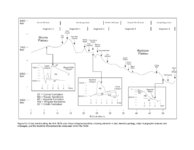
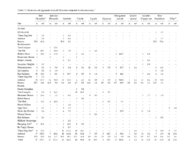
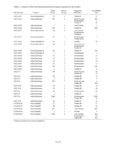
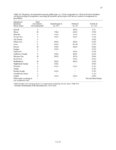
| OCR Text |
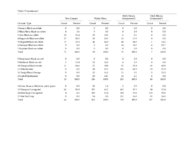
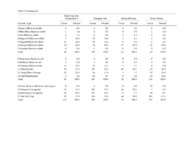
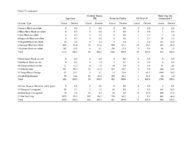
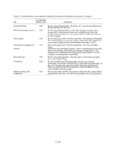
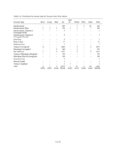
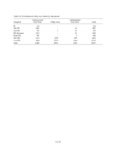
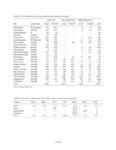
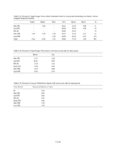
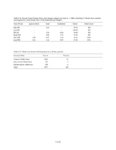
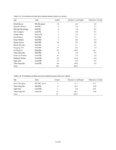
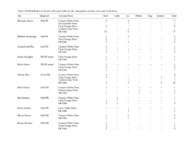
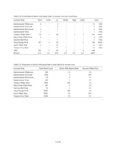
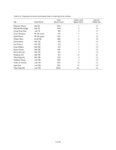
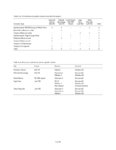
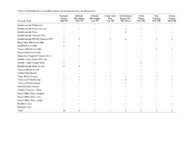
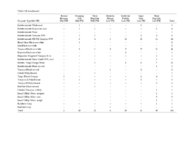
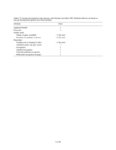
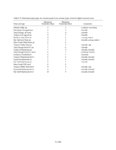
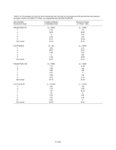
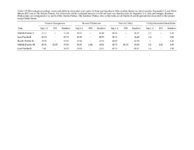
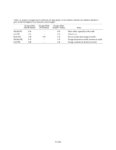
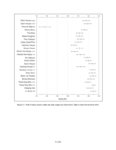
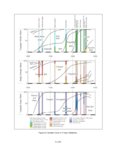
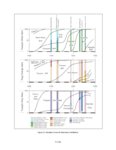
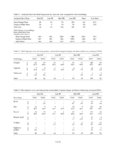
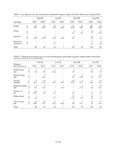
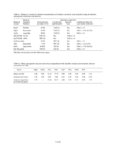
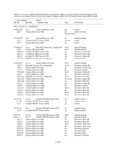
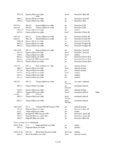
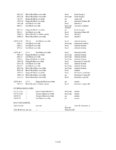
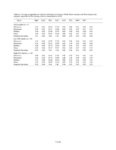
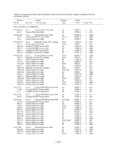
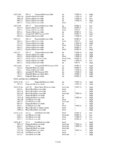
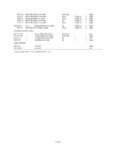
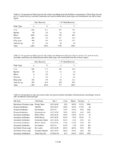
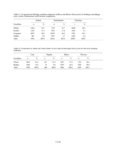
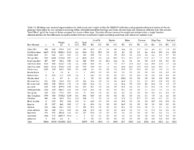
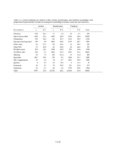
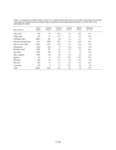
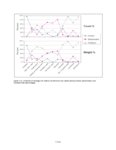
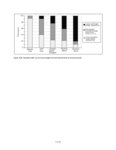
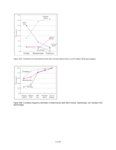
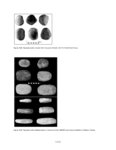
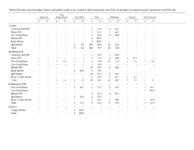
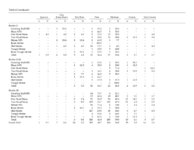
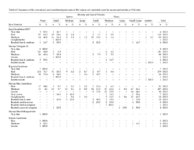
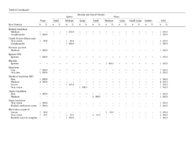
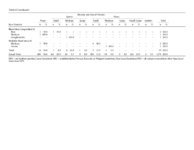
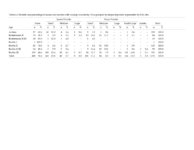
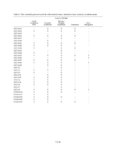
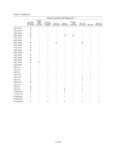
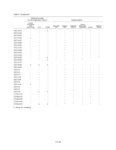
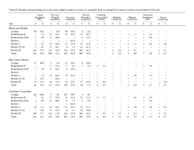
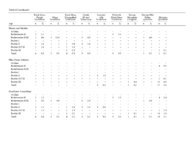
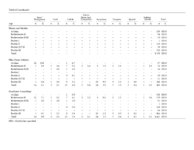
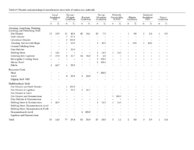
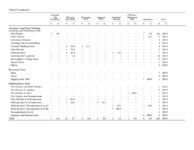
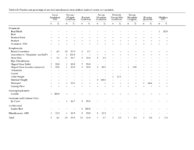
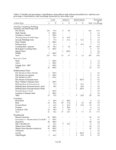
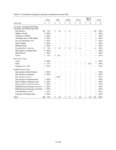
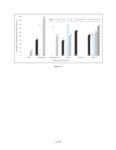
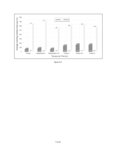
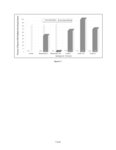
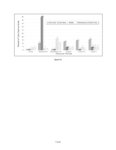
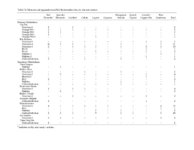
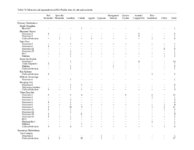
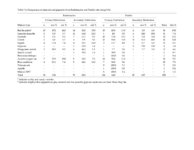
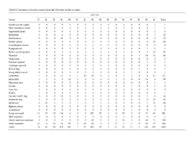
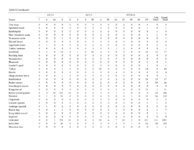
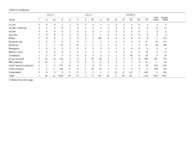
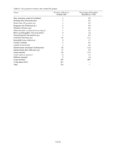
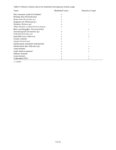
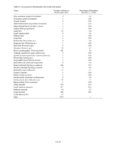
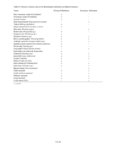
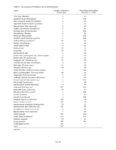
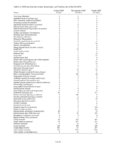
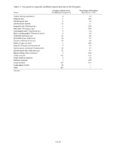
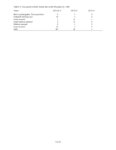
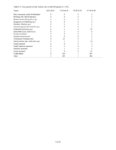
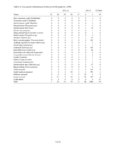
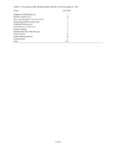
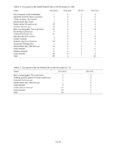
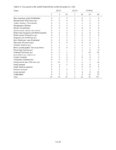
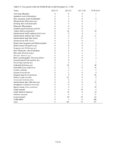
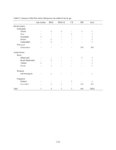
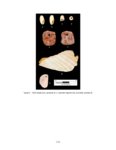
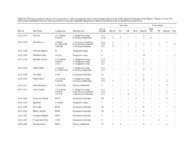
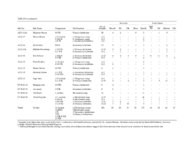
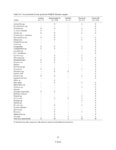
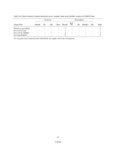
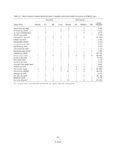
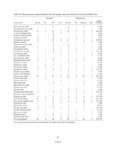
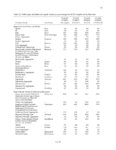
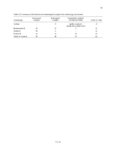
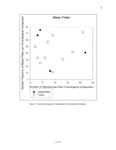
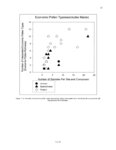
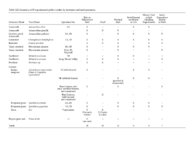
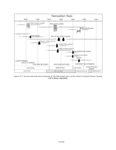
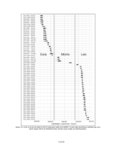
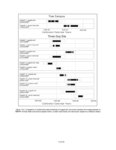
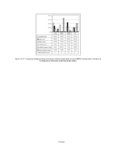
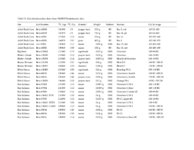
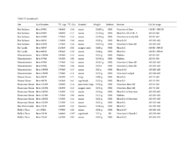
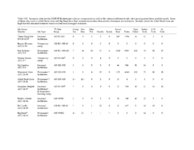
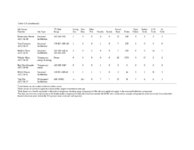
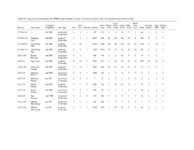
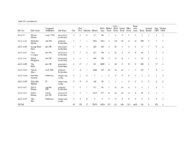
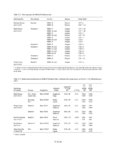
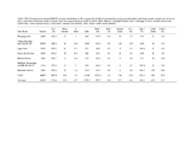
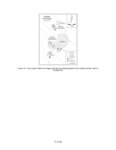
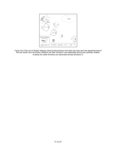
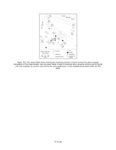
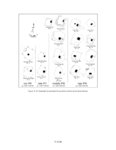
Show with the best evidence for the earliest use of cultigens on the Colorado Plateau derived from open settings. The Lukachukai site, an open pit house settlement in northeastern Arizona with maize dated to before 1000 cal. BC (Gilpin 1994: Table 4), used to provide the earliest securely dated maize. The Old Corn site near Fence Lake, New Mexico is the new standard bearer, with numerous direct maize dates at around 2100 cal. BC (Huber 2005). In any event, it cannot be claimed that the NMRAP focus on open sites has precluded documentation of earlier maize. Admittedly, more corn (and squash) from both open and sheltered sites of the northern Kayenta region needs to be directly dated because revealing the rare amongst the more common usually requires large sample sizes, and early domesticates might be rare relative to those from about the time of Christ or later. Several NMRAP sites that lacked maize dated to about 1000-400 cal. BC, contemporaneous with domesticate use on other portions of the Colorado Plateau to the south and east. I have designated such first-millennium BC sites lacking maize as late or terminal Archaic. Despite diligently searching through the 1/8" mesh screened fill from late Archaic cultural strata and dozens of hearths, excavators never found any corn remains. Flotation analysis has verified the lack of maize macroplant remains or domesticates. The analysis of 46 four-liter flotation samples from late/terminal Archaic sites revealed no corn or squash. In stark contrast, NMRAP preceramic sites dated after 400 cal. BC nearly all contained maize, sometimes in great abundance. Excavators recovered kernels, cupules, and occasional cobs in the field from most Basketmaker sites. Flotation analysis has verified this pattern of the common recovery of maize: 56 percent of 174 Basketmaker samples contain some portion of corn, with kernels represented in 25 percent (see summary below). As argued in Chapter 13, I believe that the non-agricultural sites dating to before 400 cal. BC represent the trace of a continued forager adaptation on the Rainbow Plateau that lasted until perhaps 600 cal. BC and not the foraging and hunting camps of preceramic farmers. Besides a lack of domesticates, a principal reason for thinking this is that the projectile points and other remains are unlike those typical of Basketmaker II sites. Agricultural Dependence How archaeologists measure agricultural dependence is a complicated issue, made even more so these days because of the many separate lines of evidence that can be mustered, some of which may give conflicting results. One of the principal measures of agricultural dependence is provided by macrobotancial remains, from both human feces and sediment samples (e.g., Gasser 1982; Minnis 1989; Stiger 1977). Macro remains in feces provide direct evidence of corn consumption but evidence that constitutes just a single meal or two rather than a yearly diet. In addition, it is exceedingly difficult to infer the relative contributions of different fecal constituents, although the absolute abundance of a component and the number of feces with a given component provides some indication. The remains of maize in flotation samples provide an indirect measure of agricultural dependence, subject to multiple interpretations. Even when maize remains are exceedingly abundant, as at the Donaldson and Los Ojitos sites (L. Huckell 1995), the question remains, "does an abundance of evidence necessarily translate into evidence of abundance" (B. Huckell 1985:120). Pollen in both fecal and sediment samples can also be related to diet, but interpretation of pollen findings in terms of agricultural dependence seems even more problematic than for macrobotancial remains. Greater efficiency in maize kernel processing, as evidenced by mano and metate size, provides another indirect measure of increased dependency (Hard et al. 1996; cf. Adams 1999). Bone isotope ratios, though not without interpretive complications (see reviews in Ambrose 1993; Katzenberg and Pfeiffer 2000; Sealy 2001), provide perhaps the best evidence currently available for a signature of long-term diet, and several such studies are available for early farming groups on the Colorado Plateau (Chisholm and Matson 1994; Coltrain 1996, 1997; Coltrain et al. 2007; Martin 1999; Martin et al. 1991; Matson and Chisholm 1991). Unfortunately, this type of analysis was not possible for the NMRAP despite the discovery of Basketmaker skeletal samples. Flotation samples from open sites excavated for the NMRAP do provide useful information regarding Basketmaker subsistence in the northern Kayenta region, data that can be supplemented with limited findings from caves, including the analysis of a few human feces. One hundred seventy-four flotation samples from 14 of the NMRAP Basketmaker sites were processed and analyzed for macrobotanical remains (Table 14.4). Many samples came from the largest sites, Kin Kahuna and The Pits, two primary habitations (defined below) within the ROW. Secondary habitations (see site type discussions that follow) produced fewer samples each, but in aggregate this type of site accounts for nearly half of all Basketmaker flotation samples. Fecal analysis is represented by eight specimens from Desha Cave 1 (Geib and Robins 2003), two of which are directly dated. Probable Basketmaker II feces from Sand Dune and Dust Devil Caves have received some level of analysis (J. Richard Ambler, personal communication 1996) but the results are not yet reported (Van Ness [1986] has an excellent study of the V.14.15 |