| OCR Text |
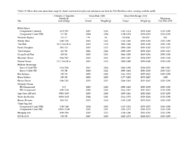
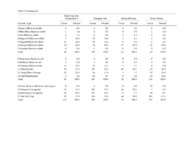
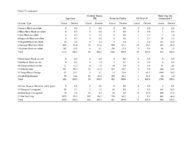
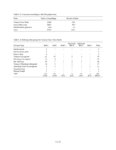
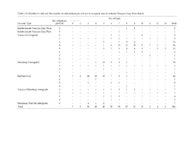
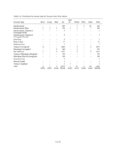
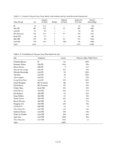
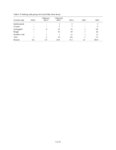
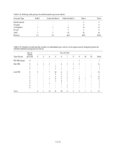
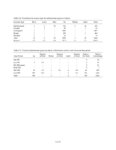
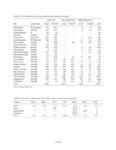
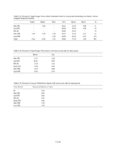
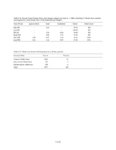
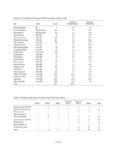
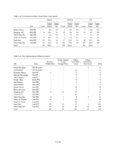
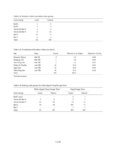
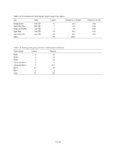
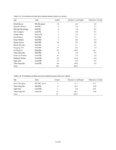
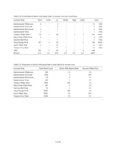
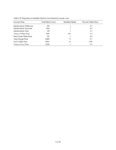
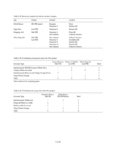
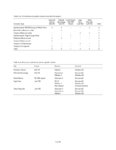
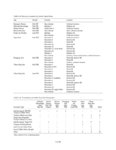
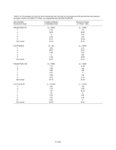
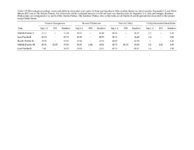
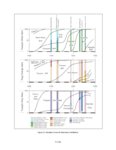
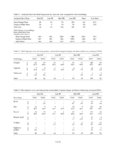
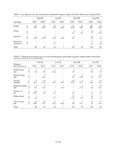
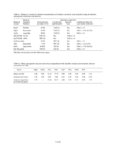
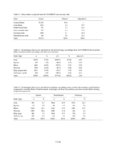
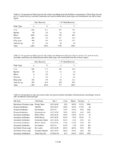
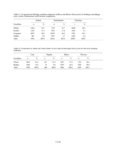
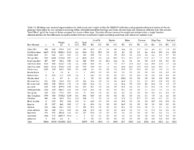
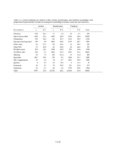
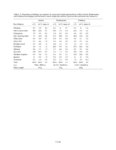
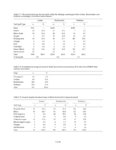
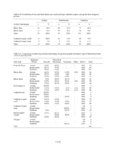
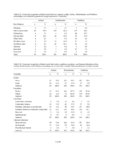
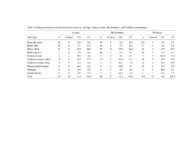
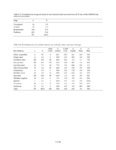
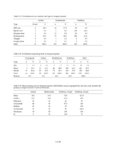
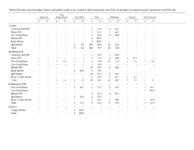
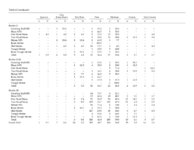
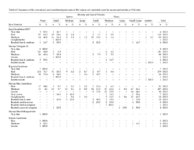
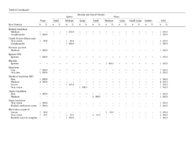
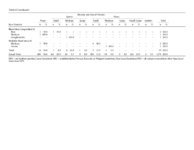
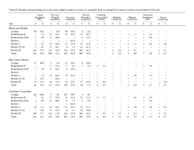
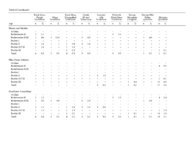
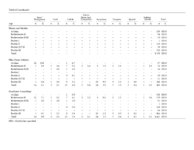
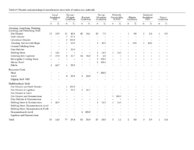
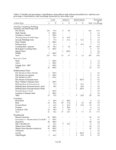
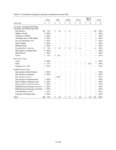
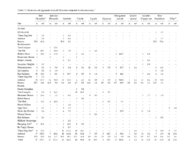
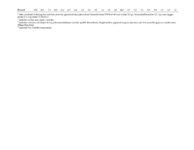
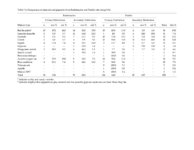
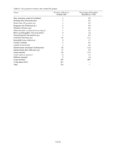
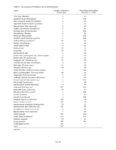
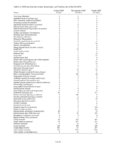
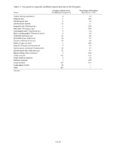
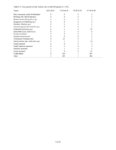
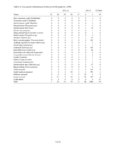
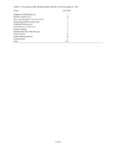
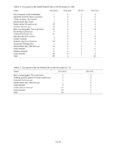
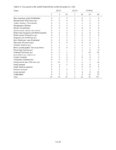
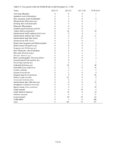
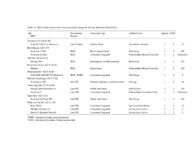
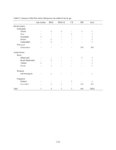
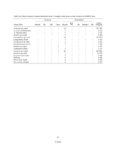
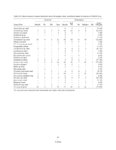
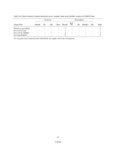
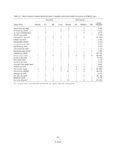
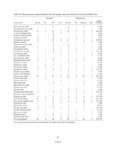
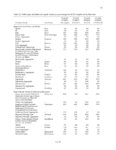
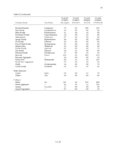
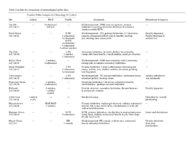
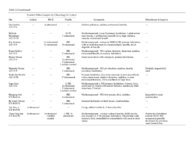
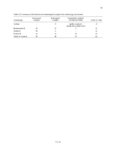
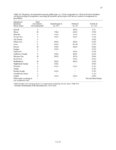
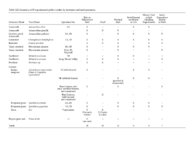
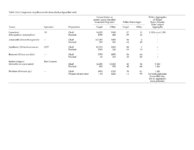
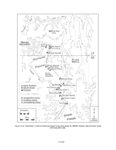
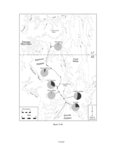
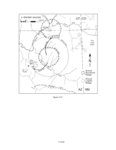
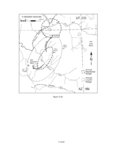
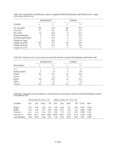
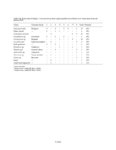
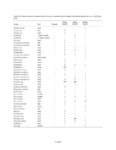
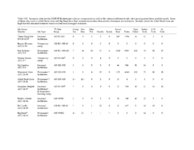
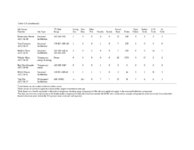
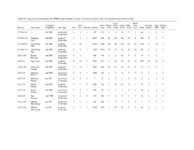
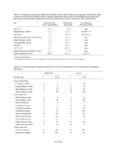
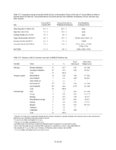
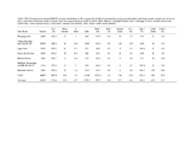
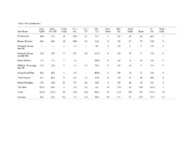
Show been reported from throughout the Anasazi region, albeit in small numbers. Sites that yielded ceramics from reliably dated contexts earlier than AD 500 include the Flattop Site and Sivu'ovi in Petrified Forest National Park (Burton 1991; Wendorf 1953). Ceramics from these sites were predominantly Adamana Brown, and based on radiocarbon samples from structural beams, Burton (1991:49) proposed that both the Flattop Site and Sivu'ovi were occupied between AD 1 and 200. Sites dating before AD 500 and containing plainware ceramics were also reported from the Zuni area (Fowler 1988; Varien 1990) and the Mesa Verde area (Breternitz 1986). Evidence for early ceramics also comes from the Navajo Reservoir District in New Mexico (Dittert et al. 1963; Eddy 1966; Wilson and Blinman 1994). Sambrito Utility Ware, the earliest ceramic type in the northern Anasazi region, was associated with pit structures dated as early as AD 300 (Wilson and Blinman 1994:203). Wilson and Blinman (1994:203) noted that in this early period, ceramics were present at some sites but not others. At sites dating between AD 300 and 575 only Sambrito Utility was recovered, whereas at sites dated between AD 575 and 700, Sambrito Utility was mixed with Basketmaker III types such as Chapin Gray. This pattern suggests a progression of ceramic types during the Basketmaker II-III transition, and the same pattern appears to be present in the Kayenta area as well. Basketmaker III sites in the Klethla Valley to the southeast of the N16 project area (Ambler and Olson 1977; Swarthout et al. 1986) produced both Lino Gray and Obelisk Utility, and tree-ring dates indicate an occupation several hundred years later than Mountainview. Obelisk Utility, Lino Gray, and Lino Polished were also recovered from Basketmaker III sites along the southern end of N21, just north of Red Lake on the Kaibito Plateau, at sites dating between AD 500 and 700 (Bungart et al. 2004; Hagopian 2004). Brownware pottery technology using local alluvial clays may have been stable for several centuries. Ceramic types such as Sambrito Utility, Obelisk Utility, and Adamana Brown represent the regional variations of an early brownware technology that existed throughout much of the Southwest before the appearance of regionally differentiated whiteware, grayware, and redware technologies. Eventually brownware was completely replaced by grayware and redware on the Colorado Plateau. The Mogollon region has often been viewed as the source of Anasazi ceramic technology as well as a source of migrants (Lucius 1983), based on the supposed earlier occurrence of ceramics in that area. Recent reassessment of dates from sites in the Hay Hollow Valley (Martin 1967:8; Berry 1982:39-44), as well as work at the sites just mentioned, suggests contemporaneity of early Mogollon and Anasazi ceramics. The distribution of early dates suggests that ceramics were present throughout Arizona by AD 300. It appears that our dating resolution is not currently tight enough to track the spread of this technology. Although a brownware tradition persisted in the Mogollon region, early Anasazi ceramics were not necessarily derived from Mogollon sources. PUEBLO UTILITY WARE Pueblo Utility Ware dominates (61.7%) site assemblages in the N16 project area. The grayware assemblage was nearly 60 percent utility ware sherds (Table 2.13), with Tusayan Gray Ware also present in sizeable quantities (just over 34%). Sherds classified as indeterminate grayware were unusual and could not be defined to ware; these comprise less than 7 percent of the total utility ware assemblage. This category includes (1) anything with crushed sherd for temper, (2) the many sand-tempered sherds that did not look like Tusayan Gray Ware, which has well-defined coarse subangular quartz temper in a light, iron-poor paste, but that also did not look like Local Utility Ware, which has some form of crushed sandstone temper in an iron-rich paste, and (3) sherds that were too burnt or otherwise damaged to tell what ware they most closely resembled. This category probably includes locally made and imported sherds. We noted some interesting patterns in utility ware proportions in time and space. Tusayan Gray Ware occurred throughout the N16 assemblage, but made up a higher proportion of utility ware pottery in earlier sites in the southern part of the study area. Local Utility Ware was observed in the northern portion of the N16 project area. In our analysis, the Local Utility Ware category is defined as having a darker paste (made from darker firing clays) than is usual for Tusayan Gray Ware, with temper consisting of crushed sandstone and other inclusions. Rainbow Gray is considered a Local Utility Ware but use of the type name was restricted to pottery whose temper was dominated by white matrix sandstone (SS3, "Navajo Mountain Sandstone," an informal category used to describe sandstone with white matrix found in several geological formations on Navajo Mountain). Indeterminate grayware was found throughout the N16 project area. A few sherds of Mesa Verde Gray Ware were also noted, consisting of four conjoining sherds from Hanging Ash and one sherd from the middle Pueblo III component at Three Dog Site. These sherds were sent to Winston Hurst for identification, and are discussed with the Mesa Verde White Ware sherds (see V.2.16 |