| OCR Text |
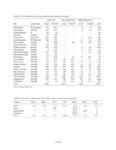
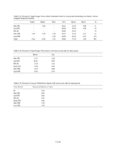
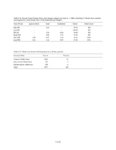
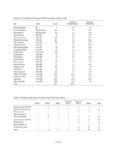
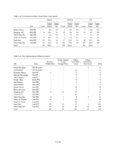
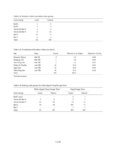
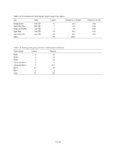
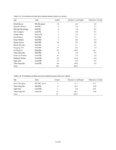
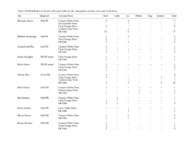
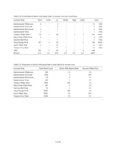
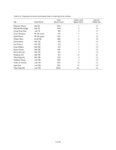
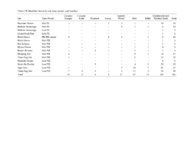
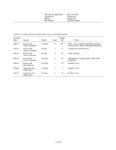
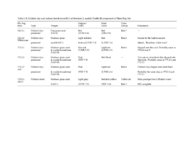
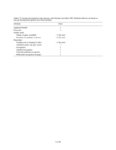
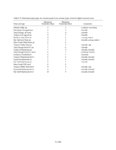
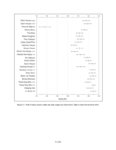
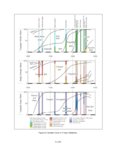
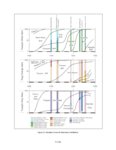
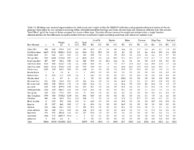
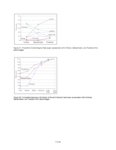
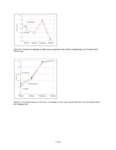
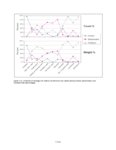
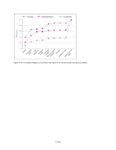
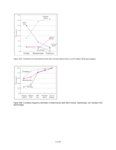
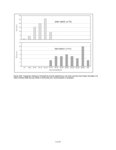
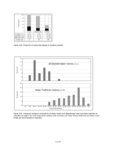
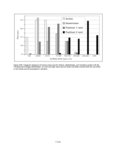
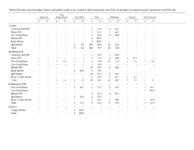
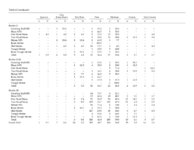
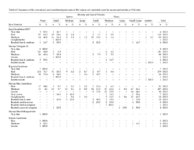
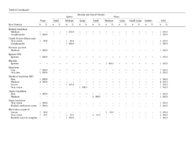
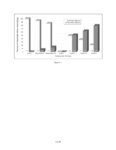
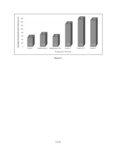
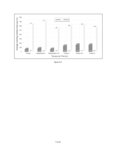
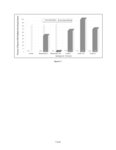
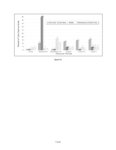
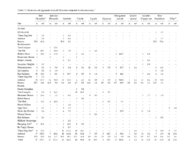
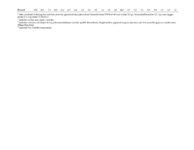
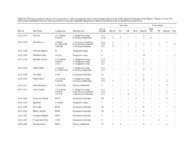
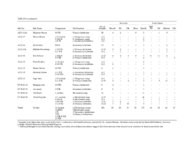
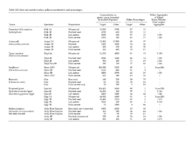
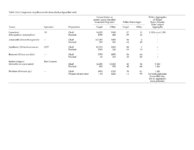
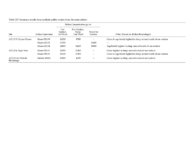
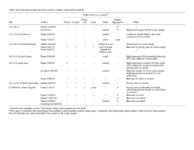
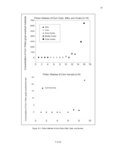
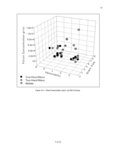
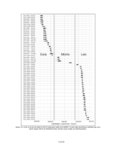
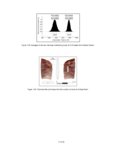
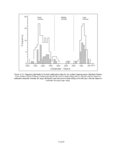
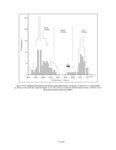
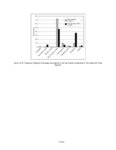
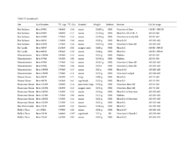
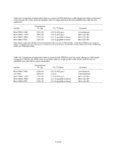
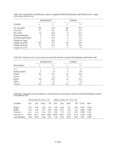
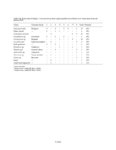
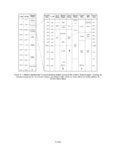
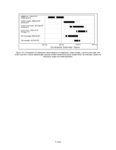
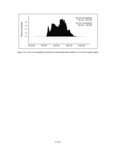
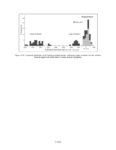
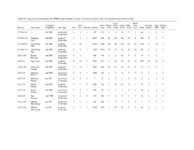
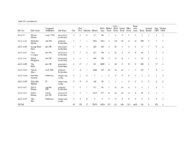
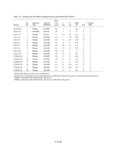
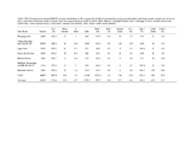
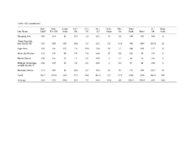
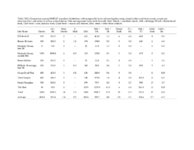
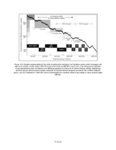
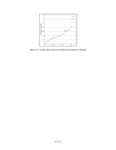
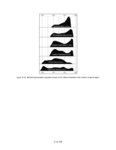
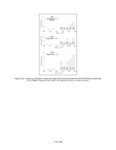
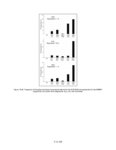
Show age of an Archaic site, we simply excavated everything presented and diligently sent in samples for radiocarbon analysis. Radiocarbon dates have a seemingly irreplaceable role not only in the temporal ordering of Archaic remains, but also as a data set for examining inter- and intra-regional patterns that can inform about changes in settlement, settlement organization, and perhaps population fluctuations. At the simplest of levels, because the number of radiocarbon dates can be interpreted as a reflection of the "magnitude of occupation, … it is possible to assess and compare, in a relative fashion, the occupation histories within and between regions" (Rick 1987:55). The substantial number of NMRAP Archaic radiocarbon dates reported earlier in this chapter can be combined with 12 previous dates from the Rainbow Plateau to provide a record of forager occupancy for the northern Kayenta region. The previous dates, which are from Sand Dune Cave (n = 3) and Dust Devil Cave (n = 9), consist mainly of high-quality samples-yucca or grass from open-twined sandals.13 The 65 dates, which range in age from 8830 to 2520 BP, are graphed in Figure 13.10; excluded in this figure is the one early outlier date of 9780 BP from The Pits. Many of the Archaic period radiocarbon dates are based on samples of low material quality, with 39 percent (n = 25) on wood charcoal and another 28 percent (n = 18) on sagebrush charcoal. There are, however, 21 dates (32%) that are unlikely to overestimate age-11 for certain and 10 not by much if at all. These dates on high-quality materials are scattered throughout the early and late portions of the sequence, thus adding credibility to the overall pattern. The frequency distribution shown in Figure 13.10 has been compiled by two different methods that complement one another. The small pattern (shaded area) is based on counting up the number of dates within a given 200-year interval using the approximated midpoints of calibrated ages (calibrations based on the OxCal program, Version 3.5; Bronk Ramsey 1994, 1995, 1998). A 200-year interval seemed appropriate for taking into account the level of imprecision with the dates and for smoothing the results. The larger distribution takes into account the error term of each date by summing how many dates occur within each 200-year interval based on their calibrated two-sigma age range. For example the date of 8180 ± 50 (Beta-101390) with a calibrated two-sigma range of 7340-7060 BC is counted in three 200-year intervals: 7500-7300, 7300-7100, and 7100-6900 cal. BC. As Berry and Berry (1986:284) have mentioned, this method can result in distortion because very imprecise dates have a greater impact on the pattern than precise dates, basically producing a leveling effect on trends and a filling of gaps. Overall the standard error is quite small for this data set, ranging from a low of 30 years to a high of 200 years with an average of 72 years. Precision in radiocarbon dating has generally improved with time, thus most of the imprecise dates are those processed prior to the NMRAP: 10 of the 15 dates with a standard error of 100 years or more (67%) were analyzed in the 1960s or 1970s. Fortunately, almost half of the most imprecise dates (7 of the 15) are on materials unlikely to overestimate age and indisputably of cultural origin (sandals and feces). Moreover, whatever distortion there is by factoring in the error term can be gauged against the core pattern based on date midpoints. The frequency distribution of Archaic period radiocarbon dates for the project area is discontinuous, containing a major break between early and late Archaic; a shorter break between late Archaic and Basketmaker II is discussed in the next chapter. The middle Archaic date gap from about 4500 to 2500 cal. BC is unlikely to be the result of a biased selection of the sites that were excavated. As explained previously, the Archaic sites investigated for the NMRAP were not chosen according to some scheme that purposefully omitted those of the middle Archaic. Indeed, an Archaic component was not even suspected at most sites until excavation exposed the remains and in some cases not until radiocarbon dates were actually run. This is even true for the earlier excavations of Sand Dune Cave and Dust Devil Cave (Lindsay et al. 1968); MNA archaeologists had no suspicion that they would unearth Archaic remains from these sites and it was not until radiocarbon dates were obtained on three sandals from Sand Dune Cave that the significance of their findings became obvious. As cautioned previously, sample adequacy is critical for judging the significance of gaps in radiocarbon records. Sample adequacy can be figured with regard to both the total number of radiocarbon dates available and the total number of sites that yielded the samples. At 65, the total number of dates used to create Figure 13.10 is respectable considering the relatively small size of the study area, at least for an initial approximation of trends. However, it is worth pointing out that Stolk et 13 Previously obtained dates, except those from Geib (1996b), were not corrected for isotopic fractionation. Nonetheless, only one of these requires such correction, that on the grass lining of a sandal from Sand Dune Cave (A848). The prior dates on yucca are unlikely to require correction even though the plant has a CAM photosynthetic pathway because all prior measurements on yucca from early Archaic contexts on the Rainbow Plateau and northward have δ 13C values between -21‰ and -26‰; yucca used for early Archaic from the southern Colorado Plateau has δ 13C values between -11‰ and -14‰, requiring correction (see Geib 2000: Table 4). V.13.24 |