| OCR Text |
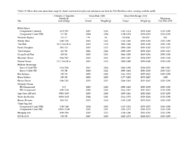
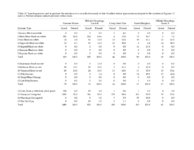
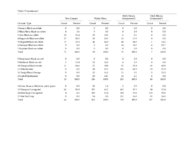
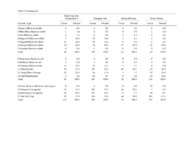
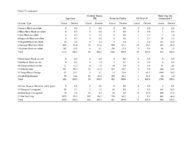
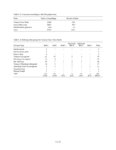
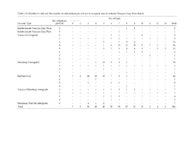
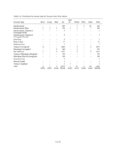
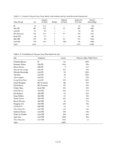
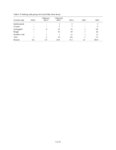
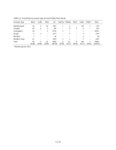
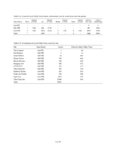
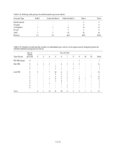
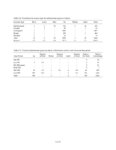
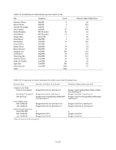
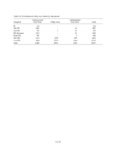
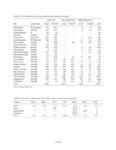
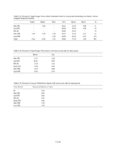
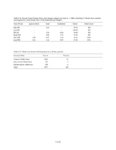
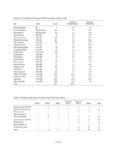
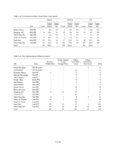
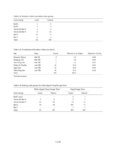
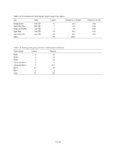
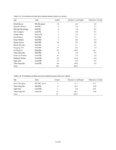
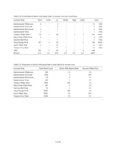
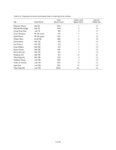
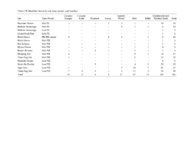
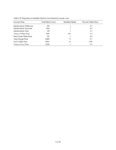
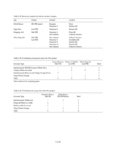
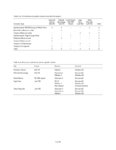
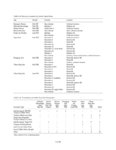
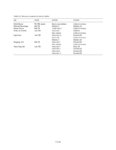
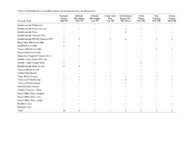
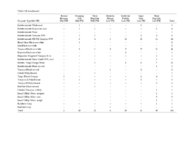
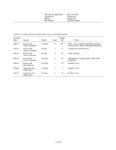
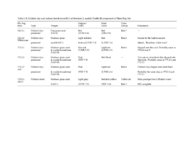
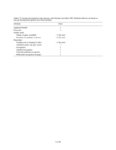
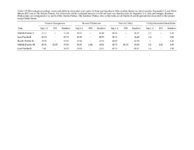
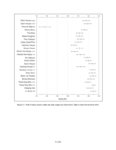
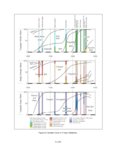
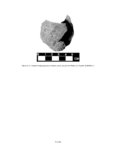
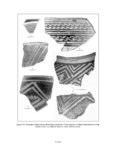
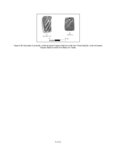
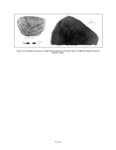
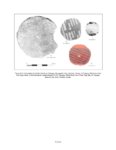
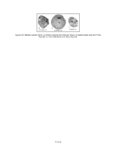
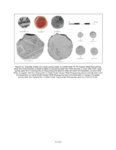
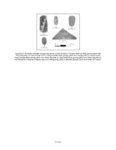
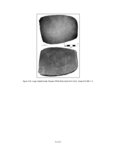
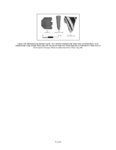
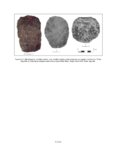
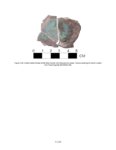
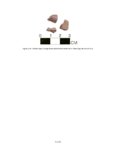
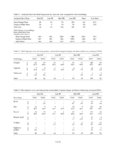
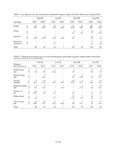
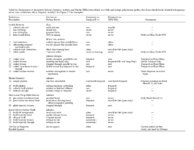
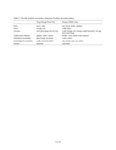
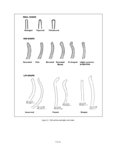
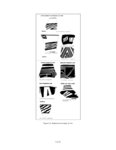
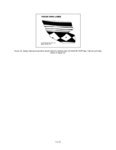
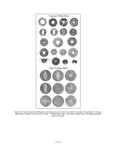
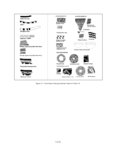
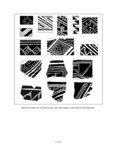
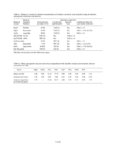
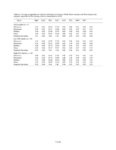
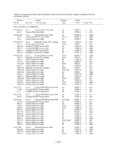
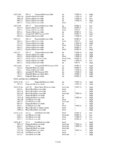
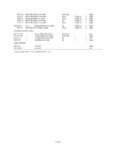
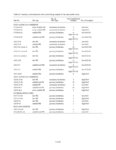
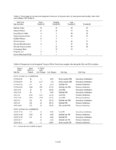
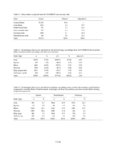
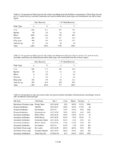
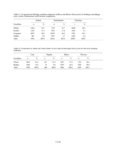
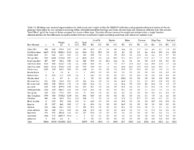
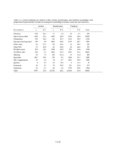
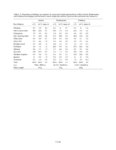
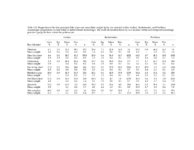
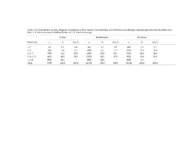
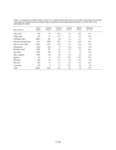
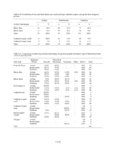
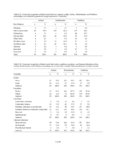
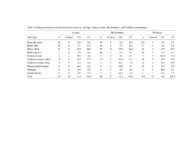
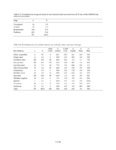
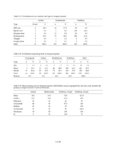
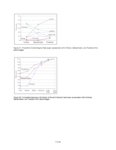
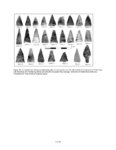
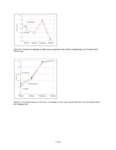
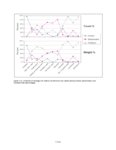
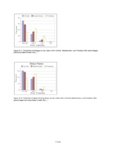
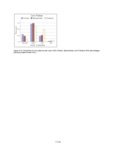
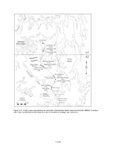
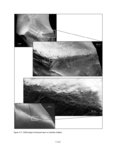
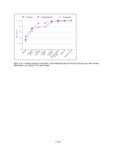
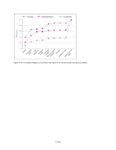
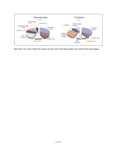
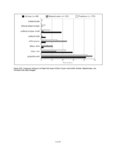
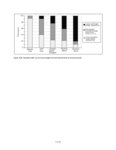
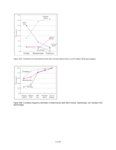
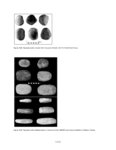
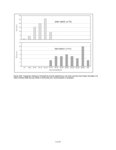
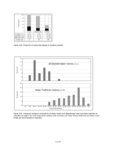
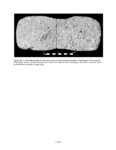
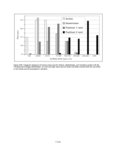
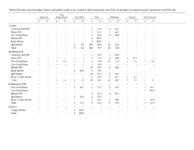
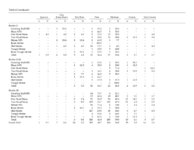
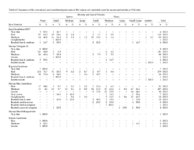
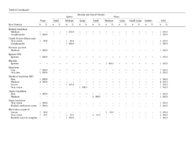
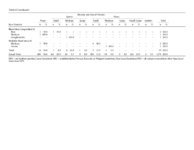
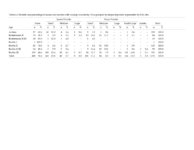
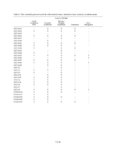
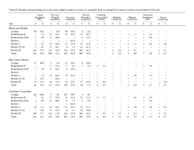
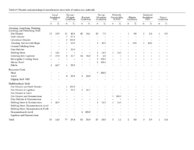
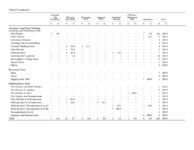
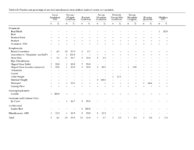
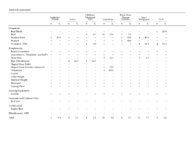
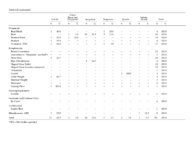
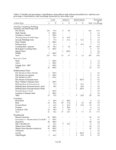
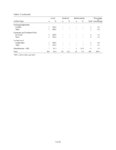
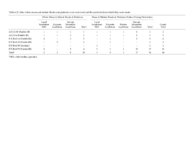
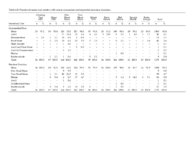
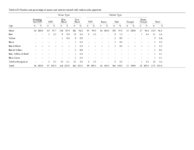
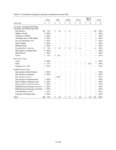
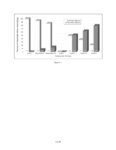
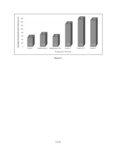
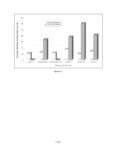
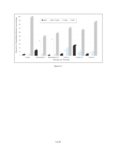
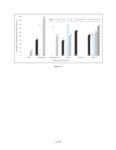
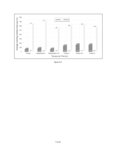
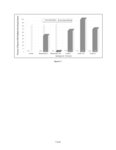
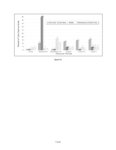
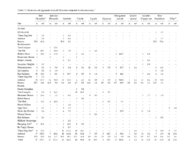
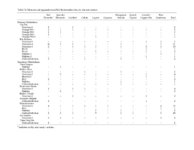
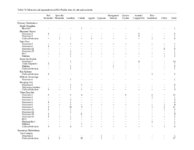
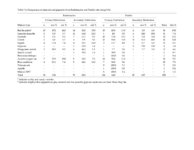
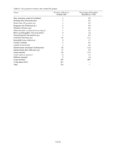
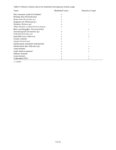
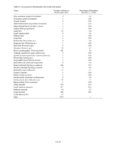
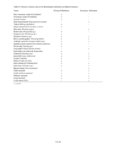
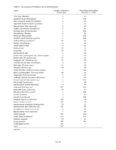
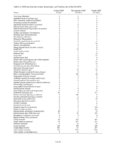
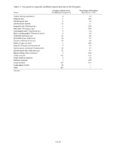
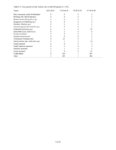
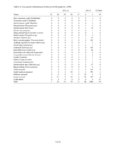
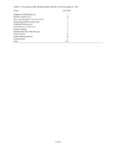
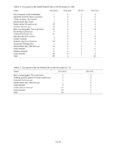
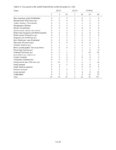
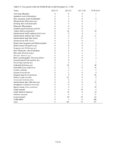
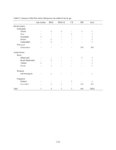
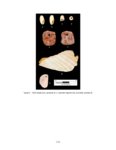
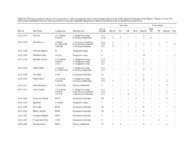
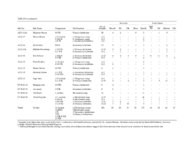
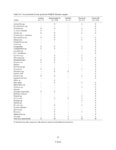
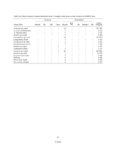
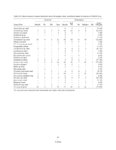
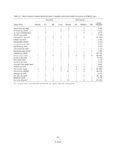
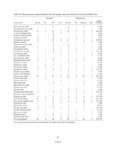
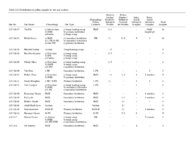
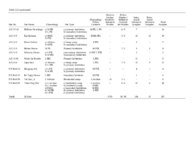
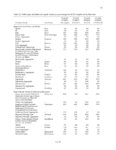
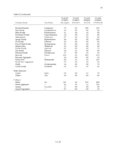
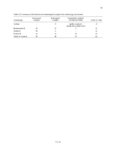
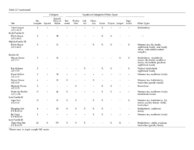
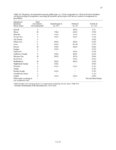
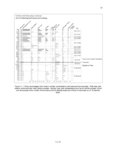
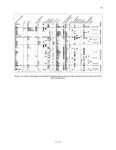
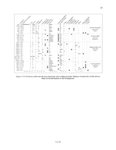
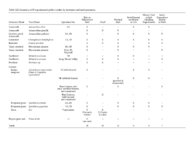
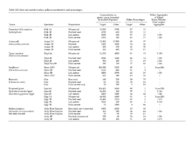
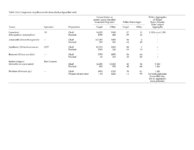
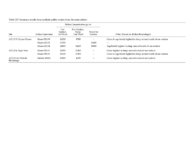
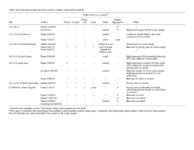
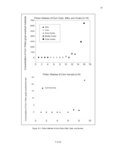
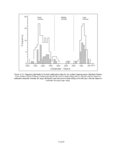
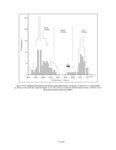
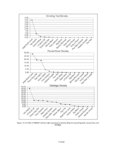
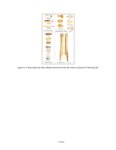
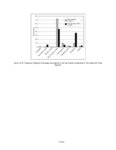
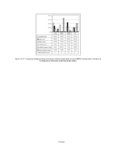
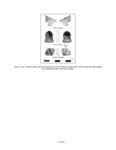
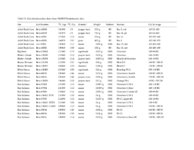
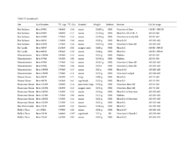
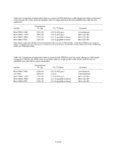
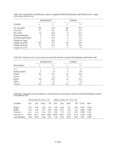
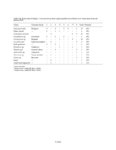
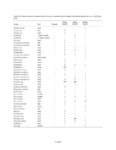
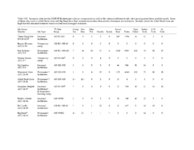
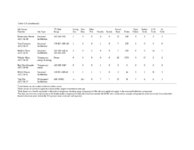
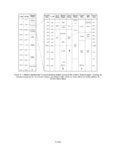
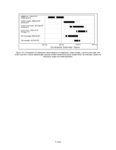
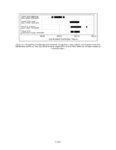
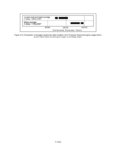
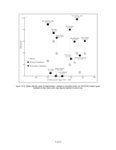
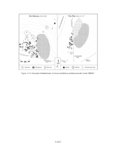
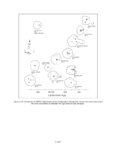
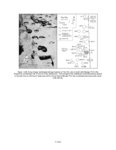
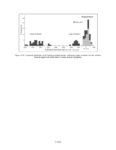
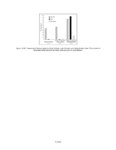
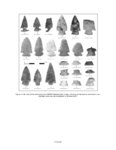
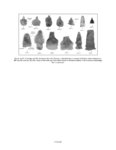
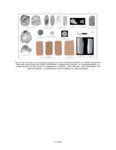
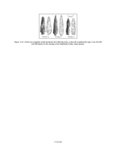
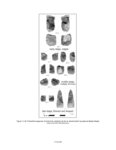
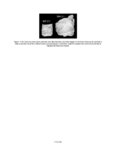
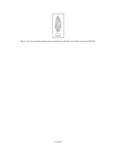
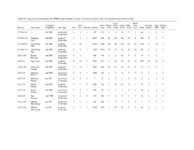
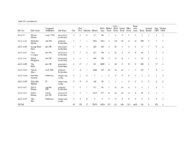
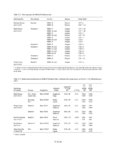
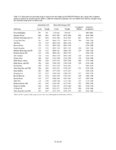
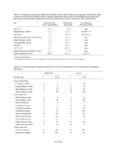
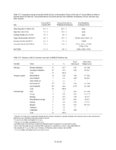
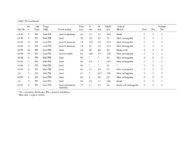
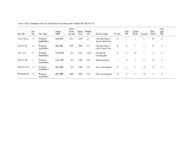
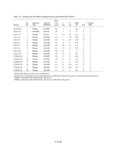
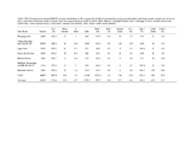
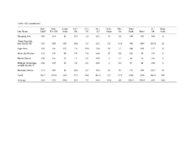
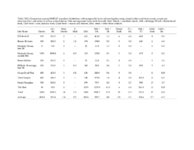
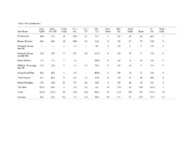
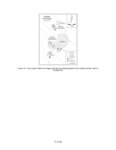
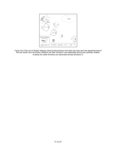
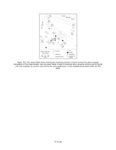
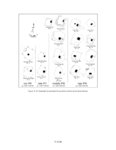
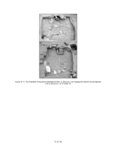
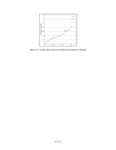
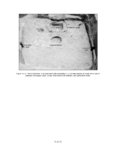
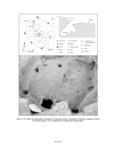
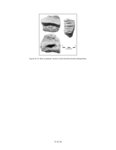
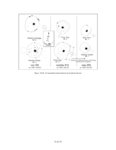
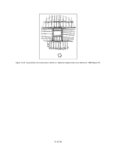
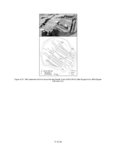
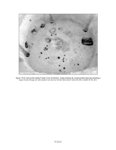
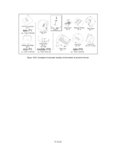
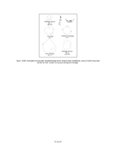
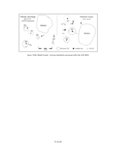
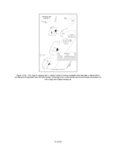
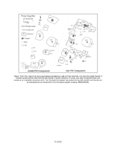
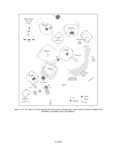
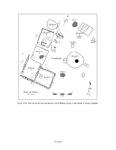
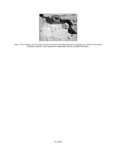
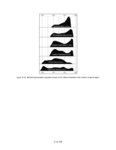
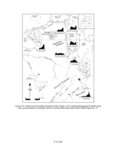
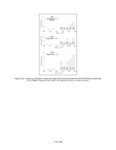
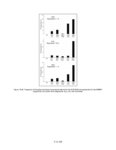
Show size issue, since Tsé Haal'á produced more than three times as many tools (Table 13.11). Projectile points comprise a large proportion of the flaked tools at Tsé Haal'á, almost 40 percent, compared to less than 20 percent at Three Dog Site. The points at Tsé Haal'á consist largely of stem fragments (Figure 13.15), the sort of remains that hunters would deposit when they repaired gear, something that is expectable for a base camp. Although gear repair is less in evidence at Three Dog Site, faunal bone from large game was moderately abundant, attesting to the significance of hunting and game processing at that location. There is also evidence of smaller mammal procurement and consumption at Three Dog Site, especially at one portion of the camp, which contains remains from lagomorphs to the near exclusion of deer or other large game (only a single identified large mammal bone was recovered from that portion). Unrelated to sample size is the contrast in the proportions of technological flake types (Table 13.12) and even more notably in the types of raw material used (Figure 13.16). Both assemblages are overwhelmingly dominated by debris from biface reduction, but with pressure flakes accounting for the majority from Tsé Haal'á and percussion thinning flakes accounting for the majority from Three Dog Site. Glen Canyon chert accounts for almost 75 percent of the Tsé Haal'á debitage raw material but at Three Dog Site this material represents less than half of the assemblage, with quartzite accounting for 47 percent, compared to the 9 percent quartzite debris at Tsé Haal'á. Because the quartzite at these sites was mostly obtained locally as cobbles eroded from the upper slopes of Navajo Mountain, the contrast in use of this material may relate to when either site was primarily occupied in the annual pattern of regional mobility. Groups recently arriving from the Glen Canyon lowlands where Glen Canyon chert is abundantly available should have had little need to exploit the moderately coarse local quartzite, whereas groups having spent time on the Rainbow Plateau and to the south on the Shonto Plateau away from sources of the Glen Canyon chert may have needed to replenish their tool kits, and had to make do with the "best" local material. The use of Owl Rock chert at Three Dog Site, a material virtually absent at Tsé Haal'á, might be seen to fit this pattern. There is another aspect of these two sites that deserves mention because it implicates the problematical nature of treating sites as single units of analysis, at least in cases of unrecognized accretional accumulation. Three Dog Site was an active depositional environment during the late Archaic when the site was being occupied. As a result, several discrete episodes of use were separated both vertically and horizontally, allowing recovery by components that could then be individually described and analyzed as detailed in Chapter 14 of Volume II. The same is not true of Tsé Haal'á, where there was an evident lack of natural sediment deposition or soil formation during the late Archaic and indeed there might have been some deflation. As a result, there is no way of knowing whether the remains at this site represent a single episode of use or several. Given what we can tell from a site like Three Dog, it would seem likely that the materials at Tsé Haal'á accumulated during several different use episodes, perhaps even for different purposes. Radiocarbon dates on six of the hearths at the site might support the multiple-use scenario (see Chapter 16 of Volume II), but given the low-quality samples (wood and sagebrush charcoal), it is impossible to know whether foragers camped at Tsé Haal'á for several nights or weeks over the span of several decades or intermittently like this across several centuries. With only a single cultural layer, and lacking a stratigraphic basis for segregating remains, they all become part of the same composite picture of late Archaic site use. This is by far the more typical case in Archaic period research, with the finer resolution segregation of depositional/behavioral events at Three Dog Site representing an exception. Temporary Camps Special-purpose task groups, principally involved in the procurement and processing of faunal or floral resources, can create sites at temporary resting places and staging points (Binford 1980:10, 1982). Such logistical camps should normally occur when travel extends beyond the normal foraging range of home base. As the name implies, the sites are thought to have been used for a short duration, although this use could occur intermittently time and time again. The quantity and nature of artifact debris is likely to be variable, resulting from differences in the types of resources being exploited, the season, distances between these camps and residential bases, and other factors. Artifact diversity usually should be more limited than at residential camps, and certain tool types are more likely to be dominant, depending on the nature of the exploited resource. The two types of short-term camps identified here are those used principally for hunting and those used for nebulous processing tasks. Hunting Camps. Logistical camps involved in game procurement are expectable almost regardless of the overall pattern of residential mobility. The one exception could be groups so heavily reliant on hunting that residential camp movements were governed by meat procurement (Folsom groups might be V.13.38 |