| OCR Text |
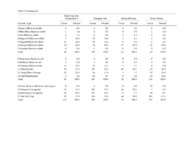
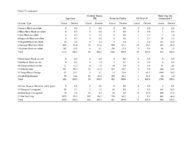
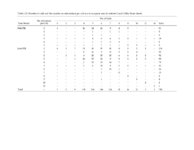
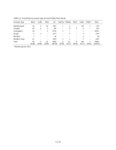
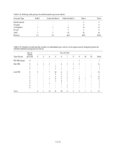
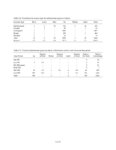
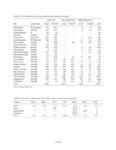
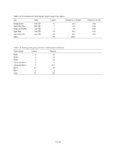
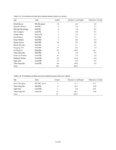
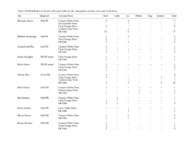
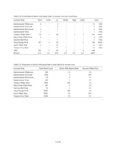
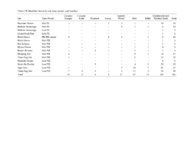
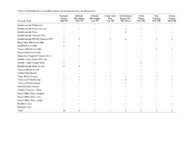
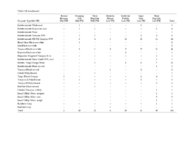
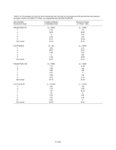
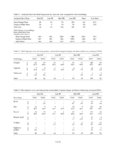
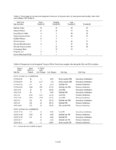
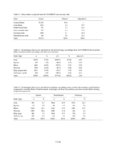
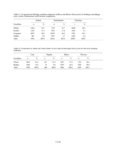
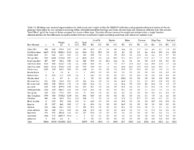
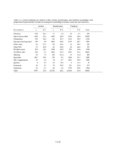
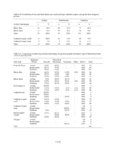
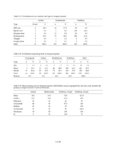
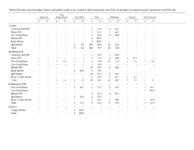
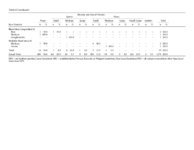
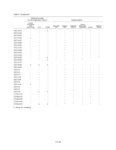
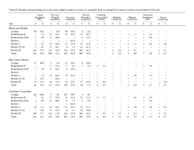
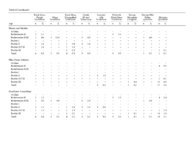
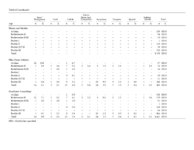
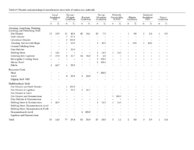
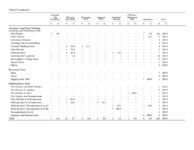
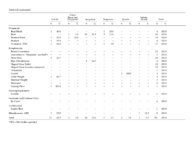
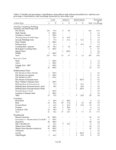
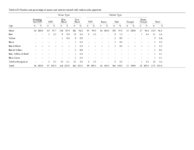
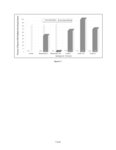
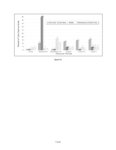
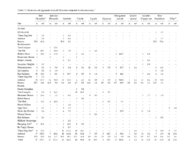
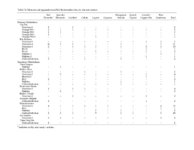
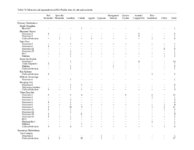
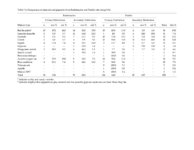
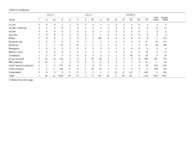
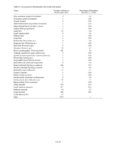
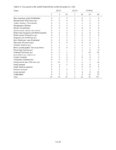
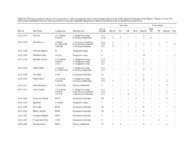
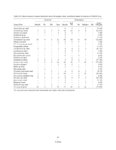
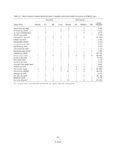
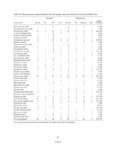
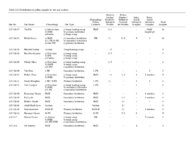
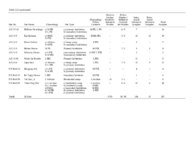
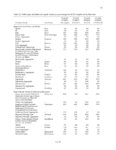
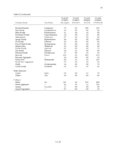
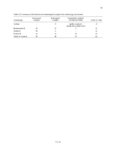
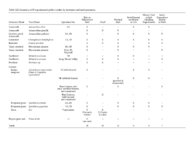
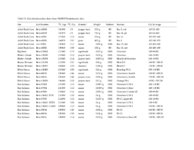
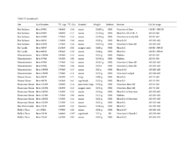
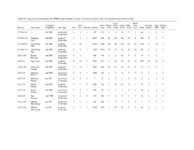
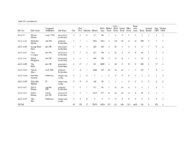
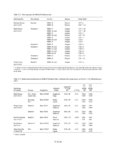
Show Chapter 5 PATTERNS IN STONE TOOL RAW MATERIALS, PRODUCTION, AND USE: ANALYSIS OF N16 LITHIC ARTIFACTS Phil R. Geib and Miranda Warburton Stone artifacts were the second most abundant cultural remains, after ceramics, recovered by the data recovery excavations along the Navajo Mountain road ROW. Stone tools and the debris from their manufacture were found at nearly all sites and were often the only, or nearly the only, artifactual remains from many of the open Archaic and Basketmaker II components. There are more than 55,000 stone artifacts from the 33 NMRAP sites treated by data recovery excavation, 92 percent of which are unused flakes (Table 5.1). Tools or other produced items, which account for 8 percent of the collection, consist of used flakes, flaked facial tools, cores/nodular tools, grinding tools, and other tools or miscellaneous items. This sizable collection comes from the 58 different temporal components at the 33 sites, representing Archaic, Basketmaker, and Puebloan use of the study area. For sites of any time period, lithic artifacts are an important source of information for addressing the study domains of economic specialization and social differentiation identified in the research design (see Chapter 2 of Volume I). Stone artifacts are also essential to basic documentation of prehistoric lifeways, behavioral variation, and culture change. As such, the NMRAP directed considerable attention to the analysis of stone artifacts of all type. This chapter outlines the methods used in the lithic analysis and presents a synthetic treatment of the data with much of the comparison made among the three broad time periods that characterize the NMRAP effort: Archaic, Basketmaker, and Puebloan. The individual site descriptions of Volumes II-IV present detailed results on a site or component basis, information that is not repeated here except for a few salient points concerning certain tool types. Here we look at trends in raw material use, production technology, and tool function on a regional level, with special attention given to temporal trends. We also attempt to address some of the research questions that provided the overall focus of the NMRAP data recovery effort, as well as other issues that the lithic data bear upon. The emphasis of this chapter is upon artifacts that traditionally get grouped together as flaked or chipped stone. Metates and manos are also considered to some extent with the subsequent chapter providing more in-depth consideration of grinding tools and miscellaneous stone artifacts. Information about many aspects of prehistoric human behavior can be inferred from the analysis of stone tools and debitage. These aspects include, but are not limited to (1) strategies for obtaining raw material, (2) stone preferences based on tool needs and technological organization, (3) the technical procedures and skill levels in tool manufacture, (4) variability in tool types related to subsistence and other economic tasks, (5) possible social roles or gender associations of particular tools, and (6) refurbishing (rejuvenation) and recycling of tools. All stone artifacts, both finished items and production debris (debitage and failed pieces), can provide data relevant to these behavioral realms. In order to derive this and other kinds of information, analysis must be comprehensive and focused on artifact characteristics that correspond to these various types of behavioral information. Production technology and function were primary orientations of the NMRAP lithic analysis under the working assumption that describing how stone artifacts were made and used provides the appropriate baseline information for making higher-order inferences. Our analysis also attempted to monitor the life cycle of tools, involving resharpening, recycling, exhaustion, and deposition into the archaeological record. Given the reductive nature of stone tool manufacture, lithic artifacts retain many traces of manufacturing processes. Even when tools have been broken, reused, or taken away, the durable byproducts of lithic manufacture usually remain in place to provide information about many aspects of the technological and economic systems in which they were produced (Flenniken 1985; Plew and Woods 1985). Stone artifacts provide a tangible means for making low-level inferences about prehistoric human behavior by recording technological and functional attributes combined with the experience and understanding obtained through experimental and replicative work in stone tool production and use (see V.5.1 |