| OCR Text |
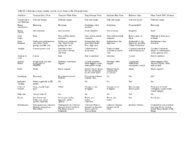
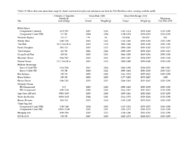
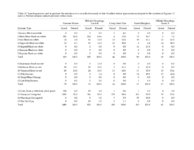
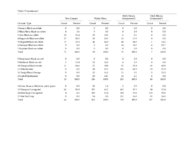
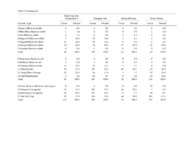
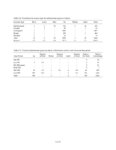
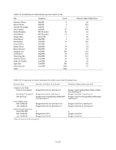
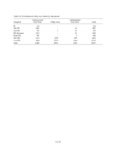
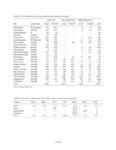
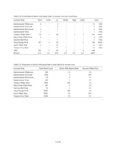
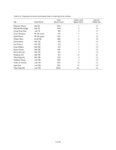
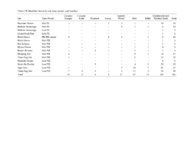
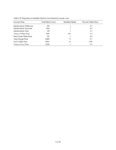
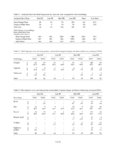
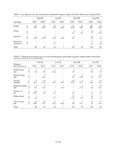
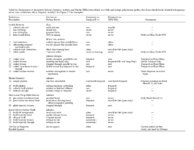
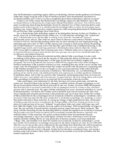
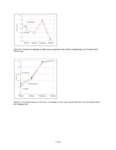
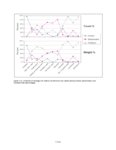
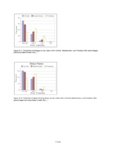
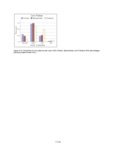
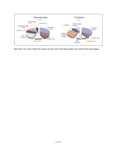
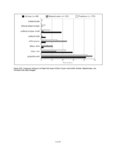
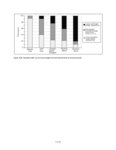
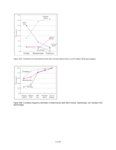
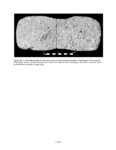
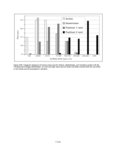
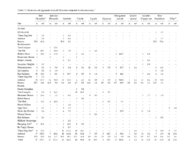
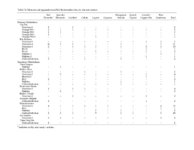
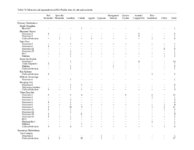
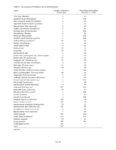
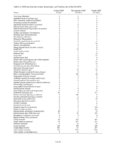
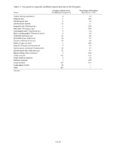
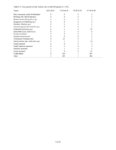
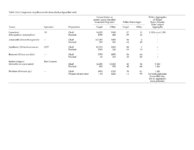
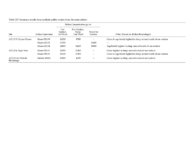
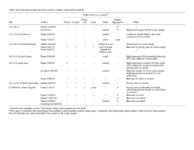
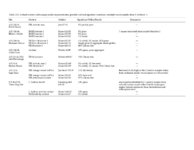
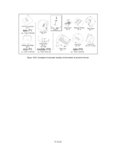
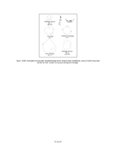
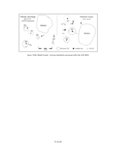
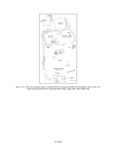
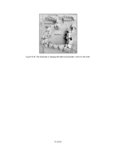
Show In addition to pollen analysis and macrobotanical studies (discussed elsewhere in this report), aspects of both a transition to agriculture and the degree of subsistence specialization should be evident in the groundstone tool assemblages. Populations dependent on agriculture should have stone tool assemblages that differ markedly from those with little or no reliance on domesticated crops. One technology most likely to exhibit this difference is the food-grinding tool kit. The introduction of maize-the one crop most often associated with prehistoric agriculture in the American Southwest-placed substantial new demands on grinding technology. The large size and hardness of maize kernels was unprecedented in the Archaic tradition on the Colorado Plateau, and it might be expected that as reliance on domesticated crops increased, the tools used to process the crops would change to meet the new demands. In addition, increased specialization should have led to increased formalization of the grinding tool kit, including greater coarseness and texture to facilitate maize processing. It has often been assumed that Archaic food-grinding tools-most commonly one-hand manos and basin metates-were associated parts of a tool kit particularly suited for processing wild seeds and nuts. It has similarly been presumed that two-hand manos used in conjunction with trough and formalized slab metates were primarily used for grinding maize and other cultigens (Bartlett 1933:27; Martin 1940:316, cited in Morris 1990:187; Martin and Plog 1973:216; Rinaldo 1943:177, cited in Woodbury 1954:60; Russell 1989:651). Although some tools may have been used more frequently than others for processing certain foodstuffs, archaeological and ethnographic evidence shows no fast and firm correlation between specific food-grinding tool kits and certain types of food. Morris (1990) cited several ethnographic and archaeological cases where one-hand manos were used to grind maize. Woodbury (1954:60) stated that "metate and metate-like implements spread far beyond the limits of corn cultivation, into the Great Basin and to the Pacific Coast. And conversely, metates are absent in large parts of North America where corn was grown." In addition, palynological studies show that other materials besides corn-such as cactus and pinyon nuts-were processed using two-hand manos, trough metates, and formalized slab metates (Greenwald 1991; Martin and Plog 1973:202). Ethnographic accounts and archaeological research have similarly noted that manos and metates have been used for grinding both domesticated and wild foodstuffs, clay for pottery, pigments for paint, pollen for ceremonies, and various plants and herbs for medicinal purposes (Christenson 1987; Schelberg 1997:1014). At Broken K Pueblo near Snowflake, Arizona most of the rooms had one or two mealing bins-features often assumed to be used primarily for processing maize-yet pollen counts and macrobotanical remains indicated that site inhabitants relied more heavily on wild plants than on domesticates (Hill 1970:90-91). Evidence of using grinding tools to prepare non-floral foods also exists. Ethnographic accounts of southern California Indian groups indicate that not only plants, but also rodents, lagomorphs, insects, and large-mammal parts were pulverized using stone implements (Yohe et al. 1991:659). In addition, it has been shown that some tools identified as one-hand manos recovered from archaeological contexts were, in fact, hideprocessing stones (Adams 1988). Clearly, just comparing the relative abundance of different morphological food-grinding tools is not a reliable way to determine the degree of agricultural dependence in prehistoric economies. According to Martin and Plog (1973:217), one innovation accompanying the transformation from dependence on wild food to farming consisted of increasing the effective grinding surfaces of the food-grinding tools. The trend over time was for manos to become more formalized, rectangular in plan, and larger, eventually developing into two-hand types with larger grinding surface areas. Similar increased formalization and larger surface areas would also be expected for metates. It has been argued that in northern Arizona the predominant metate type changed over time from basin and unformalized slabs to trough metates and eventually to formalized slabs placed in mealing bins (Adams 2002:120-127; Bartlett 1933:27-29; Russell 1989:651-652; Woodbury 1954:58-65), but this is not a pan-Southwest process, as Schelberg (1997) so adamantly expressed in his analysis of Chaco Canyon metates. Various factors may have contributed to these changes, including the corresponding sedentism accompanying increased reliance on agriculture (Morris 1990:187-188), a decreasing need to distinguish ownership of tool kits (Martin and Plog 1973:218), increasing sociability of the grinding task (Bartlett 1933:29; Woodbury 1954:64), change in grinding motor habits and wear-management strategies (Adams 1997, 1993; Bartlett 1933), and increased emphasis on fine-ground maize to reduce cooking costs and increase the amount of food calories available when the maize was consumed (Christenson 1987), just to name a few. Nevertheless it is widely accepted-with a few notable exceptions (e.g. Christenson 1987; Schelberg 1997)-that a major cause for the observed changes in the prehistoric grinding tool kit was the need for improved grinding efficiency and increased grinding intensity that accompanyied the increased dependence on agriculture (Adams 1993:332-334; Bartlett 1933:27-29; Martin and Plog 1973:215-218; V.6.9 |