| OCR Text |
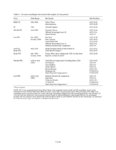
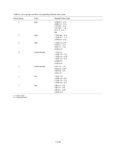
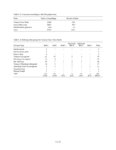
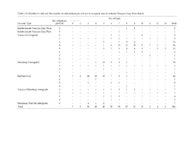
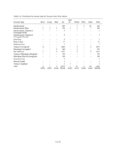
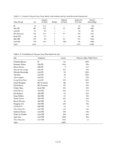
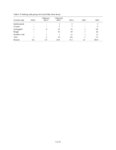
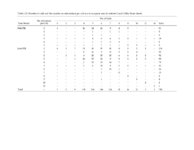
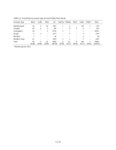
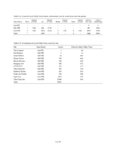
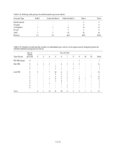
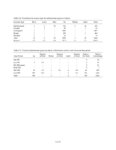
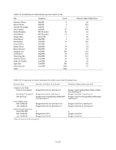
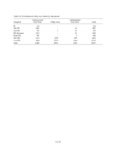
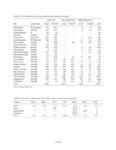
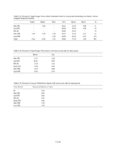
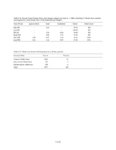
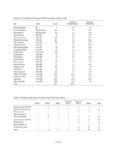
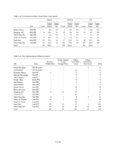
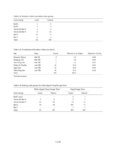
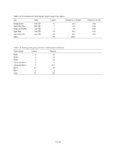
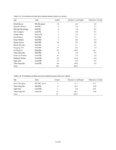
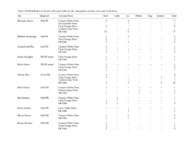
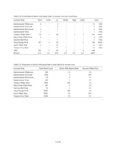
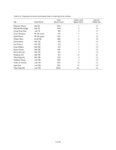
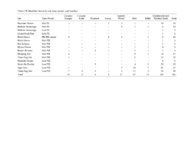
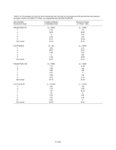
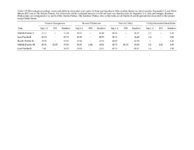
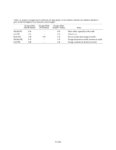
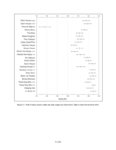
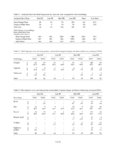
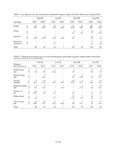
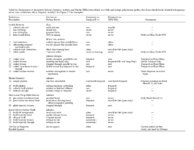
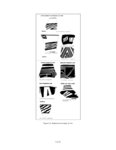
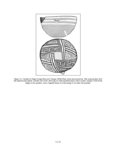
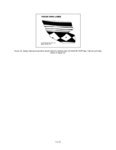
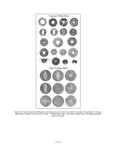
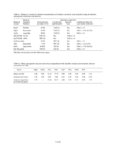
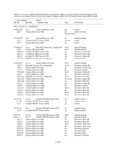
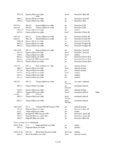
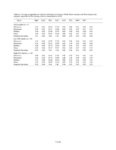
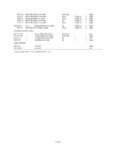
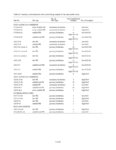
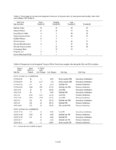
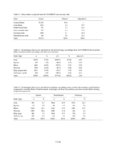
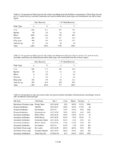
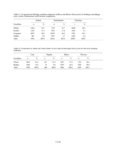
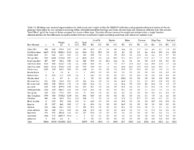
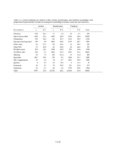
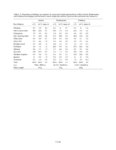
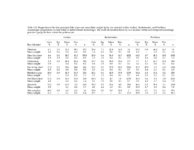
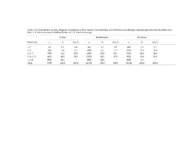
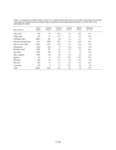
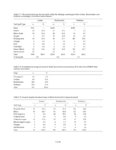
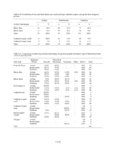
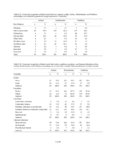
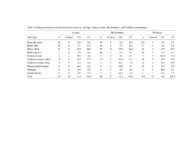
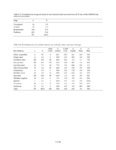
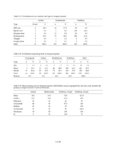
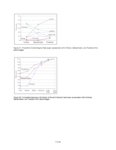
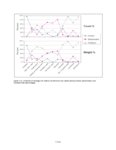
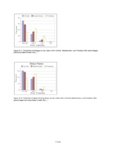
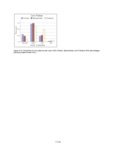
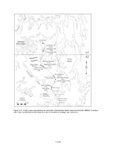
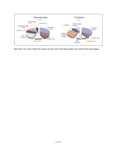
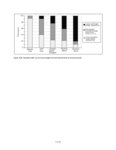
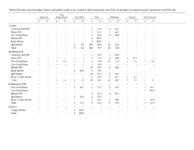
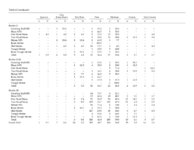
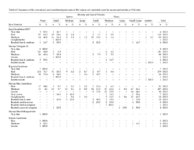
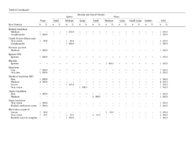
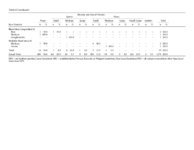
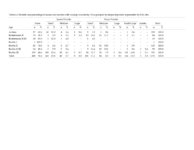
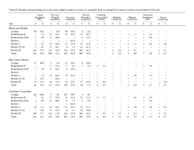
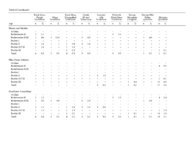
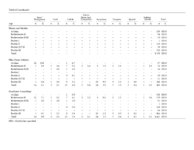
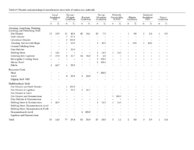
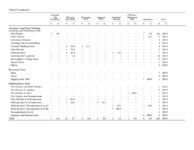
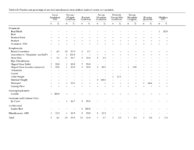
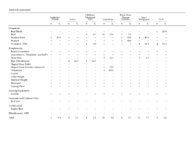
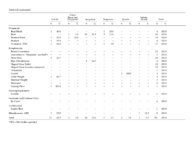
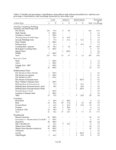
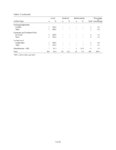
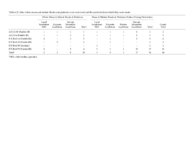
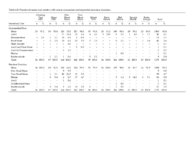
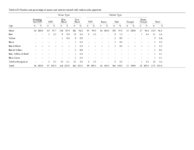
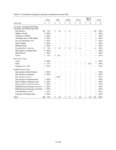
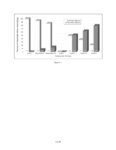
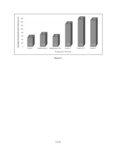
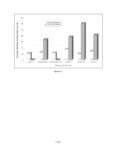
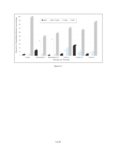
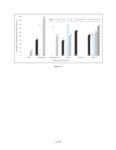
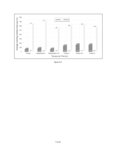
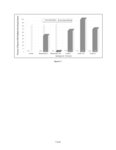
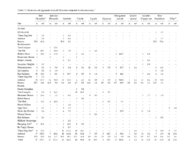
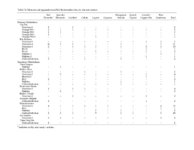
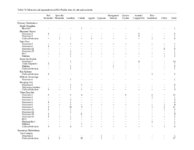
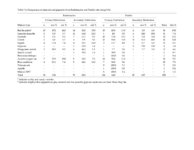
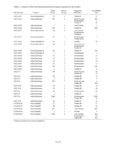
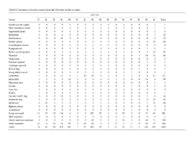
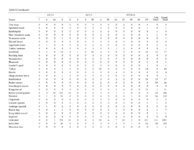
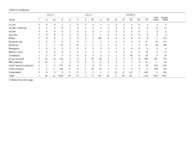
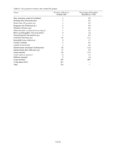
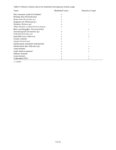
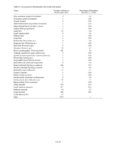
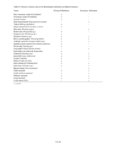
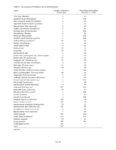
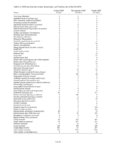
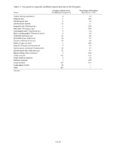
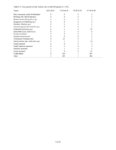
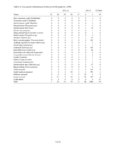
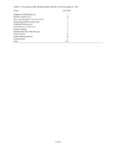
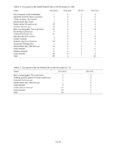
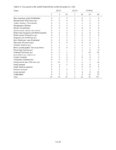
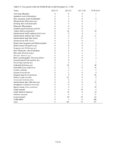
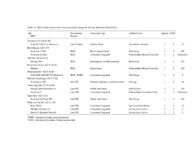
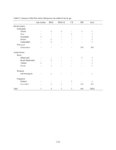
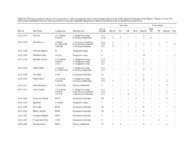
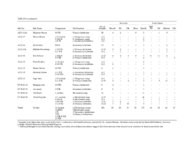
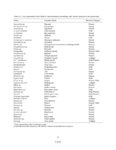
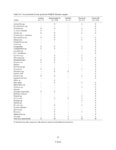
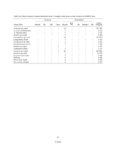
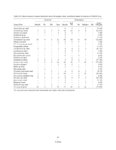
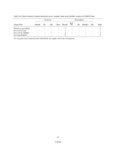
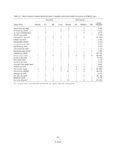
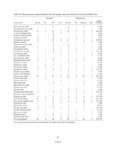
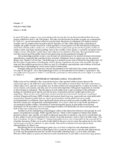
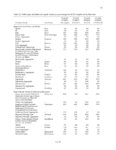
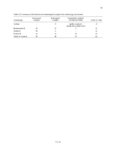
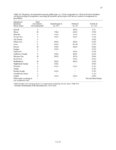
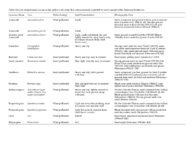
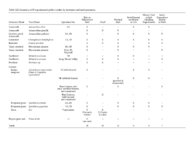
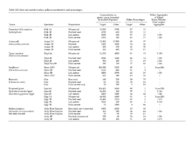
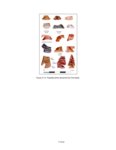
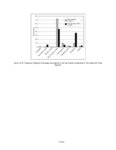
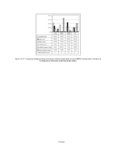
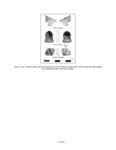
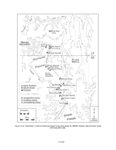
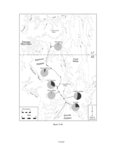
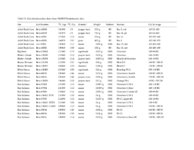
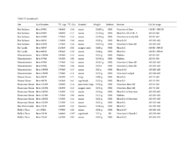
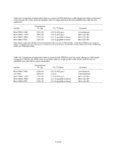
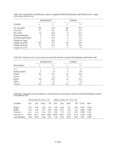
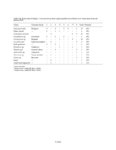
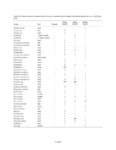
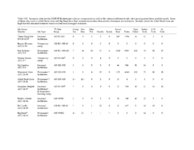
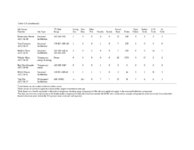
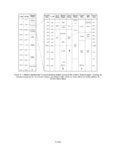
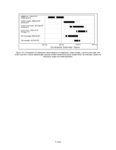
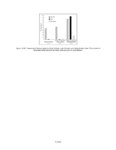
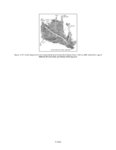
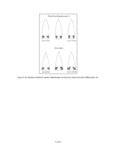
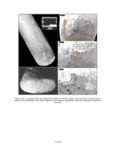
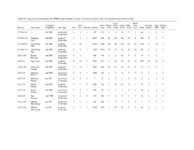
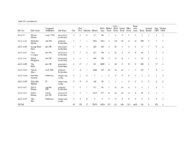
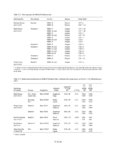
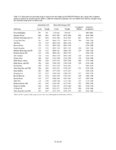
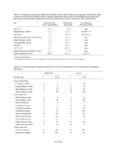
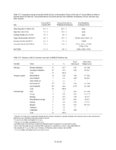
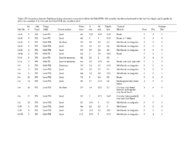
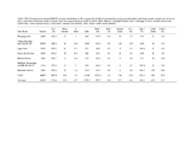
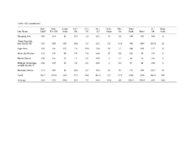
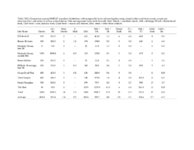
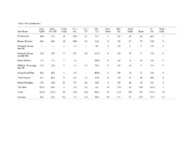
Show such assemblages, which are dominated by plain and neckbanded grayware. Pueblo II and III types are very frequent in the study area. These include Black Mesa, Sosi, Dogoszhi, Flagstaff, Tusayan, and Kayenta Black-on-white. We follow the standard definitions of these types, which are based on design styles (Colton 1955; Colton and Hargrave 1937; Downum 1988). Tusayan White Ware was made on and around Black Mesa, but was traded in large amounts to the Flagstaff area and in smaller but regularly occurring frequencies over a very wide area of the Southwest. Apart from the Virgin Series of Tusayan White Ware, which may have been made over a fairly wide area of southern Utah and the Arizona Strip, Tusayan White Ware is for the most part fairly uniform and could well come from one geological province. While there is some doubt as to whether some Tusayan White Ware was made south of the Grand Canyon, no sources other than the core Kayenta region (Klethla Valley, Long House Valley, Black Mesa) have been confirmed. We examined available raw materials from the N16 study area as well as from on and around Black Mesa and concluded that the Tusayan White Ware in the right-of-way almost certainly came from Klethla Valley or Long House Valley, adjacent to Black Mesa. Samples of Tusayan White Ware sherds were refired with full access to oxygen to oxidize all available iron in the clay. The vast majority refired to color groups Buff 1 and 2, indicating that they were made from iron-poor clays. Test tiles were made from clays from a variety of geological formations in the northern Kayenta area, from the north rim of Black Mesa to middle Piute Canyon. The only clays that fired to color groups Buff 1 and 2 were from the flanks and top of Black Mesa. All came from Cretaceous geologic units: the Wepo Formation, Toreva Formation, Dakota Sandstone, and Mancos Shale. Mancos clays had abundant angular shale fragments, rarely seen in Tusayan White Ware pottery. The Dakota sample has abundant very fine well-sorted sand, not seen in any of the Tusayan White Ware pottery. Several of the Wepo and Toreva samples however fired to the right color range and had sparse angular colored fragments resembling those seen in Tusayan White Ware pottery. Therefore, it is likely that the clay used to make Tusayan White Ware pottery came from the Wepo or Toreva Formation, and most likely both. Tusayan White Ware temper appears to be subangular quartz sand. Sometimes sand grains are cemented with a sparse white matrix, suggesting a sandstone origin. Sometimes this matrix refires red. Additional shale and colored angular fragments may come from inclusions in either the sandstone or clay, but the Wepo and Toreva clay sources are likely. Wepo and Toreva clays are interbedded with sandstone layers of varying texture. Some of these sandstones appear to be good matches for the quartz sand temper of Tusayan White Ware. Sandstones in the N16 ROW do not provide a good match. Navajo Mountain sandstone has too much white matrix, Navajo Sandstone grains are too rounded, and the Wingate and Kayenta sandstones are bright red and would not fire to the white color seen in Tusayan White Ware temper. Some Tusayan White Ware has abundant, very fine, clear volcanic ash temper, often in addition to sparse quartz sand. Some ash temper appears to come from Blue Canyon, west of Black Mesa, based on studies explained in Chapter 4. Likely clay and temper sources appear on and around the flanks of Black Mesa. Neither similar iron-poor clays nor coarse, subangular quartz sand tempers could be located in the northern Kayenta region. We therefore conclude that Tusayan White Ware was probably not made in or near the N16 ROW, but was rather imported from the south. Tusayan White Ware makes up only 4 percent of the assemblage at Wolachii Bighan, the Pueblo I site. As is typical for this time period, the rest of the assemblage is gray utility ware. Pueblo II sites in the study area have 27 percent Tusayan White Ware, a large amount when one considers that this ware was probably imported from areas to the south. The proportion of Tusayan White Ware drops in the Pueblo III assemblages to about 14 percent. Perhaps fewer potters were making Tusayan White Ware. Tsegi Orange Ware drops in frequency at the same time, though not as precipitously, suggesting changes in pottery functions-perhaps an increase in cooking vessels and intensifying food processing or a decrease in the display functions of decorated wares. Alternatively, differences in use-life might be responsible: if utility ware vessels had shorter use-lives than decorated vessels, sites that were occupied longer might have a higher proportion of utility ware sherds than sites with shorter occupation spans. The variety in Tusayan White Ware tempering materials increased over time. Coarser sands appear with somewhat greater frequency from the middle to late Pueblo III periods, sherd and sandstone tempers are more frequent then, and of course volcanic ash is far more frequent in the Pueblo III assemblages. The frequency of Tusayan White Ware does not appear to decrease as one moves north, further from the presumed source area on and around Black Mesa (Table 2.38). Overall, Pueblo II period sites tend to appear in the southern part of the right-of-way with Pueblo III sites concentrated further north. Pueblo II V.2.38 |