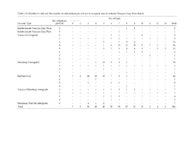
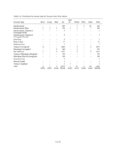
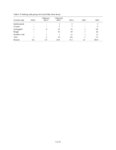
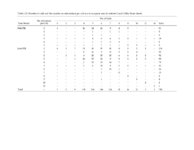
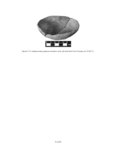
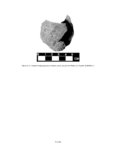
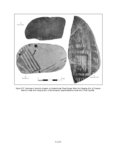
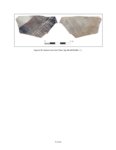
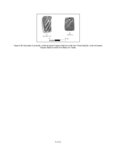
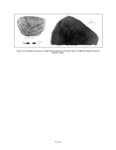
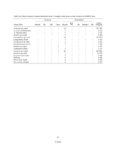
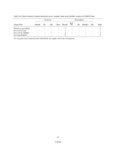
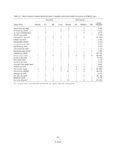
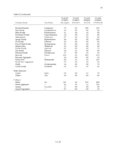
| OCR Text |
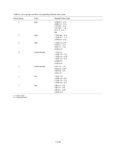
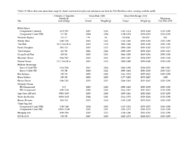
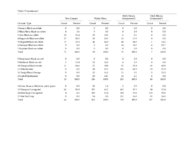
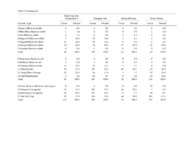
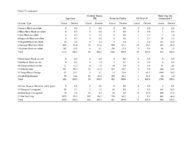
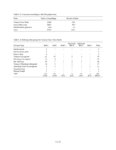
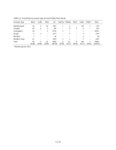
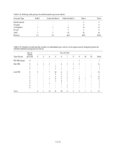
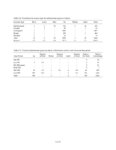
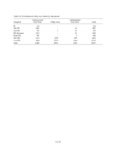
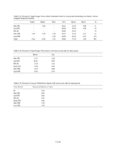
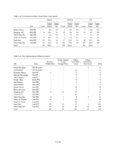
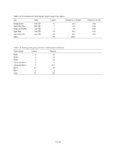
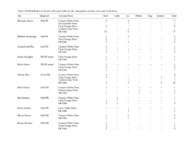
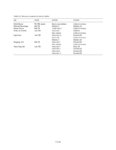
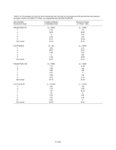
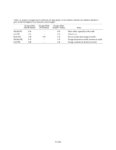
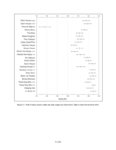
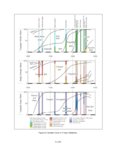
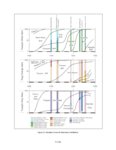
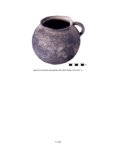
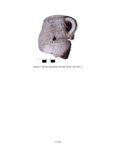
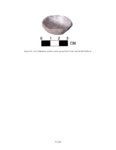
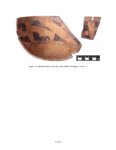
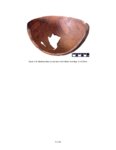
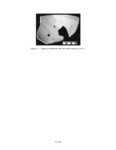
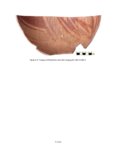
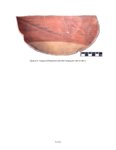
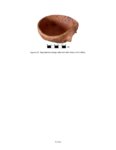
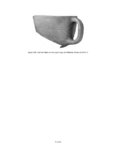
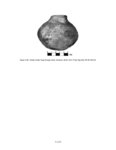
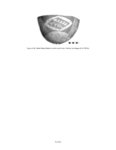
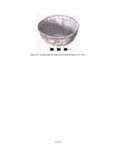
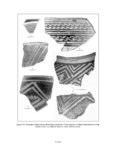
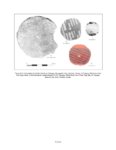
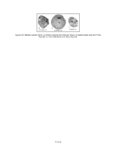
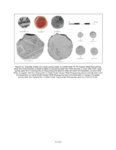
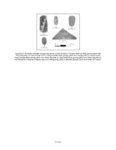
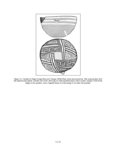
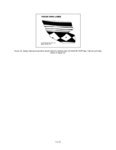
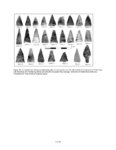
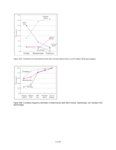
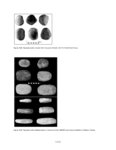
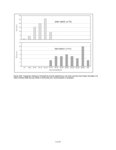
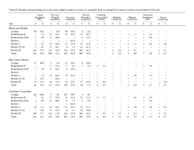
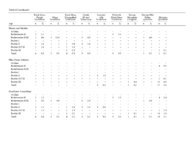
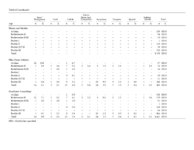
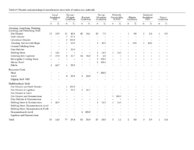
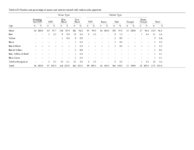
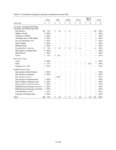
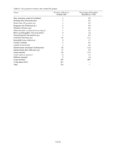
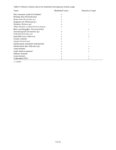
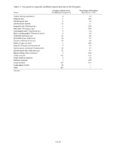
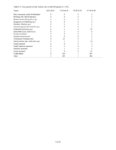
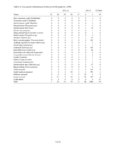
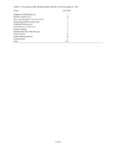
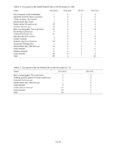
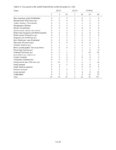
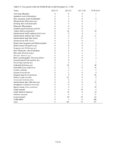
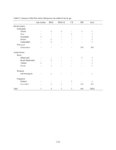
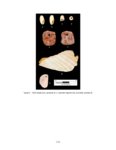
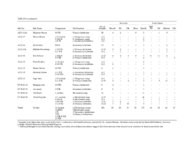
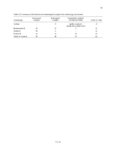
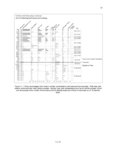
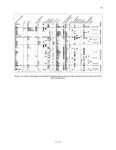
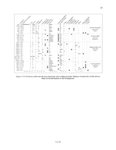
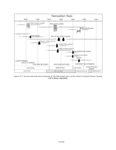
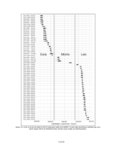
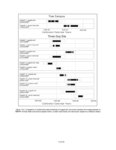
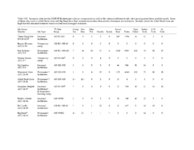
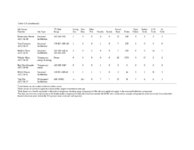
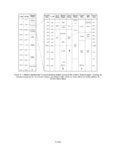
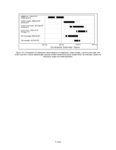
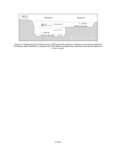
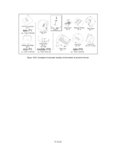
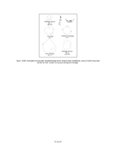
Show vessel interiors and exteriors, and to some extent, design style. Tsegi Orange Ware that is slipped red on both sides of bowls or on jar exteriors is Medicine Black-on-red when it has combinations of solid elements and thin lines, like Deadmans Black-on-red in the San Juan Red Ware. When red-slipped pottery has the hatched Dogoszhi style, it is Tusayan Black-on-red. Bowls slipped red on the exterior, with red bands and black paint over the unslipped orange surface, are Cameron and Citadel Polychromes- Cameron has only red ribbons outlined in black, and Citadel has additional black elements such as hachure over either the red paint or the orange background. Tusayan Polychrome bowls have similar interior decoration, but do not have slipped exteriors. Instead, they have only red bands or other designs over the plain orange surface. Polychrome jar forms seem rare prior to AD 1250, and of course it is not possible to distinguish Cameron/Citadel jars from Tusayan Polychrome jars because Colton's distinction depends on the treatment of bowl exteriors. Typing smaller bowl sherds is also impossible, as one cannot tell if one has part of a red band or part of a wholly slipped exterior, so intergrade categories were used (Cameron/Tusayan, and Citadel/Tusayan). Kiet Siel Black-on-red bowl interiors and jar exteriors have red slip, with black designs that are more diverse than those of the earlier Medicine and Tusayan Black-on-reds. Early Pueblo III sites with a whiteware assemblage dominated by Flagstaff Black-on-white sometimes have a very small proportion of black-on-red sherds with Sosi or Flagstaff style designs, in addition to the hatched designs of typical Tusayan Black-on-red. We have typed these "Kiet Siel Black-on-red" and use the style as a variety designation. Typical Kiet Siel Black-on-red with corbelled-and-hatch designs did not appear until the late Pueblo III period. After about AD 1250, diverse decorative treatments appeared. These include white outlining- Kayenta Polychrome is basically Tusayan Polychrome with the addition of white outlines. Kiet Siel Polychrome has an overall red slip, with black designs outlined in white. These often include corbelled lines in addition to hachure, and other elements characterizing the Pinedale style found further south at about the same time. Tsegi Orange lacks paint entirely, and usually has a fairly rough, unpolished surface. Tsegi Black-on-orange is defined here as having black paint on an unslipped orange surface. Most examples have only a black line on the lip of the rim, or a few parallel thin lines below the rim. Tsegi Polychrome has a red ribbon below the rim, outlined in black, and usually with additional black parallel thin lines below. Sherds that could not be placed in specific types were placed in descriptive or intergrade categories. These include indeterminate Tsegi Orange Ware and indeterminate black-on-red (indeterminate black paint over red slip). The date ranges vary in published descriptions of some Tsegi Orange Ware types. Colton's dates are based on associations he saw in Sinagua sites in the Flagstaff area, but Colton "never explicitly states his rationale for the dates he assigned to particular ceramic types" (Ambler 1985b:34). Most of Breternitz's 1966 tree-ring date correlations also came from that area and Wupatki, and the study is flawed in that many of the sites used had several components, leading to date ranges that are too broad. Ambler's dates are more specific to the Navajo Mountain area, but Ambler admits that his sample was small. Therefore, Ambler's dates are to be taken as hypotheses that the N16 project can test with varying degrees of success. Ambler's methods are strongly recommended, with his date ranges subject to augmentation by data from additional work in the area. In addition, one source of discrepancies between Ambler's date ranges and the others is possible geographic variation. Ambler (1985b:32) pointed out that if some Tsegi Orange Ware types, such as Cameron and Citadel Polychromes, were made from Chinle Formation clays in the Tuba City area, there would not necessarily be a temporal correlation between the material found near Tuba City (such as at Wupatki) and stylistically similar material found in the Navajo Mountain area, where geologically similar clays were used to make stylistically similar vessels. Ambler is quick to note that there is no evidence that Tsegi Orange Ware was made in the Tuba City area, and the question remains open because not enough directed research has been done in the relevant places. Whether the present typology is ideal for extracting the maximum chronological information from sherds from the Navajo Mountain area is debatable. The typology does reflect the following: there was a trend over time from completely slipping bowl and jar exteriors to only slipping a wide area, leaving plain the base and sometimes an area about 1 cm wide below the rim. This pattern in turn gave way to narrow bands and other designs in red. At the same time, the practice of adding horizontal strap handles to bowls increased over time. Something that does not appear to have chronological significance is the presence or absence of hatching, either alone or with solid elements. The contrast between vessels with solid designs and those with hatched designs may have symbolic meaning however, and the combination as it occurs on some vessels may also be important. When designs do include hatching, the nature of these designs is temporally sensitive. The simple Dogoszhi-style hatching of Cameron Polychrome and V.2.30 |