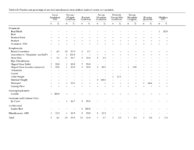
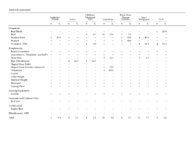
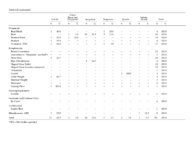
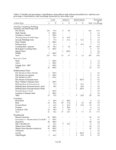
| OCR Text |
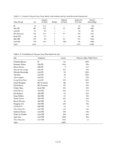
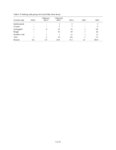
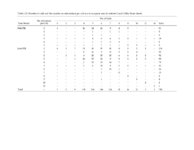
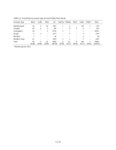
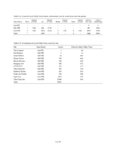
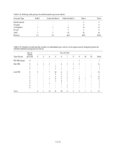
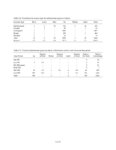
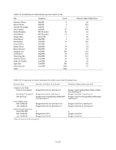
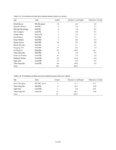
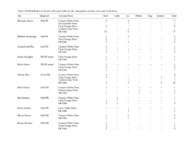
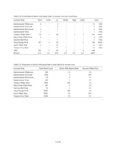
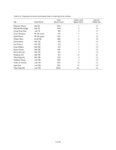
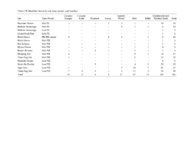
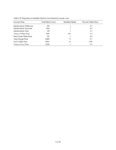
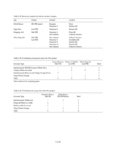
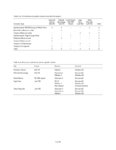
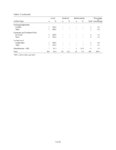
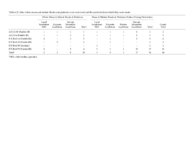
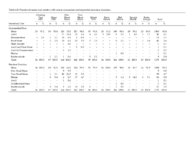
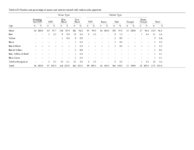
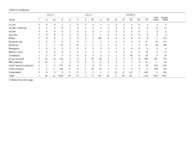
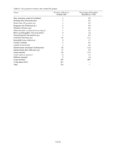
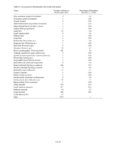
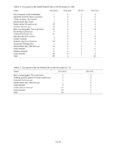
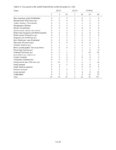
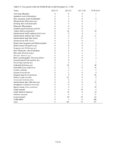
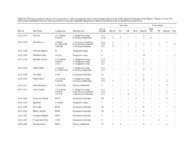
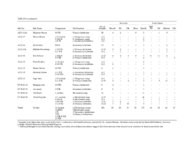
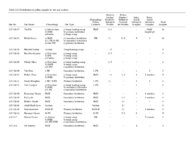
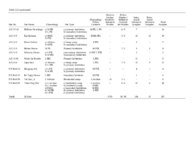
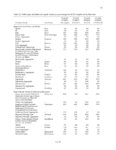
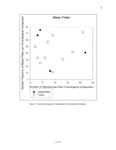
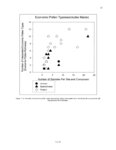
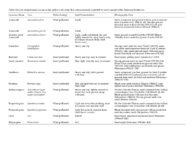
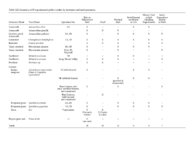
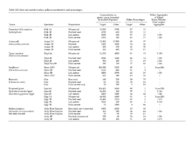
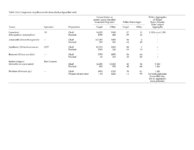
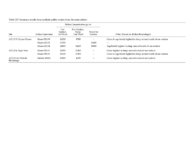
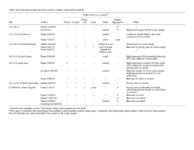
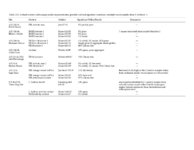
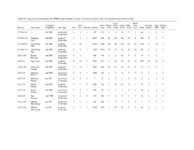
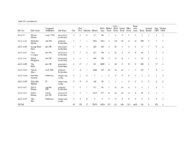
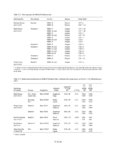
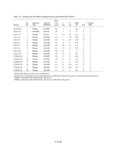
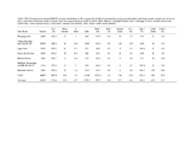
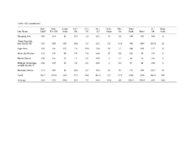
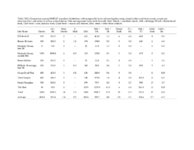
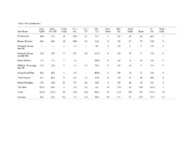
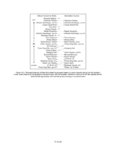
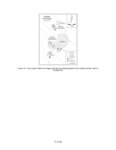
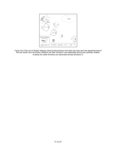
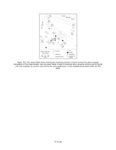
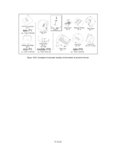
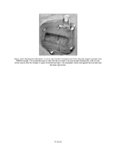
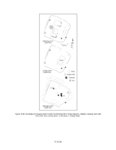
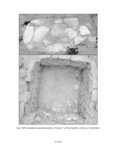
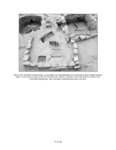
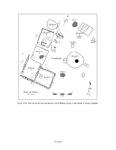
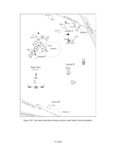
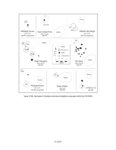
Show habitation structures at a site but does not determine their size, which is instead influenced by anticipated mobility." In other words, "structures are larger when occupants anticipate a long rather than a short habitation, regardless of the number of people living in the dwellings" (Kent 1992:639). Curiously, Kent was reluctant to compare "specific number and size of rooms" (1992:643) of DAP sites, due to concerns about comparability between "ethnoarchaeological camps" and Pueblo II sites. Her discussion of Pueblo II architecture and site structure was, for this reason, mostly a qualitative comparison without reference to the ethnoarchaeological model. As Kent pointed out, all but the smallest of the DAP sites had rooms or room blocks, kivas, and middens. The smallest (Paintbrush House) had only a small, shallow kiva. Except for Naaki Hooghan and Hillside Hermitage, the NMRAP secondary habitations each had just one habitation structure. None of the structures were more than 8 sq m in size. Using an estimate of 4 sq m of floor area per person (following Anyon and LeBlanc 1984), each structure could have reasonably housed from one to two 5 individuals. This is considerably less than a household unit of five people, defined here as two adults and three subadults (Wills and Windes 1989:363), suggesting short-term or sporadic use by individual family members. Warm-weather sites, of course, can support extramural activity areas that elevate the numbers of concurrent residents. Such areas were identified at some but not all of the secondary habitations and might be an important variable. For example the numerous hearths at The Slots attest to considerable extramural activity involving fires, but the small structure there still could have housed only a few people, and then not very comfortably. The size and limited number of structures at NMRAP secondary habitations appears to reflect both short anticipated occupations and small populations per structure. Nearly all of the NMRAP secondary habitations had middens. At sedentary Basarwa camps, "refuse at anticipated medium- and long-term habitations tends to be disposed of at formal loci more often than at short-term sites" (Kent 1992:641), although small sites can have middens if residents anticipate a long occupation. We suspect that the association of middens with structures at Puebloan sites was more conditioned by social mores than intended length of stay, but this assumption may not hold with smaller, more expedient constructs such as field houses. Kent (1992:639) found that formal storage facilities such as granaries or cache pits were absent from sites of anticipated short occupation regardless of how long such sites were ultimately used. This is also true of all the NMRAP secondary habitations. As mentioned earlier, the presence of storage features has sometimes been a defining attribute of field house or farmstead sites, and is a common component of Navajo and Hopi field-tending sites. A brief review of the literature concerning prehistoric field houses suggests that-like middens-there is much more variability in storage presence or absence than assumed. An example of "storage-free" field houses from the Cave Creek area is found in Rodgers (1978); excavated structures had no storage features and revealed "a total absence of any economic, micro- or macrobotanical remains" (1978:155). But it is conceivable that some groups might maintain storage pits of sufficient capacity to hold seed for next year's planting in or near field houses. Material culture abundance and diversity offers several avenues of inquiry regarding duration of site occupation. According to Kent's model, "anticipated and actual short occupations should have fewer artifacts and more homogeneous assemblages than … longer occupations" (1992:647). Kent focused primarily on the quantity and diversity (richness) of ceramic, lithic, faunal, and micro- and macrobotanical remains. The number of ceramic types cannot be compared across regions and across significantly different temporal periods like DAP Pueblo I sites with Pueblo II and Pueblo III sites of the Kayenta region. Through time there is an increase in the number of types represented in a region regardless of site function or different recovery methods and sample sizes, and in the Kayenta region there are three ware traditions with many different identified types, far more than for the Mesa Verde area. By dividing the total number of sherds by the number of ceramic types, Kent (1992:646-647) arrived at an "abundance index … to hold sample size constant." To control for the increase in type number through time one would also need to make comparisons only within given temporal intervals. There is risk in placing too much emphasis on any one of the artifacts and nonartifactual remains, as the data come from several projects across different regions and time periods that used, presumably, somewhat idiosyncratic methods and analysis techniques. Still, "attributing all differences to sampling error … is not a very productive way to view the archaeological record" (Kent 1992:653), and we agree. 5 Selecting a relevant population density factor (e.g., x individuals per floor area or household) is notoriously difficult. Using another figure of one individual per 10 sq m (based on a cross-cultural logarithmic figure by Naroll 1962) results in structure use by just a single individual. Either estimate is far below the threshold of a household unit of five individuals. V.15.42 |