| OCR Text |
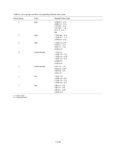
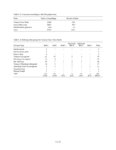
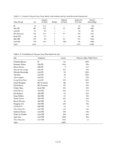
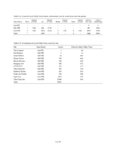
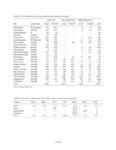
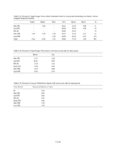
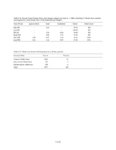
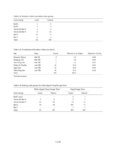
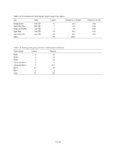
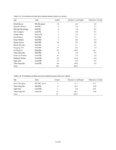
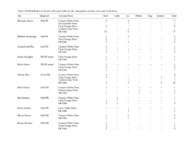
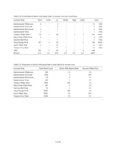
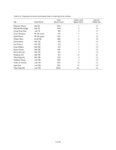
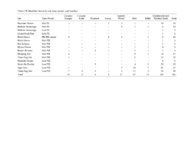
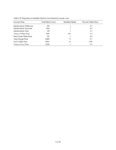
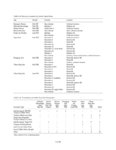
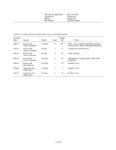
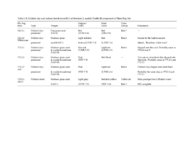
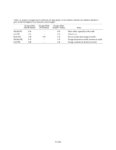
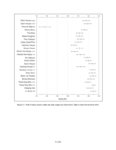
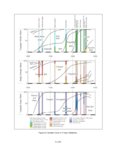
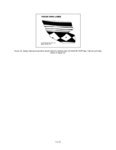
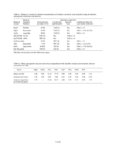
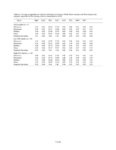
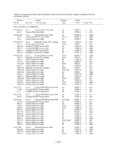
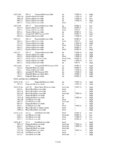
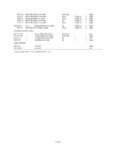
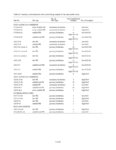
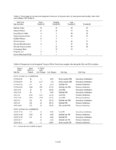
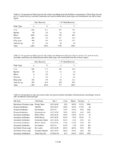
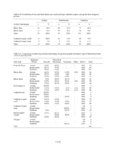
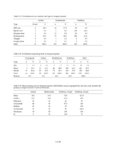
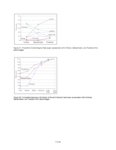
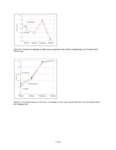
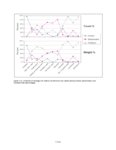
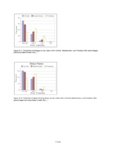
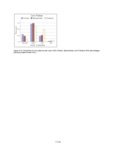
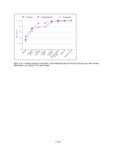
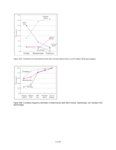
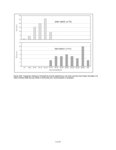
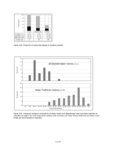
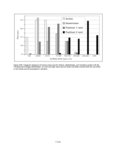
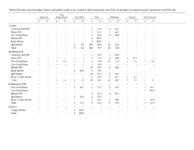
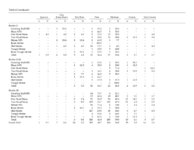
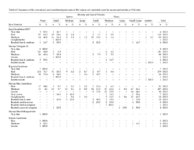
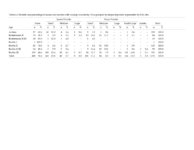
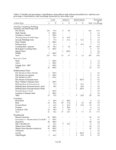
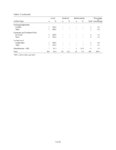
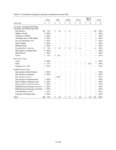
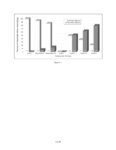
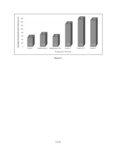
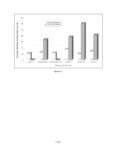
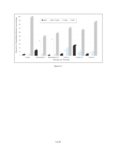
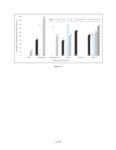
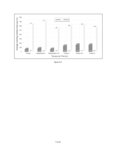
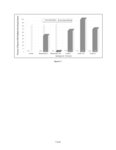
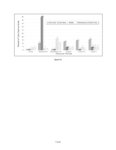
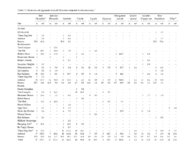
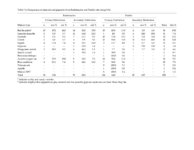
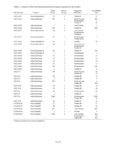
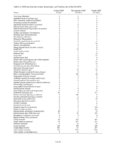
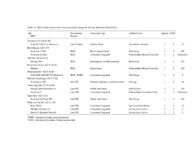
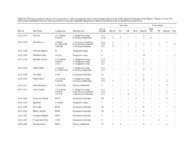
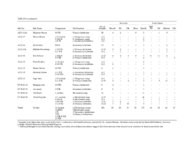
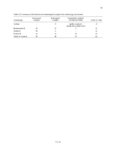
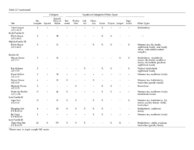
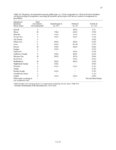
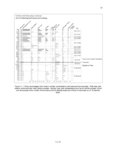
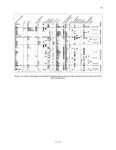
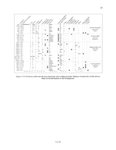
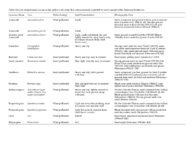
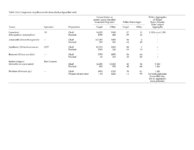
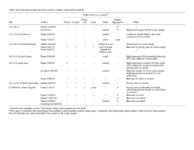
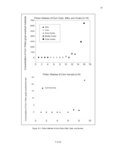
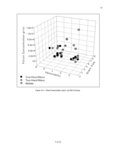
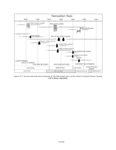
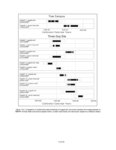
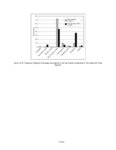
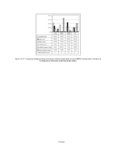
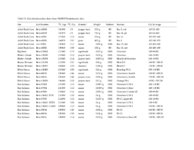
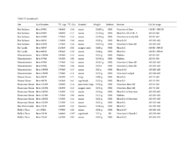
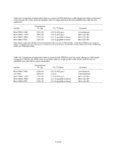
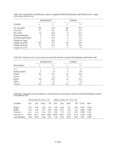
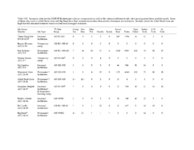
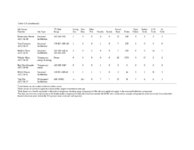
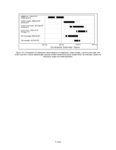
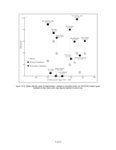
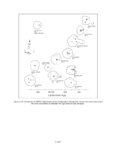
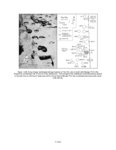
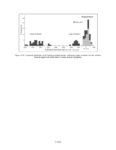
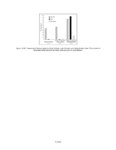
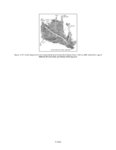
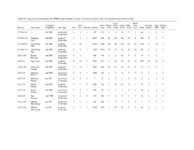
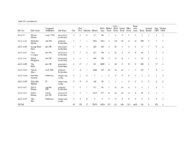
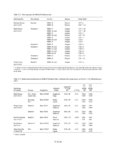
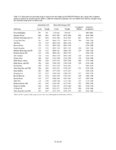
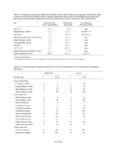
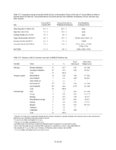
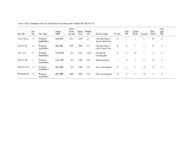
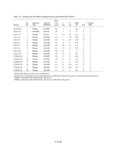
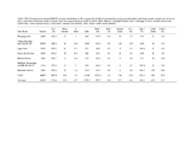
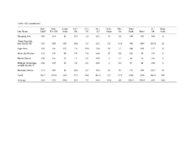
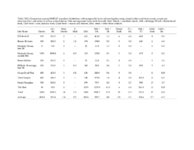
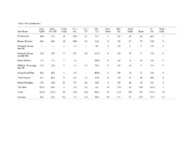
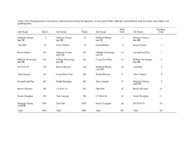
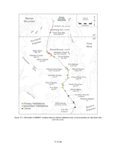
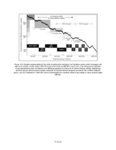
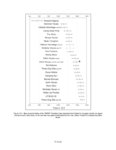
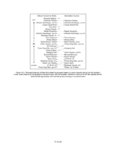
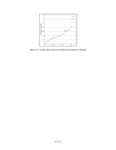
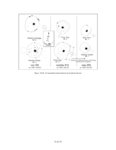
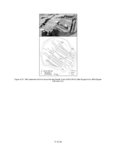
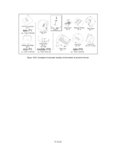
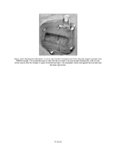
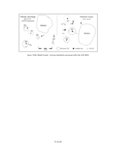
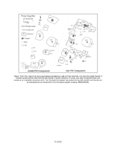
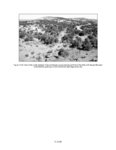
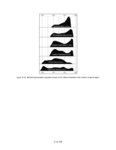
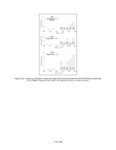
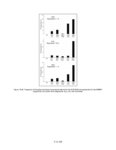
Show wood charcoal assay. This result raised a red flag, but at the time it was but a single discrepancy, so I did not know what to conclude from the results. Excavation of the late Archaic components at Three Dog Site during the final season of NMRAP fieldwork presented an excellent opportunity to test the notion of age overestimation with sagebrush. The hearths at this site contained abundant carbonized remains,12 many containing both wood and sagebrush charcoal and a few with enough of both materials to obtain standard beta-decay dates. Table 13.4 and Figure 13.5 present a comparison of radiocarbon dates on sagebrush charcoal with dates on wood charcoal or juniper seeds from single features at two different sites. There are six different comparisons and in all but one case (83%) the dates are statistically different with a 95 percent probability limit. In four of six cases (67%) the sagebrush charcoal returned ages significantly older than wood charcoal and juniper seeds: a 380-year difference between the two dates for Hearth 1 at Tres Campos, a 230-year difference between the two dates for Hearth 4 at Three Dog Site, a 220-year difference between the two dates for Hearth 20 at Three Dog Site, and a 210-180 year difference between the sagebrush date and the other two dates for Hearth 13 at Three Dog Site. Two aspects of this are worth calling attention to. First, the Hearth 4 sagebrush date is on a tiny twig 2 mm in diameter, a seemingly improbable item to overestimate age. Second, the two non-sagebrush dates for Hearth 13 are statistically the same (T = 0.1, c2 = 3.8) and produce an average (2903 ± 35 BP) with even less overlap with the sagebrush date given its smaller sigma. In each of these four cases it is expectable that the wood charcoal assays are themselves offset from the true times of the fires-recall Smiley's (1998) data cited above that fully 85 percent of the BMAP wood charcoal dates overestimated true site age. If true in these NMRAP instances, then the sagebrush dates are even more off the mark in that we are comparing them against dates that are perhaps too old themselves. Comparison of sagebrush charcoal dates against maize and other remains at two Basketmaker sites also reveals discrepancies of a few hundred years (see Chapter 14). Although sagebrush commonly resulted in ages that were older than wood charcoal, this was not always true as indicated by Hearth 1 at Three Dog Site, whose two dates are virtually identical. What remains unknown in this case is whether both material types equally overestimate the age of the fire-the wood charcoal in this instance is as bad as the sagebrush-or whether both samples represent the true antiquity of the feature. The Hearth 2 samples for Three Dog Site actually resulted in a reverse pattern with the sagebrush charcoal producing a date significantly younger than the wood charcoal date. In this case the sagebrush date might be the best bet, but overall it appears safe to conclude that sagebrush is no better than wood charcoal when it comes to accurately estimating the age of past occupations and indeed it is likely to be worse. Sagebrush is not known to be a long-lived shrub; "it commonly reaches 40 to 50 years of age, and some plants may exceed 100 years" (www.fs.fed.us/database/feis/). Even if certain sagebrush plants lived for 200 years, pinyon and juniper trees normally live far longer, so it is probably not the overall lifespan of the plant that causes age overestimation with sagebrush. Longevity after death rather than longevity in life appears to be a plausible reason for age overestimation. One means to test this and to obtain a better handle on the extent of age overestimation possible using sagebrush as fuel was to directly date specimens of this plant present on the ground surface of the area today. At any particular place on the Rainbow Plateau one sees sagebrush in various states of life and death-from flourishing to dying to badly decayed hulks. This shrub is hard to tear from the ground when alive, but dead shrubs are often easily yanked free owing to termite activity and rot of the roots. The more advanced the decay the easier the shrub is to procure and tear asunder. Eventually shrubs fall over of their own accord and enter an even more advanced state of decay. In collecting sagebrush for fuel, the dead and down shrubs would seem to be natural choices since they require the least work (pick up pieces and move along). The question is, how long does it take for sagebrush to reach this state of optimal fuel: 50 years, 100 years, 200 years, more? In an effort to answer this query, samples were collected from several sagebrush bushes in various states of decay, and two of these samples were submitted to Beta Analytic for standard beta-decay radiocarbon dating. One was from a standing dead shrub that still retained most of its small twigs (Shrub A) and the other was from a bush that had rotted through at the base and fallen over, with small twigs gone and the wood somewhat decayed but in good condition to serve as fuel (Shrub C). The samples were soaked in distilled water and carefully scrubbed prior to submission to the dating laboratory in order to remove lichens and moss growing on the wood-modern contaminants that might not be 12 The unusually good preservation in this case seems to be the result of rapid and deep eolian burial of the Archaic features. V.13.16 |