| OCR Text |
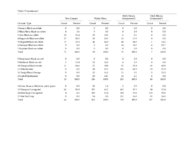
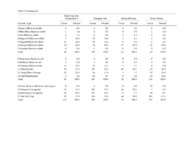
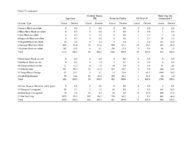
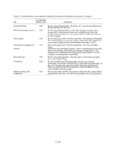
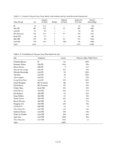
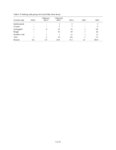
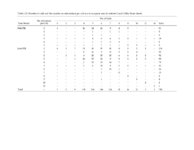
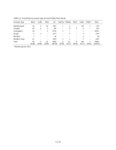
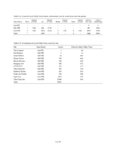
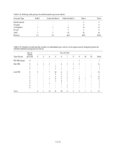
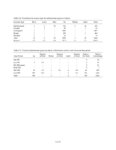
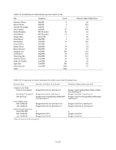
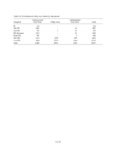
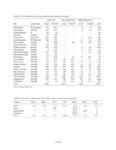
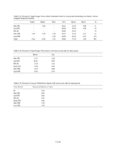
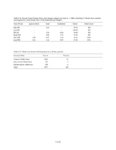
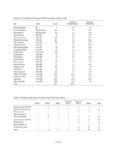
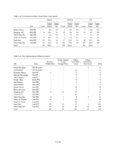
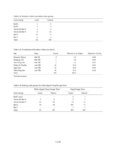
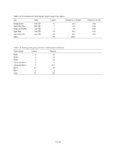
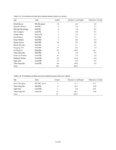
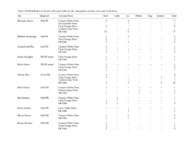
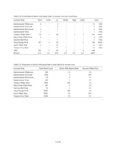
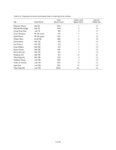
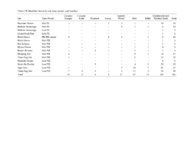
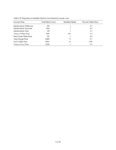
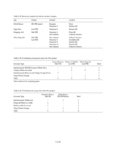
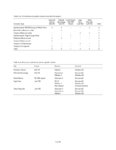
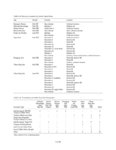
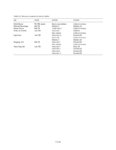
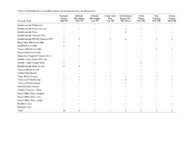
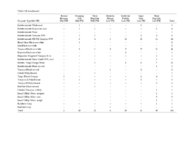
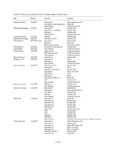
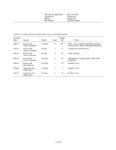
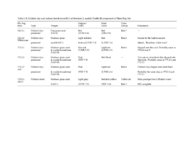
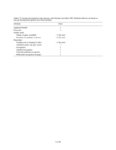
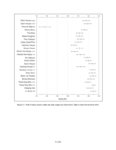
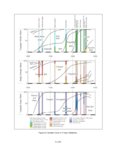
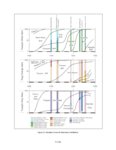
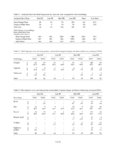
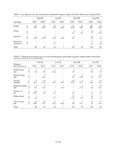
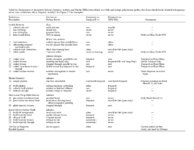
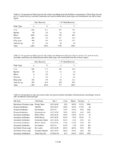
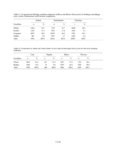
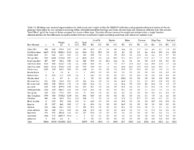
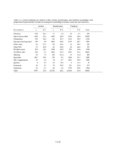
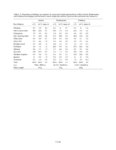
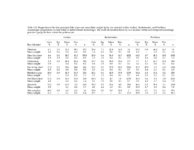
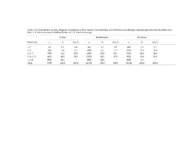
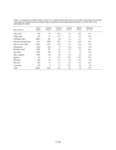
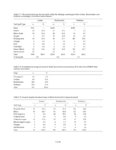
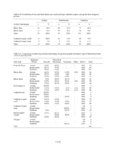
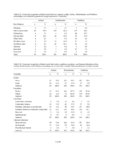
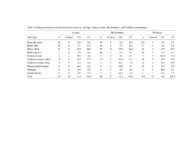
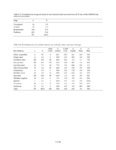
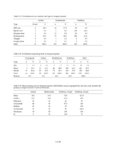
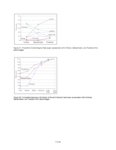
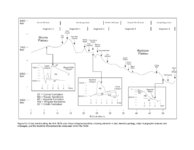
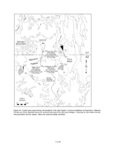
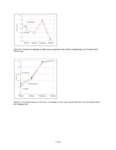
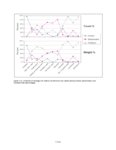
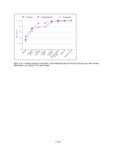
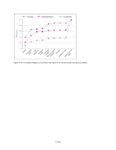
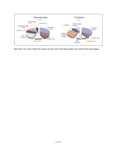
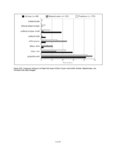
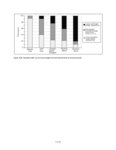
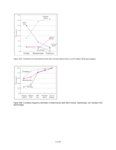
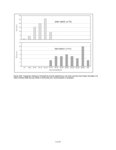
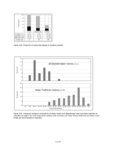
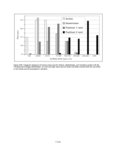
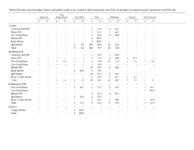
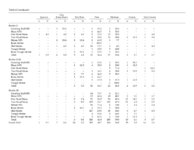
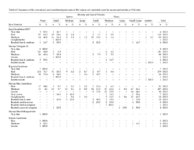
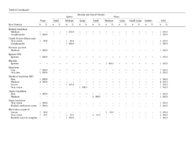
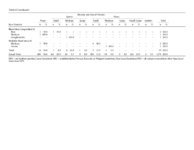
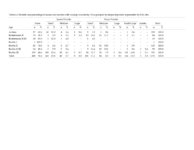
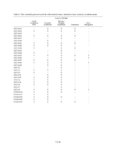
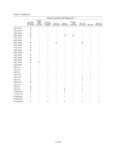
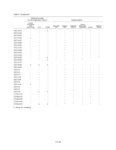
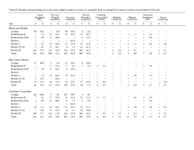
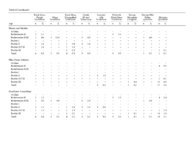
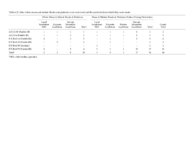
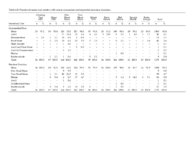
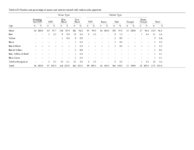
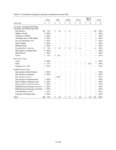
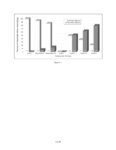
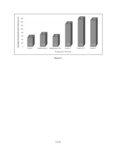
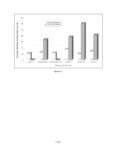
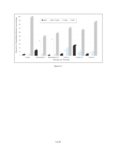
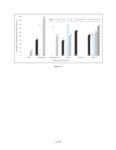
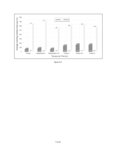
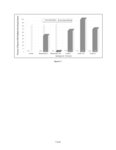
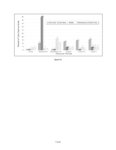
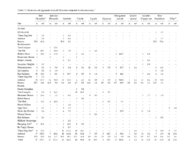
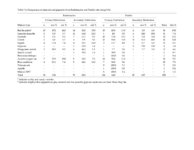
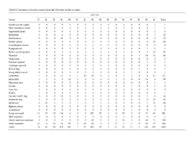
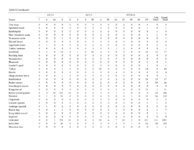
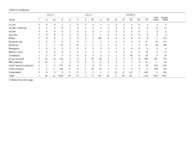
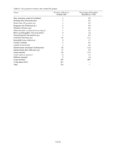
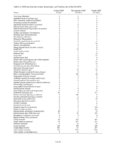
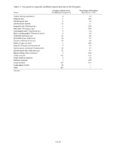
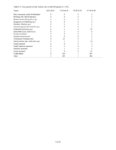
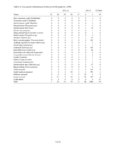
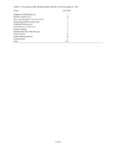
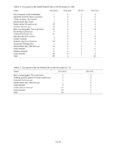
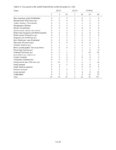
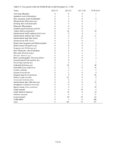
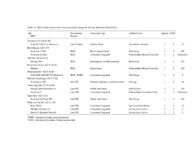
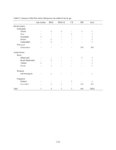
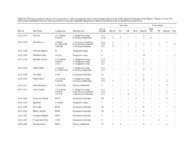
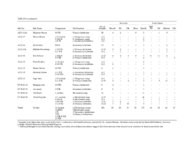
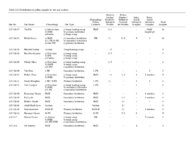
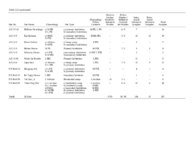
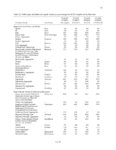
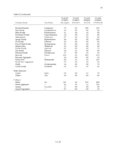
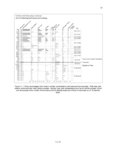
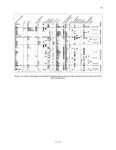
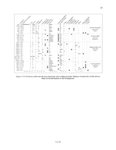
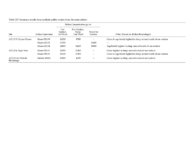
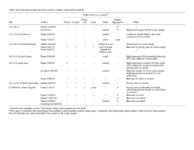
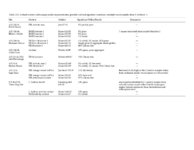
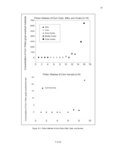
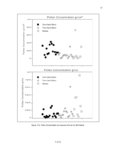
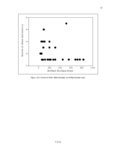
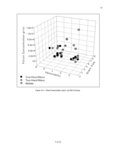
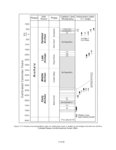
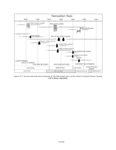
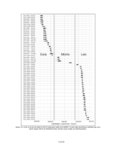
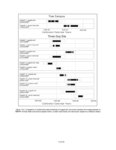
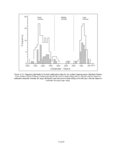
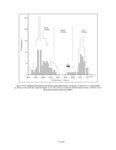
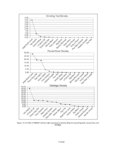
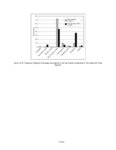
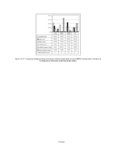
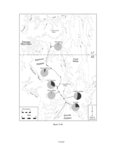
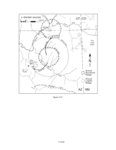
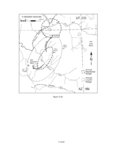
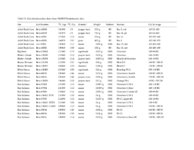
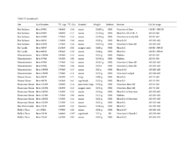
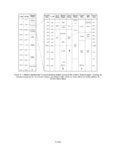
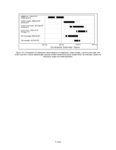
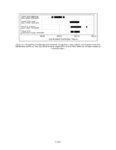
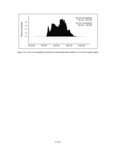
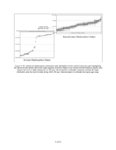
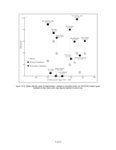
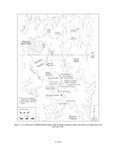
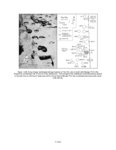
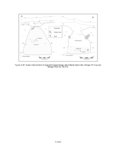
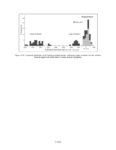
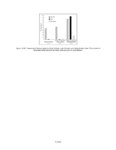
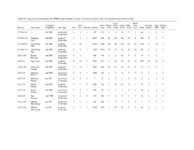
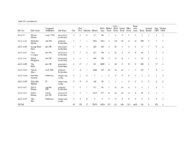
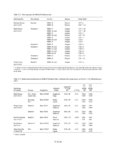
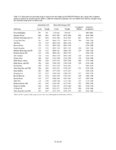
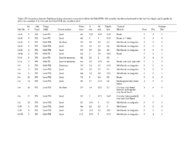
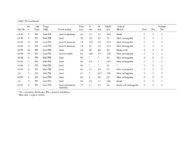
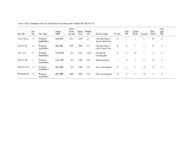
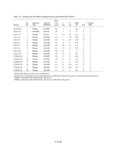
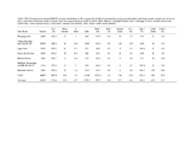
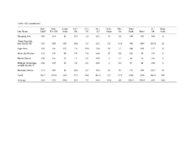
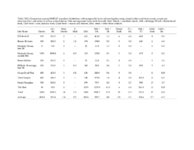
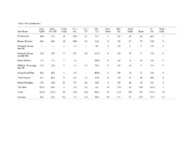
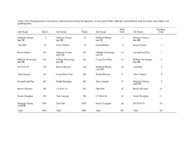
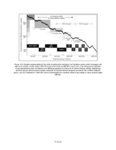
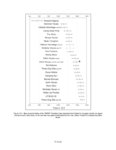
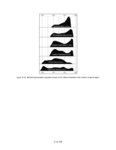
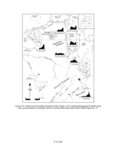
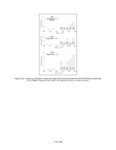
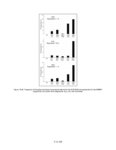
Show temporal distribution of Puebloan occupation in the northern Kayenta region. The first residential sites date to middle Pueblo II, at or shortly after AD 1050, with only a single temporary camp dating earlier than this. This parallels earlier findings for the region that suggested a virtual absence of classic Basketmaker III and Pueblo I. Unlike portions of the Kayenta region such as the Klethla Valley and Red Lake area where single sites can have very long and complex histories of use (e.g., Clark 1993), the more truncated temporal span of settlement in the northern Kayenta region tends to simplify matters such that many sites were occupied just once and briefly with no superpositioned features or complex remodeling of structures. Sites that were occupied for a few generations exist however, such as Neskahi Village (Hobler 1974), and several of the NMRAP sites contained features and structures from distinct temporal components. In most cases of multi-component Puebloan sites, NNAD field crews were able to separately identify structures and other features from separate times of occupancy. The combined evidence from architectural patterning, debris accumulation, stratigraphy, ceramic dates, and other evidence allows conjectures about the use histories of each site and estimates of occupation spans that sometimes are more restricted than ceramic dates alone. Basketmaker III As discussed in the previous chapter (also Geib and Spurr 2000, 2002), the NMRAP documented an excellent record of Basketmaker II settlement for the northern Kayenta region including the transition to the Basketmaker III period as evidenced by sites with Obelisk Utility, arrow points, and other characteristics. The region then appears to have been abandoned during what might be considered classic Basketmaker III when Lino Black-on-white (Black-on-gray) was the predominant decorated type, or at least no habitations are known that date to this interval and none were found within the N16 ROW. Pueblo I Late Pueblo I habitations have been documented within canyons of the northern Kayenta region where water-table or irrigation farming was possible, such as Piute Canyon (Fairley 1989) and parts of the Navajo Canyon system (Miller and Breternitz 1958b:5-6), but it appears that the plateaus and mesas surrounding these canyons were not favored for habitation during this interval. Wolachii Bighan (AZ-J14-20) may provide limited evidence for use of the highlands for other than habitation purposes during Pueblo I, a time period that is poorly documented in the area, but this evidence must be viewed with caution. The temporal assignment of Wolachii Bighan (no tree-ring samples were recovered and radiocarbon dating was not attempted) is based on a small ceramic sample, with only three named types represented: Kana-a Gray (n = 13), Lino Gray (n = 3), and Kana-a Black-on-white (n = 1). The other 105 recovered sherds consisted of plain gray body portions, unpainted whiteware, and one that was unidentifiable. Although this assemblage is typical of Pueblo I, with a calculated mean ceramic date prior to AD 800, there is the possibility that the site corresponds with a later period of use as discussed previously under radiocarbon dating. Upper Paiute Canyon contains several substantial early Pueblo II habitations (Wepo Phase on Black Mesa) that are characterized by abundant plain gray but with Kana-a Grey as the chief utilitarian type and Wepo Black-on-white as the predominant whiteware with Kana-a Black-on-white in lesser abundance (Fairley 1989; designated as late Pueblo I in her temporal scheme- AD 950-1000). It is easy to envision the inhabitants of such settlements creating limited activity sites such as Wolachii Bighan in the highlands that surround upper Piute Canyon and the types recovered from the site would not be out of place for an assemblage from an early Pueblo II encampment. Consequently, the sherd-based temporal assignment of this site might well be 200 years off, with occupation occurring in the late 900s rather than the late 700s. Whether this is the case might be determined by radiocarbon dating, but either way the NMRAP excavations support previous conclusions regarding the lack of Pueblo I residential settlement of the northern Kayenta region. The meager remains documented at Wolachii Bighan easily fit the deposition of a single use episode or two episodes within the span of a few years. The role of the site within regional settlement remains conjectural, but a temporary camp for some extractive purpose is indicated. Middle Pueblo II The initial Puebloan habitations within the N16 ROW date to middle Pueblo II or the Black Mesa ceramic period, sometime after about AD 1050 but before AD 1100. This is a time when Black Mesa Blackon-white was the predominant whiteware, Tsegi Orange Ware had replaced San Juan Red Ware, and utilitarian jars were typically corrugated, especially by neatly done corrugation, but also on occasion exuberant corrugation and various tooled or appliqué designs. San Juan Red Ware was produced in the western Mesa Verde region (e.g., Hegmon et al. 1997) and imported to the Kayenta region during Pueblo V.15.8 |