| OCR Text |
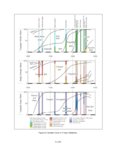
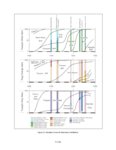
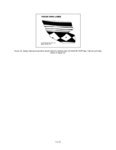
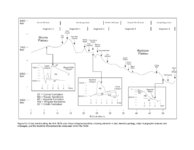
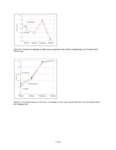
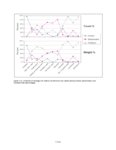
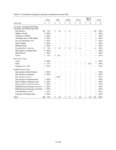
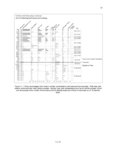
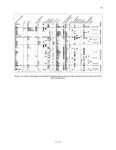
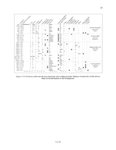
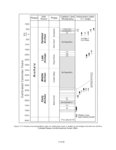
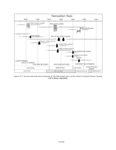
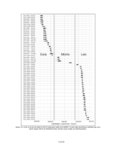
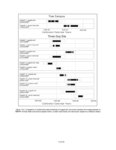
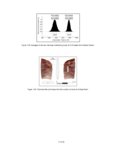
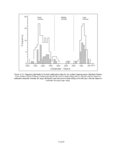
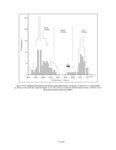
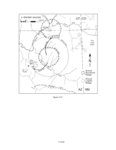
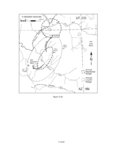
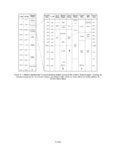
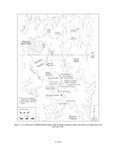
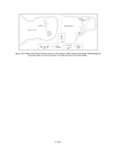
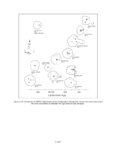
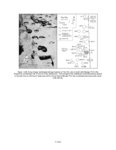
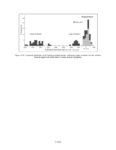
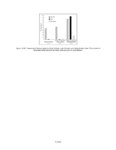
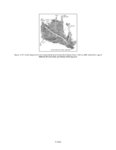
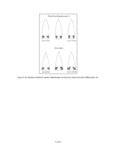
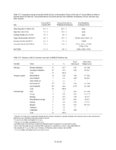
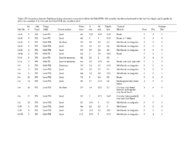
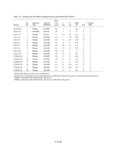
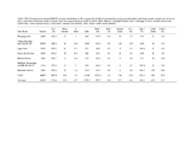
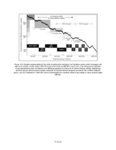
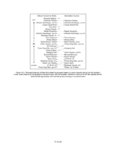
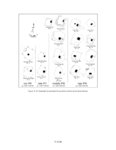
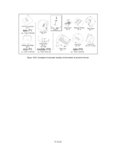
Show (Smiley 1987a:19). Matson and Smiley differ, however, in the temporal beginning of this phase, with a variance of some 1000 years or more. Whereas Matson accepts that the phase is represented by at least 350 cal. BC and perhaps as early as 600 cal. BC (Matson 2002; personal communication 2002), Smiley has it beginning substantially earlier. "The White Dog phase currently occupies the period beginning somewhere between 4000 and 3000 BP [ca. 2000-1000 cal. BC] and lasting to about 2000 BP (Smiley 1987a:19). As discussed previously, the early estimate is based on accepting the outlier maize date of 3610 ± 170 BP from Three Fir Shelter. If this assay is eventually verified by additional dating there is still the issue of associated cultural remains and these should be factored in to such a phase designation, since these are normally used to delimit a spatially and temporally cohesive assemblage of materials. Therefore, at present the outlying Three Fir Shelter maize assay does not provide sufficient cause to extend the White Dog phase back to around 2000 cal. BC. The NMRAP findings reported here, and summarized in a preliminary way in Geib and Spurr (2000), do not neatly correspond to this split between the earlier rockshelter using White Dog phase and the later open-air mesa top settlement of either the Lolomai or Grand Gulch phases. On the Rainbow Plateau and far northern Shonto Plateau, open pit house habitations date several hundred years earlier than either the Lolomai or Grand Gulch phases, placing them within the reputed time of the White Dog phase. Moreover, Basketmaker II use of caves and rockshelters on the Rainbow Plateau is contemporaneous with the open-air settlements (Geib and Robins 2003) and indeed the shelters appear to be adjuncts of this settlement pattern-i.e., places of dry storage for adjacent open habitations. A single open habitation like Kin Kahuna (see Chapter 2 of Volume III) appears to have been occupied from the start of Basketmaker II settlement in the region at around 400 cal. BC, continuing without evident interruption until around cal. AD 400. Consequently, I lack any reasonable basis for distinguishing sequential Basketmaker II phases for the northern Kayenta region. Based on Colton's precedent I include all of the materials reported herein as part of the White Dog phase, with the possible exception of the Mountainview site, which produced early pottery (Obelisk Utility). Mountainview is however contemporaneous with other Basketmaker II sites lacking pottery so there would be temporally overlapping rather than sequential phases. Figure 14.1 presents my current understanding of Basketmaker cultural-temporal systematics for the Kayenta region and slightly further afield. The introduction of corn demarks the end of the Archaic and the transitional interval to the Formative period (the Archaic-Formative transition). The earliest Basketmaker II cultural expression within this transitional interval, designated the White Dog phase, is not clearly manifested until around 800 cal. BC (2600 BP). This is based on clusters of dates from Three Fir Shelter (Smiley and Parry 1992) and the earliest dates on human and artifactual remains from the classic Basketmaker-type sites of the Kayenta region such as White Dog Cave and Kinboko Caves 1 and 2 (Coltrain et al. 2007; Smiley et al. 1986; Smiley 1994: Table 1). Diagnostic western Basketmaker II material culture might eventually be shown to date back in time to when domesticates first appeared on the Colorado Plateau, but this has yet to be demonstrated; thus the beginning of the White Dog phase is restricted to the temporal interval when such remains are known to exist. This follows Matson's (1991) use of the term White Dog phase, which parallels the generally agreed upon notion that phases delimit a spatially and temporally cohesive assemblage of materials. On the Rainbow Plateau, the earliest Basketmaker II remains are currently no older than about 400 cal. BC; thus the initial phase of Basketmaker II settlement for this northern portion of the Kayenta region is temporally more limited and may result from the expansion of early farmers out of the Marsh Pass area or farther south such as along the lower Begashibito and Shonto Washes and in the Red Lake area. Unlike on Cedar Mesa and Black Mesa, the initial phase of Basketmaker settlement on the Rainbow Plateau during the first several centuries cal. BC appears no different from that during the first several centuries cal. AD. From the start, it involved open-air pit house settlements in addition to natural shelters. Indeed, natural shelter use appears no more than a component of Basketmaker II settlement on the Rainbow Plateau. I classify all Basketmaker II remains on the Rainbow Plateau as part of the White Dog phase and see it as lasting until the advent of pottery production. On Cedar Mesa and Black Mesa the forerunner White Dog phase is followed by separate Basketmaker II phases recognized for mesa-top adaptations with open-air pit house settlements ("protovillages" in Smiley's [2002:49] terminology). Neither the Grand Gulch or Lolomai phase are recognized for the Rainbow Plateau because open pit house settlements date from the initiation of Basketmaker occupation in the region, contemporaneous with cave/shelter use, and there is no reliable way to distinguish a late Basketmaker II phase. This said, it is important to point out that there are Basketmaker II habitations on Piute Mesa that appear quite similar in architectural details to those of the Grand Gulch phase on Cedar Mesa (see the review in Chapter 1 of Volume III) and that also probably date late in the Basketmaker II sequence. Thus, for the Piute Mesa portion of the northern Kayenta region, a Grand Gulch V.14.6 |