| OCR Text |
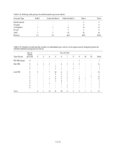
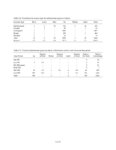
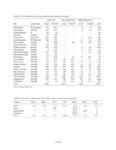
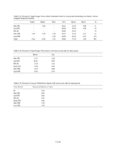
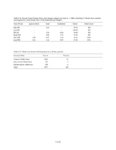
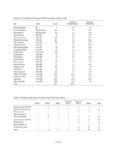
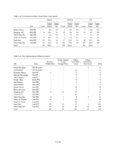
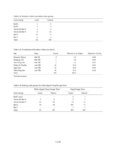
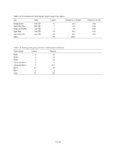
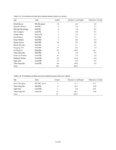
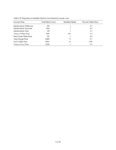
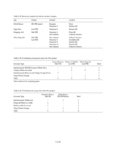
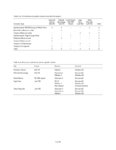
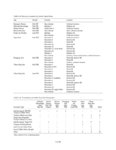
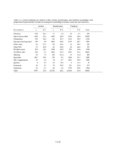
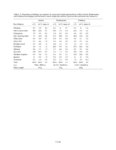
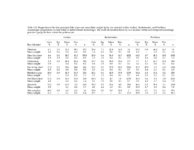
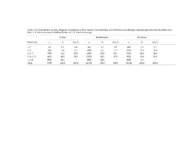
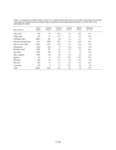
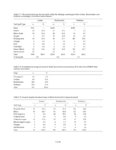
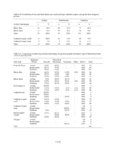
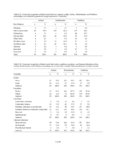
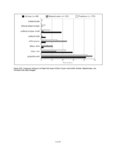
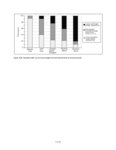
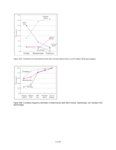
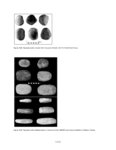
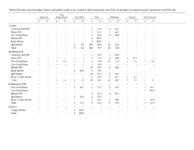
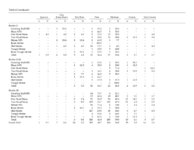
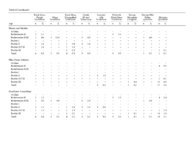
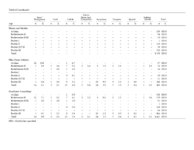
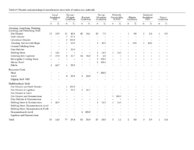
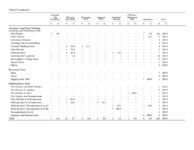
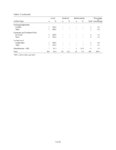
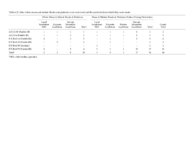
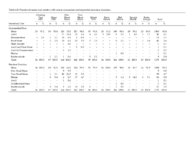
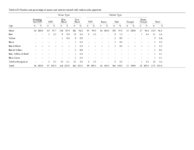
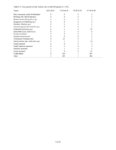
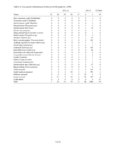
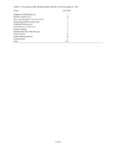
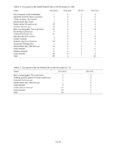
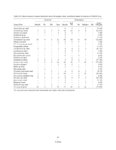
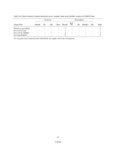
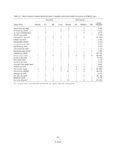
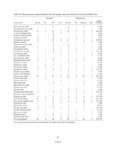
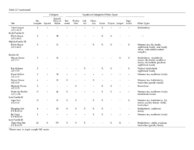
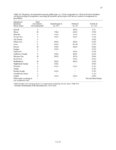
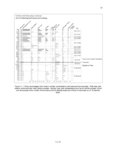
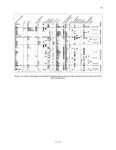
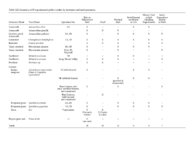
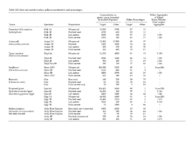
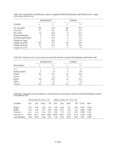
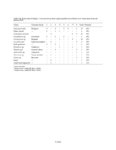
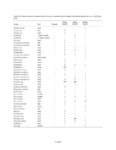
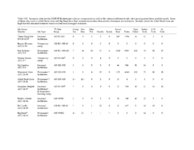
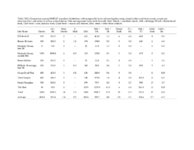
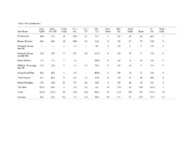
Show may have scavenged the abandoned areas for usable materials. Reuse may therefore be evidence of reoccupation of some sites and long-term occupation of others (Adams 1997:37). In contrast, Russell (1989:678) has cited several ethnographic accounts of various indigenous populations scavenging items from abandoned sites for reuse at other sites. Grinding tool reuse may be evidence for scavenging at other sites, and therefore may not necessarily indicate site reoccupation or reflect the length of occupation. Similarly, Schlanger (1991:463) suggested that tools broken during use at a primary residence may have then become available for use at other locations such as seasonally occupied sites. According to Schlanger (1991:463) it appears that most of the grinding tools at seasonal habitation sites were originally brought from the primary residence, that is, the more permanent habitation sites. Among the N16 sites the highest frequency of sequential secondary use among manos and metates generally occurred at semi-permanent habitations, at seasonally inhabited sites, and at large sites with long or multiple occupations. This finding suggests that both the scavenging behaviors discussed by Adams and the reuse of broken tools mentioned by Schlanger may have occurred at some N16 sites. It is interesting that nearly all miscellaneous grinding tools with discernible prior functions were discovered at permanent residential sites; only two were recovered from the seasonal residential sites. One possible explanation for this may be related to the design and function of many miscellaneous grinding tools. As previously discussed in the tool design section, more than three-quarters of the miscellaneous grinding tools were not shaped prior to use. This lack of production cost, plus the fact that most of the tools were made from locally available stone, suggests that there was no benefit to transporting broken tools to seasonal sites simply to turn them into redesigned tools when it would be easier to make new tools from local materials. The size of the few miscellaneous grinding tools with higher production costs, such as mortars and rectangular crushing stones, makes it unlikely that they would have been manufactured from other broken tools. Also the strategic design of these tools is such that traces of previous functions may have been obliterated during their manufacture. Seasonal habitation sites were not the only sites with a paucity of miscellaneous grinding tools with sequential secondary uses. Archaic assemblages yielded only 3 of 184 grinding tools of all types with prior functions (i.e. sequential secondary use). The transitory nature of most of these sites probably explains this finding. The relatively short occupations at the Archaic sites appear to have prevented large accumulations of broken tools that could serve as raw material for new tools. Complete tools at the sites probably continued to be used in their original functions if the sites were reoccupied and the tools were discovered. Fewer than one-fourth of all miscellaneous grinding tools and only a handful of the recovered metates had clear evidence of having been used previously for some other function. Metates were, however, more likely than all other tools to be reused after they broke. Almost one-fourth of the manos exhibiting sequential use (26 of 106, or 24.5%) had originally been part of metates. Even more significant is that nearly three-fourths (26 of 36, or 72.2%) of the miscellaneous grinding tools with sequential secondary use were redesigned metate fragments; most of these were flat abraders. This finding was not unexpected given that the large size of metates meant that many more tools could be fashioned from a broken metate than could be made from most other types of grinding tools. In contrast to metates and most of the miscellaneous grinding tool types, one-hand manos had one of the highest frequencies of being manufactured from other tools. More than a third of the one-hand manos (61 of 164, or 37.2%) exhibited sequential use. One-hand manos also had a high rate (25%) of concomitant secondary use. This finding supports the conclusions of other researchers who found that one-hand manos often served multiple functions (e.g. Christenson 1987:48; Mauldin 1993: 321; Schlanger 1991; Woodbury 1954:79). The most common concomitant secondary function observed in the entire grinding tool assemblage was use an anvil. Sixty-one grinding tools (4.2% of the entire grinding tool assemblage) exhibited the pitting and scarring that results from use as an anvil, and most of it was concomitant use. The next most frequent concomitant secondary use for manos and metates was as "paint stones," which were grinding tools that became stained from processing pigment. Forty-three manos and metates exhibited traces of pigment. Sixteen miscellaneous grinding tools had traces of pigment on them; however, pigment processing was only a concomitant secondary use for two of these tools. Both anvil and paint stone secondary use are discussed in more detail in the following sections. The next most common concomitant secondary use of manos and metates was as hammerstones. Fifteen manos and metates and 15 miscellaneous grinding tools, 2 percent of the entire grinding tool assemblage, had impact fracture and chip concentrations indicative of forceful stone-to-stone contact. Usually the areas of wear were on the ends and edges of the grinding tools and much of it probably resulted from using the tools to flake and peck other stone implements. V.6.26 |