| OCR Text |
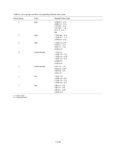
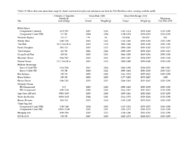
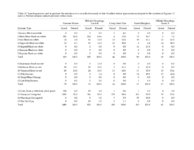
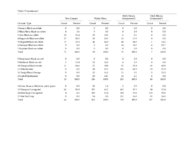
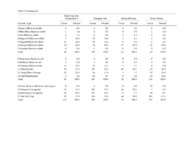
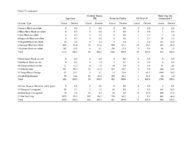
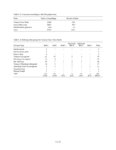
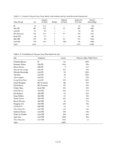
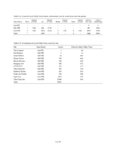
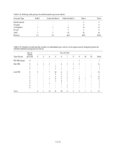
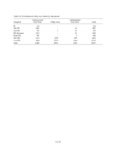
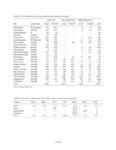
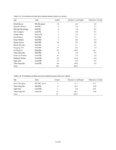
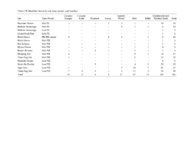
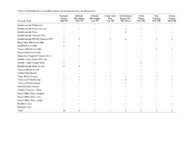
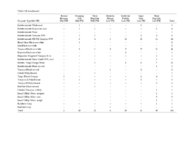
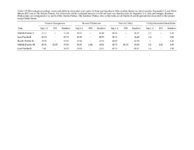
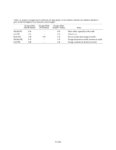
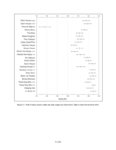
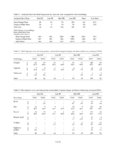
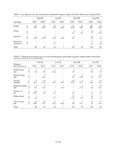
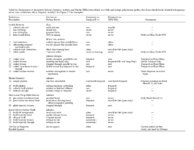
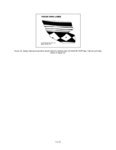
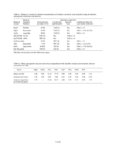
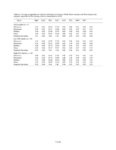
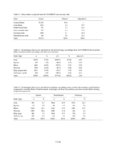
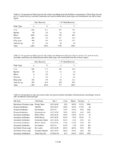
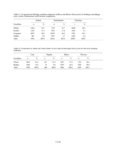
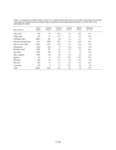
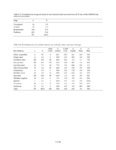
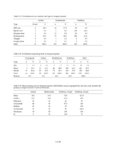
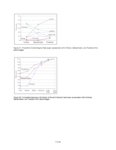
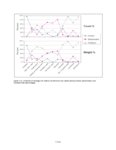
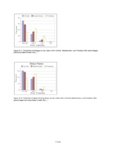
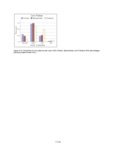
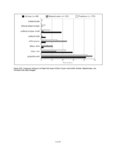
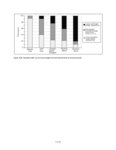
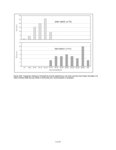
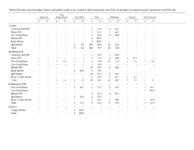
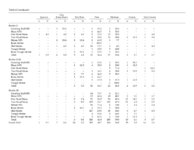
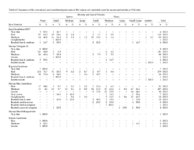
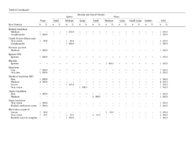
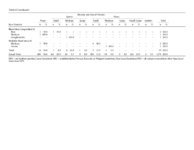
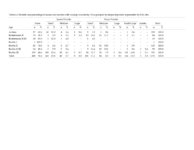
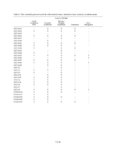
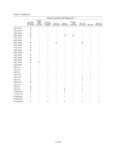
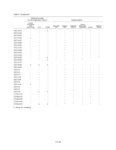
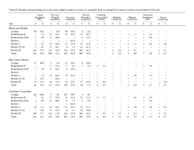
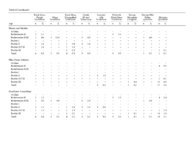
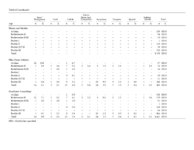
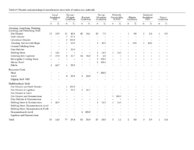
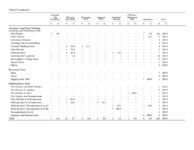
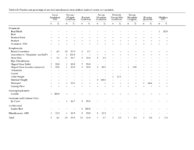
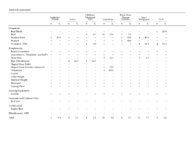
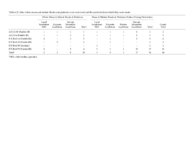
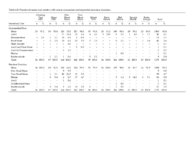
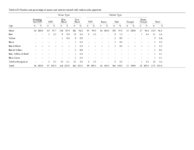
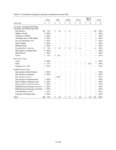
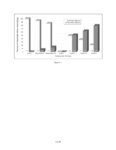
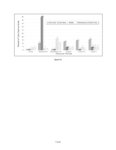
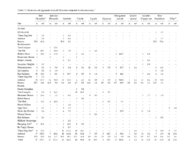
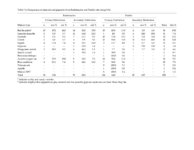
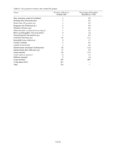
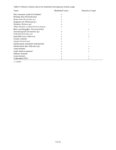
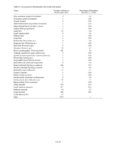
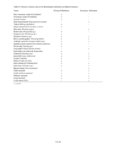
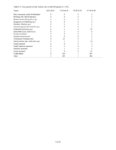
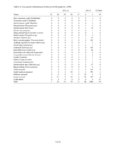
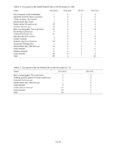
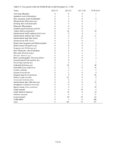
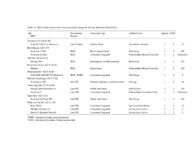
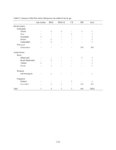
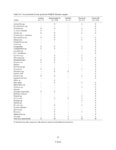
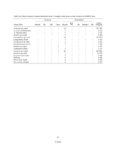
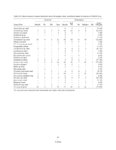
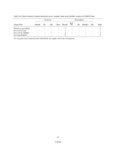
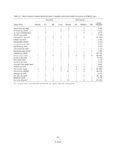
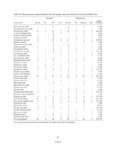
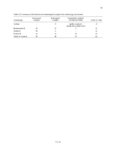
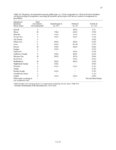
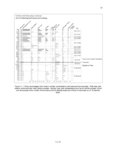
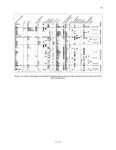
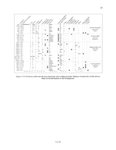
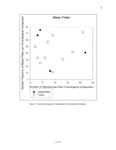
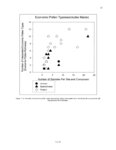
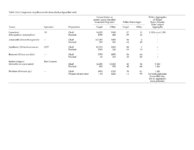
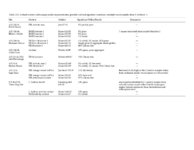
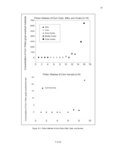
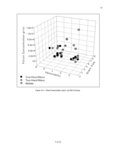
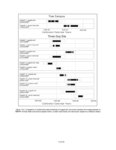
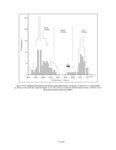
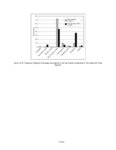
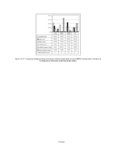
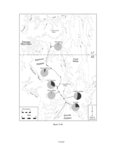
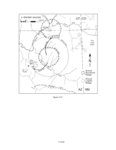
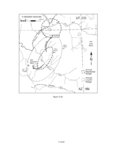
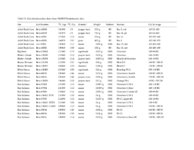
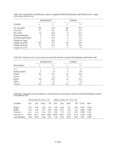
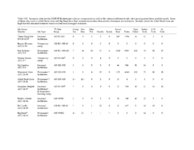
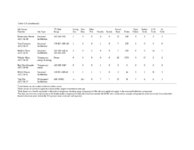
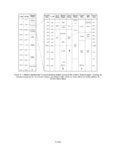
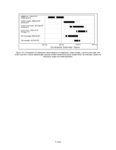
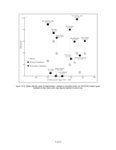
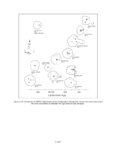
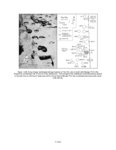
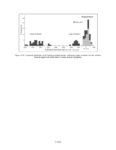
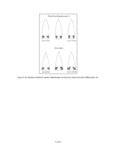
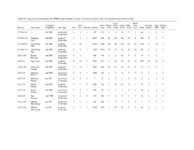
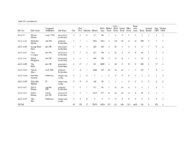
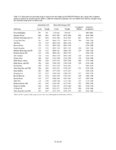
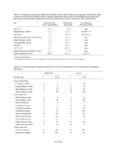
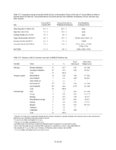
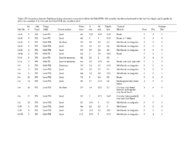
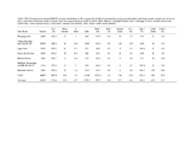
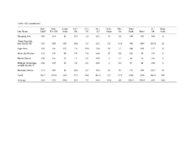
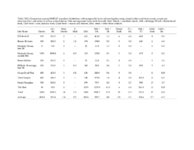
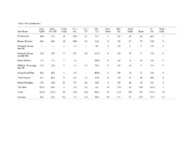
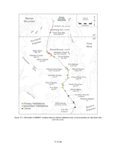
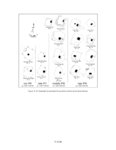
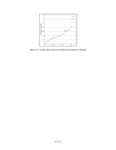
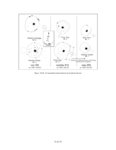
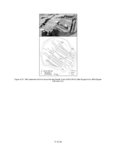
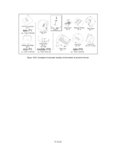
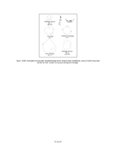
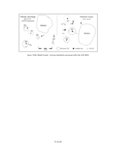
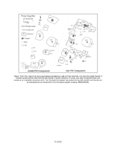
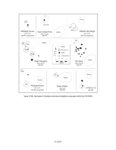
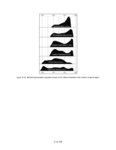
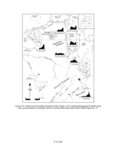
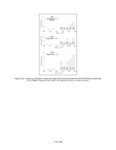
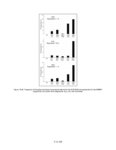
Show by simple core reduction debris. This argument is similar to that proposed by Sassaman (1998:159) as concerns the underlying root cause-increased sedentism as a result of food production-but it differs in the mechanics of how this affected the debitage assemblages. The role of women in domestic tasks did not increase, as they were always significantly invested and involved in the production and use of stone tools. But their contribution to the archaeological record commonly studied by archaeologists-residential sites- increased at the same time that the male contribution to residential assemblages was declining or at least that portion directed at biface reduction. Possible polarization of male and female activities among ethnic Puebloans is noted by Lowell (1991:460), who suggested that the loci of male activities (such as the production of hunting weapons) shifted away from residential "village" sites, and therefore away from the contexts most commonly studied by archaeologists. This was clearly seen in the debitage assemblage of Dust Devil Cave where the Puebloan layers contained considerable biface flaking debris and projectile points. It is interesting to observe that the debitage assemblage in the early Archaic Stratum IV at this site was dominated by large core flakes, especially the debris that occurred in the back part of the cave where metates and manos were located and that probably served as a female activity area (Geib 1984). The representation of core and flaked facial tool debris (percussion biface and pressure) for different Basketmaker site types (Table 15.6 and Figure 15.3) shows some important variability that reflects spatial differentiation in reduction activity that may well have a gender basis. The one reduction site has an exceedingly low proportion of core flakes (less than 4%) relative to biface and pressure flakes. At primary habitations (those containing evidence of long-term occupancy and winter use), core flakes increase in proportion to biface and pressure flakes, accounting for 55-75 percent of these three technological categories, but core flakes are even more predominant at secondary habitations (those containing structures but lacking evidence of long-term occupancy or winter use), usually between 70 and 90 percent. The secondary habitations are ones were we would expect the least biface reduction debris because of summer field duties. At primary residential sites, the "down time" of winter months resulted in the accumulation of bifacial reduction debris simply from having free time and being more confined indoors. In Figure 15.3, site UT-B-63-39 (Three Dog Site) at the far right looks quite similar to the reduction site at the far left. Excavators at Three Dog Site thought that the Basketmaker component here, which had been largely removed by the existing N16 road and also disturbed by the heavy Pueblo III occupation of the site, might have functioned as a secondary habitation, based on the hearths and pits with abundant ricegrass, a mano, and some other remains. However, based on the evidence for intensive biface reduction a different interpretation seems possible. Puebloan sites in this same area along the foot of Navajo Mountain, including the Pueblo III components at the exact same setting, also contain evidence for biface reduction that suggests some degree of local specialization (discussed below), which may simply have great time depth. The important point is that the reduced residential mobility brought on by food production impacted men and women differently as agents that formed the archaeological record and led not just to changes in both the nature and intensity of the tasks performed that generated reduction debris but also changes in the spatial patterning of debris accumulation on the landscape and in the types and sizes of debris that accumulated. Bipolar Technology: Gender or Other Causes This is clearly not the place for an extended digression about bipolar reduction since the literature is extensive, at times contradictory, and sometimes vitriolic. Shott (1989) provides a fairly recent overview and LeBlanc (1992) a rejoinder; Hayden (1980) provides a useful earlier review. Lithic analysts generally hold two widely divergent views of bipolar technology. On the one hand, there are researchers who consider the items resulting from bipolar reduction to be tools, specifically wedges. The once descriptive term pièces esquillées has become virtually synonymous with this functional interpretation (following MacDonald 1968). On the other hand, there is the argument that bipolar reduction was done to produce flakes to be used for various simple tools and that exhausted bipolar cores (what some might call pièces esquillées) were part of the waste (Goodyear 1993). Aware that it was not necessarily an either/or scenario, Hayden (1980) tried to emphasize that the term pièces esquillées should be restricted to bipolar objects resulting from wedge use and distinguished from bipolar cores resulting from flake production by bipolar technique. He also stressed that there are other objects besides these two that can result from bipolar fracture, including bipolar flakes. Hayden outlined ways for differentiating wedges from bipolar cores, but in practice making the distinction can prove difficult, as he admitted (but see Goodyear 1993). It is nonetheless very important to distinguish between the two, because "behavioral inferences based on these opposing interpretations will differ, often radically" (Shott 1989:1; Goodyear 1993:16-17, 19). V.5.14 |