| OCR Text |
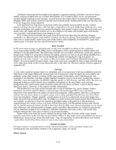
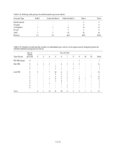
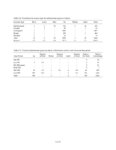
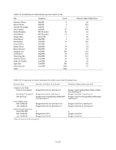
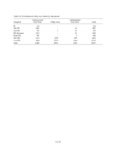
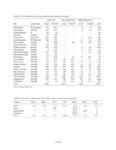
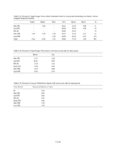
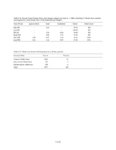
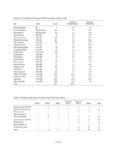
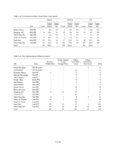
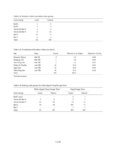
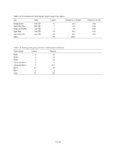
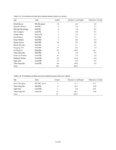
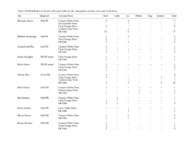
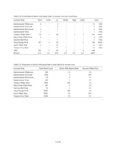
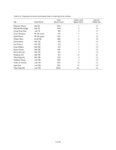
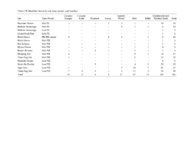
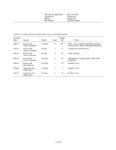
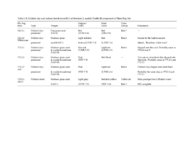
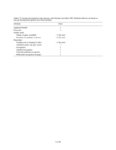
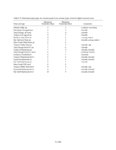
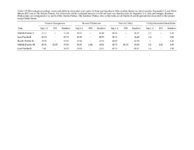
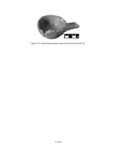
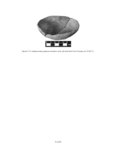
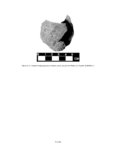
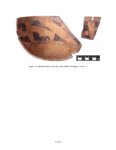
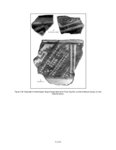
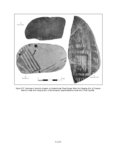
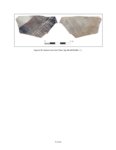
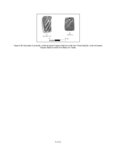
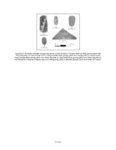
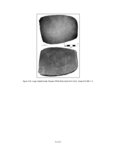
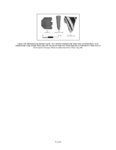
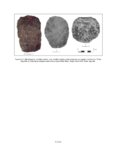
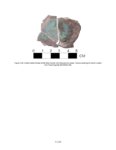
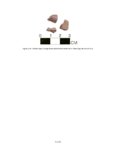
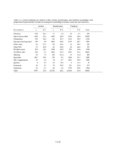
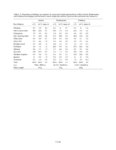
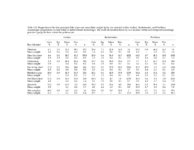
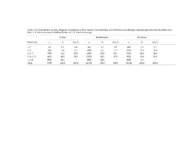
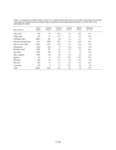
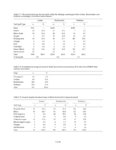
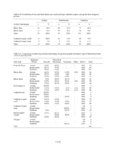
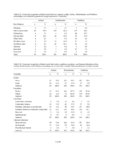
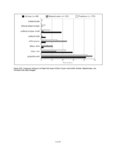
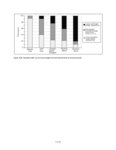
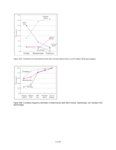
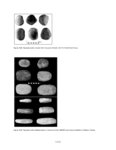
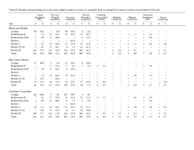
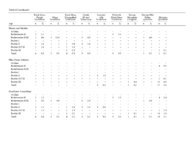
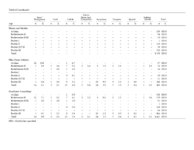
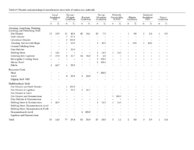
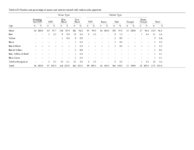
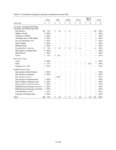
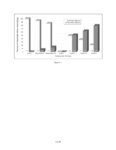
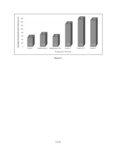
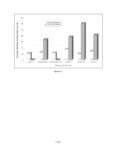
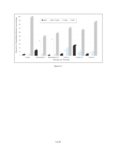
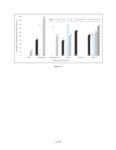
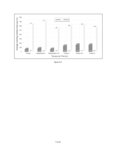
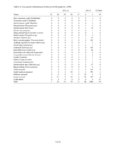
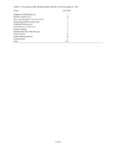
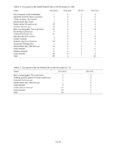
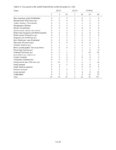
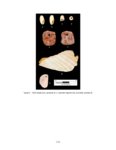
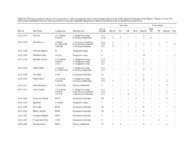
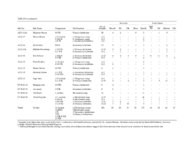
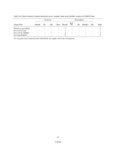
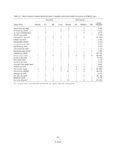
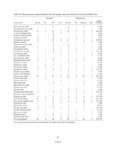
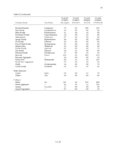
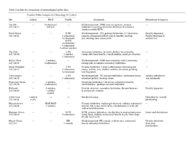
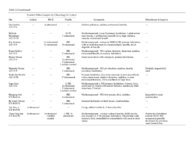
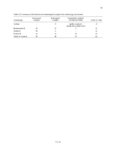
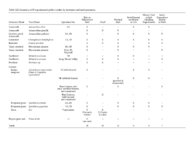
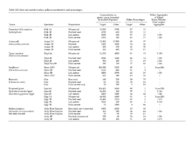
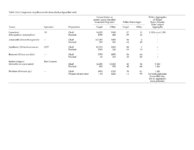
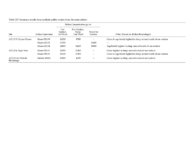
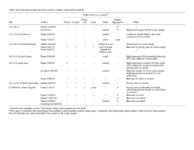
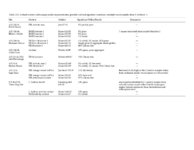
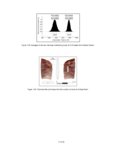
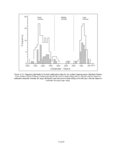
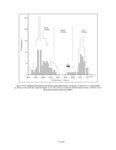
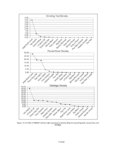
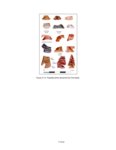
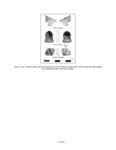
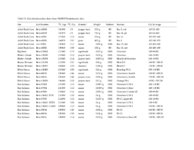
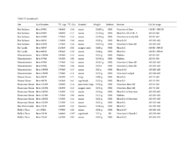
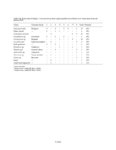
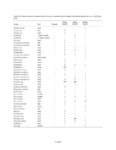
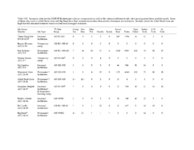
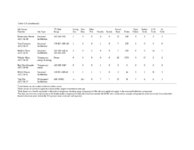
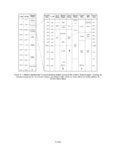
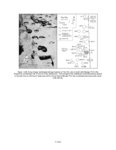
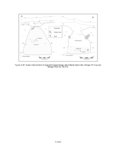
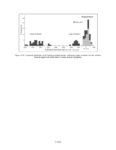
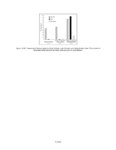
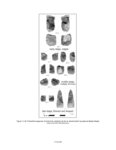
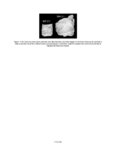
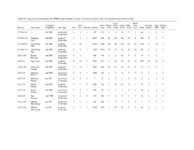
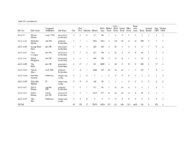
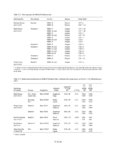
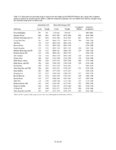
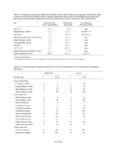
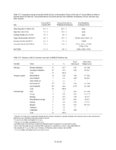
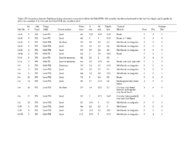
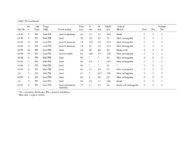
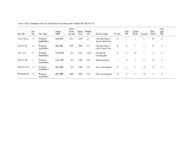
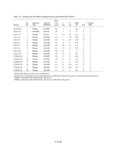
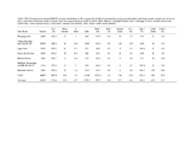
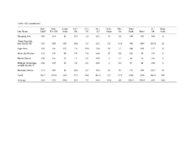
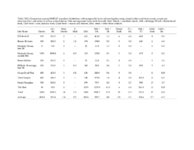
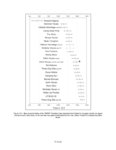
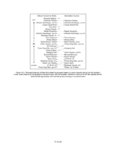
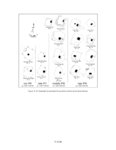
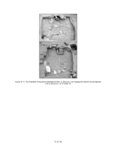
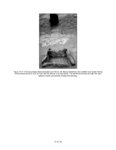
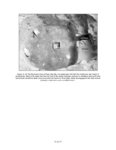
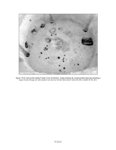
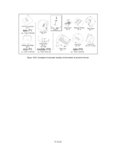
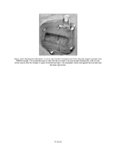
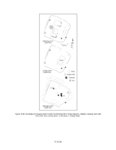
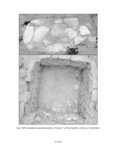
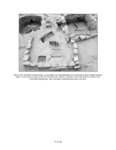
Show broken manos and metates when they were no longer useful for grinding food. Pigment-stained tools were collected from both interior and exterior contexts, but were actually most common in trash deposits. At Three Dog Site a concentration of pigment-stained grinding tools, primarily manos, was found in Structure 9, a small trash-filled kiva. As with the recovery contexts of actual pigment samples, the recovery contexts of pigment-stained tools seem to show that pigment processing or use was not confined to specific structures or areas, as there was no concentrated use in a single room at any site and where there were concentrations, these were due to trash disposal. In conclusion, a relatively small number (59 of 1440, or 4.1%) of the stone grinding tools recovered from the N16 sites were used as paint stones. No attempt was made to identify the minerals responsible for the stains. Similarly no effort was undertaken to determine how the tools were used (i.e. to grind pigment, mix pigment with a liquid binder, or both), although surface texture could be used to intuitively conclude the use of some tools. The grinding tools were stained mostly with three colors-red, yellow, and black-occurring in a variety of combinations. One tool was stained with blue-green pigment. The diverse locations of pigment-stained tools and the ubiquity of mineral samples suggest that most pigment processing was not a specialized craft, but rather was more likely a task that occurred in most households. Based on the types of tools used it also appears that women might have done much of the pigment processing. Craft Production and Exchange Conclusion Identifying specialized craft production and exchange is important for developing a more complete understanding of prehistoric societies in the Southwest. Changes in lithic material preferences and groundstone production loci can help us gain more insight into these topics. Different ratios of groundstone tool design and secondary uses of local and nonlocal stone might indicate different strategies for procuring and using lithic raw materials. Knowing the locations where artifacts were produced could contribute to determining if craft production or specialization occurred at the individual, household, or community levels, and if it varied from site to site or over time. Similarly, groundstone tool design and secondary use of tools can provide information not only about the function(s) and craft production of the tools themselves, but also about other items that the tools were used to manufacture. More than three-quarters of the miscellaneous stone tools had expedient designs, whereas most manos and metates had been strategically designed. Whether a stone tool was strategically or expediently designed was based to a large degree on the tool's function and the expected amount of tool use and not on the source of the raw material being used. Certain tool types inherently required strategic design and shaping prior to use while other tools did not. The ratio of the two design strategies among stone tools was fairly consistent regardless of whether the raw material could be obtained within the immediate vicinity (10 km) of the site or not. This suggests that much of the nonlocal stone used for stone tools was probably collected in the course of embedded procurement practices. Nevertheless, the preferential use of certain materials (e.g. Navajo Mountain sandstone) for use in strategically designed tools with high labor costs indicates that some raw materials were more highly valued. The presence of high-production-cost tools made of these higher-value nonlocal raw materials indicates that the tools might been trade goods or the raw material they were made from might have been collected on special extra-local trips. Lithic material preferences, raw material sources, and differences in stone tool design can help us understand the different strategies used for procuring and using various raw materials. Most of the N16 groundstone artifacts were made from materials available within 10 km of the sites at which they were found (i.e. local stone), and nearly all the manos and metates and more than two-thirds of the miscellaneous stone artifacts were manufactured from sandstone. All manos, regardless of type, were most often made of Navajo Mountain sandstone, whereas the stone most frequently used for metates varied depending on the specific variety. For manos and metates the percentage of tools made from nonlocal stone was smallest for metates, larger for two-hand manos, and largest for one-hand manos. In general this pattern appeared to be based primarily on the transportation costs of artifact size and weight. Several miscellaneous stone artifact types, both tools and non-tools, were strongly correlated with specific raw materials. For the most part these correlations appeared to be the result of the inherent physical properties of the stone. Comparing tool design with raw material type helps to show whether local and nonlocal materials were used in the same manner. A significant difference in design and use would suggest that nonlocal materials were valued differently. The occurrence of expedient and strategic design approaches did not vary greatly based on stone source locality. Usually the specific manufacturing design was based on artifact type rather than raw material source. This pattern was interpreted to mean that most nonlocal stone present in the N16 groundstone assemblage was obtained through embedded procurement V.6.30 |