| OCR Text |
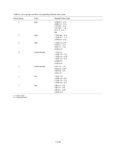
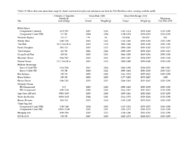
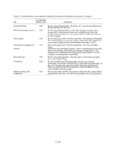
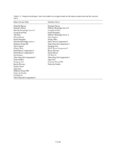
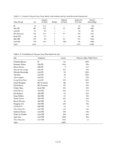
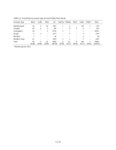
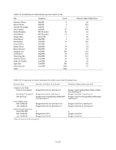
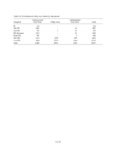
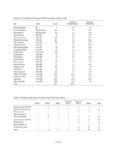
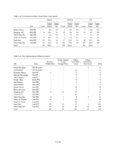
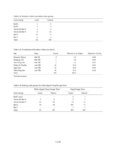
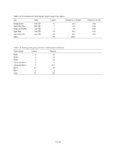
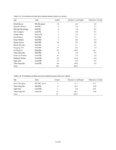
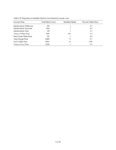
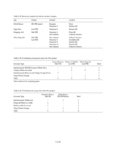
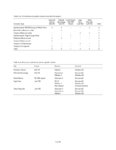
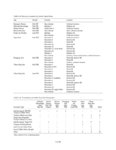
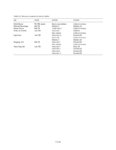
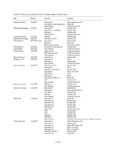
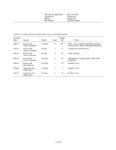
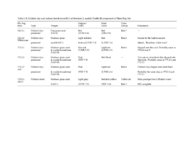
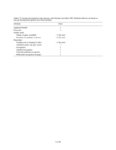
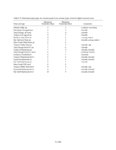
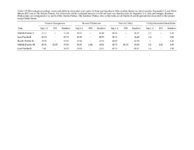
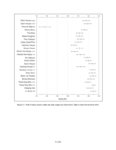
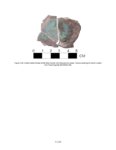
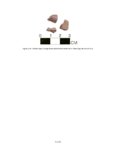
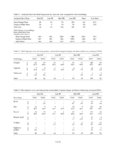
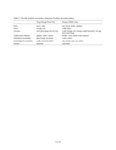
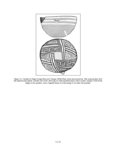
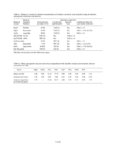
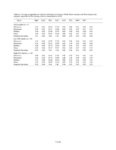
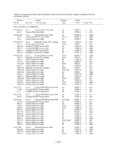
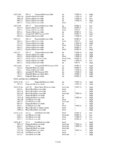
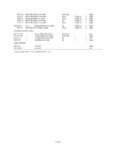
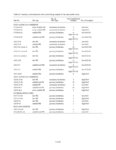
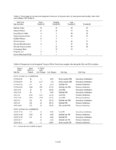
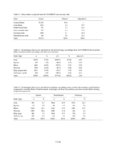
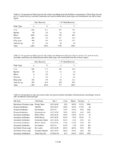
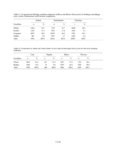
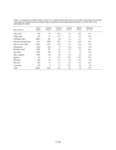
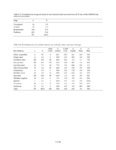
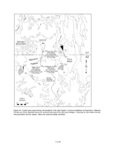
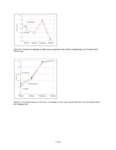
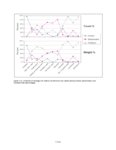
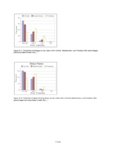
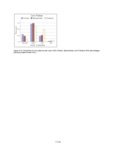
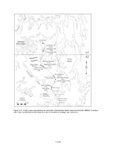
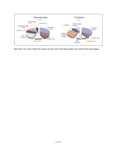
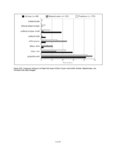
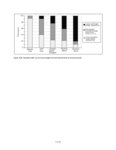
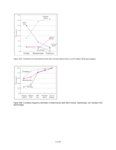
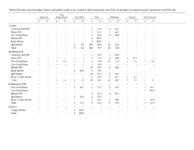
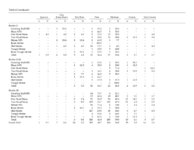
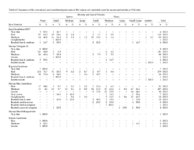
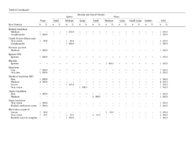
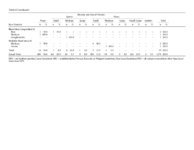
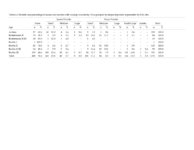
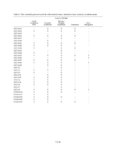
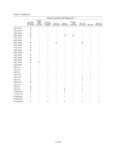
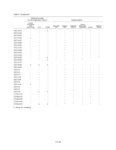
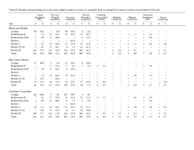
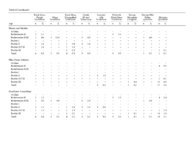
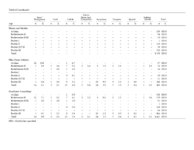
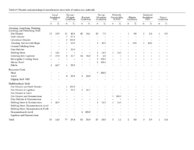
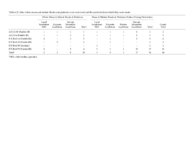
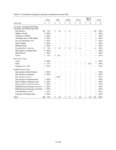
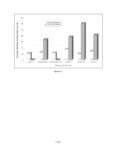
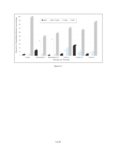
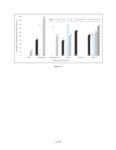
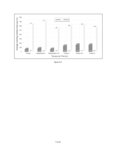
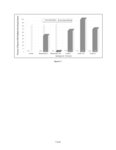
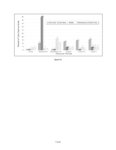
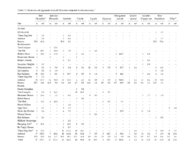
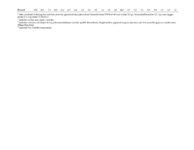
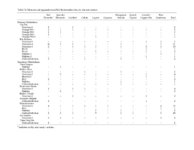
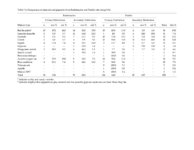
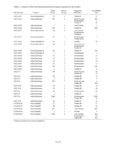
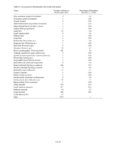
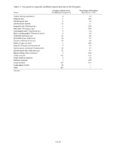
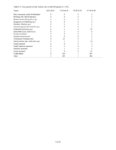
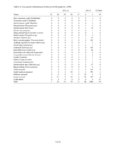
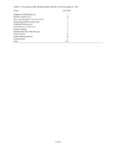
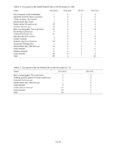
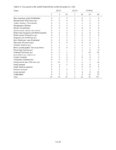
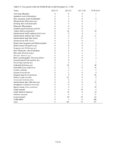
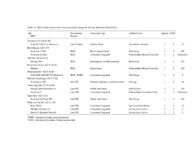
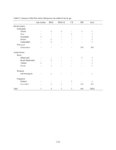
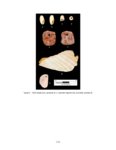
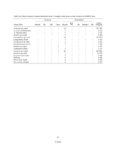
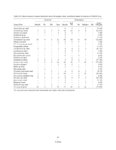
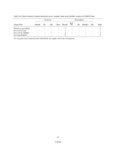
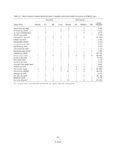
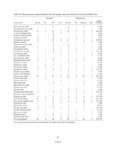
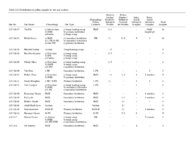
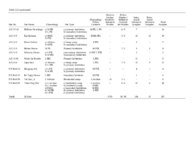
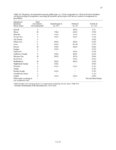
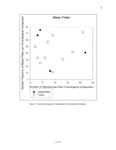
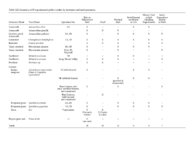
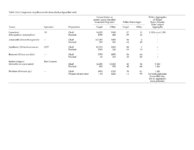
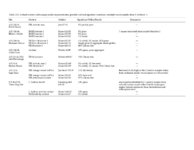
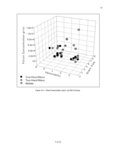
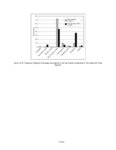
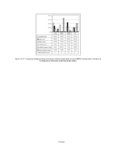
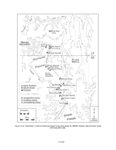
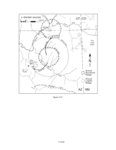
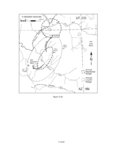
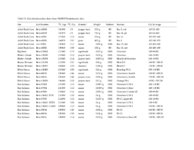
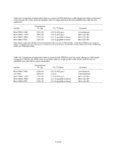
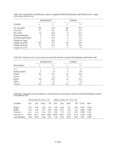
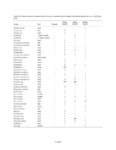
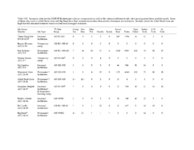
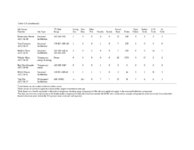
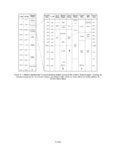
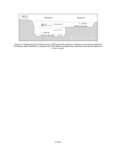
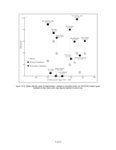
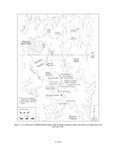
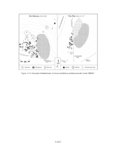
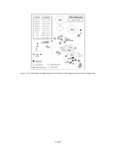
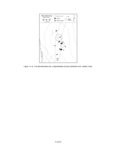
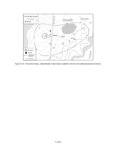
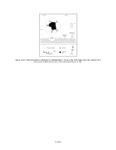
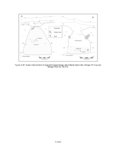
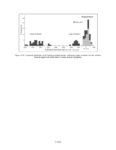
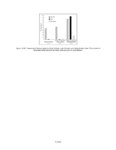
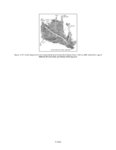
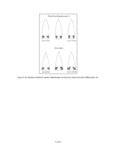
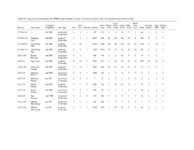
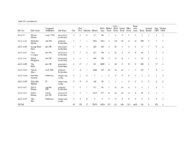
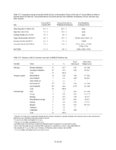
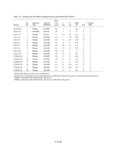
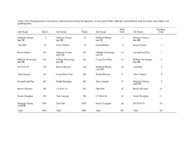
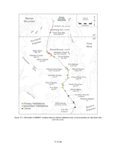
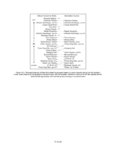
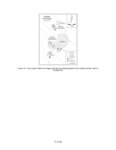
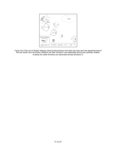
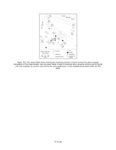
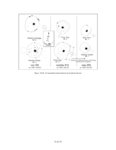
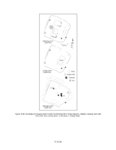
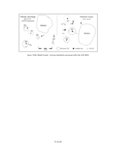
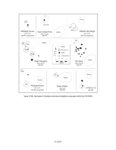
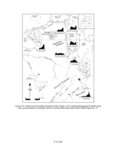
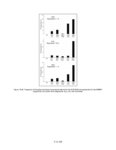
Show assemblages with moderately abundant obsidian, along with the inference that the normal foraging areas of the groups that created sites lay considerably closer to the sources than the N16 project area. But direct procurement from where, and how does knowledge of source origin tie into the notion that the N16 Archaic site sample represents portions of at least two different general settlement systems? Samples of obsidian from the Archaic sites were submitted to Richard Hughes (Geochemical Research Laboratory) for sourcing via XRF-EDS (Appendix A). The samples consisted of all that appeared to be of sufficient size (ca. 1 sq cm in area or larger) for chemical characterization. In the case of Tsé Haal'á this included flakes that were below this size limit, especially for several specimens of visually distinctive glass, because of the desire to obtain source information for this site at the foot of Navajo Mountain as a point of comparison with sites farther south. I attempted to visually identify all of the obsidian flakes submitted for XRF analysis using a binocular microscope with both transmitted and reflected light. This effort indicated that there was very little diversity, with one source comprising more than 90 percent of all flakes; most of the obsidian appeared to match glass from the Government Mountain source area of north-central Arizona. There were a few flakes that appeared to derive from other sources of northern Arizona (Black Tank, Partridge Creek, RS Hill or Slate Mountain), and some quite translucent, highquality glass that appeared to be from New Mexico or Utah sources. One of the reasons for the visual analysis was to obtain some gauge on whether the size-threshold for XRF-EDS chemical analysis would bias some sources over others. The one clear example of this was with Tsé Haal'á, where all flakes that appeared to derive from a source other than Government Mountain were too small to analyze. One obsidian projectile point from Windy Mesa was also analyzed, resulting in a total of 140 chemically sourced artifacts. A summary of the findings from the XRF analysis is presented in Table 13.17. The XRF analysis confirms that nearly all of the obsidian (89.3%) came from the Government Mountain source (see Appendix E for chemical data). Two other obsidian sources in north-central Arizona-Black Tank and Presley Wash-account for a small proportion of the debris, and further support an inference of forager movement onto the Coconino Plateau. These two sources are located in the Mt. Floyd Volcanic Field about 80 km west of the Government Mountain source (Lesko 1989). A single flake was sourced to the Wild Horse locality in the Mineral Mountains of central Utah (Nelson and Holmes 1979; Nelson 1984). Five flakes of distinctive almost clear, highly vitreous glass matched the trace element fingerprint characteristic of the Cerro del Medio locality in the Jemez Mountains source area of north-central New Mexico (Baugh and Nelson 1987). These five flakes were larger on average than those of Government Mountain obsidian from the same site and might well have come from percussion resharpening/modification of a single large biface. The high proportion of obsidian in the assemblages of The Pits, Hólahéi Scatter, and Tres Campos, combined with the chemical source data, strongly suggest that the foragers using these sites directly procured the Government Mountain obsidian. The lesser-used other obsidian types might have been introduced through exchange. Under the assumption of direct procurement embedded within subsistence-related tasks, the occupants of these three sites would have traveled more than 200 km to obtain the glass, and might have had an annual foraging range of more than 30,000 sq km assuming a roughly circular-shaped territory, which is quite large, about three times larger than is evident for Southern Paiute bands as can be discerned from Kelly's records (1934, 1964). Rather than being embedded within the annual pattern of overall band movement, obsidian procurement may have occurred on logistic hunting trips that diverted small task groups to a considerable distance from home territory. In such a scenario, the range of annual movement for subsistence by the band as a whole was far less than the range traveled by hunters on focal trips to distant areas. The result would be two different annual ranges that partly overlapped: a moderate-sized annual foraging territory for the entire band and a logistic hunting territory of far greater dimension (Figure 13.21). The raw material types used for hunting tools (projectile points and bifacial knives) are likely to reflect this entire logistic hunting territory and not just those available within the annual foraging territory. If this suggestion has merit, then it is possible to envision a hypothetical band centered on an area north of the Little Colorado River that could have directly procured obsidian from the north-central sources and reduced, reharpened, or modified tools of such material at hunting sites on the high divide between Piute and Navajo Canyons. In such a scenario, hunters would have traveled to the forested highlands of the Coconino Plateau for large game; traveling there simply for stone seems unlikely given the local availability of chert in the Little Colorado River Pleistocene gravels and from various formations of the area (Chinle, Kayenta, Navajo). While on the Coconino Plateau, hunters would have quarried obsidian from the Government Mountain source and fashioned bifaces and projectile points. On another trip to a different forested highland for hunting, this time between the Shonto and Rainbow Plateaus, the hunters used, resharpened and V.13.46 |