| OCR Text |
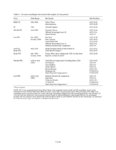
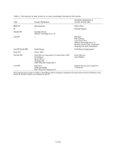
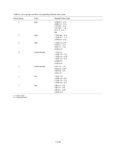
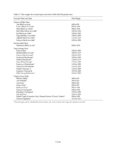
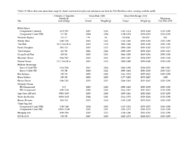
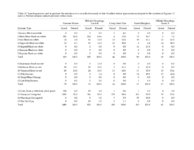
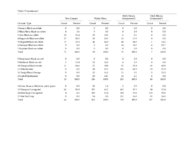
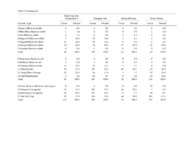
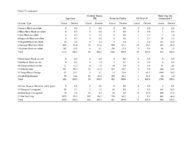
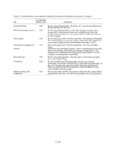
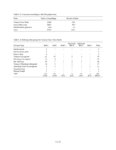
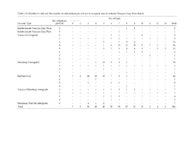
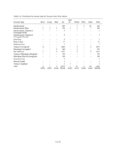
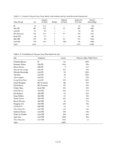
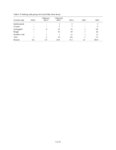
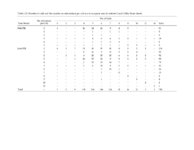
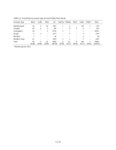
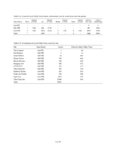
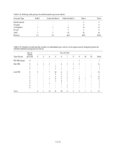
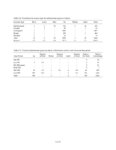
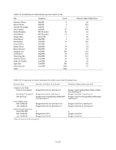
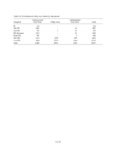
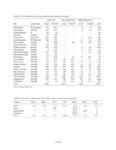
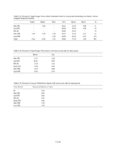
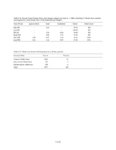
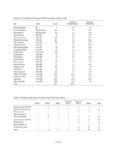
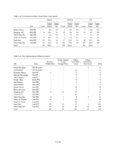
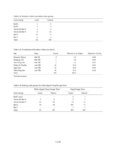
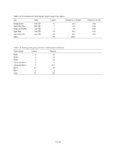
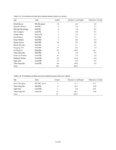
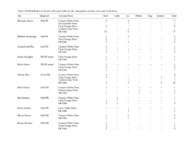
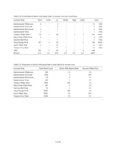
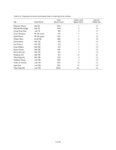
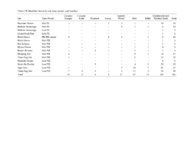
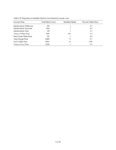
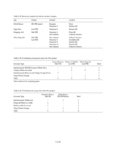
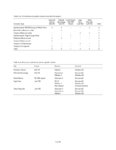
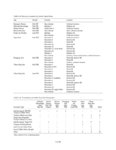
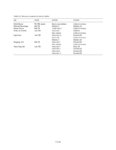
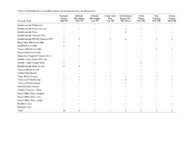
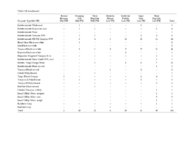
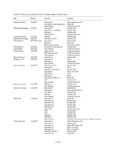
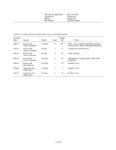
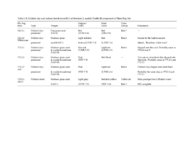
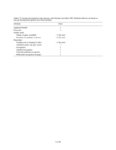
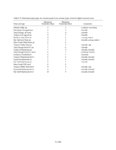
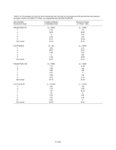
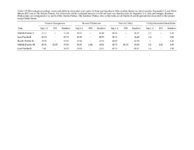
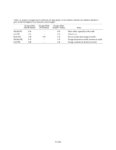
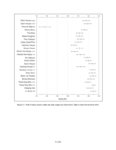
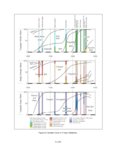
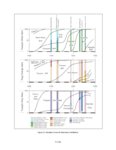
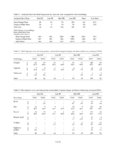
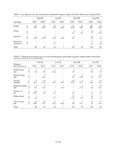
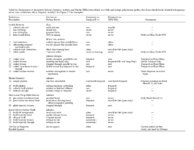
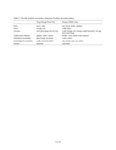
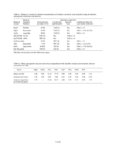
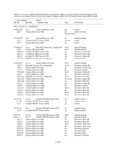
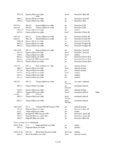
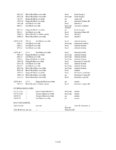
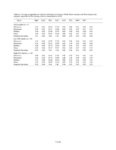
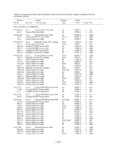
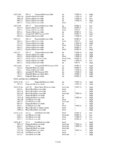
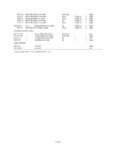
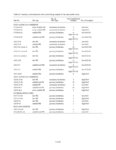
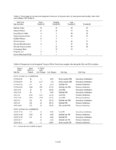
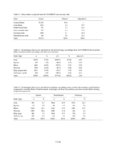
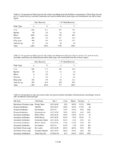
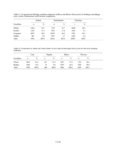
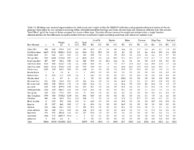
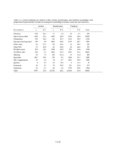
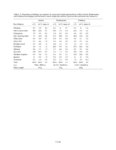
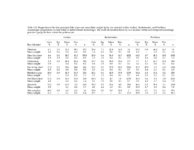
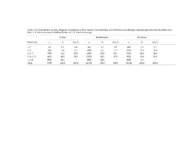
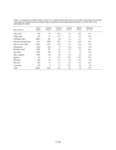
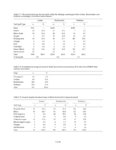
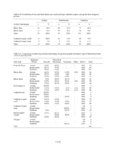
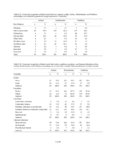
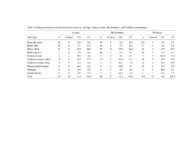
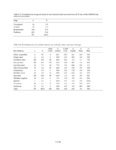
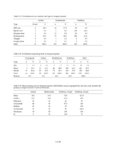
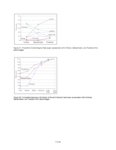
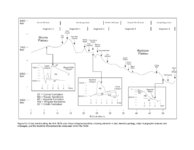
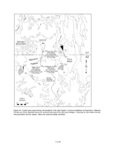
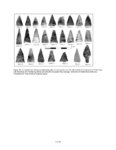
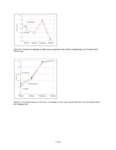
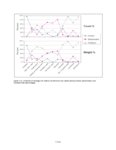
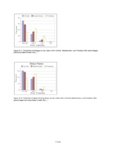
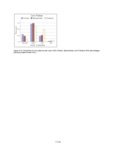
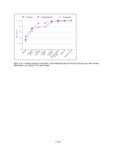
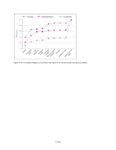
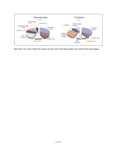
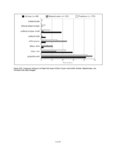
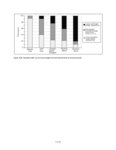
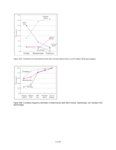
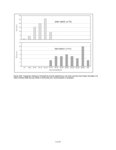
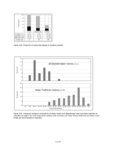
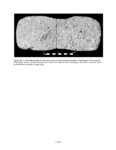
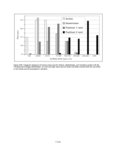
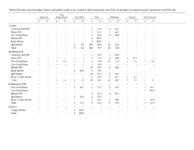
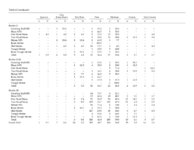
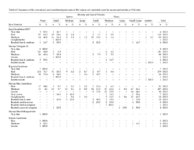
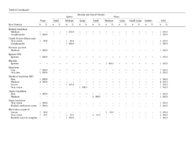
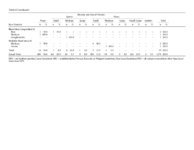
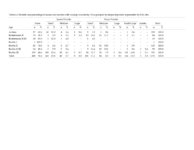
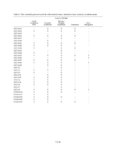
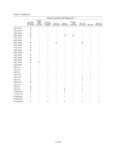
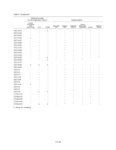
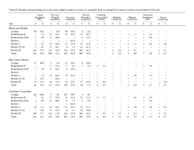
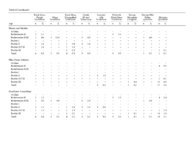
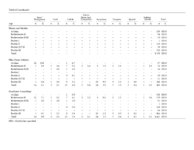
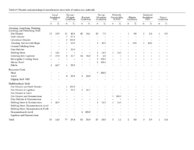
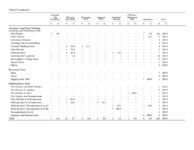
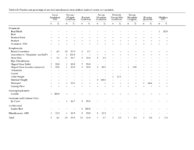
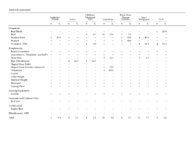
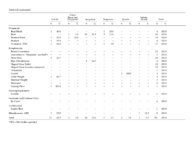
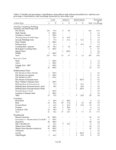
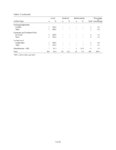
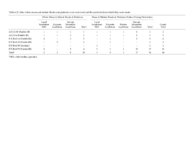
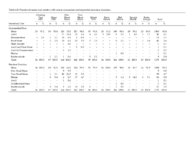
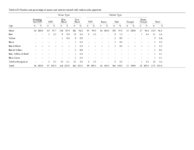
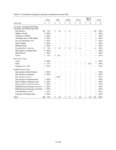
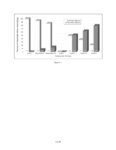
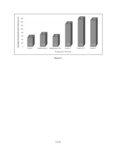
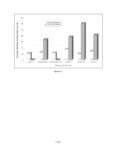
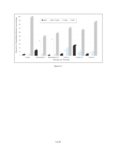
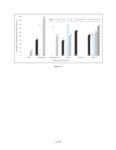
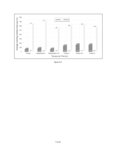
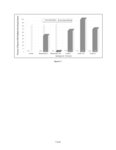
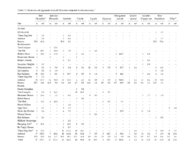
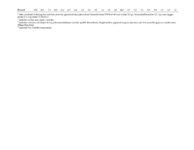
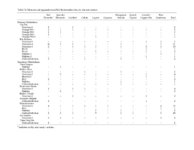
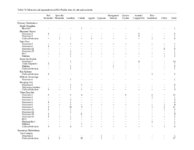
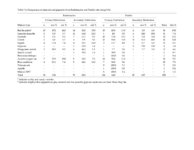
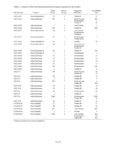
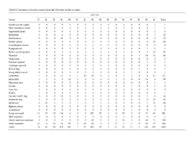
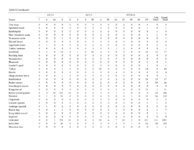
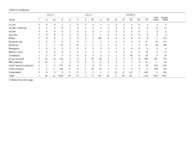
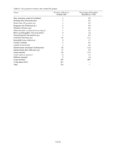
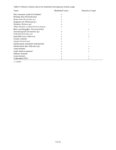
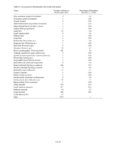
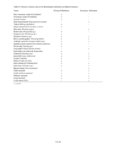
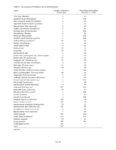
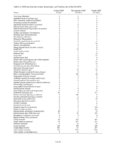
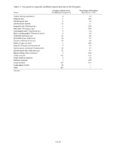
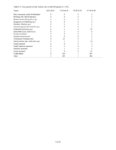
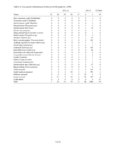
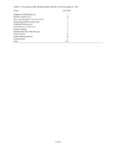
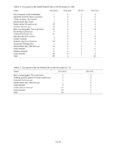
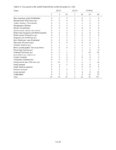
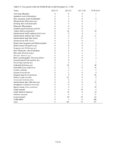
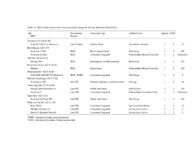
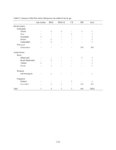
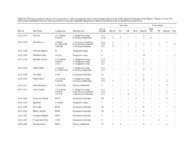
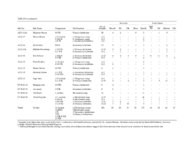
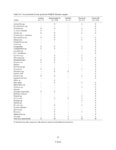
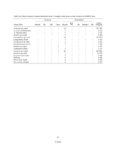
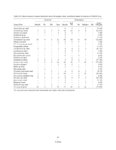
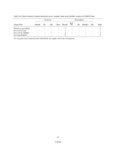
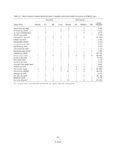
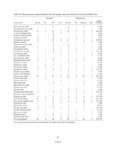
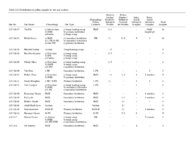
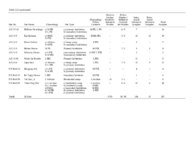
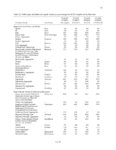
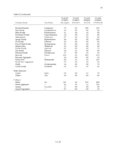
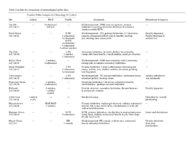
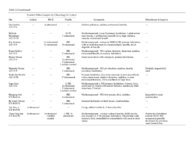
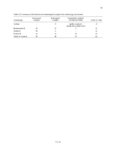
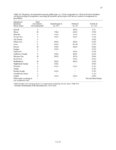
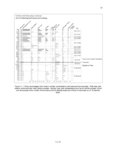
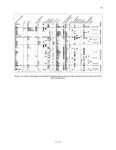
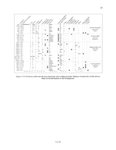
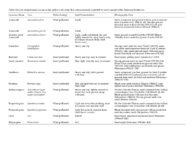
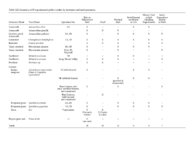
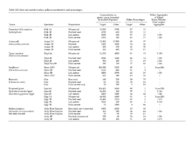
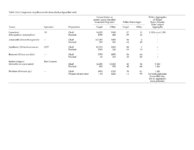
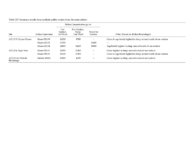
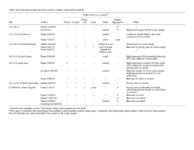
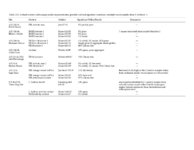
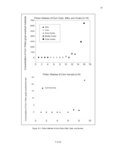
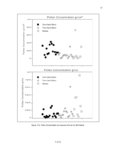
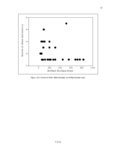
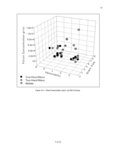
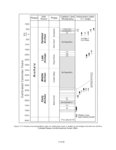
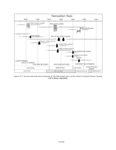
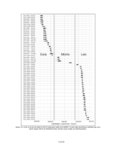
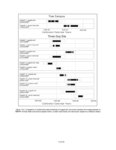
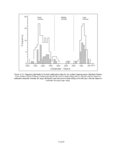
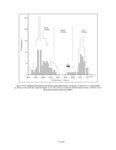
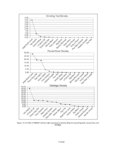
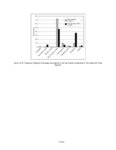
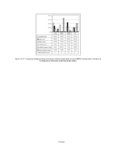
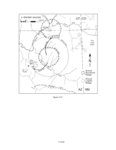
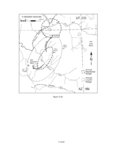
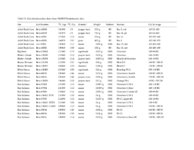
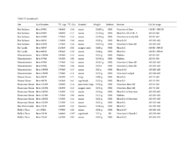
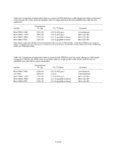
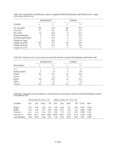
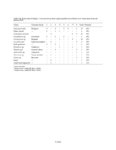
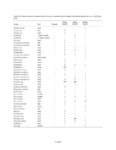
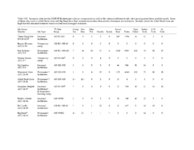
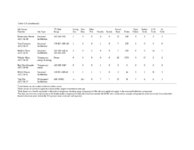
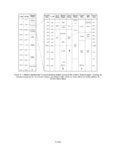
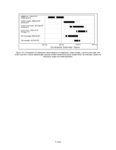
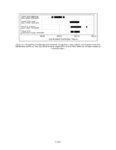
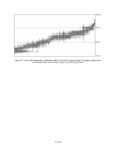
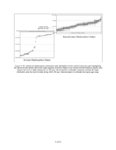
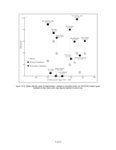
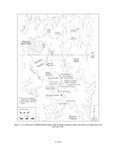
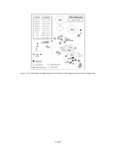
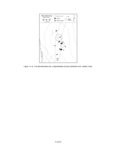
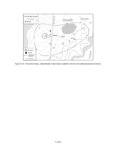
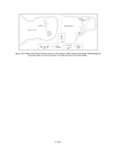
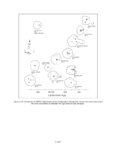
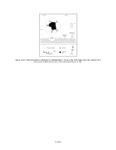
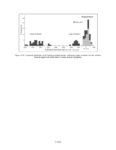
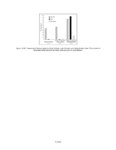
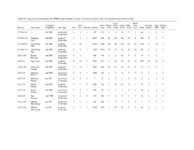
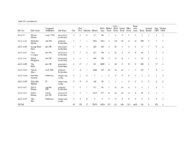
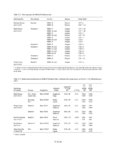
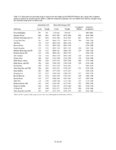
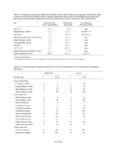
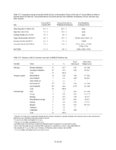
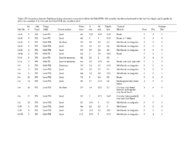
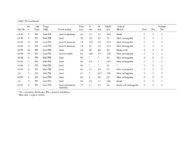
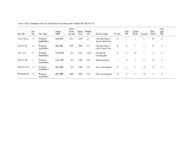
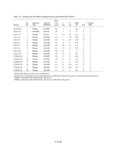
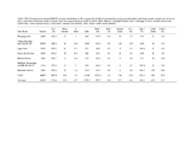
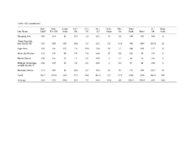
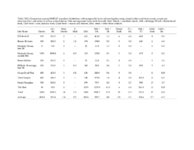
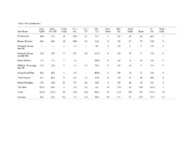
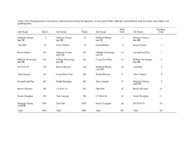
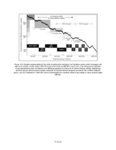
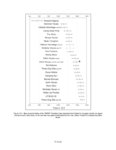
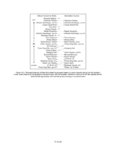
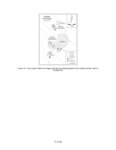
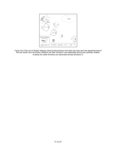
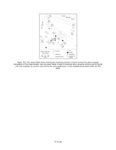
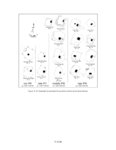
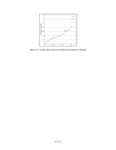
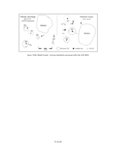
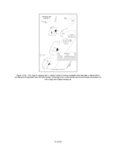
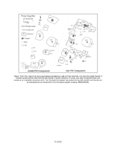
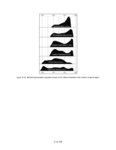
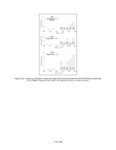
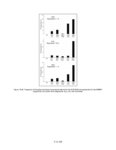
Show component in the project area allows for Pueblo II and Pueblo III period sites to be dated to within 50year intervals. About 100-year intervals are expected for earlier periods (Hays-Gilpin 1994:1; see also Geib et al. 1993:41; Warburton et al. 1996:40). This optimal sample size was available only at Hammer House, Sapo Seco, Water Jar Pueblo, and the later component at Three Dog Site. Smaller samples sizes may be used, but should be treated as less reliable. We used mean ceramic date, mean ceramic date range, minimum use date, and seriation curve to examine chronology. All Pueblo period sites and components were included in the mean ceramic date, mean ceramic date range, and minimum use date calculations. For the seriation curve, only those sites or components with 45 or more typeable sherds were considered, allowing for 18 out of 24 components to be included in the analysis. For all methods, Sapo Seco was considered as a single site, not as individual loci, due to the relative contemporaneity of all four loci. One goal of this analysis was to augment the existing ware/type system to make type descriptions more consistent and reliable, and to identify and refine temporally and spatially significant varieties. We hoped to add more and better samples to Ambler's (1985b) seriation curve and to tie points on this curve to absolute dates. Unfortunately, a refinement of this curve cannot be accomplished due to only a few absolute dates from tree-ring samples, which were associated with the middle Pueblo III component at Ditch House. Other methods employing absolute dates (Christenson 1994; Sullivan et al. 1995) could not be applied for the same reason. The production date ranges of diagnostic types observed in the N16 assemblage were based on the work of Colton (1955, 1956, 1958; Colton and Hargrave 1937) and on major projects in the Kayenta Anasazi region (Ambler 1985b; Christenson 1994; Schroedl and Blinman 1989; Sullivan et al. 1995). The Tusayan White Ware and Tsegi Orange Ware types are reliably dated in the Kayenta region, as are the Tusayan Gray Ware types, which are not as temporally sensitive. The single San Juan Red Ware type, Deadman's Black-on-red, is reliably dated in the Kayenta region, even though it was manufactured in southeast Utah. The date ranges used in this report are provided in Table 2.7. Mean Ceramic Date, Mean Ceramic Date Range, and Minimum Use Date The relative chronological order of each site or component is examined by calculating a mean ceramic date, a mean ceramic date range, and a minimum use date. Only temporally sensitive types with a time span of less than 300 years were used in these calculations. In addition, the mean ceramic date and mean ceramic date range were calculated using both the count and the weight of the sherds recovered. Comparing both count and weight within the same assemblage minimizes other factors, such as trampling and the influence of partial vessels. Table 2.8 provides the mean ceramic date and mean ceramic date range by count and by weight, and the minimum use date, for each site and component within the N16 project area. The mean ceramic dates are illustrated in Figure 2.1 from south to north within the project area and in Figure 2.2 from oldest to youngest. We used the following methods to calculate the mean ceramic date and mean ceramic date range (Reed and Hensler 1999): Count percentages for each type are calculated by dividing the total number of sherds by the number of each type present. The same is done for weight by dividing the total weight by the weight of each type present. Basically, the count and weight of each type is statistically weighted by the total number of diagnostic sherds recovered. These percentages are then multiplied by the beginning date and ending date for each type. All of the calculations for the beginning dates and for the ending dates are summed, and then divided by either the total count or total weight to derive age estimates. The averaged mean date range spans from the beginning date to the ending date for count and for weight. The averaged mean date range is then halved to produce a "best range," which represents "the 50 percent portion of the range closest to the mean" (Reed and Hensler 1999:56). Determining a mean ceramic date and a mean ceramic date range by count and by weight for each site and component allows comparisons between all sites and components within the N16 project area. The minimum use date is useful for estimating the minimum time span for when a site or component was in use. It is not as accurate as other quantitative methods but it can be used on small assemblages. The minimum use date is the range derived by noting the earliest ending date and the latest beginning date of sherds in each assemblage (Gilpin 1995; Hays-Gilpin et al. 1999:462). This method has many disadvantages: it is imprecise, a few intrusive or heirloom sherds overestimate the date range, and it is overly sensitive to errors in proposed date ranges. Its advantages are few: it can be performed on small samples, even one or two sherds. We included this technique because the more techniques used, the more advantages and disadvantages balance out, and the better the overall result. Seriation Curve V.2.11 |