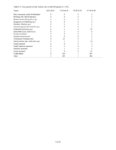
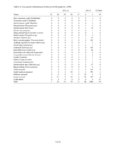
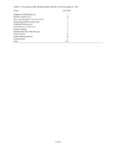
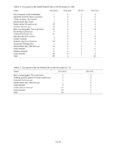
| OCR Text |
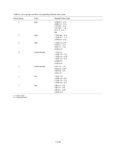
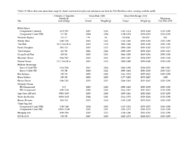
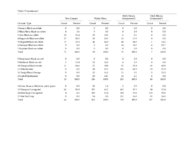
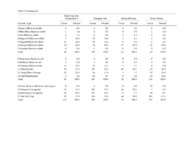
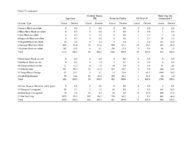
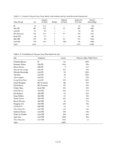
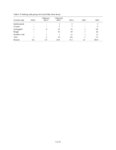
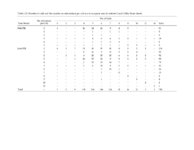
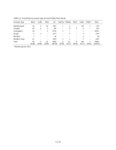
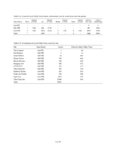
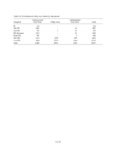
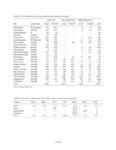
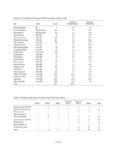
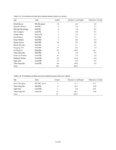
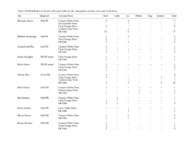
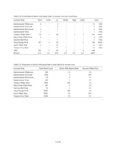
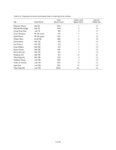
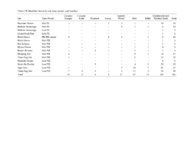
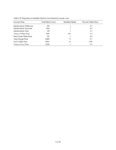
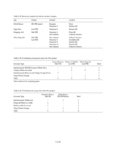
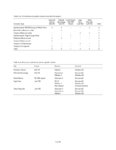
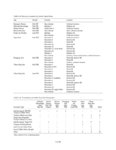
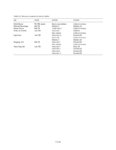
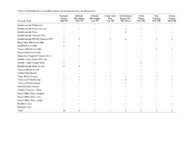
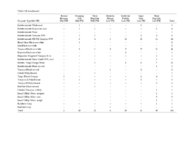
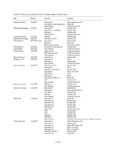
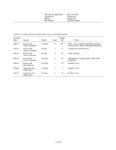
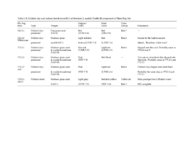
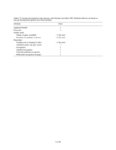
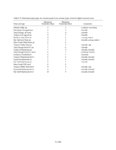
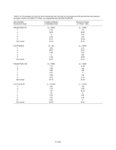
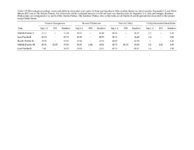
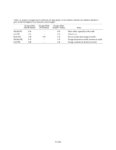
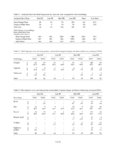
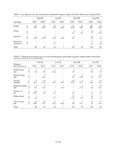
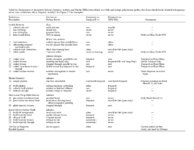
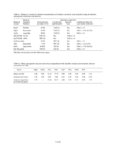
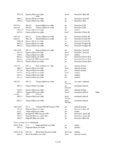
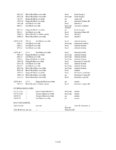
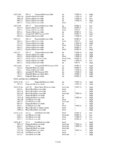
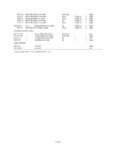
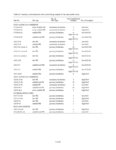
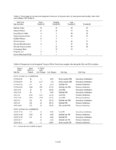
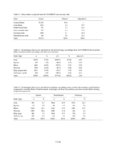
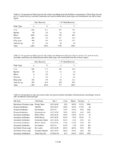
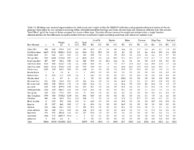
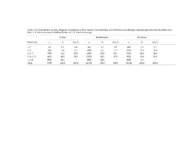
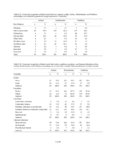
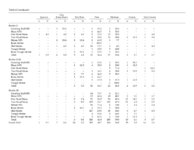
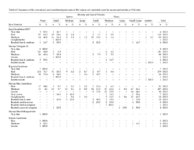
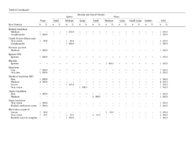
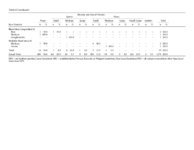
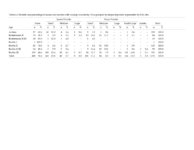
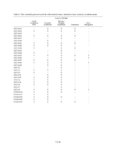
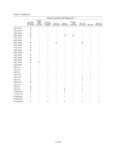
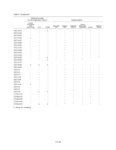
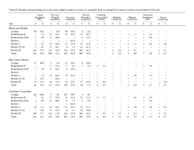
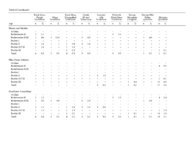
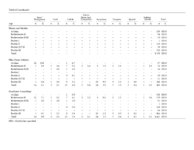
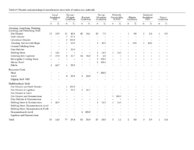
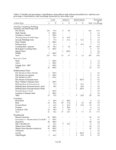
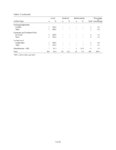
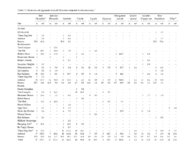
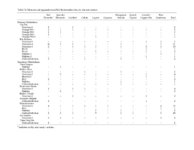
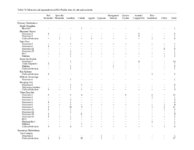
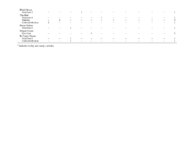
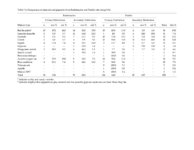
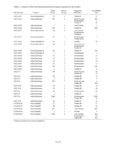
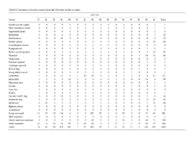
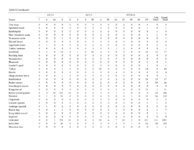
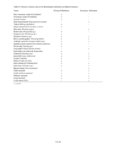
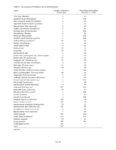
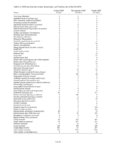
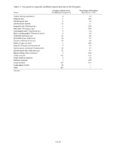
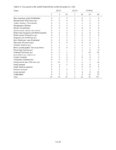
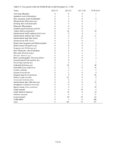
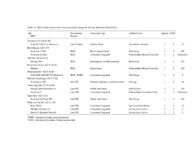
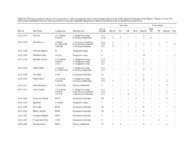
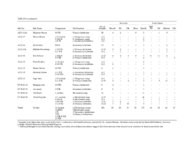
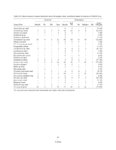
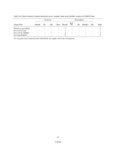
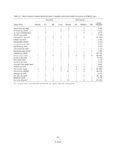
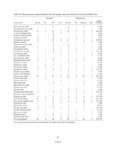
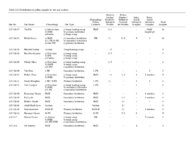
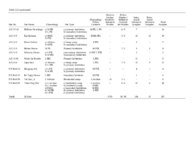
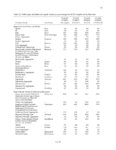
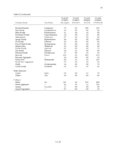
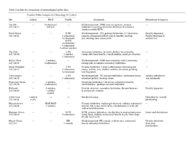
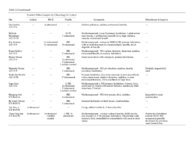
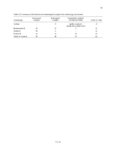
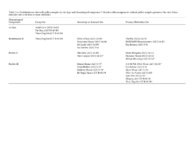
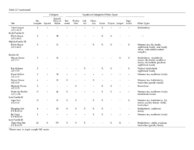
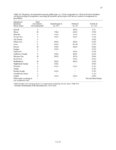
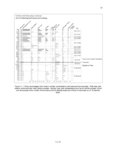
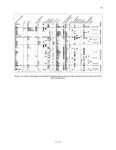
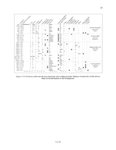
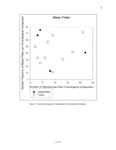
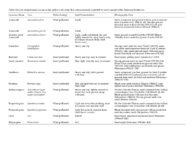
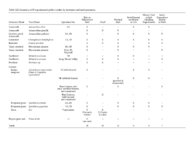
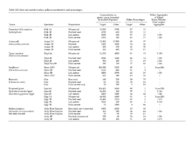
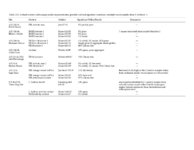
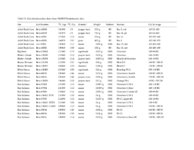
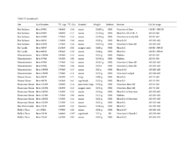
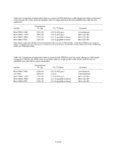
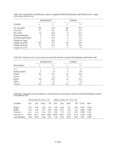
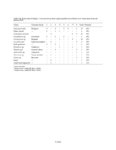
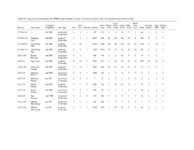
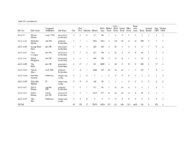
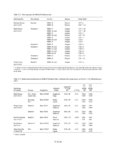
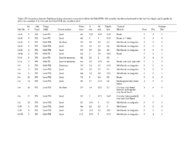
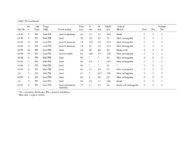
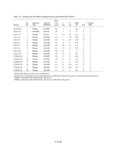
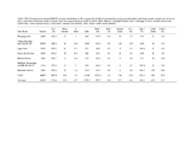
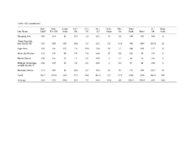
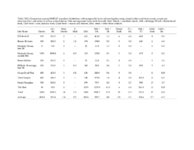
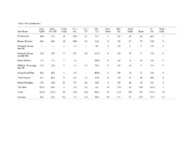
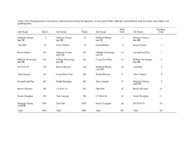
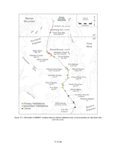
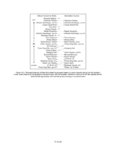
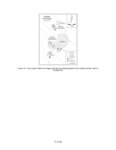
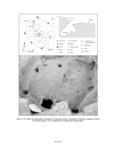
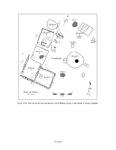
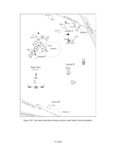
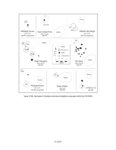
Show differentially used the interior sheltered space such that any one spot would likely be unrepresentative of shelter use overall. For example, full excavation of Dust Devil Cave revealed clear patterns in how early Archaic foragers used the interior space of the site (Ambler 1996). The figures for hand-excavation area given in this table are not useful, however, for gauging feature density since at many sites this number is partially or wholly the result of mechanical stripping with a backhoe. In several cases, such as at Tsé Haal'á, features were documented only within the handexcavated area. Hearth density may not be that informative anyway, since sites thought to have been residential, such as Three Dog, were no different in density and patterning than sites of limited activity such as Polly's Place-both had areas with dense clusters and areas with few hearths. Perhaps more telling was the presence, extent, and density of charcoal flecked and stained sediment, since this probably has a much greater bearing on the intensity of site use. To continue with the two previous examples, Three Dog Site was characterized by darkly charcoal stained and flecked Archaic layers whereas at Polly's Place the hearths originated from a layer of sand that lacked charcoal staining and flecking (though it was organic stained from incipient A horizon development). Residential Camps Residential camps are thought to have served as the focal points of numerous activities necessary for the day-to-day maintenance of family groups. The duration of occupancy of these camps was probably quite variable, but in general was probably less than a few months and most commonly just a few weeks or less. The notion of a relatively short length of stay at such camps is predicated on subsistence strategy and local ecology, which for the Colorado Plateau probably required a moderate to high degree of residential mobility (Binford 1978, 1980; Kelly 1983; Thomas 1983). As mentioned previously, the subsistence resources available to Archaic foragers on the Colorado Plateau in general and the Rainbow Plateau in this particular instance were probably never sufficiently abundant, predictable, and concentrated to allow the establishment of long-term residential base camps or what might be termed semi-permanent residences. Archaic foragers of the region probably depended on moving consumers to the resources, thereby resulting in a series of residential camps, each situated in or near some seasonal resource patch and seldom used for long, though perhaps reoccupied repeatedly. The possible exception to this would have been during winter when there were few plant foods to collect except for cactus pads, and survival probably involved reliance upon stored seeds or meat that could have been efficiently brought back to base camps. Four residential camps were identified in the NMRAP site sample: Atlatl Rock Cave and the three open sites Tsé Haal'á, Three Dog Site, and the unnamed UT-B-63-38. The cave was occupied during the early Archaic and its use was probably quite comparable to Sand Dune and Dust Devil Caves, although Dust Devil evidently saw considerably more occupation because the early Archaic cultural accumulation was many times thicker (ca. 1 m) than at either of the other caves. The two largest of the open sites date to the late Archaic while the third smaller example remains undated. Not too surprisingly, all residential camps are located near reliable water sources. The open sites all occur along the eastern base of Navajo Mountain next to drainages that head on the mountain slopes-a spring that often supports stream flow for a short distance occurs in the drainage by Three Dog Site, and in the drainage by Tsé Haal'á and UTB-63-38 there is a large plunge pool that holds water throughout the year except for times of extreme drought. Atlatl Rock Cave has a seep that issues from its mouth just outside the dripline, a source augmented by several permanent springs within a few kilometers in Piute Canyon. Although other site types might also be located somewhat close to water, this may have been a less pressing concern given more transient use and probable smaller group size. The important attributes for identifying sites as temporary residential camps are an abundant and diverse set of stone artifacts, with the presence of grinding tools of special significance, especially when co-occurring with hearths and charcoal stained and flecked sediment as previously mentioned. Assemblage diversity is an important attribute linked to the notion that residential camps are the locus of most food processing and tool manufacture and maintenance. All of the diverse activities of camp life, such as seed grinding, hide scraping, tool production and the like, ostensibly result in the accumulation of a diverse set of artifact classes. Part of this diversity includes the co-occurrence of tools commonly assumed to be associated with sex-differentiated subsistence tasks (hunting implements vs. grinding implements), with the implication that entire families occupied such camps. Assemblage diversity can be measured in several ways, such as simple class richness or the Shannon information statistic and derivatives (Pielou 1966; Zar 1974); I use an intuitive estimate. Because of sample size effects, no simple correlation necessarily exists between assemblage diversity and site functions (Thomas 1986a:242). Sites with numerous artifacts may appear more diverse than sites with fewer remains simply because having V.13.35 |